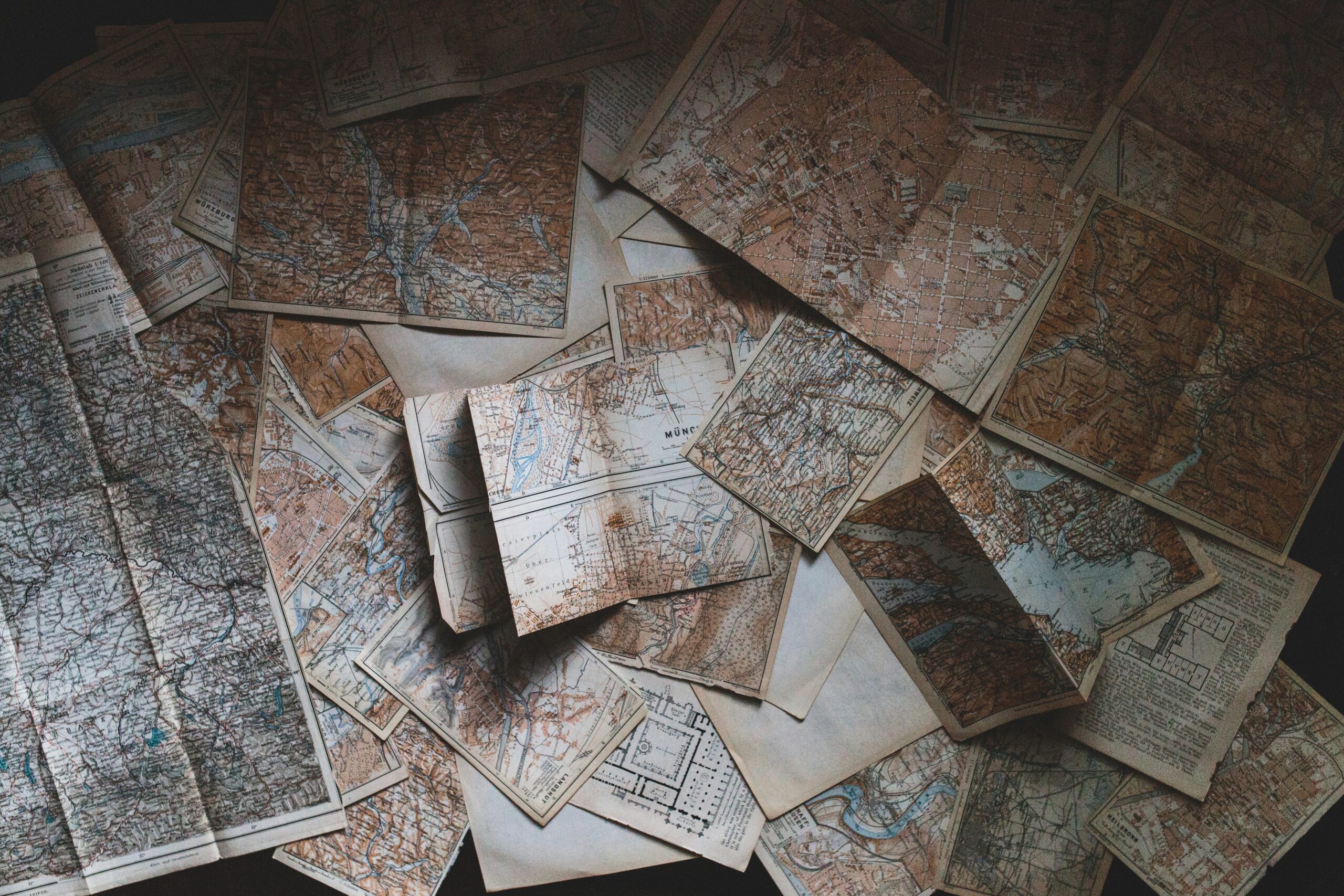
The human story is a tapestry woven with threads of innovation, struggle, triumph, and an unyielding drive to understand and reshape the world. From the first flicker of conscious thought in our distant ancestors to the complex, interconnected societies of today, the epic journey of human civilization is a narrative of constant evolution, a testament to our resilience and boundless potential. This is not a tale of a single hero, but of the collective endeavors of billions, each generation building upon the achievements and learning from the mistakes of those who came before.
The very beginnings of civilization are shrouded in the mists of deep time, a period characterized by the slow, arduous process of developing fundamental human traits.
The Cognitive Revolution
Scientists point to a crucial period, often termed the “Cognitive Revolution,” which likely occurred between 70,000 and 30,000 years ago. This was not a biological leap in brain size, but rather a fundamental shift in how our ancestors’ brains functioned. The development of complex language, abstract thought, and the ability to form intricate social bonds were the foundational elements that set Homo sapiens apart. This newfound cognitive flexibility allowed for unprecedented cooperation, the sharing of ideas, and the creation of shared myths and beliefs – the bedrock of any nascent civilization.
The First Steps: Hunter-Gatherer Societies
For the vast majority of our existence, humans lived as nomadic hunter-gatherers. Small, kinship-based groups roamed the land, their lives dictated by the seasons and the availability of food. These societies, though seemingly simple, possessed a deep understanding of their environment, intricate knowledge of plants and animals, and a rich oral tradition. Their social structures were likely egalitarian, with a strong emphasis on communal sharing and mutual reliance. This period, though lacking monumental structures, laid the groundwork for everything that followed, fostering the social cohesion and observational skills that would later fuel innovation.
The Spark of Art and Spirituality
Even in these early stages, evidence suggests the emergence of complex human expression. Cave paintings, intricate carvings, and burial rituals point to an evolving spiritual consciousness and an inclination towards symbolism and artistry. These early forms of expression were not mere decoration; they likely served crucial social and perhaps even communicative functions, encoding knowledge and reinforcing group identity. The desire to understand the inexplicable, to leave a mark, and to connect with something beyond the immediate was present from the very genesis of our species.
The deep history of humanity reveals the intricate web of social, economic, and cultural developments that have shaped our existence over millennia. One fascinating aspect of this history is the rise and fall of ancient economies, which played a crucial role in the evolution of societies. For a thorough exploration of this topic, you can read the article titled “The Fall of Ancient Economies: A Historical Analysis,” which delves into the factors that led to the decline of various ancient economic systems. You can find it here: The Fall of Ancient Economies: A Historical Analysis.
The Agricultural Revolution: Sowing the Seeds of Sedentary Life
Perhaps the most profound turning point in human history was the transition from a nomadic lifestyle to settled agriculture, a process that unfolded independently in various parts of the world.
The Cultivation of Crops and Domestication of Animals
Beginning around 10,000 BCE, humans in regions like the Fertile Crescent, East Asia, and Mesoamerica began to experiment with cultivating wild grains and domesticating animals. This was not a sudden revelation but a gradual process, driven by observation and trial-and-error. The ability to reliably produce food allowed for surplus, which in turn led to profound societal changes. This shift meant people could stay in one place, leading to the development of permanent settlements.
The Rise of Villages and Towns
As agriculture took root, so did the formation of larger, more permanent communities. Villages grew into towns, and the concept of private property began to emerge. The focus shifted from foraging for sustenance to managing land and livestock. This sedentary lifestyle brought new challenges and opportunities, necessitating new forms of organization and governance.
New Social Hierarchies and Specialization
The agricultural surplus allowed for specialization. Not everyone needed to be involved in food production, leading to the emergence of artisans, builders, and eventually, leaders and administrators. This often resulted in the development of more stratified societies, with social hierarchies forming based on wealth, land ownership, and political power. The seeds of inequality, alongside progress, were sown during this era.
The Burden and Blessing of Settlement
While agriculture provided a more stable food supply, it also brought new burdens. Dependence on a limited number of crops made communities vulnerable to disease and environmental changes. The close proximity of people and livestock facilitated the spread of infectious diseases. Furthermore, the labor required for farming was often more intensive than that of hunting and gathering. Yet, the ability to accumulate resources and establish lasting communities outweighed these challenges, propelling civilization forward.
The Age of Empires: Unification, Conquest, and Innovation
With settled populations and agricultural abundance, the stage was set for the rise of larger political entities – empires.
The Genesis of States and Governance
As settlements grew in size and complexity, so did the need for organized governance. Early forms of leadership, initially likely based on charisma or kinship, evolved into more formalized structures. The development of writing systems was crucial, enabling the recording of laws, taxes, and historical accounts, solidifying the power of ruling elites and facilitating the administration of larger territories.
Mesopotamian Marvels: The Cradle of Civilization
The land between the Tigris and Euphrates rivers, Mesopotamia, witnessed the birth of some of the earliest known civilizations, including the Sumerians, Akkadians, Babylonians, and Assyrians. They developed complex irrigation systems, monumental architecture like ziggurats, early forms of law (the Code of Hammurabi), and advanced mathematics and astronomy. Their innovations in city planning, trade, and administration laid the groundwork for future civilizations.
Egypt’s Enduring Legacy: Pyramids, Pharaohs, and Papyrus
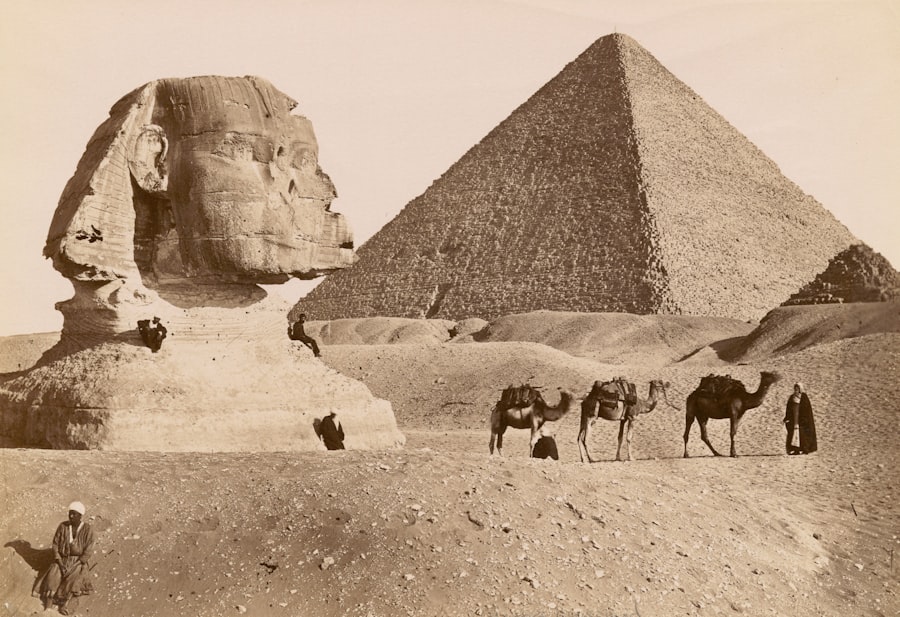
Along the Nile River, ancient Egypt developed a civilization renowned for its monumental architecture, the pyramids and temples that still awe today. Their sophisticated understanding of engineering, medicine, and astronomy, coupled with a highly centralized government ruled by pharaohs, allowed them to flourish for millennia. The invention of papyrus and hieroglyphic writing further cemented their cultural and administrative achievements.
The Rise and Fall of Great Powers: Rome, Persia, and China
From the Mediterranean to East Asia, vast empires emerged, characterized by their military might, administrative efficiency, and ambitious construction projects. The Roman Empire, with its vast road networks, aqueducts, and legal system, shaped the Western world. The Persian Empire, known for its tolerant rule and efficient bureaucracy, spanned a vast territory. Ancient China, with its continuous dynastic rule, philosophical traditions like Confucianism and Taoism, and technological advancements such as paper and gunpowder, forged a distinct and enduring civilization. The rise and fall of these empires, driven by internal factors and external pressures, provided invaluable lessons in statecraft, economics, and societal organization.
The Interconnected World: Trade and Cultural Exchange
Empires, through their vast reach, facilitated the exchange of goods, ideas, and technologies. Trade routes like the Silk Road connected distant regions, fostering cultural diffusion and influencing the development of diverse societies. This interconnectedness, while often driven by conquest, also led to the sharing of knowledge and the cross-pollination of cultures, enriching the human experience.
The Medieval Interlude and the Renaissance Bloom: Transition and Rebirth

Following the collapse of many classical empires, the world entered a period of fragmentation and transformation, eventually leading to a profound cultural and intellectual awakening.
The “Dark Ages” and the Preservation of Knowledge
While often characterized as a period of decline in Europe, the so-called “Dark Ages” were a time of transition. In the Byzantine Empire and the Islamic world, classical knowledge was preserved and actively studied. Monasteries in Europe played a vital role in safeguarding ancient texts and fostering scholarship. Innovations continued, albeit at a different pace and in different forms.
The Flourishing of Islamic Civilization
During this era, the Islamic world experienced a golden age of scientific, mathematical, and philosophical advancement. Scholars in Baghdad, Cordoba, and Cairo made groundbreaking discoveries in optics, medicine, algebra, and astronomy. Their translations of Greek and Roman texts preserved invaluable intellectual heritage for the rest of the world.
The Dawn of European Universities and Scholasticism
In Europe, the establishment of universities marked a renewed focus on organized learning. Scholasticism, a philosophical method that sought to reconcile faith and reason, dominated intellectual discourse. While sometimes rigid, it stimulated critical thinking and laid the groundwork for future intellectual inquiry.
The Commercial Revolution and the Seeds of Global Capitalism
The later medieval period saw a resurgence of trade and commerce, leading to the growth of towns and cities and the rise of a merchant class. This Commercial Revolution, with its innovations in banking and finance, began to lay the foundations for modern capitalism and global economic interconnectedness.
The Renaissance: A Rebirth of Art, Science, and Humanism
The Renaissance, beginning in the 14th century in Italy, was a period of profound intellectual and artistic flourishing. A renewed interest in classical antiquity, coupled with a burgeoning spirit of humanism, led to unprecedented achievements in art, literature, science, and exploration. Figures like Leonardo da Vinci, Michelangelo, and Galileo Galilei embodied this spirit of inquiry and innovation, pushing the boundaries of human understanding and creativity. This period marked a significant shift in how humanity viewed itself and its place in the universe.
The deep history of humanity reveals fascinating insights into how our ancestors shaped the world we live in today. One intriguing aspect is the impact of revolutionary technological breakthroughs, which have continuously transformed societies throughout time. For a deeper understanding of this evolution, you can explore an insightful article that discusses how these advancements are changing our perception of history. This article can be found here.
The Age of Exploration, Enlightenment, and Revolution: Expanding Horizons and Redefining Society
| Time Period | Event/Metric |
|---|---|
| 2.5 million years ago | First stone tools used by early humans |
| 200,000 years ago | Appearance of anatomically modern humans |
| 12,000 years ago | Transition from hunter-gatherer to agricultural societies |
| 5,000 years ago | Development of early writing systems |
| 3,000 years ago | Formation of early empires and civilizations |
The era that followed the Renaissance was characterized by a dramatic expansion of the known world, a profound shift in philosophical thought, and revolutionary upheavals that reshaped political and social landscapes.
The Great Voyages of Discovery
Fueled by advancements in navigation and shipbuilding, European explorers embarked on ambitious voyages that charted new continents and established global trade routes. This era of exploration, while often intertwined with colonialism and exploitation, fundamentally expanded humanity’s understanding of the planet and its diverse peoples. The Columbian Exchange, though devastating for many indigenous populations, also led to a global transfer of plants, animals, and diseases.
The Scientific Revolution: Unveiling the Laws of Nature
Building on the foundations laid by earlier thinkers, the Scientific Revolution witnessed a new emphasis on empirical observation, experimentation, and mathematical reasoning. Figures like Copernicus, Kepler, Newton, and Galileo challenged established dogma and unveiled fundamental laws governing the universe. This paradigm shift ushered in an era of unprecedented technological progress.
The Enlightenment: Reason, Rights, and Reform
The Enlightenment, a philosophical movement of the 18th century, championed reason, individualism, and human rights. Thinkers like Locke, Rousseau, Voltaire, and Kant advocated for principles of natural law, liberty, and the separation of powers. These ideas profoundly influenced political revolutions and the development of modern democratic thought.
The American and French Revolutions: The Birth of Modern Republics
Inspired by Enlightenment ideals, the American and French Revolutions fundamentally challenged the divine right of kings and championed the sovereignty of the people. The establishment of republics based on principles of liberty, equality, and fraternity, though often imperfectly realized, had a seismic impact on global politics and inspired subsequent movements for self-determination.
The Industrial Revolution: Transformation and Technological Leap
The Industrial Revolution, beginning in the late 18th century, marked another seismic shift in human civilization. The invention of new machines, powered by steam and later electricity, mechanized production, leading to unprecedented economic growth and urbanization. While it brought immense material progress and raised living standards for many, it also created new social problems, including pollution, overwork, and stark economic inequality.
The deep history of humanity is intricately woven with our relationship to the environment, and one fascinating aspect of this connection is the ancient practice of wind harvesting. This technique, which has been utilized for centuries, showcases how early civilizations harnessed natural forces to improve their quality of life. For a deeper exploration of this topic, you can read about the innovative methods used by our ancestors in the article on uncovering ancient secrets of wind harvesting. Understanding these practices not only sheds light on our past but also offers valuable insights for sustainable living today.
The Modern Era and the Challenges of Globalization: Interconnectedness, Innovation, and Uncertainty
The 20th and 21st centuries have been defined by rapid technological advancement, increasing global interconnectedness, and a host of complex challenges.
Technological Acceleration: From the Automobile to the Internet
The pace of technological innovation has accelerated dramatically. The automobile, the airplane, the radio, the television, and most consequentially, the internet and digital technologies, have shrunk the world and transformed human communication, commerce, and culture. Artificial intelligence, genetic engineering, and space exploration continue to push the boundaries of what is possible.
The World Wars and Their Aftermath: Conflict and the Drive for Peace
The 20th century was tragically marked by two devastating world wars, which resulted in unimaginable loss of life and reshaped the global political order. These conflicts also spurred a greater awareness of the need for international cooperation and led to the establishment of organizations like the United Nations, aimed at preventing future global conflicts and addressing shared challenges.
The Age of Information and Globalization: A Connected World
The advent of the internet and digital technologies has ushered in the Age of Information and accelerated globalization. Information travels at lightning speed, economies are increasingly intertwined, and cultures are more interconnected than ever before. This has brought immense opportunities for collaboration and understanding, but also new challenges related to information overload, cultural homogenization, and the widening gap between developed and developing nations.
Environmental Stewardship and the Climate Crisis
The environmental impact of human civilization has become increasingly apparent. Industrialization and unchecked consumption have led to significant challenges, including climate change, pollution, and biodiversity loss. The urgent need for sustainable practices and international cooperation to address these issues is one of the defining challenges of our time.
The Future of Humanity: Towards a Sustainable and Equitable Tomorrow
The epic journey of human civilization is far from over. As we stand on the precipice of unprecedented technological and environmental change, the choices we make today will shape the trajectory of our species for centuries to come. The challenges are immense, but so is our capacity for innovation, cooperation, and adaptation. The story of human civilization is a continuous narrative, one that calls for wisdom, foresight, and a commitment to building a more sustainable, equitable, and flourishing future for all. The legacy of our ancestors, etched in the ruins of empires and the whispers of forgotten languages, serves as a constant reminder of both our past achievements and the enduring responsibility we bear for the future.

Could Humanity Remember a World That No Longer Exists?
FAQs
What is the deep history of humanity?
The deep history of humanity refers to the study of human history from the earliest known evidence of human culture to the present day. This includes the study of prehistoric human societies, ancient civilizations, and the development of modern human societies.
What are some key milestones in the deep history of humanity?
Key milestones in the deep history of humanity include the emergence of Homo sapiens as a distinct species, the development of agriculture and the rise of early civilizations, the spread of humans across the globe, and the development of complex societies and technologies.
How is the deep history of humanity studied?
The deep history of humanity is studied through a combination of archaeological evidence, genetic research, and the analysis of ancient texts and artifacts. Researchers also use interdisciplinary approaches, such as anthropology, sociology, and linguistics, to gain a comprehensive understanding of human history.
What are some major theories and debates in the study of the deep history of humanity?
Major theories and debates in the study of the deep history of humanity include the origins of modern humans, the development of agriculture and its impact on human societies, the rise and fall of ancient civilizations, and the interactions between different human populations throughout history.
Why is the study of the deep history of humanity important?
Studying the deep history of humanity is important because it provides insights into the origins and development of human societies, the factors that have shaped human cultures and behaviors, and the ways in which humans have adapted to environmental and social changes over time. This knowledge can help us better understand our own place in the world and inform our decisions about the future.