The flickering embers of ancient campfires, the hushed whispers of elders passing down knowledge, the desperate prayers sent skyward – these are the echoes that resonate through the genesis of flood myths. Across continents and cultures, from the sun-baked deserts of Mesopotamia to the lush rainforests of South America, a recurring narrative of humanity’s near annihilation by a catastrophic deluge has been etched into the collective memory of our species. These tales, woven with threads of divine retribution, ecological disaster, and ultimate survival, have captivated imaginations for millennia. But what lies beneath the watery surface of these pervasive myths? What truths, both literal and metaphorical, do these ancient stories hold?
The sheer prevalence of flood myths is staggering. From the grand narratives of Mesopotamian epics to the localized accounts of indigenous tribes, the motif of a world-ending flood appears with remarkable consistency. It is a testament to the power of shared human experience, or perhaps to a common ancestral memory, that such similar stories have arisen independently across diverse geographical and cultural landscapes. Examining this global distribution offers a crucial starting point in understanding the underlying forces that may have shaped these narratives.
Epic Tales of Survival
The most famous and arguably most influential flood myth originates in Mesopotamia, the cradle of civilization. The Epic of Gilgamesh, a foundational text of ancient literature, recounts the story of Utnapishtim, who, warned by the god Ea, builds a great boat to save himself, his family, and the animals from a flood unleashed by angry gods. This narrative predates the biblical account of Noah’s Ark by centuries, highlighting a long and complex tradition of flood storytelling in the region. The similarities between Utnapishtim’s Ark and Noah’s Ark are striking, leading many scholars to believe in a shared cultural heritage.
The Mesopotamian Connection: Gilgamesh and the Gods
The gods in Mesopotamian mythology were often portrayed as capricious and easily angered. In the Gilgamesh epic, it is the council of gods who decide to destroy humanity through a flood, fearing that the noisy mortals are disrupting their peace. The god Ea, however, takes pity on Utnapishtim and secretly instructs him to build an ark. This exemplifies a common theme in these myths: divine intervention, sometimes benevolent, sometimes punitive, orchestrating the great flood. The detailed descriptions of the ark’s construction, the meticulous selection of creatures, and the gradual recession of the waters offer a remarkable glimpse into the imagination and storytelling capabilities of ancient Mesopotamians.
The Biblical Echo: Noah and the Ark
The Book of Genesis, a cornerstone of Judeo-Christian traditions, presents the story of Noah. Here, God decides to cleanse the earth of a corrupted humanity through a flood, but finds Noah to be righteous and deserving of salvation. Noah is commanded to build an ark, gather pairs of every living creature, and take his family aboard. The narrative emphasizes divine judgment and the covenant between God and humanity, symbolized by the rainbow appearing after the waters recede. The meticulous instructions for the ark’s dimensions and its contents further underscore the parallels with the Mesopotamian account.
Indigenous Narratives: Localized Cataclysms
Beyond the grand epics, countless indigenous cultures around the world possess their own unique flood myths. These often reflect local geography and specific ecological concerns, offering a more intimate perspective on humanity’s relationship with the forces of nature. While the scale might be different, the core elements of a devastating flood and the preservation of life persist.
Aboriginal Australian Lore: The Rainbow Serpent
In many Aboriginal Australian traditions, the Rainbow Serpent is a powerful creator being associated with water, creation, and destruction. Floods are often attributed to its actions, either as a force of renewal or punishment. Stories frequently involve the Serpent carving out rivers and waterholes, and sometimes, when angered or disturbed, it releases torrents of water that reshape the landscape and threaten human existence. These myths are deeply intertwined with the spiritual landscape and the cyclical nature of life and death in the Australian continent.
Native American Tales: The Great Flood and the Survivors
Numerous Native American tribes have flood myths that often involve a supernatural being or deity causing the deluge. For example, some Iroquois traditions speak of a great flood that destroyed the world, with only a few survivors escaping by climbing to the highest mountains or by being saved by animals. Other tribes have myths where the flood is a consequence of human misbehavior, with spirits or gods sending the waters to punish them. These stories often serve to teach moral lessons and to explain the origins of geographical features.
Many scholars believe that flood myths found in various cultures around the world may have been inspired by real historical events, such as catastrophic flooding caused by natural disasters. For a deeper understanding of how these myths might relate to social dynamics and historical events in ancient civilizations, you can explore the article titled “Uncovering Social Fracture in Ancient Cities” at this link. This article delves into the complexities of ancient societies and how their experiences may have shaped the narratives that have persisted through time.
Witnesses to Catastrophe: Evidence of Ancient Floods
The enduring power of flood myths and their global distribution naturally leads to the question of whether these stories are purely allegorical or if they hold grains of truth, echoing events from humanity’s distant past. The field of geology offers compelling evidence that the Earth has indeed experienced catastrophic inundation events, some of which could have significantly impacted early human populations.
Geological Evidence of Ancient Floods
Geologists have uncovered evidence of massive, planet-altering floods throughout Earth’s history. These events, often on a scale far exceeding anything experienced in recorded human history, provide a tangible link between the fantastical narratives of flood myths and the harsh realities of our planet’s geological past.
The Scablands of Eastern Washington: A Monumental Outburst Flood
One of the most dramatic examples comes from the Channeled Scablands in eastern Washington State. These vast, tortured landscapes of canyons, gravel bars, and dry falls are the enduring testament to the Missoula Floods. These colossal outburst floods, occurring repeatedly at the end of the last Ice Age, were caused by the massive glacial Lake Missoula repeatedly damming and then catastrophically breaking free. The sheer volume of water released, estimated to be greater than all of the Earth’s rivers combined, carved out the landscape we see today. While these events occurred thousands of years ago, they demonstrate the immense power of water to reshape the land in a relatively short period.
The Black Sea Deluge: A Potential Source of Inspiration
Another significant geological event with potential implications for flood myths is the rapid flooding of the Black Sea basin. Around 7,600 years ago, as global sea levels rose after the last Ice Age, the Mediterranean Sea is believed to have breached the ancient land bridge at the Bosporus Strait, leading to a catastrophic and rapid influx of saltwater into the freshwater lake that was the Black Sea. This event may have submerged existing settlements and transformed the region, potentially inspiring flood narratives in the surrounding populations, including those who may have later contributed to the Mesopotamian flood traditions.
Paleo-climatic Data and Environmental Changes
Beyond specific catastrophic flood events, paleo-climatic data reveals periods of significant and rapid environmental change, including extreme rainfall and widespread flooding, which could have served as fodder for these enduring myths. Understanding the climatic shifts our ancestors experienced provides another layer of context for their stories of watery destruction.
Periods of Intense Rainfall and Rising Sea Levels
The Holocene epoch, the period since the end of the last Ice Age, has seen significant fluctuations in climate. There have been periods of increased monsoon activity and greater precipitation in various regions, leading to widespread flooding. Furthermore, the ongoing melting of ice sheets has contributed to a consistent rise in global sea levels, which would have dramatically altered coastlines and inundated low-lying areas, memories of which could have been preserved in oral traditions.
Thematic Resonance: Deeper Meanings in the Water

While geological evidence provides a possible factual basis for flood myths, their enduring appeal lies not just in the depiction of physical events, but in the rich tapestry of themes and meanings they convey. These stories, often passed down through generations, serve as powerful vehicles for cultural values, moral lessons, and profound reflections on humanity’s place in the cosmos.
Divine Judgment and Human Morality
Flood myths frequently serve as cautionary tales, illustrating the consequences of human transgression and the power of divine justice. The flood becomes a cleansing force, washing away sin and corruption, allowing for a renewed beginning. This theme resonates deeply, offering a framework for understanding moral order and the relationship between humanity and the divine.
The Wrath of the Gods and the Price of Sin
In many myths, the flood is explicitly linked to the moral failings of humankind. The gods, observing the wickedness, greed, or disobedience of people, unleash their fury. This serves to emphasize the importance of living according to a prescribed moral code, with the flood acting as the ultimate consequence of straying from that path. The survivors, often the righteous or the chosen few, are rewarded for their virtue.
The Opportunity for Renewal and a Second Chance
While destructive, the flood also represents an opportunity for rebirth. The old world is swept away, making way for a cleaner, purer existence. The survivors, having endured the catastrophe, are tasked with repopulating the earth and establishing a new path. This theme of renewal and the possibility of redemption is a fundamental aspect of the human experience, and flood myths offer a vivid mythological expression of this hope.
Humanity’s Relationship with Nature
Flood myths also powerfully articulate humanity’s often precarious relationship with the natural world. They highlight the immense and often destructive power of elemental forces like water, reminding us of our vulnerability and the need for respect and understanding towards the environment.
The Uncontrollable Power of the Elements
Water, in its various forms – rain, rivers, oceans – is essential for life, but it also possesses an inherent capacity for devastation. Flood myths underscore this duality, portraying water as both a life-giver and a destroyer. The sheer scale and overwhelming force of the deluge depicted in these stories speak to a deep-seated awareness of nature’s untamed power, a power that humanity, despite its ingenuity, can rarely control.
The Importance of Reverence and Harmony
Many indigenous flood myths, in particular, emphasize the need for humans to live in harmony with nature and to treat it with reverence. Disrespect for the natural world, disrupting its balance, or offending spirits associated with land and water can lead to catastrophic consequences, including floods. These narratives serve as a reminder of our interconnectedness with the environment and the responsibility we bear to maintain its well-being.
Decoding the Symbolism: More Than Just Water
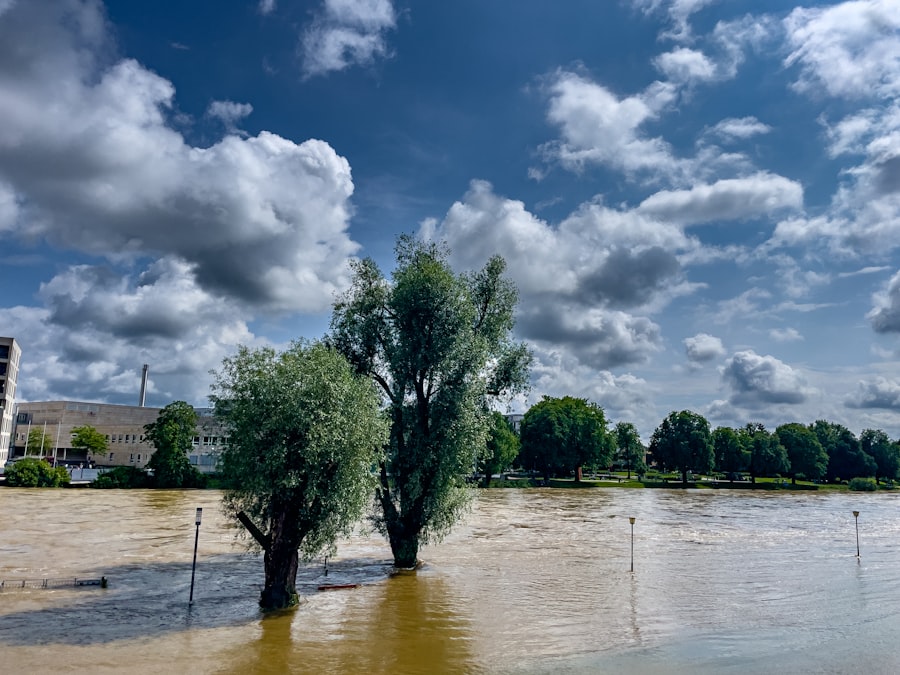
Beyond the literal and thematic interpretations, flood myths are rich in symbolism, offering layers of meaning that speak to fundamental aspects of the human psyche and our understanding of existence. The water itself, the ark, the survivors – all carry potent symbolic weight.
The Water as a Symbol of Purity and Transformation
Water is a powerful and multifaceted symbol. In flood myths, it simultaneously represents destruction and purification. The flood washes away impurities, both literal and metaphorical, making way for a fresh start. This transformative power of water is a recurring motif across many spiritual and psychological traditions.
Cleansing and Rebirth: A Symbolic Reset
The act of being submerged and then emerging symbolizes a profound spiritual and emotional reset. The old self, burdened by flaws or sins, is drowned, and the new self, cleansed and renewed, emerges from the waters. This mirrors processes of personal growth, healing, and spiritual awakening.
The Primordial Soup of Creation
Water is also associated with the primordial soup from which life itself is believed to have emerged. In this context, the flood can be seen not just as an ending, but as a return to a primal state, a chaotic void from which a new creation can arise. This connects the flood narrative to the very origins of life itself.
The Ark: Sanctuary and Collective Resilience
The ark, the vessel of salvation, is another potent symbol. It represents not just a means of physical survival, but also a microcosm of humanity and the natural world, tasked with preserving life and its diversity in the face of overwhelming adversity.
Preserving Life’s Diversity: A Miniature World
The ark’s role in carrying pairs of every living creature highlights the importance of biodiversity and the collective responsibility to safeguard all life. It is a testament to the value placed on the intricate web of existence and the understanding that the loss of even a single species diminishes the whole.
The Embodiment of Hope and Human Ingenuity
The construction of the ark, often with detailed instructions, speaks to human ingenuity, resourcefulness, and the unwavering will to survive. It is a symbol of hope, a testament to our ability to overcome seemingly insurmountable challenges through planning, collaboration, and a determination to rebuild.
Many cultures around the world share flood myths that may have been inspired by real historical events, such as significant flooding or natural disasters. These stories often serve as cautionary tales or explanations for the origins of humanity. For a deeper understanding of how these myths can be connected to real events, you might find it interesting to explore the article on Polynesian wayfinding, which discusses how ancient navigators interpreted their environment and the potential impact of natural phenomena on their stories. You can read more about this fascinating topic here.
The Enduring Legacy of the Great Deluge
| Myth | Real Event |
|---|---|
| The Great Flood in the Bible | Debate among scholars whether it was based on a real event or purely mythical |
| The Epic of Gilgamesh | Based on a historical flood that occurred in ancient Mesopotamia |
| The Story of Noah’s Ark | Some evidence suggests that a catastrophic flood may have inspired the myth |
Flood myths, far from being mere ancient bedtime stories, continue to resonate with contemporary audiences. Their themes of destruction, survival, renewal, and our relationship with the natural world remain remarkably relevant in an era marked by climate change, environmental anxieties, and a constant search for meaning.
Modern Relevance in a Changing World
The enduring power of flood myths lies in their ability to tap into universal human anxieties and aspirations. They offer frameworks for understanding cataclysmic events, the need for resilience, and the hope for a better future, even in the face of overwhelming challenges.
Climate Change and Echoes of the Past
In the face of rising sea levels, increasingly extreme weather events, and the very real threat of environmental collapse, flood myths take on a new and urgent relevance. They serve as potent reminders of humanity’s vulnerability to nature’s power and the profound consequences of environmental imbalance. The stories of past cataclysms can offer both a sobering warning and a source of inspiration for navigating the environmental challenges of our time.
The Search for Meaning and Resilience
Flood myths provide comfort and meaning by offering narratives of survival and renewal. They remind us that even after the most devastating events, humanity has the capacity to endure, rebuild, and learn. This message of resilience is crucial in a world that often feels uncertain and unpredictable. They speak to our innate drive to find hope and meaning in the face of hardship, a drive that has been a constant throughout human history.
In conclusion, the truth behind flood myths is not a singular revelation but a complex interplay of geological reality, cultural storytelling, and profound symbolic meaning. These ancient narratives, born from the waters that shaped our planet and the human desire to understand their own existence, continue to speak to us, offering timeless wisdom on morality, our place in nature, and the enduring power of hope in the face of overwhelming tides. They are a testament to our ancestors’ keen observation of the world around them and their innate ability to weave profound truths into stories that have transcended time and culture.

Could Humanity Remember a World That No Longer Exists?
FAQs
What are flood myths?
Flood myths are stories found in many cultures around the world that describe a great flood that destroys the earth and its inhabitants. These myths often include a hero figure who survives the flood and helps to repopulate the earth.
Were flood myths based on real events?
There is no scientific evidence to support the idea that flood myths were based on real, global flood events. However, some researchers believe that these myths may have been inspired by local or regional floods that were significant to the cultures that developed the myths.
What is the significance of flood myths?
Flood myths are significant because they provide insight into the beliefs, values, and experiences of the cultures that created them. They often serve as cautionary tales about the consequences of human behavior and the power of nature.
Are there any similarities between different flood myths?
Many flood myths share common elements, such as a deity or deities causing the flood, a hero figure who survives, and the use of a boat or ark to escape the flood. These similarities have led some researchers to speculate about potential connections between different cultures and their flood myths.
How do scientists explain the prevalence of flood myths in different cultures?
Some scientists believe that the prevalence of flood myths in different cultures may be due to the fact that floods are common natural disasters that have affected human societies throughout history. Additionally, the spread of flood myths may have been facilitated by cultural diffusion and the sharing of stories between different groups of people.