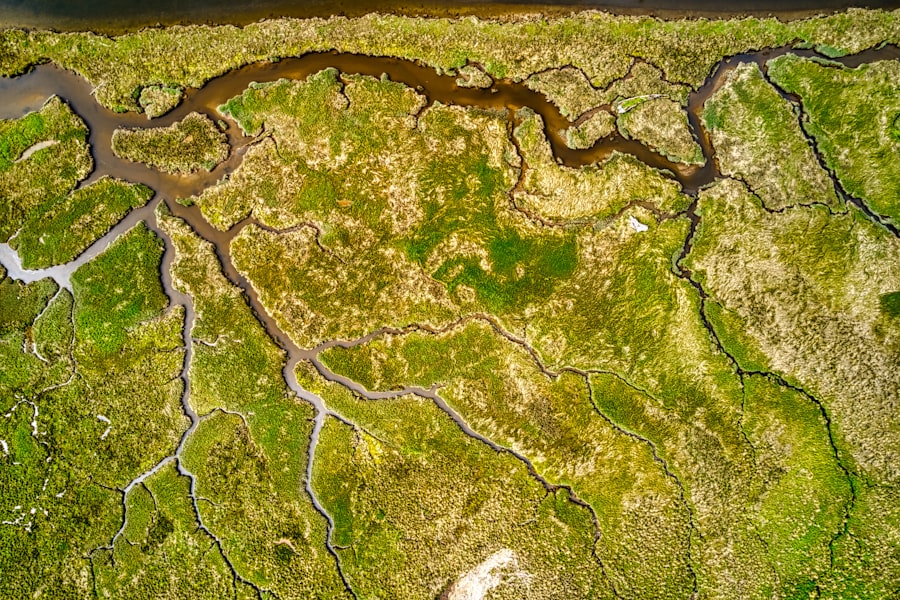
Braided rivers are fascinating geological formations characterized by multiple interwoven channels that split and rejoin, creating a complex network of waterways. These rivers typically form in environments where sediment supply is high, and the flow of water is variable. The process begins when a river carries a substantial load of sediment, often from glacial melt or heavy rainfall.
As the river flows, it encounters changes in gradient, which can lead to a decrease in velocity. This reduction allows sediment to settle, forming bars and islands within the riverbed. Over time, these features can grow and shift, causing the river to split into several smaller channels that weave around them, resulting in the distinctive braided appearance.
The dynamics of braided rivers are influenced by various factors, including the volume of water, sediment load, and the topography of the surrounding landscape. In regions with steep gradients, such as mountainous areas, rivers tend to be more turbulent and carry larger amounts of sediment. Conversely, in flatter terrains, the flow slows down, allowing for more sediment deposition.
Seasonal variations in water flow, such as those caused by snowmelt or heavy rains, further contribute to the formation and evolution of braided river systems. As these rivers continue to evolve, they create unique habitats and landscapes that are both beautiful and ecologically significant.
Key Takeaways
- Braided rivers are formed by the interplay of sediment, water flow, and channel dynamics, resulting in a network of interconnected channels.
- Historical accounts of braided rivers date back to ancient civilizations, with mentions in texts and artworks from various cultures around the world.
- Human interaction with braided rivers has led to changes in their natural flow and sediment dynamics, impacting the ecosystems and indigenous cultures that depend on them.
- Climate change is causing shifts in precipitation patterns and glacial melt, leading to changes in water flow and sediment transport in braided rivers.
- Braided rivers play a crucial role in supporting diverse ecosystems, providing habitats for various species and contributing to the overall health of the environment.
Historical Accounts of Braided Rivers
Throughout history, braided rivers have captured the imagination of explorers, scientists, and artists alike. Ancient civilizations often settled near these waterways due to their abundant resources and fertile floodplains. The historical accounts of braided rivers can be traced back to early human societies that relied on them for sustenance and transportation.
For instance, the braided channels of the Indus River in South Asia have been pivotal in shaping the agricultural practices of the region for millennia. Historical texts reveal how these rivers provided irrigation for crops and served as vital trade routes for goods and cultural exchange. In more recent history, explorers documented their encounters with braided rivers during expeditions into uncharted territories.
The writings of naturalists and geographers from the 18th and 19th centuries often included detailed observations of these unique river systems. Their accounts not only highlighted the physical characteristics of braided rivers but also emphasized their ecological importance. As scientific understanding evolved, researchers began to study the hydrology and geomorphology of braided rivers more systematically, leading to a greater appreciation for their complexity and significance in shaping landscapes.
Human Interaction with Braided Rivers
Human interaction with braided rivers has been multifaceted, encompassing both beneficial uses and detrimental impacts. Communities have historically relied on these rivers for various purposes, including agriculture, fishing, and transportation. The fertile floodplains adjacent to braided rivers have supported agricultural development for centuries, allowing civilizations to thrive.
Additionally, the diverse aquatic ecosystems found within these waterways have provided a rich source of fish and other resources for local populations. However, as human populations have grown and industrialization has accelerated, the relationship with braided rivers has become increasingly strained. Deforestation, urbanization, and agricultural expansion have led to significant alterations in river dynamics.
The construction of dams and levees has disrupted natural sediment transport processes, often resulting in increased erosion downstream and habitat loss for aquatic species. Furthermore, pollution from agricultural runoff and industrial waste has degraded water quality, posing risks to both human health and biodiversity. This complex interplay between human activity and braided river systems underscores the need for sustainable management practices that balance ecological integrity with human needs.
The Impact of Climate Change on Braided Rivers
| Metrics | Impact |
|---|---|
| Increased Flooding | More frequent and severe flooding events due to changes in precipitation patterns |
| Streambank Erosion | Higher stream velocities and increased sediment transport leading to erosion of river banks |
| Habitat Loss | Disruption of ecosystems and loss of habitat for aquatic and terrestrial species |
| Altered Sediment Transport | Changes in sediment load and distribution affecting river morphology and channel dynamics |
| Water Temperature Changes | Shifts in water temperature impacting aquatic life and ecosystem functioning |
Climate change poses significant challenges to braided river systems worldwide. As global temperatures rise, patterns of precipitation are becoming increasingly erratic, leading to altered hydrological cycles. In many regions, this results in more intense rainfall events followed by prolonged dry spells.
Such fluctuations can dramatically affect the flow regimes of braided rivers, leading to increased sediment transport during floods and reduced water availability during droughts. Moreover, glacial melt due to rising temperatures is contributing to changes in river dynamics in regions where glaciers feed braided rivers. As glaciers retreat, they initially increase river flow but eventually lead to reduced water supply as they diminish over time.
This shift can disrupt ecosystems that depend on consistent water levels and flow patterns. Additionally, changes in temperature can affect species composition within these ecosystems, as some aquatic organisms may struggle to adapt to new conditions while others may thrive. The implications of climate change on braided rivers are profound, necessitating urgent attention from scientists and policymakers alike.
The Role of Braided Rivers in Ecosystems
Braided rivers play a crucial role in supporting diverse ecosystems. The dynamic nature of these waterways creates a variety of habitats that are essential for numerous plant and animal species.
The constant movement of water also facilitates nutrient cycling, which is vital for maintaining healthy aquatic ecosystems. Furthermore, braided rivers serve as important corridors for wildlife movement. Many terrestrial species rely on these waterways for access to food sources and breeding grounds.
The riparian zones adjacent to braided rivers are often rich in biodiversity, supporting a wide range of flora and fauna that thrive in these unique environments. The ecological significance of braided rivers extends beyond their immediate surroundings; they contribute to regional biodiversity and help maintain ecological balance within larger landscapes.
The Importance of Braided Rivers in Indigenous Cultures
For many Indigenous cultures around the world, braided rivers hold profound cultural significance. These waterways are often viewed as sacred spaces that embody spiritual beliefs and traditional practices. Indigenous peoples have long recognized the importance of braided rivers as sources of sustenance, transportation routes, and cultural identity.
Their deep connection to these landscapes is reflected in oral histories, art, and rituals that celebrate the life-giving properties of water.
Fishing, hunting, and gathering activities are often centered around these waterways, providing essential resources for communities.
Traditional ecological knowledge passed down through generations emphasizes sustainable practices that honor the health of river systems. As modern challenges threaten these ecosystems, Indigenous voices are increasingly being recognized in conservation efforts aimed at protecting braided rivers and their surrounding environments.
The Evolution of Braided River Landscapes
The evolution of braided river landscapes is a dynamic process shaped by natural forces over time. As sediment is deposited and eroded within these systems, the morphology of the riverbed continually changes. This ongoing transformation creates a mosaic of habitats that can support diverse biological communities.
Over geological timescales, braided rivers can migrate across their floodplains, altering their courses and creating new channels as they respond to shifts in sediment supply and hydrology. Human activities have also played a significant role in shaping the evolution of braided river landscapes. Dams and levees can constrain natural processes, leading to altered sediment dynamics and changes in channel morphology.
In some cases, this has resulted in the loss of biodiversity as habitats are fragmented or destroyed. Conversely, restoration efforts aimed at reestablishing natural flow regimes can help revive braided river systems and promote ecological resilience. Understanding the factors that influence the evolution of these landscapes is essential for effective management and conservation strategies.
The Threats to Braided Rivers
Braided rivers face numerous threats that jeopardize their ecological integrity and sustainability. One of the most pressing issues is habitat degradation caused by human activities such as agriculture, urban development, and industrialization. These activities often lead to increased sedimentation or pollution that can disrupt aquatic ecosystems and diminish water quality.
Additionally, climate change poses a significant threat to braided river systems by altering hydrological patterns and increasing the frequency of extreme weather events. Flooding can lead to erosion and habitat loss while prolonged droughts can reduce water availability for both human use and ecological health. Invasive species also present a challenge by outcompeting native flora and fauna for resources within these delicate ecosystems.
Addressing these threats requires a comprehensive understanding of the interconnectedness between human activities and natural processes within braided river systems.
Conservation Efforts for Braided Rivers
Conservation efforts aimed at protecting braided rivers are increasingly recognized as essential for maintaining biodiversity and ecosystem health. Various organizations and governmental agencies are working collaboratively to implement strategies that promote sustainable management practices while restoring degraded habitats. These efforts often involve community engagement to ensure that local stakeholders are involved in decision-making processes.
Restoration projects may include reestablishing natural flow regimes by removing dams or modifying existing infrastructure to allow for more natural sediment transport. Additionally, initiatives focused on reducing pollution from agricultural runoff or industrial discharges are critical for improving water quality within braided river systems. Education programs aimed at raising awareness about the ecological importance of these waterways can also foster a sense of stewardship among local communities.
The Future of Braided Rivers
The future of braided rivers hinges on a combination of effective management practices and adaptive strategies in response to ongoing environmental changes. As climate change continues to impact hydrological cycles globally, it will be crucial for scientists and policymakers to monitor these systems closely and develop proactive measures to mitigate potential threats. Innovative approaches such as integrated watershed management can help balance human needs with ecological health by considering the entire landscape rather than isolated segments of river systems.
Furthermore, fostering collaboration between Indigenous communities and conservation organizations can lead to more culturally relevant strategies that honor traditional knowledge while promoting sustainable practices.
The Significance of Braided Rivers in Geology
From a geological perspective, braided rivers offer valuable insights into sedimentary processes and landscape evolution over time. The study of these river systems provides researchers with information about past climatic conditions based on sediment deposition patterns found within their beds. By analyzing sediment cores from braided river environments, scientists can reconstruct historical climate events and understand how they influenced landscape development.
Moreover, braided rivers serve as natural laboratories for studying geomorphological processes such as erosion, sediment transport, and channel formation. Understanding these processes is essential not only for predicting future changes within river systems but also for informing effective management strategies aimed at preserving their ecological integrity. The significance of braided rivers extends beyond their immediate environments; they contribute to our understanding of Earth’s geological history and ongoing environmental changes.
The concept of braided river history is fascinating as it illustrates the dynamic interplay between geological processes and environmental changes over time. For a deeper understanding of how these rivers shape landscapes and ecosystems, you can explore the article on the topic at this link. This resource provides valuable insights into the formation and evolution of braided river systems, highlighting their significance in both natural and human contexts.
WATCH THIS! Why 99% of History Is Wrong (The Ooparts That Prove It)
FAQs
What is the braided river history concept?
The braided river history concept refers to the study of the formation, evolution, and ecological significance of braided rivers over time. It encompasses the geological, ecological, and cultural aspects of these dynamic river systems.
What are braided rivers?
Braided rivers are characterized by a network of interconnected channels that split and rejoin multiple times, creating a braided pattern. They are typically found in areas with high sediment loads and variable flow rates, such as glacial and mountainous regions.
Why are braided rivers important in history and ecology?
Braided rivers play a crucial role in shaping landscapes, providing habitats for diverse plant and animal species, and influencing human settlement and cultural development. They also serve as important corridors for sediment and nutrient transport in river ecosystems.
How does the braided river history concept contribute to our understanding of river systems?
Studying the history of braided rivers helps scientists and researchers understand the complex interactions between geological processes, ecological dynamics, and human activities. It provides insights into the long-term changes and resilience of river systems in response to natural and anthropogenic influences.
What are some examples of braided rivers with significant historical and ecological importance?
Examples of braided rivers with notable historical and ecological significance include the Brahmaputra River in India and Bangladesh, the Waimakariri River in New Zealand, and the Platte River in the United States. These rivers have shaped landscapes, supported diverse ecosystems, and influenced human societies for centuries.