The Green Sahara: A Lost Paradise Resurfaces
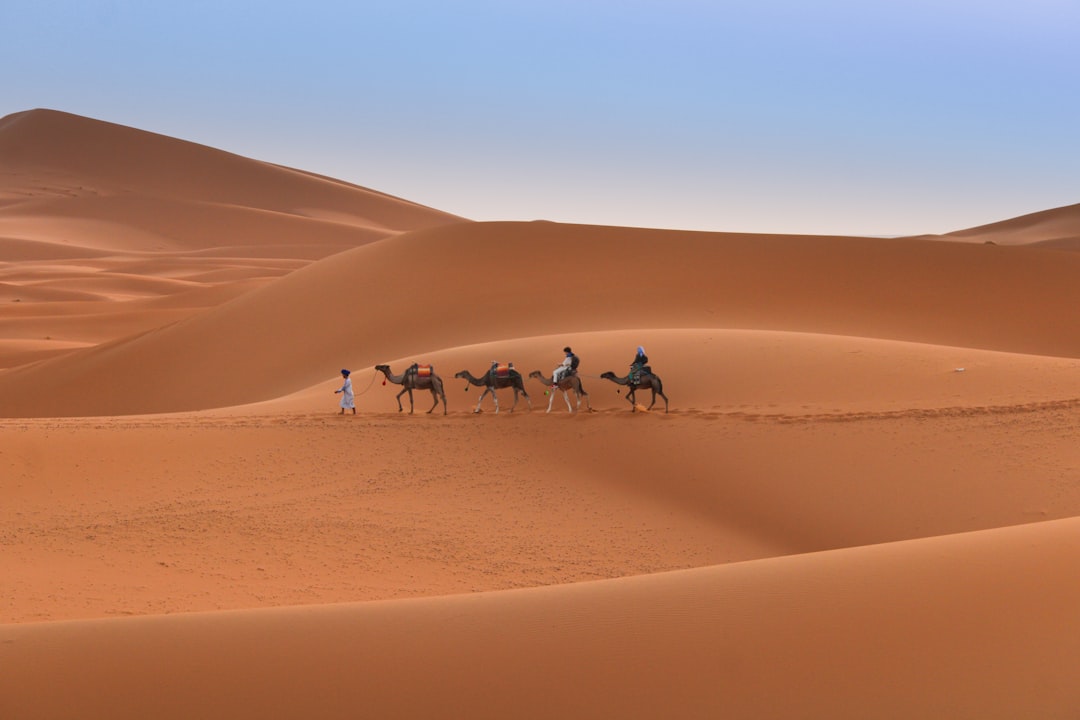
For millennia, the Sahara Desert has been an emblem of aridity, a vast expanse of sand and rock synonymous with harsh landscapes and unforgiving extremes. Its name, derived from the Arabic “ṣaḥrāʾ” meaning “desert,” evokes images of sun-baked dunes and scarce resources. Yet, beneath this seemingly immutable facade lies a history far more verdant and vibrant than commonly perceived. Scientific discoveries, from paleoclimatology to archaeology, are increasingly painting a picture of a “Green Sahara” – a period when this immense region teemed with life, hosting flourishing ecosystems, abundant water, and even human civilizations that thrived in a landscape we now deem inhospitable. This resurfacing of a lost paradise offers profound insights into Earth’s dynamic climate systems and the remarkable resilience and adaptability of life.
The Sahara as we know it today is a relatively recent phenomenon in Earth’s history. For vast stretches of geological time, its climate has undergone dramatic transformations, largely driven by cyclical shifts in Earth’s orbit, known as Milankovitch cycles. These cycles influence the intensity and distribution of solar radiation reaching Earth, impacting global temperature and precipitation patterns. During specific periods within these cycles, the Earth’s axial tilt and orbital eccentricity have conspired to bring more moisture to the Sahara, transforming it into a savanna-like environment.
The African Humid Period: A Symphony of Water and Life
The most significant period of this verdant transformation is known as the African Humid Period, or the “Green Sahara” phase. This era, which spanned roughly from 11,000 to 5,000 years ago, following the last glacial maximum, saw monsoon systems extend much further north than they do today. The Intertropical Convergence Zone (ITCZ), a band of low pressure and thunderstorm activity near the equator, shifted northward, bringing sustained rainfall to the Sahara. This influx of moisture was not just a fleeting event; it was a prolonged period of significantly higher precipitation, creating a dramatically different landscape.
Lakes and Rivers: The Lifeblood of a Verdant Sahara
During the African Humid Period, the Sahara was crisscrossed by rivers and dotted with numerous lakes, some of which were vast inland seas. Satellite imagery and ground-penetrating radar have revealed ancient riverbeds and lake basins, evidence of a once-hydrated landscape. These bodies of water were crucial for sustaining both flora and fauna. Large freshwater lakes, such as paleolake Mega-Chad, supported diverse aquatic ecosystems and provided vital watering holes for terrestrial life. Rivers, flowing from more humid regions to the south and even from the Atlas Mountains, acted as arteries, transporting water and nutrients across the nascent desert.
Flora and Fauna in Abundance: A Serengeti of the Past
The presence of ample water fueled a rich and diverse ecosystem. Unlike the currently sparse vegetation, the Green Sahara was characterized by grasslands, savannas, and even woodlands. Acacia trees, grasses, and other drought-resistant but still water-dependent plants formed the base of a thriving food web. This lush vegetation, in turn, supported a wide array of animal life. Herds of wild cattle, antelopes, and other herbivores roamed the plains, attracting predators like lions and hyenas. Hippopotamuses and crocodiles inhabited the lakes and rivers, while numerous bird species filled the air. The iconography found in rock art across the Sahara often depicts this abundant wildlife, providing a visual testament to a past teeming with life.
The transformation of the Green Sahara into the arid desert we see today has intrigued researchers and historians alike, as it sheds light on the impacts of climate change on ancient civilizations. A related article that explores the resilience of communities during periods of drought and their adaptation strategies can be found at this link: Surviving Drought: Life in Ancient Cities. This article delves into how ancient societies navigated the challenges posed by changing climates, offering valuable insights into the lessons we can learn from their experiences.
Echoes of Humanity: Civilization in the Green Sahara
The transformation of the Sahara from desert to grassland was not merely an ecological event; it was a catalyst for human migration and the development of cultures. For millennia, human populations flourished in this more hospitable environment, adapting to its resources and leaving behind tangible evidence of their presence.
Early Human Habitation: Nomads and Settlers
As the glaciers receded and the climate warmed, early humans began to explore and settle in the Sahara. Archaeological sites reveal evidence of hunter-gatherer societies that exploited the abundant natural resources. These groups would have followed migratory animal herds, fished in the lakes, and gathered wild plants. As the climate remained stable and fertile for extended periods, some communities began to adopt more settled lifestyles, establishing villages and developing rudimentary agricultural practices.
The Rock Art of the Sahara: A Window into Ancestral Lives
Perhaps the most evocative evidence of human activity in the Green Sahara comes in the form of its spectacular rock art. Thousands of rock art sites, scattered across the vastness of the Sahara, particularly in regions like the Tassili n’Ajjer in Algeria and the Acacus Mountains in Libya, offer a vivid narrative of past life. These engravings and paintings, some dating back over 10,000 years, depict not only a rich diversity of animals but also scenes of human activities. From hunting and fishing expeditions to ceremonies and daily life, the rock art provides an invaluable glimpse into the cultures, beliefs, and environments of the people who once inhabited this now-arid land.
Scenes of Abundance: Illustrating a Flourishing Past
The rock art frequently portrays landscapes that are starkly different from the present-day Sahara. Images of giraffes, elephants, hippos, and crocodiles, animals that are now absent from the region, are common. Scenes of cattle herding and agricultural practices suggest a transition towards more sedentary and organized societies. The presence of sophisticated tools, musical instruments, and even representations of human figures in what appear to be ritualistic settings, highlight the complexity and richness of these ancient cultures.
The Mystery of Their Disappearance: Climate Change and Cultural Shifts
The eventual return of aridity to the Sahara marked a profound turning point for its human inhabitants. As the climate dried, the lakes and rivers began to shrink, and the grasslands gave way to scrub and eventually to desert. This climatic shift forced human populations to adapt, migrate, or perish. Some groups likely transitioned to more nomadic lifestyles, following dwindling water sources and adapting to a more challenging environment. Others may have migrated south, towards the savannas and forests, or north, towards the Mediterranean coast. The decline of these flourishing societies and the subsequent desertification of the Sahara remain a subject of intense study, offering lessons about the profound impact of climate change on human civilization.
Modern Discoveries: Piecing Together the Green Sahara
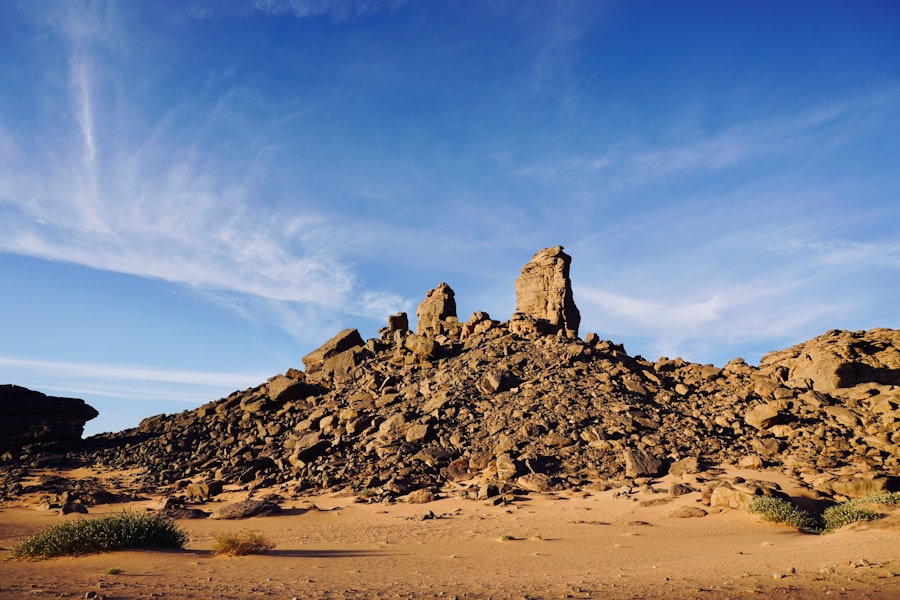
The concept of a Green Sahara was once largely speculative, pieced together from folklore and limited geological evidence. However, advances in scientific techniques and technologies have allowed for a much more detailed and accurate reconstruction of this lost paradise.
Paleobotanical and Zooarchaeological Evidence: The Remains of a Greener World
The study of pollen and plant macrofossils preserved in ancient sediments provides direct evidence of the types of vegetation that once thrived in the Sahara. Similarly, zooarchaeological analysis of animal remains found at archaeological sites reveals the species that were present. By analyzing these remnants, scientists can reconstruct past flora and fauna, painting a picture of the ecological conditions that supported them. For instance, the discovery of fossilized reeds and water plants in ancient lakebeds confirms the presence of significant bodies of water.
Analyzing Sediments: A Chronological Record
Sedimentary cores, extracted from ancient lakebeds and river systems, act as a chronological record of past environmental conditions. These layers of sediment contain pollen, organic matter, and mineral deposits that can be analyzed to determine past climate, vegetation, and water availability. Techniques like radiocarbon dating are crucial for establishing the timeline of these climatic shifts, allowing scientists to map the duration and intensity of the Green Sahara periods.
Fossil Discoveries: Unearthing Past Biodiversity
The discovery of fossilized remains of animals, such as ancient elephant tusks or crocodile teeth, further supports the idea of a once-lush Sahara. These fossils are often found in areas that are now characterized by extreme aridity, providing compelling evidence of a dramatically different past environment.
Remote Sensing and Geospatial Technologies: Mapping the Lost Landscapes
Modern technologies, particularly remote sensing and geospatial analysis, have revolutionized our understanding of the Green Sahara. Satellite imagery, combined with geographic information systems (GIS), allows scientists to identify and map ancient hydrological features, such as dry riverbeds, paleolake shorelines, and even evidence of ancient agricultural terraces, that are no longer visible on the surface.
Satellite Imagery and Radar: Revealing Hidden Structures
High-resolution satellite imagery can detect subtle variations in land surface that indicate past geological and hydrological features. Ground-penetrating radar (GPR) can penetrate the sand and soil to map subsurface structures, revealing buried ancient river channels and settlement sites. These technologies are instrumental in identifying potential areas for further archaeological investigation.
Paleohydrological Modeling: Reconstructing Water Flow
By integrating geological data, climate models, and remote sensing information, scientists can create paleohydrological models to reconstruct how water flowed across the Sahara during humid periods. These models help to understand the origins of the water, the extent of the river systems, and the size and duration of the ancient lakes, providing a dynamic understanding of the past environment.
Implications of the Green Sahara: Lessons for the Present and Future
The scientific study of the Green Sahara is not merely an academic exercise; it holds profound implications for our understanding of climate change, human resilience, and the planet’s capacity for transformation.
Understanding Climate Dynamics: The Sahara as a Climate Indicator
The Sahara’s dramatic shifts between arid and humid states serve as a powerful case study for understanding the sensitivity of Earth’s climate systems. The region’s responsiveness to orbital forcings and changes in monsoon patterns highlights how seemingly stable environments can undergo rapid and significant transformations. Studying the mechanisms behind these past shifts can help improve our climate models and better predict future climate scenarios.
Monsoon Systems and Their Sensitivity
The Green Sahara is intrinsically linked to the behavior of the African monsoon. Understanding how these monsoon systems have shifted in the past, and what factors influence their strength and extent, is crucial for predicting future rainfall patterns, particularly in regions that are heavily reliant on monsoonal precipitation.
Orbital Cycles and Long-Term Climate Change
The recurring nature of the Green Sahara over long geological timescales underscores the predictable influence of Earth’s orbital cycles on climate. While current climate change is driven by anthropogenic factors, understanding these natural cycles provides a baseline for distinguishing natural variability from human-induced warming.
Human Adaptation and Resilience: Lessons from Ancestors
The human populations that thrived in the Green Sahara demonstrate remarkable adaptability and resilience in the face of environmental change. Their ability to harness water resources, develop agricultural practices, and create complex societies in a once-bountiful environment offers valuable lessons for contemporary humanity as it grapples with climate change and resource scarcity.
Societal Collapse and Migration in Response to Aridity
The eventual desertification of the Sahara led to the decline and dispersal of many of its human inhabitants. Studying the specific challenges and strategies employed by these societies during their decline can provide insights into how human populations might respond to accelerating environmental degradation. This includes understanding patterns of migration, the breakdown of social structures, and the development of new survival strategies.
The Importance of Water Management and Sustainable Practices
The success of human civilizations in the Green Sahara was intimately tied to their ability to manage and utilize water resources effectively. Their practices, though perhaps less sophisticated than modern technology, likely involved a deep understanding of local hydrology and a commitment to sustainable resource use. This serves as a reminder that with careful planning and respect for the environment, even challenging landscapes can support human life.
The transformation of the Sahara from a lush, green landscape to the arid desert we know today is a fascinating topic that intertwines with various aspects of climate history. Researchers have been delving into ancient maps and geological evidence to uncover the climatic shifts that led to this dramatic change. For instance, an insightful article discusses how the Piri Reis map offers clues about glacial history and its impact on our understanding of past environments. You can read more about this intriguing connection in the article found here.
The Future of the Sahara: Glimmers of Hope and the Shadow of Change
“`html
| Event | Time Period | Impact |
|---|---|---|
| Desertification of the Sahara | 5000-3000 BC | Shift from a green, fertile region to a desert |
| Climate Change | 3000-1000 BC | Decrease in rainfall and increase in arid conditions |
| Migration of populations | 3000-1000 BC | Movement of people to more habitable areas |
“`
While the Green Sahara represents a historical period, the scientific understanding of its past offers a forward-looking perspective on the Sahara’s potential future and the urgent need to address contemporary climate change.
The Potential for Greening in the Future: A Speculative Outlook
Some scientific projections suggest that under certain future climate scenarios, the Sahara could potentially re-green. This might occur through long-term natural cycles, or it could be influenced by large-scale geoengineering projects. However, such possibilities are speculative and come with significant uncertainties and potential unintended consequences.
Climate Models and Future Scenarios
Advanced climate models can simulate future climate conditions for the Sahara based on different emission scenarios. These models can indicate shifts in precipitation patterns and temperature, offering a glimpse into the possibility of localized or regional greening events in the distant future.
Geoengineering and Large-Scale Intervention: Promises and Perils
The idea of actively re-greening the Sahara, perhaps through massive afforestation projects or managed water diversion, has been explored. While such ambitious undertakings could theoretically transform parts of the desert, they raise significant ethical, economic, and environmental questions that require careful consideration.
The Urgent Reality of Current Desertification and Climate Change
In stark contrast to the historical Green Sahara, the contemporary Sahara is experiencing accelerating desertification, exacerbated by climate change and human activities. The current trend is one of increasing aridity, soil degradation, and water scarcity, posing significant challenges for human populations in and around the region.
Human Impact and Land Degradation
Overgrazing, deforestation for fuel, and unsustainable agricultural practices contribute significantly to the degradation of existing vegetation and soil in the Sahelian belt, the transitional zone south of the Sahara, and even within the desert fringes. This exacerbates the natural desertification process.
The Global Imperative of Climate Action
The lessons of the Green Sahara underscore the profound impact of climate on landscapes and human societies. As the world grapples with the immediate and escalating crisis of climate change, the story of the Green Sahara serves as a powerful reminder of Earth’s dynamic nature and the critical importance of concerted global action to mitigate greenhouse gas emissions and protect vulnerable ecosystems from further degradation. The vision of a lost paradise resurfacing is a testament to the planet’s capacity for change, but it is the present and future actions taken today that will determine the fate of our planet’s diverse environments.

The Ancient World Buried Beneath the Sahara
FAQs
What is the Green Sahara?
The Green Sahara refers to a period in the Earth’s history, approximately 5,000 to 11,000 years ago, when the Sahara Desert was a much greener and more hospitable environment, with lakes, rivers, and vegetation.
What caused the Green Sahara to disappear?
The disappearance of the Green Sahara is primarily attributed to changes in the Earth’s orbit and axial tilt, which led to shifts in the monsoon patterns and the retreat of the African Humid Period. This resulted in the gradual desertification of the Sahara region.
What evidence supports the existence of the Green Sahara?
Evidence of the Green Sahara includes geological and archaeological findings, such as ancient lakebeds, fossilized plant and animal remains, and rock art depicting a more lush environment. Additionally, studies of sediment cores and pollen records provide further evidence of a wetter climate in the region.
How did the Green Sahara impact human populations?
The Green Sahara provided favorable conditions for human habitation and allowed for the development of early human societies and cultures. It is believed that the more hospitable environment supported larger populations and facilitated the spread of human migration and trade routes.
What can the study of the Green Sahara teach us about climate change?
Studying the Green Sahara can provide valuable insights into the complex interactions between climate, environment, and human societies. It can also help us understand the potential impacts of future climate change on regions that are currently experiencing similar shifts in precipitation patterns.