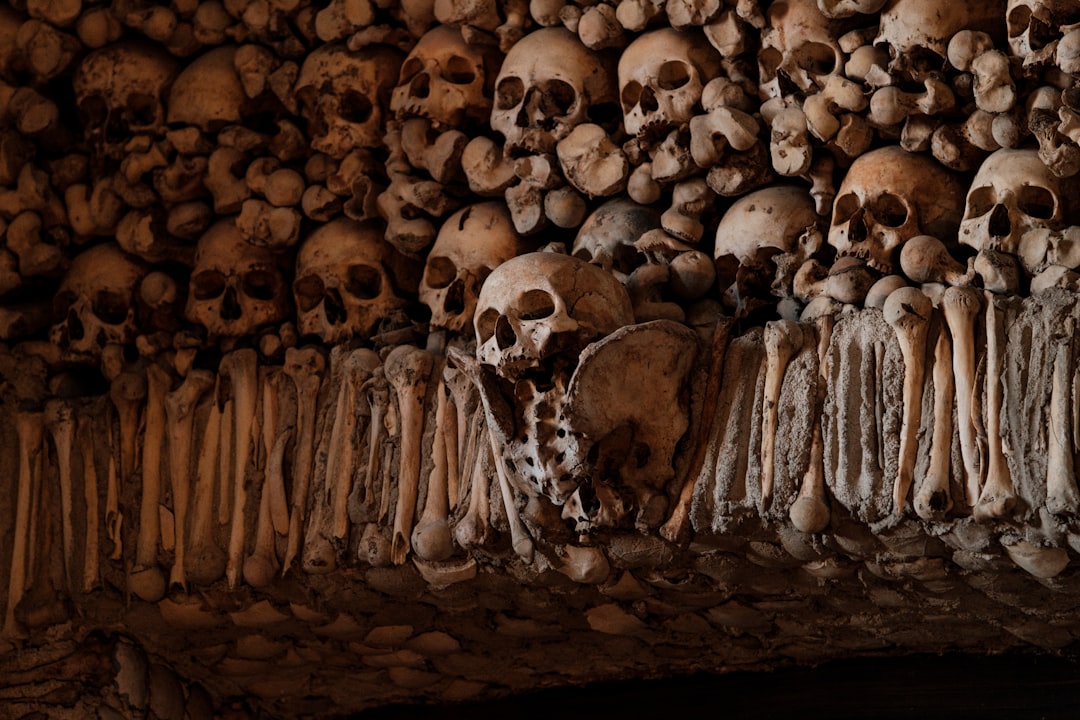
The tapestry of human history, woven with triumphs, tragedies, and the quiet accumulation of knowledge, is far from complete. Whispers of lost civilizations, forgotten technologies, and suppressed narratives persist, hinting at voids in our understanding, vast chasms where crucial chapters of our collective journey once resided. These are “The Lost Chapters of Human History,” a concept that ignites the imagination and compels us to question the completeness of our current chronicles.
The earth beneath our feet, the vast oceans that cradle continents, and the very air we breathe hold secrets that predates our documented past. Archaeologists and historians continually unearth remnants of societies we never knew existed, forcing us to redraw the timelines and expand the scope of human ingenuity. These discoveries are not mere footnotes; they are potential paradigm shifts, challenging established theories and unveiling entirely new chapters in the human story.
The Enigma of Prehistoric Megalithic Structures
Across the globe, from the windswept plains of Salisbury to the submerged ruins off the coast of Japan, colossal stone structures stand as silent testaments to forgotten peoples. The sheer scale and precision of these constructions, like Stonehenge and Yonaguni Monument, often defy easy explanation. How were these monumental stones quarried, transported, and erected with seemingly primitive tools? Who were the architects of these enduring mysteries, and what was their purpose? While theories abound, from astronomical observatories to sacred ritual sites, the full significance and the societal structures that enabled their construction remain shrouded in the mists of time. The lost chapters here lie not just in the purpose of these structures, but in understanding the complex social organization, engineering prowess, and belief systems of the cultures that created them. It is entirely possible that these were the centers of advanced societies whose other achievements have long since crumbled to dust.
Submerged Worlds: Civilizations Beneath the Waves
The relentless encroachment of the sea has claimed not only coastlines but entire settlements and possibly even sophisticated civilizations. Underwater archaeology has revealed tantalizing glimpses of submerged cities, such as the legend of Atlantis, and more tangible evidence of settlements lost to rising sea levels or catastrophic geological events. The discovery of underwater structures, artifacts, and even fossilized remains offers irrefutable proof of human habitation in areas now inaccessible. These drowned worlds represent significant untold stories, depicting how humans adapted to shifting environments, developed maritime technologies, and perhaps even interacted with coastal cultures that have left no discernible trace on land. The lost chapters are the lives, the knowledge, and the societal structures of these people, forever preserved in a watery archive, waiting for further exploration and interpretation. The vastness of the ocean floor means that many more such sites likely remain undiscovered, holding secrets of human resilience and ingenuity against the forces of nature.
The Unseen Empires of the Amazon and Other Dense Jungles
The dense, verdant embrace of the world’s great rainforests, particularly the Amazon, has long acted as a formidable barrier to extensive archaeological exploration. Yet, recent advancements in remote sensing technology, such as LiDAR, are beginning to peel back the canopy to reveal sophisticated earthworks, ancient settlements, and extensive agricultural systems that challenge the notion of these regions as pristine wildernesses untouched by large-scale human habitation. These are not the nomadic tribes of popular imagination, but the remnants of complex societies that managed their environment sustainably and developed intricate social structures. The lost chapters here are the narratives of these vibrant Amazonian civilizations, their agricultural innovations, their governance, and their unique relationship with one of the planet’s most biodiverse ecosystems. Their success in thriving in such a challenging environment suggests a deep understanding of ecological principles that could offer invaluable lessons for our present and future.
In exploring the forgotten chapters of human history, one intriguing aspect is the impact of ancient environmental changes on civilizations. A related article delves into the archaeological evidence of ancient droughts and their profound effects on societies. This exploration sheds light on how climate fluctuations shaped human development and migration patterns. For more insights, you can read the article here: Unearthing Ancient Droughts: Archaeological Evidence.
The Shadows of Forgotten Technologies
Across the ages, humanity has demonstrated an astonishing capacity for innovation. However, the historical record often preserves only the dominant narratives of technological advancement, leaving little room for the stories of revolutionary ideas or entire branches of knowledge that were either suppressed, lost, or simply failed to gain widespread traction. These forgotten technologies represent a significant loss, not only in terms of potential progress but also in our understanding of the inventive spirit inherent in humanity.
The Alchemical Pursuit of Knowledge: More Than Just Gold?
Alchemy, often dismissed as a pseudoscience focused solely on transmuting base metals into gold, was in reality a complex proto-scientific discipline that encompassed chemistry, metallurgy, medicine, and philosophy. The alchemists were pioneers in early forms of distillation, crystallization, and experimentation. Their extensive writings, filled with cryptic symbolism and allegorical language, are poorly understood by modern interpretations. The lost chapters here lie in deciphering their true discoveries, understanding their experimental methodologies, and recognizing the potential breakthroughs in early chemistry and pharmacology that may have been obscured by their esoteric language. It’s possible that the alchemical pursuit yielded practical advancements that were either lost due to persecution or simply misinterpreted as fanciful.
Ancient Engineering Marvels: Beyond Conventional Understanding
Beyond the obvious marvels of Egypt and Rome, there are whispers of ancient engineering feats that stretch the boundaries of our current comprehension. Accounts of advanced astronomical devices, complex hydraulic systems, and even seemingly impossible construction methods are found in ancient texts and oral traditions. The Antikythera mechanism, an ancient analog computer, is a prime example of a technology far ahead of its time. Yet, many such artifacts or descriptions remain unexplained. The lost chapters are the detailed blueprints, the scientific principles, and the skilled labor that underpinned these remarkable achievements. They represent a continuity of engineering knowledge that might have been passed down through generations and then abruptly severed, leaving us to marvel at the results without understanding the processes. The potential for reclaiming this lost knowledge could redefine our understanding of ancient capabilities.
Lost Agricultural and Medical Practices: Nature’s Pharmacy and the Earth’s Bounty
For millennia, human societies relied on deep empirical knowledge of plants, animals, and natural processes for sustenance and healing. Indigenous cultures, in particular, possess vast libraries of unwritten knowledge regarding medicinal plants, sustainable agriculture, and ecological management. However, the encroachment of industrialization and the erosion of traditional ways of life have led to the rapid extinction of this invaluable knowledge. The lost chapters here are the specific formulations of herbal remedies, the techniques for cultivating diverse and resilient crops, and the intricate understanding of local ecosystems that allowed ancient peoples to thrive. This knowledge is not merely historical curiosity; it holds immense potential for addressing modern challenges in healthcare and sustainable food production. The loss of these practices is a direct loss of practical solutions that have been time-tested over centuries.
Suppressed Narratives and Silenced Voices

History, as it is often written, is the story of the victors, the powerful, and the dominant ideologies. The voices of the marginalized, the defeated, and those who challenged the status quo are frequently silenced, omitted, or actively erased from the historical record. These suppressed narratives represent a significant distortion of our collective past, obscuring the full complexity of human experience and hindering a truly inclusive understanding of our journey.
The Heretical Texts: Knowledge Deemed Dangerous
Throughout history, religious and political authorities have actively suppressed texts and ideas that challenged their dogma or power structures. The burning of libraries, the persecution of scholars, and the deliberate destruction of heretical texts have resulted in the irretrievable loss of vast amounts of knowledge. These suppressed works could contain alternative interpretations of history, scientific discoveries deemed incompatible with prevailing beliefs, or philosophical insights that were considered dangerous. The lost chapters are the minds and ideas that were deemed too threatening to exist, leaving a void in the intellectual and cultural landscape. The Council of Nicaea, the Index Librorum Prohibitorum, and countless other instances of censorship highlight the deliberate erasure of dissenting thought.
The Untold Stories of Revolutions and Rebellions
While major revolutions are often documented, the nuanced experiences of individuals and communities involved in broader movements of dissent and rebellion are frequently overlooked. The perspectives of the common people, the unsung heroes, and the strategic insights of those who fought against oppressive regimes are often lost in the grand narrative. These lost chapters would reveal the true social fabric of these transformations, the sacrifices made, and the diverse motivations that fueled resistance. Many local uprisings and minor rebellions, though suppressed, offer crucial insights into the socio-political dynamics of their time and contribute to a more comprehensive understanding of societal change. The true impact of social movements often lies in the collective, unspoken will of the masses, which is rarely captured by official histories.
The Colonial Erasure of Indigenous Histories
The colonization of vast territories across the globe resulted in not only the subjugation of indigenous populations but also the deliberate erasure and denigration of their histories, cultures, and languages. Colonial powers often imposed their own narratives, dismissing or outright destroying the records and oral traditions of the colonized peoples. The lost chapters here are the rich tapestry of indigenous knowledge systems, their unique forms of governance, their spiritual beliefs, and their accounts of their own past. The re-discovery and re-contextualization of these histories are crucial for a more accurate and equitable understanding of our shared human story. The oral traditions, often dismissed by colonial powers as unreliable, represent a powerful and unbroken lineage of historical record-keeping for many indigenous societies.
The Elusive Nature of Knowledge Transmission
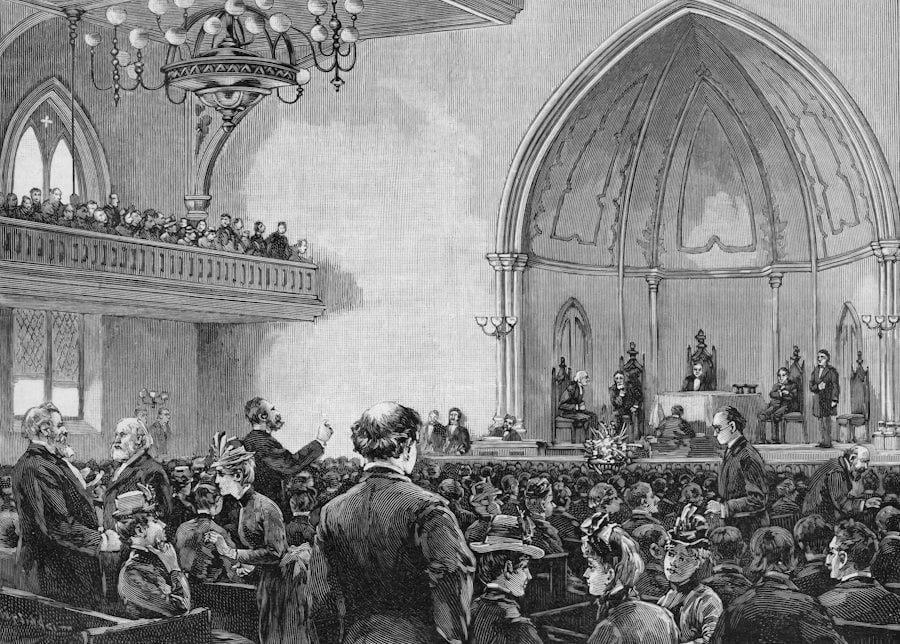
The very act of transmitting knowledge across generations is fraught with peril. Languages evolve, cultures shift, and the passage of time can erode even the most carefully preserved information. The loss of knowledge is not always the result of deliberate suppression; it can also be a consequence of simple attrition, neglect, or catastrophic events that interrupt the chain of transmission.
The Vanishing Languages: A Library of Lost Thought
Language is not merely a tool for communication; it is a repository of culture, a framework for thought, and a unique lens through which to perceive the world. The alarming rate at which languages are disappearing each year represents an unimaginable loss of human knowledge. Each extinct language signifies the disappearance of unique ways of thinking, understanding, and interacting with the environment. The lost chapters are the nuanced expressions of a culture, the specific vocabulary that describes a particular flora or fauna, the grammatical structures that shape unique forms of logic, and the oral traditions that transmit millennia of wisdom. Linguists estimate that the majority of languages spoken today will be extinct by the end of this century, taking with them irreplaceable cultural heritage.
The Oral Traditions: The Fading Echoes of Ancestral Wisdom
Long before the advent of written records, humanity relied on the power of oral tradition to preserve and transmit knowledge, history, and cultural values. These vibrant narratives, passed down through generations via storytelling, song, and ritual, are incredibly rich and detailed. However, as societies modernize and traditional lifestyles fade, the continuity of these oral traditions is threatened. The lost chapters here are the epic tales, the detailed genealogies, the practical skills, and the ethical teachings that have sustained cultures for millennia. The decline of these traditions represents a significant loss of accumulated human experience and societal wisdom. The intricate mnemonic devices and narrative structures employed in oral traditions often represent sophisticated forms of information storage and retrieval.
The Great Libraries and Lost Archives: Burnt Books and Scattered Scrolls
Throughout history, great libraries have served as monumental repositories of human knowledge. The destruction of these libraries, through war, natural disaster, or neglect, has led to the irreversible loss of countless texts and invaluable insights. The Library of Alexandria, though perhaps less extensive than often portrayed, is a potent symbol of this tragedy. Beyond famous examples, countless smaller archives and personal collections have vanished, taking with them their unique contributions to human understanding. The lost chapters are contained within those countless burnt scrolls, those disintegrated parchments, those scattered fragments of wisdom that might have illuminated our past and guided our future. The digital age offers a new paradigm for preservation, but the fragility of analog records remains a stark reminder of knowledge’s vulnerability.
Throughout history, many fascinating stories have been lost to time, leaving us with only fragments of what once was. One such intriguing tale can be found in the exploration of ancient city ruins, which often reveal forgotten chapters of human civilization. For a deeper dive into this captivating subject, you can read about the mysteries surrounding these remnants in this article on exploring the forbidden room of history. These discoveries not only shed light on our past but also challenge our understanding of the societies that came before us.
The Ongoing Quest for the Missing Pieces
| Topic | Details |
|---|---|
| Ancient Civilizations | Explore the lesser-known cultures and societies that existed before recorded history. |
| Lost Technologies | Discover the advancements in science and engineering that have been forgotten over time. |
| Unsolved Mysteries | Investigate the enigmatic events and phenomena that still puzzle historians and scientists. |
| Hidden Artifacts | Learn about the ancient relics and artifacts that shed light on forgotten chapters of human history. |
The concept of “The Lost Chapters of Human History” is not a call for despair, but an impetus for continued exploration, critical inquiry, and a deeper appreciation for the complexities of our past. It is a reminder that our current understanding is a work in progress, constantly being refined and expanded by new discoveries and a willingness to challenge established narratives. The pursuit of these lost chapters is an essential part of our ongoing quest to understand who we are and how we arrived at this present moment.
The Role of Modern Science in Unearthing the Past
Advancements in scientific disciplines such as archaeology, genetics, linguistics, and remote sensing are proving to be invaluable tools in uncovering lost chapters. DNA analysis can trace migrations and interconnections between ancient populations, while sophisticated imaging techniques can reveal hidden structures and artifacts without disturbing delicate sites. Linguistics can help decipher ancient scripts and understand the evolution of languages, while satellite imagery and aerial surveys can identify previously unknown settlements and landscapes. These scientific endeavors are not just about finding artifacts; they are about piecing together fragmented narratives and breathing life back into forgotten peoples and their achievements. The scientific method provides a rigorous framework for evaluating evidence and constructing plausible interpretations of past events.
The Importance of Interdisciplinary Collaboration
Unlocking the mysteries of lost chapters often requires an interdisciplinary approach. Historians, archaeologists, anthropologists, linguists, scientists, and even artists can bring unique perspectives and methodologies to the table. The interpretation of ancient texts might require linguistic expertise, while the understanding of ancient technology necessitates collaboration with engineers. Similarly, understanding the cultural context of artifacts demands anthropological insight. This collaborative spirit is essential for synthesizing disparate pieces of evidence and constructing a more holistic and nuanced understanding of our past. The greatest breakthroughs often occur at the intersection of different fields of study.
Embracing the Unknown and the Promise of Future Discoveries
Ultimately, the quest for the lost chapters of human history is a humbling reminder of how much we still have to learn. It is a testament to the vastness of what remains unknown and the enduring power of human curiosity. Each new discovery, no matter how small, adds another fragment to our understanding, chipping away at the edifice of ignorance. The future holds the promise of even more profound insights as technology advances and our collective will to explore the hidden depths of our past remains undimmed. The ongoing nature of discovery ensures that “The Lost Chapters of Human History” will continue to be a subject of fascination and a driving force for intellectual endeavor for generations to come. The vastness of human history, both known and unknown, serves as an eternal source of wonder and a perpetual invitation to explore.

The Ancient World Buried Beneath the Sahara
FAQs
What are the forgotten chapters of human history?
The forgotten chapters of human history refer to the lesser-known or overlooked events, civilizations, and cultures that have played a significant role in shaping the world as we know it today. These can include ancient civilizations, lost empires, and historical events that are not widely taught or discussed.
Why are these chapters often overlooked?
These chapters are often overlooked due to a variety of reasons, including biased historical narratives, lack of archaeological evidence, and the dominance of certain cultures and civilizations in historical discourse. Additionally, the focus on more well-known events and civilizations can lead to the neglect of lesser-known aspects of history.
What are some examples of forgotten chapters of human history?
Examples of forgotten chapters of human history include the Indus Valley Civilization, the Olmec civilization of Mesoamerica, the Kingdom of Aksum in East Africa, and the ancient city of Caral in Peru. These are just a few examples of lesser-known historical entities that have made significant contributions to human history.
Why is it important to study these forgotten chapters?
Studying these forgotten chapters of human history is important because it provides a more comprehensive understanding of the development of human civilization. It also helps to challenge and broaden our perspectives on history, and can contribute to a more inclusive and diverse narrative of the past.
How can we learn more about these forgotten chapters of human history?
To learn more about these forgotten chapters of human history, individuals can explore academic research, archaeological findings, and historical texts that focus on lesser-known civilizations and events. Visiting museums, attending lectures, and engaging with diverse historical perspectives can also provide valuable insights into these overlooked aspects of human history.