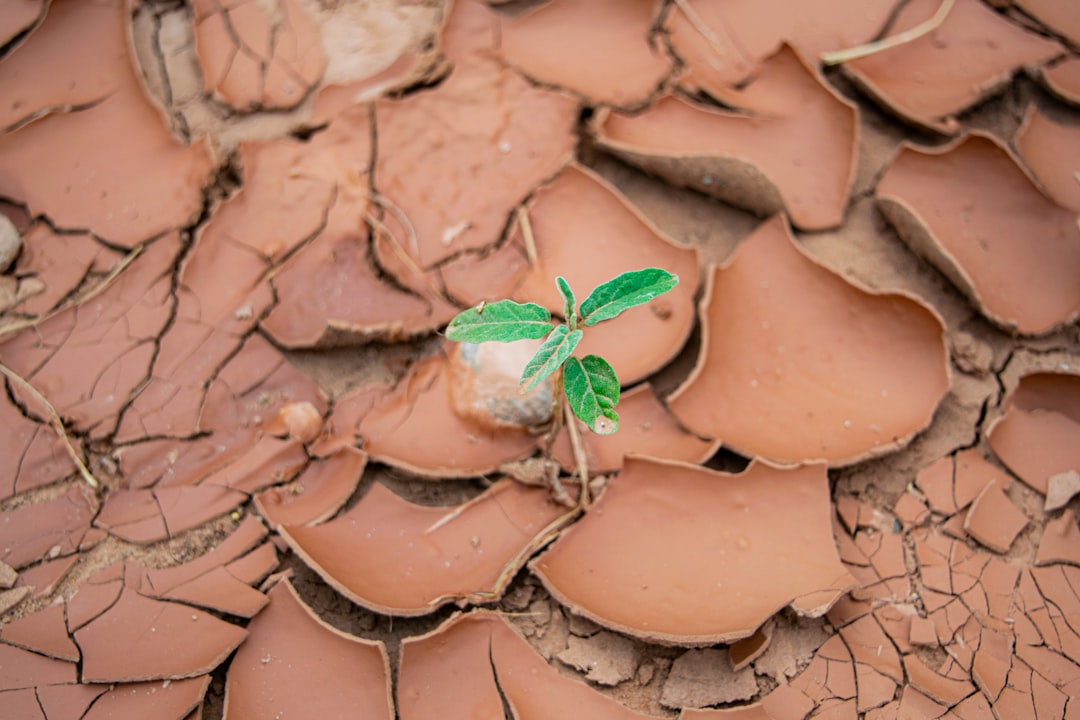
The flickering glow of the projector casts an ethereal light across the darkened theater, drawing the audience into a world long past. Uncovering Ancient Environmental Change: A Documentary is not merely a film; it is a meticulously crafted journey through time, an exploration of Earth’s dramatic climatic shifts and their profound impact on the evolution of life, and by extension, on humanity itself. The documentary, a collaboration between leading paleoclimatologists, archaeologists, and visual artists, dares to ask big questions: How did our planet’s environment transform over millennia? What forces drove these changes? And what lessons can we glean from these ancient climatic dramas to navigate our own uncertain future?
The narrative unfolds through a potent blend of cutting-edge scientific analysis, evocative re-enactments, and breathtaking archival footage, transporting viewers to epochs where colossal ice sheets dominated continents, deserts bloomed, and sea levels rose and fell like a cosmic tide. Uncovering Ancient Environmental Change eschews sensationalism for a grounded, evidence-based approach, yet its storytelling is as compelling and gripping as any blockbuster. It is a testament to the power of scientific inquiry when married with the art of cinematic expression, offering an accessible yet profound understanding of the intricate, often volatile, relationship between Earth and its inhabitants.
The documentary begins by establishing the fundamental premise: the Earth’s climate has never been static. For billions of years, it has been a dynamic entity, subject to cycles of warming and cooling, periods of extreme aridity and rampant precipitation. Uncovering Ancient Environmental Change masterfully illustrates this concept, employing animated visualizations and expert interviews to demystify the complex processes that have shaped our planet’s atmosphere and oceans.
The Imprint of Ice: Glacial Epochs and Their Legacy
One of the most visually striking segments of the film focuses on the Pleistocene epoch, often referred to as the “Ice Age.” Through stunning CGI renderings, viewers witness the awe-inspiring scale of glacial expansion, with immense ice sheets carving out fjords, shaping mountain ranges, and dramatically altering coastlines. The documentary explains the primary drivers of these glacial cycles, delving into the intricate interplay of Milankovitch cycles – the subtle variations in Earth’s orbit and axial tilt – and their amplified effects through feedbacks involving albedo, greenhouse gas concentrations, and ocean circulation patterns.
Milankovitch Cycles: The Astronomical Orchestra of Climate Change
The film dedicates significant time to explaining the three primary Milankovitch cycles: eccentricity, axial tilt (obliquity), and precession. Animated graphics clearly depict how these astronomical parameters influence the amount and distribution of solar radiation received by Earth at different latitudes and seasons. The audience gains a tangible understanding of how these long-term, predictable celestial waltzes have orchestrated periods of glaciation and interglacial warmth for millennia.
Feedbacks Loops: Amplifying the Ice’s Embrace
Beyond orbital mechanics, the documentary emphasizes the crucial role of feedback mechanisms. The concept of albedo – the reflectivity of a surface – is explained through the striking visual contrast between dark landmasses and bright, reflective ice sheets. As ice expands, it reflects more solar radiation back into space, leading to further cooling, creating a powerful positive feedback loop. Conversely, as ice melts, darker surfaces absorb more solar energy, accelerating warming. The film also explores the complex relationship between greenhouse gas concentrations, particularly carbon dioxide and methane, and temperature, showcasing how these gases have historically fluctuated in sync with glacial and interglacial periods, acting as both a driver and a consequence of climatic shifts.
The Fury of Fire: Volcanism and Atmospheric Transformation
Uncovering Ancient Environmental Change does not shy away from the more cataclysmic events that have reshaped Earth’s climate. The documentary highlights the immense power of volcanic eruptions, not just as localized phenomena, but as global influencers of atmospheric composition and temperature. The impact of major volcanic events, such as massive flood basalt eruptions that occurred millions of years ago, are explored in detail.
Supervolcanoes: Architects of Atmospheric Havoc
The film vividly portrays the consequences of supervolcano eruptions, explaining how the ejection of vast quantities of ash, sulfur dioxide, and other gases into the stratosphere can have profound and lasting effects on global climate. Sulfate aerosols, for instance, can reflect sunlight, leading to a period of significant global cooling and widespread environmental disruption. The documentary uses scientific data and expert speculation to illustrate how these events could have triggered mass extinctions and dramatically altered ecosystems.
The Carbon Cycle Disruption: A Warming World
Beyond the immediate cooling effect of ash and aerosols, the documentary also addresses the long-term impact of volcanic activity on the carbon cycle. Massive eruptions can release enormous amounts of carbon dioxide, a potent greenhouse gas, into the atmosphere. While volcanic CO2 emissions are generally dwarfed by anthropogenic emissions today, over geological timescales, major volcanic episodes have demonstrably contributed to periods of sustained global warming. The film presents compelling evidence from ice cores and geological records that link elevated CO2 levels to these ancient volcanic periods.
The documentary on ancient environmental change provides a fascinating look at how past climate shifts have influenced human societies and ecosystems. For those interested in exploring the broader implications of historical events on modern society, a related article discusses the impact of Executive Order 6102, which mandated the confiscation of gold in the United States during the Great Depression. This article delves into the economic and social ramifications of this significant policy change. You can read more about it here: The Impact of Executive Order 6102: Gold Confiscation.
Echoes in the Dust: Fossilized Clues and Ancient Lives
The documentary’s strength lies in its ability to bridge the gap between abstract scientific concepts and tangible evidence. A significant portion of Uncovering Ancient Environmental Change is dedicated to showcasing how scientists “read” the Earth’s past, deciphering clues embedded in rocks, fossils, and ancient ice.
Ice Cores: Frozen Diaries of Atmospheric History
The segment on ice cores is particularly captivating. Viewers are taken on a virtual expedition to Greenland and Antarctica, witnessing the painstaking process of extracting cylindrical ice samples from deep beneath the surface. The documentary explains how each layer of ice represents a year, trapping atmospheric gases, dust, and even volcanic ash from that specific time.
Trapped Bubbles: A Glimpse into Ancient Air
The film highlights the remarkable scientific achievement of analyzing the tiny air bubbles trapped within ice cores. These bubbles are essentially pristine samples of Earth’s atmosphere from thousands, even hundreds of thousands, of years ago. By measuring the isotopic composition of gases like carbon dioxide and methane within these bubbles, scientists can reconstruct historical atmospheric concentrations with incredible accuracy. This data forms the bedrock of much of our understanding of past climate change.
Dust and Isotope Signatures: Unlocking Past Environments
Beyond gases, the documentary explains how other components within ice cores provide crucial environmental information. Dust particles can reveal information about wind patterns and arid regions, while the isotopic signatures of water molecules can indicate past temperatures and the extent of ice cover. The film showcases how these diverse clues, when pieced together, create a detailed and multi-faceted picture of ancient climates.
Fossil Evidence: Survival in a Changing World
The documentary seamlessly transitions from ice cores to the world of paleontology, exploring how fossilized remains offer direct evidence of life’s adaptation to environmental shifts. The survival and extinction of species are presented not as random occurrences, but as intimately linked to the planet’s climatic trajectory.
Fossils as Paleo-Indicators: Clues to Ancient Ecosystems
Experts guiding the audience through fossil sites explain how the types of fossils found in a particular geological layer can reveal much about the environment that existed at that time. For example, the presence of certain marine fossils indicates ancient shallow seas, while dinosaur fossils can point to warmer, more humid climates. The documentary uses dramatic re-enactments and stunning fossil imagery to illustrate these connections.
Evolutionary Resilience and Extinction Events: A Darwinian Struggle
The film explores how periods of rapid climate change often coincide with major extinction events. However, it also emphasizes the remarkable resilience of life, showcasing how many species have evolved to adapt to fluctuating conditions. The documentary presents compelling cases of evolutionary innovation driven by environmental pressures, from the development of drought-resistant plants to the physiological adaptations of animals in colder climates.
The Shifting Sands: Human Civilizations Under Climate Pressure

Perhaps the most compelling aspect of Uncovering Ancient Environmental Change is its direct relevance to human history. The documentary posits that climate has not merely been a backdrop to human civilization, but a powerful architect, shaping its rise, fall, and migration patterns.
In exploring the impacts of ancient environmental changes, one can gain valuable insights from various resources that delve into related topics. For instance, an intriguing article discusses the intersection of national security and eminent domain, highlighting how historical land use and environmental factors have shaped legal frameworks. This connection can be seen in the way ancient civilizations adapted to their surroundings, which is essential for understanding our current environmental challenges. To learn more about this topic, you can read the article here: national security and eminent domain.
Ancient Civilizations and Climate Resilience: A Precarious Balance
The film delves into case studies of ancient civilizations whose fates were intertwined with climatic shifts. The decline of the Mayan civilization, for instance, is explored in the context of prolonged droughts, highlighting how even advanced societies can be vulnerable to environmental stress.
The Mystery of the Maya: Drought and Collapse
Using a combination of archaeological findings, climate reconstructions derived from lake sediments and cave speleothems, and expert analysis, the documentary reconstructs the environmental challenges faced by the Maya. The audience witnesses how prolonged periods of intense drought, potentially exacerbated by deforestation and changes in land use, strained their agricultural systems and led to social unrest and eventual collapse.
Mesopotamia and the Cradle of Civilization: Water’s Double-Edged Sword
The documentary also examines the importance of water management in the fertile crescent of Mesopotamia, where early civilizations flourished along the Tigris and Euphrates rivers. It illustrates how human ingenuity in irrigation and water control allowed for agricultural surplus and societal development, but also how these societies were vulnerable to periods of both drought and sudden, catastrophic floods, demonstrating the delicate balance required to thrive in such a dynamic environment.
Climate Migration and Societal Adaptation: Humanity’s Enduring Adaptability
Uncovering Ancient Environmental Change underscores that human history is punctuated by periods of climate-driven migration. As environments became inhospitable, our ancestors were forced to move, seeking new lands and resources.
The Out of Africa Migration: A Climate-Driven Journey
The film revisits the epic “Out of Africa” migration of early humans, highlighting how changing climate conditions, such as the expansion and contraction of deserts and grasslands, likely played a crucial role in pushing human populations to spread across the globe. The documentary uses animated maps and expert commentary to visualize these ancient migratory routes.
Nomadic Lifestyles and Adaptation to Arid Environments
The documentary celebrates the ingenuity of nomadic cultures, whose traditional lifestyles have often developed in direct response to arid and semi-arid environments. It showcases how these communities have developed deep knowledge of weather patterns, water sources, and resilient agricultural and pastoral practices, offering valuable insights into adaptation.
The Unfolding Future: Lessons from the Past for a Warming World

The final act of Uncovering Ancient Environmental Change brings the narrative into the present, drawing a clear and urgent connection between the past and our current environmental challenges. The documentary emphasizes that the patterns observed in ancient climate shifts are not merely academic curiosities; they offer crucial lessons for navigating the anthropogenically driven climate change we are experiencing today.
The Pace of Change: A New Frontier
The film starkly contrasts the gradual pace of natural climate change in the geological past with the unprecedented speed of current warming. Experts explain how the rapid increase in greenhouse gas concentrations, primarily due to the burning of fossil fuels, is pushing Earth’s systems towards a tipping point unlike anything seen in recent human history.
Anthropogenic Forcing: The Human Fingerprint
The documentary meticulously details the scientific consensus on anthropogenic climate change. Through clear explanations and compelling data visualizations, it illustrates how human activities, from industrial emissions to deforestation, are the dominant drivers of the current warming trend. The film highlights the disproportionate impact of human activities compared to natural forcings over geological timescales.
Replicating Past Disasters?: A Cautionary Tale
By showcasing the consequences of past environmental instability on civilizations and ecosystems, the documentary serves as a potent cautionary tale. The filmmakers use historical examples to illustrate the potential ramifications of unchecked warming, including sea-level rise, extreme weather events, and widespread resource scarcity.
Sea Level Rise: Receding Histories
The film revisits the dramatic sea-level fluctuations of the past and draws parallels to current projections of sea-level rise. It emphasizes how coastal communities throughout history have been vulnerable to these changes and how the current rate of rise poses an existential threat to many contemporary populations and ecosystems.
Extreme Weather Events: Echoes of Ancient Fury
The documentary connects ancient periods of climatic volatility with the increasing frequency and intensity of extreme weather events witnessed today. By examining historical records of droughts, floods, and storms, it demonstrates that while extreme events have always occurred, their current amplification is a cause for significant concern.
The Path Forward: Hope and Responsibility
Despite the stark warnings, Uncovering Ancient Environmental Change concludes on a note of cautious optimism. The documentary highlights the power of human ingenuity and the lessons learned from past adaptation. It emphasizes the critical need for global cooperation, sustainable practices, and a renewed understanding of our place within the Earth’s delicate ecological balance.
Innovation and Adaptation: Humanity’s Toolkit
The film showcases examples of innovative technologies and sustainable practices emerging today, from renewable energy sources to climate-resilient agriculture. It suggests that just as our ancestors adapted to dramatic environmental shifts, humanity has the capacity to innovate and adapt to the challenges of climate change.
A Shared Responsibility: Guardians of the Planet
Ultimately, Uncovering Ancient Environmental Change is more than just an educational film; it is a call to action. It compels viewers to recognize their connection to the Earth’s long and complex climatic history and to embrace their responsibility as stewards of the planet. The documentary leaves the audience with a profound appreciation for the intricate web of life and the urgent need to protect our shared home for future generations. The whispers of the past, when amplified by cinematic storytelling, become a powerful voice for the future.

The Ancient World Buried Beneath the Sahara
FAQs
What is the ancient environmental change documentary about?
The ancient environmental change documentary explores the impact of environmental changes on ancient civilizations and how they adapted to these changes. It delves into the ways in which ancient societies interacted with their environment and the lessons we can learn from their experiences.
What time period does the documentary cover?
The documentary covers a wide range of time periods, from the earliest known civilizations to more recent ancient societies. It examines how environmental changes affected these civilizations and how they responded to challenges such as climate change, deforestation, and resource depletion.
What evidence is presented in the documentary to support its claims?
The documentary presents a variety of evidence to support its claims, including archaeological findings, historical records, and scientific research. It also features interviews with experts in the field of ancient environmental studies and incorporates cutting-edge technology to visualize and analyze ancient landscapes.
What are some key takeaways from the documentary?
Some key takeaways from the documentary include the resilience and adaptability of ancient civilizations in the face of environmental challenges, the interconnectedness of human societies and their environments, and the relevance of ancient environmental practices to modern-day sustainability efforts.
Where can I watch the ancient environmental change documentary?
The documentary may be available for streaming on various platforms, such as streaming services, educational websites, or through purchase as a DVD or digital download. Check with your local library, educational institution, or online retailers for availability.