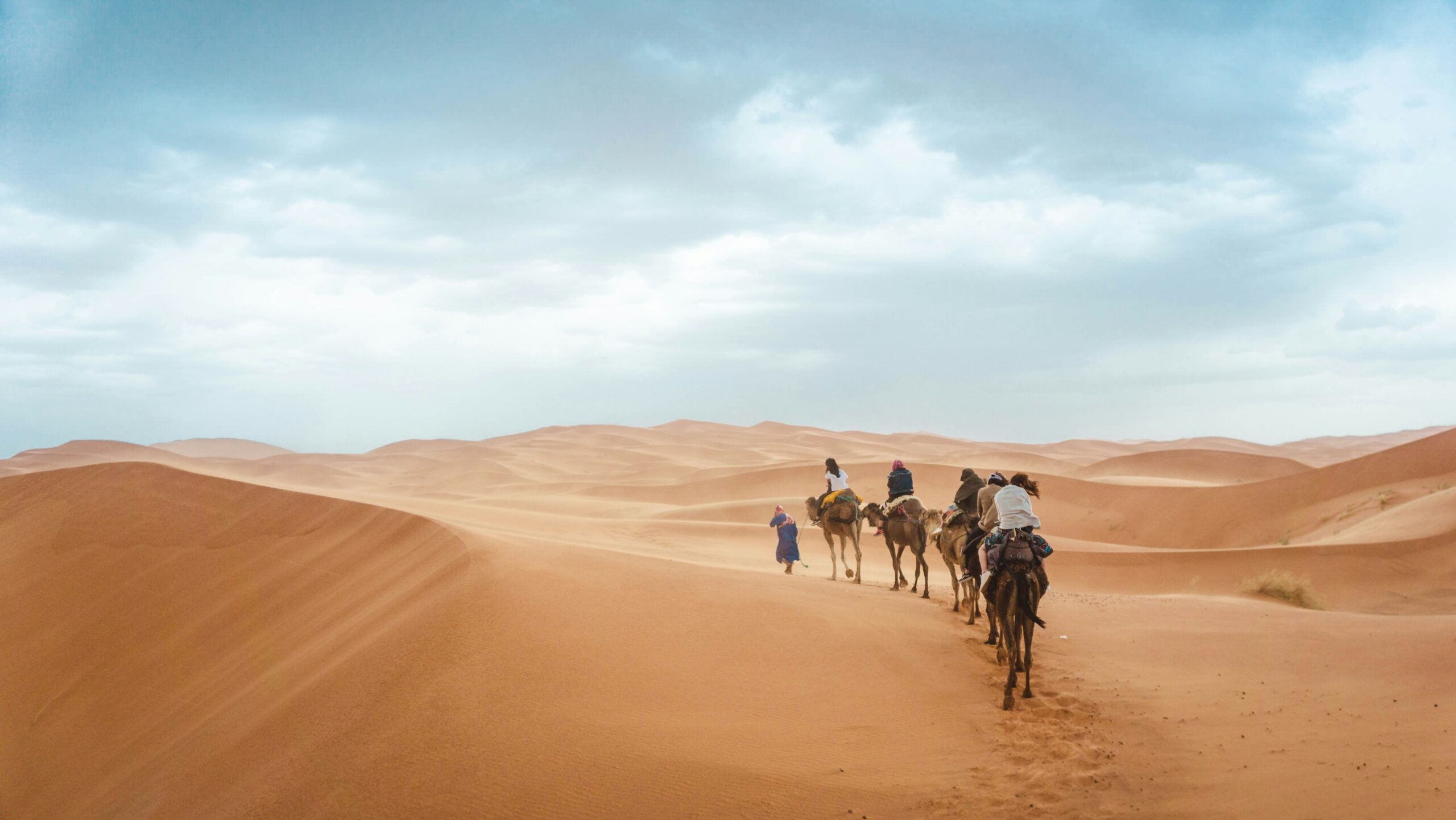
The vast expanse of sand that defines the modern Sahara Desert belies a dramatic and dynamic past, a time when this now hyper-arid region was a vibrant, life-sustaining landscape. Unraveling the secrets of this prehistoric Saharan canvas requires delving into geological strata, deciphering fossilized remains, and piecing together the intricate tapestry of environmental change that has shaped its destiny. For millennia, the Sahara was not a uniform wasteland but a mosaic of environments, each with its unique flora and fauna, a stark contrast to the desolation most associate with it today.
The Sahara’s climatic transformations are not a recent phenomenon but a recurring cycle driven by complex orbital mechanics and atmospheric feedback loops. These cycles, often referred to as “African Humid Periods” or “Green Sahara” phases, have punctuated periods of intense aridity, sculpting the land and influencing the course of life across the continent. Understanding these shifts is paramount to appreciating the prehistoric Saharan landscape.
The Milankovitch Cycles: The Earth’s Orbital Dance
At the heart of the long-term climatic fluctuations lies the Earth’s orbital parameters, famously described by the Milankovitch cycles. These variations in Earth’s orbit, its axial tilt, and the wobble of its axis influence the amount and distribution of solar radiation received by the planet.
Eccentricity: The Elliptical Path
The Earth’s orbit around the Sun is not a perfect circle but an ellipse, and the degree of this ellipticity, known as eccentricity, changes over long timescales, roughly 100,000-year cycles. When Earth’s orbit is more eccentric, the difference in solar insolation between perihelion (closest to the Sun) and aphelion (farthest from the Sun) is more pronounced, leading to greater temperature extremes.
Axial Tilt (Obliquity): The Seasonal Swing
The Earth’s axial tilt, currently around 23.5 degrees, dictates the strength of our seasons. This tilt varies between 22.1 and 24.5 degrees over a cycle of approximately 41,000 years. A greater tilt leads to more pronounced seasonal differences, with hotter summers and colder winters, while a smaller tilt results in milder seasons.
Precession: The Wobbling Top
The Earth’s axis also wobbles like a spinning top, a phenomenon known as axial precession. This wobble causes the timing of the seasons relative to Earth’s orbit to shift over a cycle of roughly 26,000 years. When the Northern Hemisphere is tilted towards the Sun during its summer at perihelion, insolation is more intense.
Monsoonal Intensification: The Role of Insolation
These orbital variations directly impact atmospheric circulation patterns, particularly the African monsoon system. During periods of higher Northern Hemisphere summer insolation, the landmasses heat up more intensely. This differential heating between land and ocean drives stronger monsoon winds, drawing moist air from the Atlantic Ocean inland.
The Summer Monsoon’s Reach
The intensified summer monsoon would have brought significantly more rainfall to regions of the Sahara that are now bone-dry. This increased precipitation would have fueled river systems, created sprawling lakes, and transformed vast swathes of arid land into savannas and grasslands.
Feedback Loops: Amplifying the Change
The transition from arid to humid conditions was not a linear process. Positive feedback loops played a crucial role in amplifying these climatic shifts. For instance, increased vegetation cover from more rainfall would have led to greater evapotranspiration, further enhancing local humidity and rainfall. Conversely, desertification would have reduced vegetation, leading to reduced evapotranspiration and exacerbating aridity.
Before the Sahara Desert became the vast arid landscape we know today, it was once a lush region teeming with life, characterized by savannas, lakes, and diverse wildlife. This transformation from a green paradise to a desert is a fascinating subject that highlights the impact of climate change over millennia. For a deeper understanding of how significant changes can reshape environments and societies, you might find it interesting to read about the historical implications of executive decisions in other contexts, such as in the article on the impact of Executive Order 6102 regarding gold confiscation, which can be found at this link.
Rivers of Life: The Prehistoric Waterways of the Sahara
The presence of significant surface water is perhaps the most striking feature differentiating the prehistoric Saharan landscape from its modern iteration. Ancient riverbeds, fossilized shorelines, and sedimentological evidence all point to a time when water flowed abundantly across the region, supporting diverse ecosystems.
The Mega-Lakes of the Sahara: Inland Seas
During wetter periods, enormous inland lakes formed across the Sahara, some rivaling the size of present-day Great Lakes. These paleolakes were not mere puddles but substantial bodies of water, acting as vital oases and ecological hubs.
Lake Mega-Chad: A Prehistoric Giant
One of the most significant examples is the ancient Lake Mega-Chad, which during its peak phases covered an area of up to 1.2 million square kilometers. Fed by rivers originating from the highlands of Central Africa, this vast lake was a cradle of life, supporting abundant fish populations and providing water for a multitude of terrestrial animals.
Paleoshorelines: Echoes of Abundance
The remnants of these ancient lakes are still visible today in the form of distinct paleoshorelines etched into the desert landscape. These raised beaches, characterized by wave-cut terraces and accumulations of shell debris, serve as powerful reminders of a wetter past.
The Ancient River Networks: Arteries of the Desert
A complex network of rivers crisscrossed the Sahara, connecting these large lakes and draining the surrounding highlands. These rivers, now often represented by dry wadis and ephemeral stream channels, were the lifeblood of the prehistoric ecosystem.
The Wadi Howar: A Thriving Artery
The Wadi Howar, in present-day Sudan, is a prime example of a once grand river system. Archaeological evidence suggests that this river provided a vital corridor for human migration and supported a rich diversity of fauna. Its sediment deposits reveal a history of fluctuating water levels, with periods of sustained flow and intermittent drying.
Sedimentological Clues: Unraveling Water Flow
Geologists analyze sediment cores from ancient riverbeds and paleolakes to reconstruct the history of water flow. The types of sediments, their grain size, and the presence of specific minerals can reveal information about the erosional power of the water, the source of its sediment, and the duration of its flow.
A Verdant Sahara: The Flora of a Wetter Past
The notion of a barren Sahara is demonstrably false when examining the fossilized pollen and plant remains from ancient lakebeds and river sediments. These discoveries paint a picture of a remarkably different Sahara, teeming with vegetation.
Grasslands and Savannas: The Dominant Habitats
During the African Humid Periods, large areas of the Sahara were transformed into extensive grasslands and savannas. These open landscapes, punctuated by scattered trees and shrubs, provided ample grazing for herbivorous animals.
Fossilized Grasses and Sedges: Evidence of Abundance
The discovery of fossilized grasses and sedges in ancient lake sediments offers direct evidence of these once-widespread habitats. These plant remains indicate a robust herbaceous layer capable of supporting large grazing herds.
Woodland and Forest Patches: Pockets of Diversity
While grasslands may have dominated, evidence also suggests the presence of more densely vegetated areas, including woodlands and even small forest patches in particularly moist regions or along river valleys.
Pollen Analysis: Revealing Tree Species
Analysis of fossilized pollen grains preserved in sediments provides insights into the types of trees and shrubs that once thrived. Oak, elm, birch, and various acacia species have been identified in pollen records from different Saharan sites, indicating a diverse arboreal flora.
Aquatic Vegetation: Life within the Lakes
The numerous paleolakes would have supported a rich variety of aquatic vegetation, including reeds, water lilies, and algae. These plants formed the base of the aquatic food web and provided habitat for numerous organisms.
Diatoms and Algal Remains: Indicators of Water Quality
Fossilized diatoms (single-celled algae with intricate silica shells) and other algal remains found in lake sediments can provide information about water chemistry, salinity, and the overall health of the aquatic ecosystem.
Megafauna of the Sahara: Giants in a Green Landscape
The availability of abundant water and vegetation in the prehistoric Sahara supported a diverse and impressive array of fauna, including large mammals that are now extinct or found only in distant habitats. The fossil record is a testament to a Sahara far removed from its current state of wildlife scarcity.
The Mighty Rivers Eaters: Hippos and Crocodiles
The presence of large river systems and lakes naturally led to the presence of the animals that depend on them. Fossils of hippopotamuses and crocodiles are commonly found in Saharan sedimentary deposits, indicating sustained aquatic environments.
Crocodylian Assemblages: Riverine Ecosystems
The discovery of multiple crocodile species in ancient Saharan lakebeds suggests that these environments were stable and supported complex aquatic food webs, capable of sustaining populations of these formidable predators.
Grazing Giants: Elephants, Giraffes, and Rhinos
The vast grasslands and savannas of the Green Sahara provided ideal habitats for large herbivorous mammals. Evidence suggests that elephants, giraffes, and rhinoceroses roamed these landscapes in significant numbers.
Elephantine Remains: Adapting to Ancient Environments
Fossilized remains of extinct elephant species have been unearthed, showcasing their adaptation to the diverse environments of the prehistoric Sahara. Their presence signifies extensive vegetation cover and reliable water sources.
Giraffe Fossils: Browsing on Savanna Trees
The discovery of giraffe fossils points to the existence of savanna woodlands, where these long-necked browsers could access the foliage of trees and shrubs.
Predators of the Plains: Lions, Hyenas, and other Carnivores
The abundance of herbivores naturally supported a diverse community of predators. Fossil evidence indicates the presence of lions, hyenas, and other carnivores that played a crucial role in regulating herbivore populations.
Predator-Prey Dynamics: A Balanced Ecosystem
The evidence of both large herbivores and carnivores suggests a relatively balanced prehistoric ecosystem, where predator-prey relationships were actively shaping the fauna of the Sahara.
Before the Sahara Desert transformed into the arid landscape we know today, it was once a lush region teeming with life, characterized by rivers, lakes, and diverse ecosystems. This dramatic shift in climate has intrigued researchers and historians alike, leading to various studies about the ancient civilizations that thrived in this area. For a deeper understanding of how ancient maps, such as the Piri Reis map, provide insights into the geography and cultures that existed before the desert’s formation, you can explore this fascinating article on the subject. Check it out here.
Human Habitation: Adapting to a Changing Sahara
“`html
| Time Period | Climate | Flora | Fauna |
|---|---|---|---|
| Neolithic Subpluvial | Wet and humid | Grasslands, lakes, and rivers | Hippopotamuses, elephants, and fish |
| Green Sahara Period | Green and lush | Forests, savannahs, and wetlands | Giraffes, antelopes, and crocodiles |
| Early Holocene | Transitioning to arid | Shrubs, grasses, and scattered trees | Wild cattle, gazelles, and ostriches |
“`
The prehistoric Saharan landscape was not just a home for wildlife; it was also a cradle for human civilization. Archaeological evidence reveals a long and complex history of human occupation, with early hunter-gatherers and later pastoralists skillfully adapting to the fluctuating environmental conditions.
Hunter-Gatherer Societies: Following the Water and Game
The earliest human inhabitants of the Sahara were nomadic hunter-gatherers who moved with the seasons, following game herds and the availability of surface water. The rich fauna and flora provided an abundant resource base for these communities.
Rock Art: Windows into the Past
The iconic rock art found throughout the Sahara, particularly in regions like the Tassili n’Ajjer, offers invaluable insights into the lives of these ancient peoples. These vibrant paintings depict a diverse array of animals, including extinct species, and illustrate scenes of hunting, herding, and daily life, painting a vivid picture of the prehistoric landscape.
The Rise of Pastoralism: Taming the Land
As the climate began to shift and aridity increased, human societies adapted by developing pastoralism. They learned to manage and herd domestic animals, such as cattle, sheep, and goats, which were more resilient to drier conditions than some of the large game.
Cattle Cults and Herding Scenes: Evidence of Domestication
The rock art and archaeological remains, particularly from the “Cattle Period,” provide clear evidence of the domestication and herding of cattle. Scenes depicting herding activities, cattle adornments, and even possible religious significance associated with cattle demonstrate a profound shift in human subsistence strategies.
The Sahara’s Desertification and Human Migration: A Forced Exodus
The inexorable progression towards aridity eventually rendered large parts of the Sahara uninhabitable for large-scale settlements. This gradual desertification likely led to significant human migrations, pushing populations towards more fertile regions in the Sahel and along the Nile Valley.
Evidence of Abandonment: Ghost Towns of the Past
Archaeological sites that were once thriving settlements show signs of gradual abandonment as water sources dwindled and vegetation cover disappeared. These abandoned villages and encampments are silent witnesses to the environmental challenges faced by prehistoric Saharan populations.
In conclusion, the prehistoric Saharan landscape was a testament to Earth’s dynamic climatic history. Far from being a static desert, it underwent dramatic transformations, transitioning between verdant, life-sustaining environments and periods of extreme aridity. The study of its paleoclimates, its ancient waterways, its rich flora and fauna, and the fascinating history of human adaptation continues to reveal the extraordinary story of a Sahara that once was, a land teeming with life and a cradle for early human ingenuity. This ongoing exploration promises to further illuminate the intricate interplay between climate, environment, and life on our planet.

The Ancient World Buried Beneath the Sahara
FAQs
1. What was the Sahara Desert like before it became a desert?
Before the Sahara Desert became the arid landscape it is today, it was a lush and green region with a savannah-like environment. This was approximately 10,000 years ago during the Neolithic Subpluvial period.
2. What evidence supports the existence of a green Sahara in the past?
Evidence of a green Sahara in the past includes fossilized remains of plants and animals that are not found in the region today, as well as ancient rock art depicting a more verdant landscape.
3. What factors contributed to the transformation of the Sahara into a desert?
The transformation of the Sahara into a desert was primarily due to changes in the Earth’s orbit and axial tilt, which led to shifts in the monsoon patterns and the retreat of the African Humid Period.
4. What impact did the greening of the Sahara have on human populations?
The greening of the Sahara allowed for human populations to thrive in the region, leading to the development of early civilizations and the establishment of trade routes across the once fertile landscape.
5. Are there any ongoing efforts to study the pre-desert Sahara and its impact on human history?
Yes, there are ongoing archaeological and paleoclimatological studies aimed at understanding the pre-desert Sahara and its significance in shaping human history. These studies provide valuable insights into how ancient societies adapted to changing environments.