
The Sahara Desert, a vast expanse of sand and rock that dominates North Africa, is a place most people associate with extreme aridity and desolation. Yet, beneath the seemingly endless dunes and desolate plains lies a compelling narrative of a dramatically different past, one painted in hues of verdant green. The “Green Sahara” is not a myth, but a well-supported scientific reality, offering irrefutable evidence of profound climate change that has shaped the largest hot desert on Earth. This transformation, stretching across millennia, underscores the dynamic nature of our planet’s climate and provides invaluable insights into the forces that drive these shifts.
The notion of a lush, thriving Sahara is often met with skepticism, conjured images of a stark contrast to its present-day reality. However, an abundance of scientific evidence, gathered from various disciplines, paints a vivid picture of a region teeming with life. From fossilized remnants of plants and animals to geological formations and ancient human artifacts, these clues offer a tangible connection to a bygone era when rivers flowed, lakes glittered, and grasslands carpeted the landscape.
Paleoclimatic Reconstruction: Unveiling the Monsoon’s Reign
Understanding the Green Sahara necessitates delving into the intricate science of paleoclimatology. This field reconstructs past climates using proxy data – natural archives that record environmental conditions over time.
Ice Core Records: Echoes from Polar Regions
While seemingly distant, ice cores from Greenland and Antarctica hold invaluable data about global climate patterns. Fluctuations in oxygen isotopes and trapped atmospheric gases within these ice layers reveal shifts in atmospheric circulation that directly influenced the African monsoon. During periods known as “African Humid Periods” (AHPs), these records show a stronger and more northward-reaching monsoon, delivering much-needed rainfall to the Sahara.
Lake Sediment Cores: A Chronicle of Saharan Waterways
Perhaps the most direct evidence of the Green Sahara comes from the analysis of sediment cores extracted from ancient lakebeds scattered across the desert. These cores act as sedimentary libraries, preserving layers of organic material, pollen, diatoms (microscopic algae), and chemical signatures that tell a story of aquatic life and changing water levels.
Pollen Analysis: The Fingerprints of Flora
The microscopic pollen grains preserved in lake sediments are particularly telling. Scientists can identify the types of plants that were dominant in the region at different times. During the AHPs, researchers find pollen from grasses, trees like acacias and tamarisks, and even aquatic plants, all indicative of a much wetter environment. The prevalence of certain pollen types allows for detailed reconstructions of ancient vegetation zones.
Diatom Assemblages: Indicators of Water Quality and Salinity
Diatoms, with their distinct silica shells, are incredibly sensitive to water chemistry. Their presence and species composition in sediment cores provide information about the salinity, depth, and trophic state of ancient lakes. Changes in diatom assemblages from freshwater-loving species to salt-tolerant ones clearly mark the transition from humid periods to arid ones.
Geochemical Signatures: Tracing Rainfall and Evaporation
The chemical composition of lake sediments, such as the ratio of different isotopes of oxygen and carbon, can also reveal climatic conditions. These signatures can indicate the degree of evaporation from a lake, which is directly related to rainfall and temperature. Higher rainfall and lower evaporation rates are characteristic of the Green Sahara.
Paleobotanical and Paleozoological Discoveries: A Living Landscape
Beyond the microscopic, macroscopic evidence also points to a vibrant Saharan ecosystem. Discoveries of fossilized plant remains and animal bones, as well as rock art depicting a different fauna, further solidify the Green Sahara narrative.
Fossil Flora: The Ghosts of Saharan Vegetation
Archaeological expeditions have unearthed fossilized wood, seeds, and other plant material from locations now buried under sand. These discoveries confirm the presence of drought-resistant trees and shrubs that could only have survived with substantial seasonal rainfall.
Fossil Fauna: Traces of a Forgotten Wildlife
The fossil record of animal life is equally compelling. Extensive excavations have revealed the bones of mammals that are now alien to the Sahara. These include hippopotamuses, crocodiles, elephants, giraffes, antelopes, and even species of wild cattle. The presence of these animals indicates the existence of permanent or seasonal rivers, lakes, and extensive grasslands that could support such diverse and water-dependent wildlife.
Rock Art: Ancient Murals of a Vibrant Past
Perhaps the most visually striking evidence comes from the countless rock art sites scattered across the Sahara. In regions like the Tassili n’Ajjer in Algeria and the Ennedi Plateau in Chad, ancient artists depicted a landscape far removed from today’s arid reality. These murals display scenes of hunting, herding, and daily life, featuring animals such as lions, elephants, rhinos, cattle, and even boat-like structures on what appear to be bodies of water. These artistic expressions serve as powerful testimony to a time when the Sahara was a wildlife-rich savannah.
Recent studies have provided compelling scientific evidence for the existence of the Green Sahara, a period when the Sahara Desert was lush and inhabited by various species, including early humans. This transformation, driven by changes in the Earth’s orbit and climate, has been explored in depth in various articles. For instance, an insightful piece discussing the broader implications of environmental changes can be found at this link, which, while focusing on economic impacts, highlights the interconnectedness of climate shifts and human activity throughout history.
The Driving Force: Orbital Cycles and the African Monsoon
The dramatic shifts between arid and humid phases in the Sahara are not random events. They are primarily driven by predictable cycles in Earth’s orbit, known as Milankovitch cycles, which influence the amount and distribution of solar radiation received by different parts of the planet.
Milankovitch Cycles: Earth’s Cosmic Rhythm
Milankovitch cycles describe long-term variations in Earth’s orbital parameters, including:
Eccentricity: The Shape of Earth’s Orbit
The shape of Earth’s orbit around the Sun varies from nearly circular to more elliptical over periods of approximately 100,000 and 400,000 years. A more eccentric orbit means greater variation in the distance between the Earth and the Sun throughout the year, impacting the intensity of seasons.
Obliquity: The Tilt of Earth’s Axis
The axial tilt of Earth, currently around 23.5 degrees, varies between 22.1 and 24.5 degrees over cycles of roughly 41,000 years. This tilt is responsible for the seasons. A greater tilt leads to more extreme seasonal differences, with hotter summers and colder winters.
Precession: The Wobble of Earth’s Axis
Earth’s axis wobbles like a spinning top over a cycle of approximately 26,000 years. This wobble, known as axial precession, affects the timing of seasons relative to Earth’s orbit. Currently, perihelion (when Earth is closest to the Sun) occurs in January, leading to warmer Northern Hemisphere winters. In earlier periods, it occurred during Northern Hemisphere summer, leading to intensified summers.
The Monsoon Mechanism: Orbital Forcing on Rainfall
These orbital variations exert a profound influence on the African monsoon system. During periods when the Northern Hemisphere experiences warmer summers due to orbital factors, the landmass heats up more intensely.
Intensified Heating and Atmospheric Convergence
This intensified land heating leads to stronger uplift of warm, moist air from the tropical Atlantic and Indian Oceans. This elevated air cools as it rises, leading to increased condensation and precipitation. The resulting stronger monsoon rains penetrate further north into the Sahara.
The Humid Periods: A Saharan Resurgence
These periods of enhanced monsoon activity are known as African Humid Periods (AHPs). Archaeological and geological evidence suggests that major AHPs occurred roughly between 11,700 and 5,000 years ago (the Holocene Humid Period), and potentially earlier during interglacial periods in the Pleistocene epoch. During these AHPs, the Sahara received sufficient rainfall to support large freshwater lakes, extensive river systems, and vegetated landscapes.
The Arid Intervals: The Desert’s Return
As Earth’s orbital parameters shifted, the intensity of Northern Hemisphere summers decreased. This led to a weakening of the African monsoon, reducing rainfall across the Sahara. Gradually, lakes dried up, rivers receded, and the desert began to reclaim the land, eventually forming the arid environment we see today.
Human Presence in a Changing Landscape
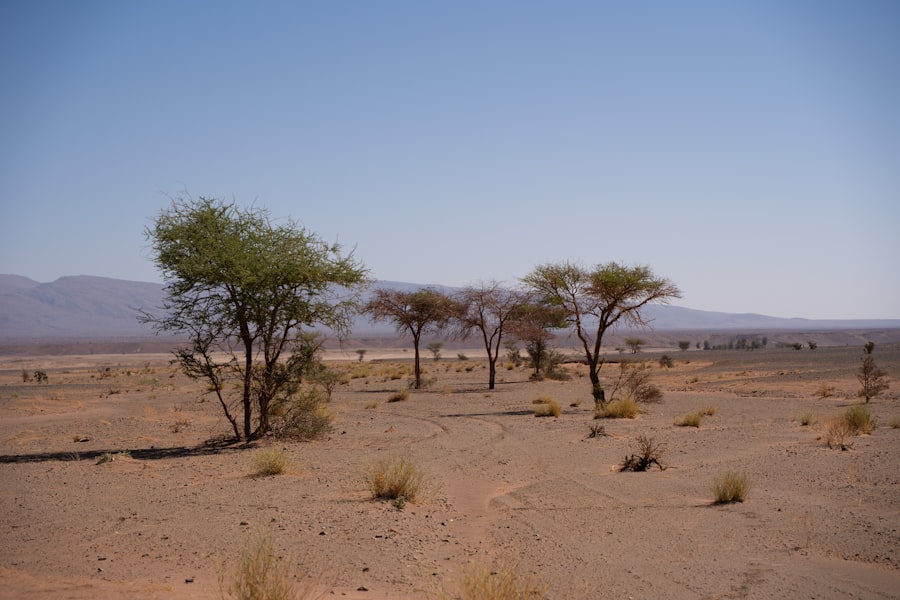
The Green Sahara was not an empty wilderness; it was a cradle for early human populations, who adapted and thrived in this dynamic environment. The evidence of human settlement during these wetter periods offers a fascinating glimpse into our ancestors’ ingenuity and resilience.
Early Human Migrations and Settlements
The presence of numerous archaeological sites, including stone tools, pottery fragments, and burial grounds, attests to significant human habitation during the AHPs. These settlements were concentrated around the reliable water sources provided by lakes and rivers.
Hunter-Gatherer Societies: Masters of the Savannah
For much of the Green Sahara period, human populations were likely organized as hunter-gatherer societies. They exploited the abundant game animals, fish, and plant resources available in the diverse ecosystems. The rock art often depicts scenes of successful hunting, highlighting the rich biodiversity they relied upon.
The Dawn of Pastoralism: Herding in a Greener World
As the AHPs progressed, evidence suggests a gradual shift towards pastoralism. Early forms of cattle herding emerged, with vast herds grazing on the lush savannahs. This transition marks a significant step in human socio-economic development, demonstrating an ability to manage and domesticate animals in response to environmental opportunities.
The Impact of Environmental Shifts on Human Life
The transitions between humid and arid periods had a profound impact on these human populations, forcing them to adapt or migrate.
Adapting to Aridity: Innovation and Resilience
As the climate began to dry, human communities faced the challenge of dwindling water resources. This likely spurred innovation in water management techniques, such as the development of cisterns and well-digging, and likely led to a greater reliance on drought-resistant crops and adapted livestock.
The Great Saharan Migration: Movement and Cultural Exchange
The increasingly arid conditions also necessitated migration. Many communities likely moved southwards, following the retreating monsoon rains and seeking out more hospitable environments. This southward movement contributed to the dispersal of human populations across Africa and likely facilitated cultural exchange between different groups. The decline of large settlements and the shift to more nomadic lifestyles in later periods is directly linked to the desertification process.
Lessons from the Green Sahara: Understanding Future Climate Change
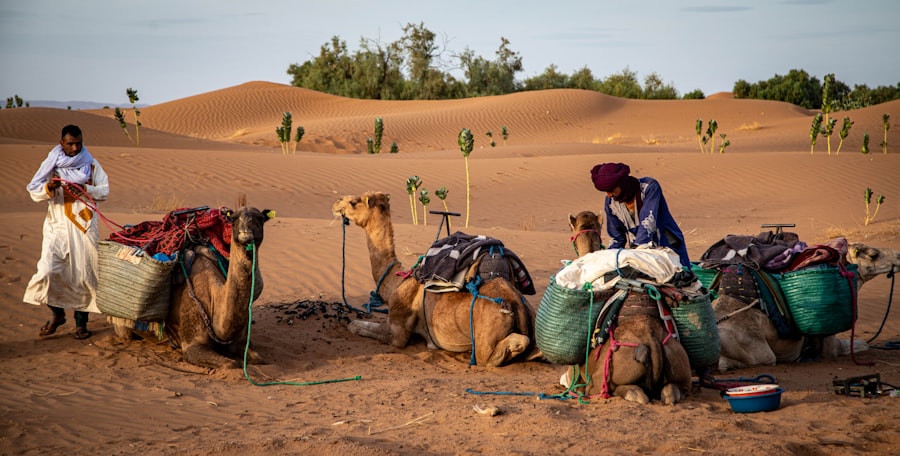
The story of the Green Sahara is far more than just a fascinating chapter in Earth’s history. It offers crucial insights into the inherent dynamism of our planet’s climate and provides a valuable analog for understanding potential future climate change.
The Sensitivity of Monsoon Systems
The Sahara’s transformation highlights the extreme sensitivity of monsoon systems to subtle changes in orbital forcing. This sensitivity suggests that even relatively small shifts in global temperature or atmospheric composition could have significant regional impacts on rainfall patterns, potentially leading to widespread drought or intensified precipitation in other areas.
The Feedback Loops of Climate Change
The aridification of the Sahara was likely exacerbated by positive feedback loops. As vegetation Cover diminished, the surface albedo (reflectivity) of the land increased, leading to more solar radiation being reflected back into space, further cooling the surface and reducing the likelihood of monsoon rains. Conversely, during the Green Sahara, increased vegetation would have lowered albedo and increased evapotranspiration, further contributing to local rainfall and a more humid climate. Understanding these feedback mechanisms is crucial for predicting the pace and severity of future climate change.
Predicting Future Climate Scenarios
By studying past climate transitions like that of the Sahara, scientists can refine climate models. These models are essential tools for predicting how present-day climate change, driven by anthropogenic greenhouse gas emissions, might unfold in the future. The Sahara’s history serves as a stark reminder that seemingly stable environments can undergo dramatic transformations over geological timescales.
The Importance of Paleoclimate Data
The continued exploration and analysis of paleoclimate data, from ice cores and lake sediments to fossil records and rock art, are vital for improving our understanding of Earth’s climate system. Each piece of evidence adds to our comprehension of past climate dynamics and our ability to forecast future changes. The Green Sahara narrative is a testament to the power of scientific inquiry to unravel the complex history of our planet.
Recent studies have provided compelling scientific evidence for the Green Sahara, a period when the Sahara Desert was lush and teeming with life. This transformation was largely driven by changes in climate patterns, which allowed for the proliferation of vegetation and wildlife in what is now one of the most arid regions on Earth. For those interested in understanding the broader implications of climate shifts, an insightful article discusses how tree rings reveal significant droughts during the Bronze Age, shedding light on ancient climate conditions and their impact on human civilizations. You can read more about this fascinating topic in the article here.
The Sahara of Tomorrow: A Glimpse and a Warning
| Scientific Evidence for the Green Sahara |
|---|
| 1. Pollen analysis of sediment cores from Lake Yoa in northern Chad shows evidence of a wetter climate and increased vegetation in the Sahara region around 10,000 years ago. |
| 2. Fossilized remains of aquatic species, such as fish and mollusks, have been found in ancient lakebeds across the Sahara, indicating the presence of water bodies during the Green Sahara period. |
| 3. Geological studies have revealed ancient river channels and drainage systems in the Sahara, suggesting the existence of large-scale water networks in the region during the Green Sahara phase. |
| 4. Analysis of isotopic compositions in fossilized teeth of herbivores from the Green Sahara period has provided evidence of a shift from C4 to C3 vegetation, indicating a transition from arid to more humid conditions. |
While the Sahara today is defined by its aridity, the cyclical nature of its climate suggests that it is not destined to remain so forever. However, the timescale of these natural cycles is vast, spanning tens of thousands of years.
The Role of Anthropogenic Climate Change
The current rapid warming of the planet, driven by human activities, is introducing a new layer of complexity. While orbital cycles have historically dictated the Sahara’s wet and dry phases, the unprecedented rate of greenhouse gas accumulation is altering atmospheric composition and global temperatures at a pace far exceeding natural variations.
Potential for Altered Monsoon Behavior
The impact of anthropogenic climate change on the African monsoon is an active area of research. Some models suggest a potential strengthening of the monsoon in certain regions, while others predict a shift or weakening. The complex interplay between rising global temperatures, changes in ocean currents, and atmospheric circulation patterns makes precise predictions challenging. Nonetheless, the historical evidence from the Green Sahara underscores the potential for dramatic shifts in rainfall regimes.
The Risk of Desertification Intensification
Conversely, if warming leads to increased atmospheric moisture demand and altered wind patterns, it could exacerbate desertification in already arid regions. The Sahara, with its existing vulnerability, could experience intensified aridification, pushing the boundaries of the desert further.
A Call for Vigilance and Global Cooperation
The story of the Green Sahara is a powerful reminder of our planet’s capacity for profound change. It highlights the delicate balance of Earth’s climate system and the significant role that orbital cycles and monsoon dynamics play in shaping regional environments.
Understanding Past to Inform the Future
By continuing to study and understand the evidence of past climate change, as exemplified by the Green Sahara, we gain invaluable knowledge to inform our response to present-day environmental challenges. The lessons learned from this ancient past are not merely academic; they are critical for anticipating future climate scenarios and developing effective strategies for adaptation and mitigation.
The Urgency of Addressing Climate Change
The Green Sahara serves as both a source of wonder and a cautionary tale. It demonstrates that our planet is not static, and that dramatic environmental transformations are a recurring feature of Earth’s history. In the face of current anthropogenic climate change, understanding these historical shifts provides a scientific basis for recognizing the urgency of our situation and the need for global cooperation in addressing the challenges ahead, ensuring a more stable and predictable future for both human societies and the planet’s diverse ecosystems.

The Ancient World Buried Beneath the Sahara
FAQs
What is the Green Sahara?
The Green Sahara refers to a period in the Earth’s history, approximately 5,000 to 11,000 years ago, when the Sahara Desert was a much greener and more hospitable environment than it is today.
What scientific evidence supports the existence of the Green Sahara?
Scientific evidence for the Green Sahara includes geological and archaeological findings such as fossilized pollen, ancient lake shorelines, and rock art depicting a lush landscape. These findings indicate that the Sahara was once home to a variety of flora and fauna.
What caused the Green Sahara to transition into a desert?
The transition from the Green Sahara to the desert it is today is believed to be primarily due to changes in the Earth’s orbit and axial tilt, which affected the distribution of solar radiation and precipitation patterns in the region.
How does the Green Sahara relate to climate change today?
Studying the Green Sahara provides valuable insights into how climate change can dramatically alter landscapes and ecosystems. It also serves as a reminder of the potential for significant environmental changes in the future.
What are the implications of the Green Sahara for current and future environmental conservation efforts?
Understanding the history of the Green Sahara can inform conservation efforts by highlighting the potential for ecosystems to undergo dramatic shifts. It also underscores the importance of proactive measures to mitigate the impacts of climate change and protect vulnerable environments.