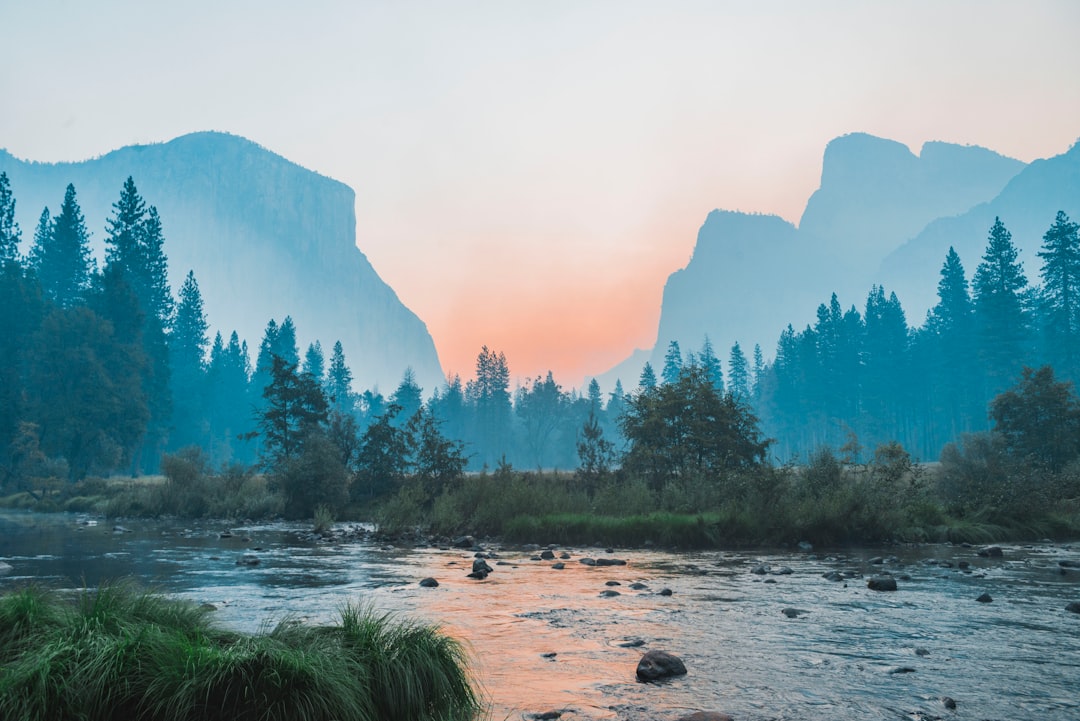
The hushed anticipation in the darkened theater was palpable. As the lights dimmed and the screen flickered to life, a collective breath was held, a silent promise to witness something extraordinary. The documentary, “Rediscovering Earth’s Forgotten Landscapes,” was about to begin, and it promised to be a journey not just through geographical space, but through time itself. From the outset, the film established its ambitious scope: to unearth and re-examine places on our planet that, for various reasons, have slipped from common consciousness, regions sculpted by forces so ancient or so dramatic that they resemble alien worlds sprung from the pages of fantasy. This was not merely a travelogue; it was an expedition into the planet’s deep memory, guided by scientists, geologists, historians, and explorers, all driven by a profound curiosity to understand the forces that shaped these often-overlooked corners of the Earth.
The opening segments of “Rediscovering Earth’s Forgotten Landscapes” immediately plunged viewers into the domain of the water, specifically the enigmatic remnants of human civilization swallowed by the sea. The documentary presented compelling evidence and stunning underwater cinematography of what were once vibrant metropolises, now resting in silent slumber on the ocean floor. These are not just scattered ruins; they are entire urban fabrics, complete with streets, plazas, and architectural marvels, offering a visceral connection to lost eras. The film eschewed sensationalism, instead focusing on the meticulous archaeological work and the scientific explanations for these disappearances, whether due to tectonic shifts, rising sea levels, or cataclysmic natural events.
The Secrets of Thonis-Heracleion: A Pharaoh’s Lost Port
One of the most captivating segments focused on the lost Egyptian city of Thonis-Heracleion, a legendary port that served as a gateway to Egypt for centuries. The documentary showcased the incredible rediscovery made by marine archaeologist Franck Goddio and his team. Through advanced sonar technology and daring dives, they brought to light a city teeming with artifacts: colossal statues of pharaohs and gods, intricate jewelry, everyday pottery, and even ancient ships remarkably preserved by the anaerobic conditions of the seabed. The film explored the city’s history, its role in trade and religious pilgrimage, and the tragic events that led to its submersion. The sheer scale of the unearthed remains, from the temple complexes dedicated to Amun and Osiris to the residential areas, painted a vivid picture of a bustling metropolis, now a haunting testament to the impermanence of human achievement against the relentless power of nature. The documentary delved into the ongoing efforts to preserve these fragile artifacts and the ethical considerations surrounding their excavation and display.
The Ghostly Canals of Pavlopetri: A Glimpse into Minoan Life
Another significant focus was on Pavlopetri, an ancient submerged city off the coast of Greece, believed to be the oldest underwater city in the world. Dating back to the Bronze Age, its well-preserved layout, including streets, courtyards, and multi-roomed buildings, offered an unprecedented glimpse into the daily lives of the Minoan civilization. The documentary highlighted the detailed mapping and 3D reconstructions created by underwater archaeologists, allowing viewers to virtually walk the streets of this ancient port. The film explored theories about its downfall, likely a rapid seismic uplift and subsequent inundation, and emphasized the importance of Pavlopetri for understanding Bronze Age Aegean urbanism and seafaring. The preserved harbor structures and the evidence of sophisticated drainage systems spoke volumes about the ingenuity of its inhabitants.
The Whispers of Port Royal: A Pirate’s Paradise Lost
The documentary also revisited the notorious pirate city of Port Royal in Jamaica, which met its watery demise in a devastating earthquake in 1692. While partially exposed and studied, the submerged portions of Port Royal hold crucial secrets, offering a unique window into the raucous and lawless life of Caribbean buccaneers. The film showcased recent explorations that have uncovered new artifacts and architectural remnants, shedding light on the social dynamics, economic activities, and the surprisingly organized infrastructure of this infamous haven. The dramatic account of the earthquake and its immediate aftermath, coupled with the visual evidence of the city being violently ripped into the sea, made for a powerful and sobering segment. The narrative emphasized the dual nature of Port Royal: a hub of wealth and power for some, and a den of iniquity for others, all ultimately brought low by the earth’s unpredictable wrath.
In exploring the themes presented in the documentary “Earth’s Forgotten Landscapes,” one can gain further insight by reading the article titled “Unearthed: The Lost Tech They Hid.” This piece delves into the hidden technologies and ancient civilizations that have shaped our planet’s history, paralleling the documentary’s focus on the landscapes that have been overlooked or forgotten. For a deeper understanding of these intriguing subjects, you can read the article here: Unearthed: The Lost Tech They Hid.
The Volcanic Gardens: Landscapes Born of Fire and Fury
Moving away from the aquatic realm, “Rediscovering Earth’s Forgotten Landscapes” then turned its gaze towards regions forged by the extraordinary power of volcanism. These are not just passive landscapes; they are dynamic, ever-changing environments where the raw forces of creation and destruction are laid bare. The documentary presented breathtaking footage of active volcanoes, ancient calderas, and the unique ecosystems that have adapted to these extreme conditions. The scientific explanations for the formation of these landscapes were presented in an accessible and engaging manner, highlighting the geological processes that have shaped our planet over millennia.
The Sculpted Earth of Cappadocia: A Fairytale Anew
The surreal rock formations of Cappadocia in Turkey, often referred to as “fairy chimneys,” were a highlight of this section. The film explored how millions of years of volcanic activity, followed by millennia of erosion by wind and water, sculpted the soft volcanic tuff into an otherworldly landscape of towering pinnacles, mushroom-shaped stones, and hidden valleys. The documentary showcased the historical human adaptation to this unique environment, with ancient civilizations carving intricate cave dwellings, churches, and entire underground cities into the soft rock. The visuals of hot air balloons drifting silently over this alien terrain at sunrise were particularly mesmerizing, emphasizing the blend of natural wonder and human ingenuity that defines Cappadocia. The film delved into the geological stratigraphy, explaining the different layers of volcanic ash and lava that contributed to the distinct shapes and colors of the rock formations.
The Geothermal Wonders of Iceland: A Living Laboratory
Iceland, the “Land of Fire and Ice,” provided a stunning backdrop for exploring the intersection of volcanic activity and glacial landscapes. The documentary showcased the raw power of its geothermal areas, with bubbling mud pots, steaming fumaroles, and explosive geysers. It illustrated how these landscapes are not static but are constantly being reformed by volcanic eruptions and glacial melt. The film highlighted the scientific importance of Iceland as a living laboratory for understanding plate tectonics and the Earth’s internal processes. The stark beauty of the ice caves, formed by glacial meltwater, contrasting with the fiery heart beneath the surface, offered a powerful metaphor for the planet’s dynamic nature. Expert interviews explained the processes of subglacial volcanism and the formation of moraines.
The Lava Tubes of Hawaii: Subterranean Passages to the Earth’s Core
The documentary also ventured into the fascinating world of lava tubes. These subterranean tunnels, formed when molten lava flows and the outer surface cools and hardens while the inner molten rock continues to flow, create unique geological formations. The film’s exploration of Hawaii’s vast lava tube systems revealed a hidden world, teeming with specialized life forms that have adapted to the darkness and unique mineral composition. The scientific expeditions into these tubes, often challenging and dangerous, were documented, showcasing the effort to map these underground networks and understand their ecological significance. The explanations of pahoehoe and a’a lava flows provided context for the formation of these distinct tube structures.
The Ice Giants: Frozen Realms of Ancient Secrets
The third major thematic section of the documentary shifted to the planet’s frozen extremities, exploring the immense power of ice in shaping landscapes and preserving ancient records. These are not merely desolate wastelands; they are dynamic environments where ice sheets move, glaciers carve valleys, and the frozen earth holds the keys to understanding our planet’s past and future climate. The visuals were often starkly beautiful, highlighting the raw, untamed nature of these icy domains.
The Sculptural Power of Greenland’s Ice Sheet: A World in Flux
Greenland’s colossal ice sheet, a frozen repository of vast quantities of freshwater and a critical indicator of global climate change, was a central focus. The documentary presented breathtaking aerial footage of its immense scale, along with detailed explanations of how glaciers within the sheet move and calve icebergs into the ocean. Scientists and glaciologists discussed the ongoing research into the ice sheet’s stability, its contribution to sea-level rise, and the ancient climate data locked within its layers. The film emphasized the paradox of Greenland: a land of immense frozen beauty that is also highly vulnerable to warming temperatures. The methods used to drill ice cores and analyze their composition were explained in detail.
The Subterranean Lakes of Antarctica: Life in the Extreme
The documentary delved into the mysterious subglacial lakes of Antarctica, vast bodies of liquid water hidden beneath miles of ice. These extreme environments, isolated from the surface world for millennia, are theorized to harbor unique forms of life. The film showcased the challenging logistical and technological feats involved in drilling into these pristine environments, highlighting the scientific quest to discover the secrets they hold. The potential for these lakes to act as analogues for extraterrestrial life, such as Enceladus or Europa, was also discussed, underscoring their profound scientific significance. The challenges of preventing contamination during sample collection were a key point of discussion.
The Alaskan Glacial Fjords: A Symphony of Ice and Water
The glacial fjords of Alaska provided a dramatic exploration of the interplay between ice and sea. The documentary featured stunning footage of tidewater glaciers calving enormous icebergs into the ocean, a process that constantly reshapes the coastline. Marine biologists and geologists explained the intricate ecosystems that thrive in these frigid waters, from plankton blooms energized by glacial meltwater to the marine mammals that depend on this environment. The film showcased the raw, elemental beauty of these landscapes, emphasizing the power of glacial erosion in carving out these dramatic inlets. The geological processes of glacial abrasion and plucking were explained.
The Arid Empires: Deserts of Time and Resilience
The fourth major exploration within “Rediscovering Earth’s Forgotten Landscapes” ventured into the vast and seemingly empty expanses of the world’s deserts. Far from being barren wastelands, these are environments of extreme resilience, where life has found ingenious ways to survive and thrive, and where geological forces have sculpted landscapes of immense beauty and mystery. The documentary challenged conventional notions of deserts, revealing hidden oases, ancient civilizations, and unique geological formations.
The Petrified Forests: A Glimpse into Prehistoric Worlds
The documentary traveled to ancient petrified forests, where ordinary wood has been transformed into stone over millions of years. Through remarkable paleontological research, these fossilized trees offer a tangible connection to prehistoric ecosystems, providing insights into the plant life and environmental conditions of past eras. The film highlighted the process of petrification, where minerals gradually replace organic material, preserving the intricate details of the wood. The sheer scale and beauty of these fossilized remnants, often found in stunning desert landscapes, were awe-inspiring. The different mineral compositions that lead to varied colors in petrified wood were explored.
The Vastness of the Namib Desert: Sculpted by Wind and Time
The Namib Desert, one of the oldest and driest deserts in the world, was presented as a masterpiece of natural artistry. The documentary showcased the iconic towering sand dunes, sculpted by relentless winds into magnificent waves of sand that shift and change with the seasons. It explored the unique adaptations of the desert flora and fauna, from the endemic fog-basking beetles to the resilient Namaqua chameleon. Geologists explained the formation of these massive dunes and the geological history of the desert. The film underscored the profound beauty and the unforgiving nature of this arid empire. The concept of aeolian geomorphology was central to the discussion.
The Salt Flats of Bolivia: A Mirror to the Heavens
The Salar de Uyuni in Bolivia, the world’s largest salt flat, offered a breathtaking visual spectacle. During the wet season, a thin layer of water transforms the vast expanse into an enormous mirror, reflecting the sky and creating an illusion of endless horizons. The documentary explored the geological origins of this unique landscape, a remnant of ancient lakes, and the delicate ecosystems that can survive in such a saline environment. The film also touched upon the human history of the region, including the extraction of lithium from the salt. The optical illusions created by the vast reflective surface were a particular point of visual emphasis.
In exploring the themes presented in Earth’s Forgotten Landscapes documentary, one can draw parallels to the importance of preserving our natural resources and the strategies we employ to safeguard them. A related article discusses effective methods for protecting wealth against economic uncertainties, which can be seen as a metaphor for how we should also protect our planet’s fragile ecosystems. For more insights on this topic, you can read the article on safeguarding wealth. This connection highlights the need for a proactive approach in both financial and environmental stewardship.
The Hidden Canyons: Veins of the Earth
| Location | Landscapes | Species | Threats |
|---|---|---|---|
| Madagascar | Rainforests, deserts | Lemurs, chameleons | Deforestation, habitat loss |
| Patagonia | Mountains, grasslands | Pumas, guanacos | Overgrazing, invasive species |
| Borneo | Rainforests, rivers | Orangutans, pygmy elephants | Deforestation, palm oil plantations |
The final thematic section of “Rediscovering Earth’s Forgotten Landscapes” brought viewers to the deep, intricate scarifications of the Earth’s surface: its hidden canyons. These are places where erosion has worked its relentless magic over millennia, carving out labyrinthine passages, colossal gorges, and magnificent rock formations, revealing the planet’s geological history layer by layer. The documentary celebrated both the grand scale of these natural wonders and the intimate details of their formation.
The Grand Canyon of the Yellowstone: A Symphony in Color
While the Grand Canyon is a well-known icon, the documentary focused on the lesser-known but equally spectacular Grand Canyon of the Yellowstone. It highlighted the vibrant colors of its walls, a result of hydrothermal activity that has altered the rhyolite rock. Geologists explained the volcanic origins of the Yellowstone caldera and how subsequent erosion by the Yellowstone River has carved out this colorful chasm. The film showcased the unique ecosystems within the canyon and the scientific importance of the region for studying geothermal processes and the evolution of life in extreme environments. The process of hydrothermal alteration was a key scientific explanation.
The Slot Canyons of the American Southwest: Labyrinths of Light
The documentary then descended into the narrow, winding slot canyons of the American Southwest, places of ethereal beauty where sunlight filters down through towering sandstone walls. These canyons, carved by flash floods over thousands of years, create intricate passages, sculpted by water into mesmerizing, undulating forms. The film showcased the challenges and rewards of navigating these often-inaccessible environments, highlighting the unique geological formations and the way light plays within these natural cathedrals. The importance of understanding flash flood dynamics was emphasized for safety and geological study.
The Fjords of Norway: Glacial Sculptures Reaching the Sea
Concluding with a return to glacial landscapes, the documentary explored the majestic fjords of Norway. These deep, narrow inlets, carved by glaciers during the last Ice Age, are towering testament to the immense erosive power of ice. The film showcased their dramatic cliffs, cascading waterfalls, and the unique ecosystems that thrive in these sheltered waters. Geologists explained the glacial processes that formed these iconic landscapes, emphasizing how they continue to be shaped by the forces of nature. The documentary concluded by underscoring how these forgotten landscapes, whether submerged cities, volcanic gardens, frozen realms, arid empires, or hidden canyons, are not merely relics of the past but living, breathing testaments to the Earth’s enduring dynamism and its capacity for both creation and ruin. The final shots left the audience with a sense of awe and a profound appreciation for the planet’s hidden wonders, urging them to look beyond the familiar and seek out the extraordinary stories etched into the Earth’s surface.

The Ancient World Buried Beneath the Sahara
FAQs
What is the Earth’s forgotten landscapes documentary about?
The Earth’s forgotten landscapes documentary explores the lesser-known and often overlooked natural landscapes around the world, shedding light on their unique beauty and ecological significance.
Who produced the Earth’s forgotten landscapes documentary?
The Earth’s forgotten landscapes documentary was produced by a team of filmmakers and environmentalists who are passionate about showcasing the diversity and importance of Earth’s landscapes.
Where can I watch the Earth’s forgotten landscapes documentary?
The Earth’s forgotten landscapes documentary may be available for streaming on various platforms, such as streaming services, online rental or purchase, or through special screenings and events.
What are some of the landscapes featured in the Earth’s forgotten landscapes documentary?
The Earth’s forgotten landscapes documentary features a range of landscapes, including but not limited to deserts, wetlands, mountains, forests, and coastal areas, from different parts of the world.
What is the goal of the Earth’s forgotten landscapes documentary?
The goal of the Earth’s forgotten landscapes documentary is to raise awareness about the importance of preserving and protecting Earth’s diverse landscapes, and to inspire viewers to appreciate and conserve these often overlooked natural wonders.