The flickering screen transported viewers back through epochs of time, deep into the heart of Africa, the cradle of humanity. “Lost Worlds: Prehistoric Africa” was not merely a documentary; it was an odyssey, a meticulously crafted journey designed to illuminate the profound evolutionary story that unfolded on the continent millions of years ago. Through breathtaking cinematography, cutting-edge scientific interpretation, and immersive storytelling, this film aimed to peel back the layers of geological time and reveal the lost worlds that shaped our very existence.
The documentary commenced with a powerful evocation of Africa’s ancient landscape, a canvas upon which the story of our origins would be painted. “Lost Worlds: Prehistoric Africa” understood that to appreciate the lives of our earliest ancestors, one must first understand their environment. The film embraced a multi-faceted approach, blending sophisticated CGI reconstructions with the vast expertise of paleoanthropologists, geologists, and evolutionary biologists. The narrative threaded its way through the complex tapestry of hominin evolution, focusing not just on individual species, but on the intricate interplay of environmental pressures and evolutionary adaptations that propelled our lineage forward.
The Dawn of Bipedalism: A Revolutionary Step
A significant portion of the documentary delved into the pivotal shift towards bipedalism, a uniquely human trait that fundamentally altered our ancestors’ trajectory. The filmmakers presented the prevailing scientific consensus, illustrating how changing environmental conditions, likely driven by climatic shifts in the Pliocene, may have favored individuals capable of walking upright.
Savannah Hypothesis and its Implications
The “savannah hypothesis” was explored in detail, with stunning visual representations of ancient African landscapes that transitioned from dense forests to open grasslands. The documentary explained how this environmental transformation would have presented new challenges and opportunities.
Navigating the Open Plains
Viewers were shown how bipedalism could have offered advantages such as increased visibility to spot predators and prey across the vast plains, and improved thermoregulation in the hotter, more exposed environment. The film employed expert interviews to highlight the ongoing debates and nuances surrounding the precise drivers of bipedalism, acknowledging that a single, definitive answer remains elusive.
The Footprints of Laetoli: A Tangible Link
The iconic footprints discovered at Laetoli, Tanzania, were given their due prominence. The documentary presented these fossilized tracks as irrefutable evidence of early hominins walking upright, meticulously detailing the geological context and the scientific methods used to date them and analyze the gait of these ancient individuals.
Australopithecus: The Brighter Dawn
The film then introduced the Australopithecus genus, personified by the world-famous “Lucy” skeleton. “Lost Worlds: Prehistoric Africa” brought these early hominins to life through sophisticated CGI, showcasing their ape-like upper bodies and human-like lower bodies, a testament to their transitional status.
Lucy and her Kin: A Glimpse into Daily Life
The documentary speculated on the daily lives of Australopithecus, drawing upon skeletal anatomy and environmental evidence. This included discussions about their diet, social structures, and potential interactions with other fauna of the time.
Diet and Omnivorous Tendencies
Emphasis was placed on the analysis of dental wear patterns and isotopic signatures, which suggested a largely vegetarian diet but with potential opportunistic omnivorous tendencies. This adaptability would have been crucial for survival in a dynamic environment.
Social Bonds and Group Dynamics
The filmmakers explored theories regarding the social organizations of Australopithecus, positing that social bonds, even if different from modern human societies, were likely important for protection and resource sharing.
The Emergence of Homo: A Leap in Cognition
The narrative seamlessly transitioned to the emergence of the Homo genus, marking a significant evolutionary leap. “Lost Worlds: Prehistoric Africa” illuminated the key characteristics that distinguished Homo from its predecessors, particularly the increase in brain size and the development of more advanced tool-making capabilities.
Homo habilis: The Handy Man
The documentary dedicated considerable attention to Homo habilis, exploring the evidence of their early stone tool manufacture. This section underscored the newfound ability of these hominins to actively modify their environment rather than simply adapt to it.
The Oldowan Revolution: Tools as a Turning Point
The “Oldowan” tool industry, the earliest widely recognized stone tool technology, was a focal point. The film showcased how these simple choppers and flakes represented a profound cognitive advancement, allowing for more efficient processing of food and other resources.
In exploring the rich tapestry of prehistoric Africa, one can gain deeper insights into the economic systems that shaped early civilizations by examining related historical analyses. A particularly relevant article is “The Fall of Ancient Economies: A Historical Analysis,” which delves into the factors that influenced the rise and decline of ancient economies, including those in Africa. This article provides a broader context for understanding how economic dynamics affected social structures and cultural developments in prehistoric times. For more information, you can read the article here: The Fall of Ancient Economies: A Historical Analysis.
The Age of Discovery: Early Homo in Africa
This section of the documentary broadened the scope to encompass the diverse environments where early Homo species thrived across Africa, highlighting the continent’s role as the primary theater for human evolution. It moved beyond specific hominin species to explore the broader geographical and ecological milieus that fostered innovation and migration. The film emphasized that Africa was not a monolithic landscape, but a mosaic of habitats, each presenting unique evolutionary pressures.
East African Rift Valley: A Hotspot of Evolution
The East African Rift Valley emerged as a cornerstone of the documentary’s narrative. The filmmakers depicted its dramatic geological formation and its impact on creating a diverse range of ecological niches.
The Cradle of Early Hominins
Viewers were shown how the Rift Valley’s volcanic activity provided an excellent geological record, preserving fossils that have been instrumental in reconstructing hominin lineages. Archaeological sites within the valley were presented as crucial windows into our past.
Hadar, Olduvai Gorge, and Koobi Fora: Unearthing Our Ancestors
Specific locations like Hadar in Ethiopia (Lucy’s discovery site), Olduvai Gorge in Tanzania, and Koobi Fora in Kenya were highlighted as exceptionally rich fossil localities. The documentary detailed the groundbreaking discoveries made at each site and their contribution to our understanding of prehistoric Africa.
Fluctuating Climates and Adapting Populations
The film explored how the Rift Valley’s landscape underwent significant climatic fluctuations over millions of years, from lush environments to arid savannahs. This dynamic interplay between climate and geography was presented as a powerful driver of evolutionary change and adaptation.
The Drying of Africa and its Consequences
The documentary explained how the progressive drying of Africa led to the expansion of grasslands, forcing hominin populations to adapt to new food sources and challenges. This environmental pressure is hypothesized to have played a role in the development of bipedalism and the later expansion of brain size.
Beyond the Rift: Exploring Other African Landscapes
“Lost Worlds: Prehistoric Africa” did not confine its exploration to the Rift Valley. It also ventured into other regions of Africa, demonstrating the widespread presence and adaptation of early hominins across the continent.
Southern African Cave Systems: Preserving Millennia of History
The documentary turned its attention to the rich fossil record preserved within the cave systems of South Africa, such as the Sterkfontein caves. These sites have yielded crucial fossils that complement and sometimes challenge findings from East Africa.
The Taung Child: An Early Discovery’s Impact
The discovery of the Taung Child, an Australopithecus africanus skull, was discussed in detail. This find played a pivotal role in challenging prevailing theories about human origins, which at the time were heavily focused on Europe and Asia.
North and West Africa: Emerging Evidence
While East and Southern Africa have historically yielded the most extensive fossil discoveries, the documentary also acknowledged the growing evidence from North and West Africa. This demonstrated a broader geographical range for early hominin activity and potentially different evolutionary pathways.
Challenging Traditional Narratives
By including these regions, the film aimed to present a more holistic and nuanced picture of human evolution, moving away from a singular, linear progression and embracing the complex, multi-regional nature of our origins.
The Toolkit of Survival: Technology and Innovation
One of the most compelling narratives within “Lost Worlds: Prehistoric Africa” revolved around the development and refinement of tools. This section of the documentary emphasized that human evolution was not solely driven by biological changes, but also by our ancestors’ growing capacity to innovate and shape their environment through technology. The film highlighted the profound impact of tool use on survival, resource acquisition, and ultimately, the cognitive development of our lineage.
The Dawn of Stone Tool Technology: The Oldowan Tradition
The Oldowan tradition, as mentioned earlier, was revisited with greater depth. The filmmakers expertly illustrated the sophisticated understanding of stone fracture mechanics that our ancestors possessed, even with these rudimentary tools.
From Pebbles to Precision: The Art of Flaking
The documentary showcased visual representations of the knapping process, demonstrating how early hominins selected specific types of stone and expertly struck them to produce sharp edges for cutting and scraping.
Beyond Simple Use: Intentional Manufacturing
The film stressed that these tools were not accidental byproducts but were intentionally manufactured. This indicated a level of planning, foresight, and the transmission of knowledge between individuals.
Applications of Early Tools: More Than Just Cutting
The documentary explored the diverse applications of these early tools, moving beyond the obvious. This included their use in butchering carcasses, processing plant materials, and even in potentially early forms of shelter construction or modifications.
Expanding Dietary Possibilities
The use of tools significantly expanded the range of food sources available to hominins, allowing them to access nutrient-rich marrow from bones and to process tougher plant matter, contributing to improved nutrition and support for larger brains.
The Acheulean Revolution: Handaxes and Bifaces
The transition to the Acheulean tool industry, characterized by the iconic handaxe, was presented as another significant leap forward. The documentary highlighted the increased complexity and symmetry of these tools, suggesting further advancements in cognitive abilities.
The Symmetry of the Handaxe: A Mark of Sophistication
The film explored the aesthetic and functional aspects of the handaxe. Its symmetrical design likely served multiple purposes, from a versatile cutting and scraping tool to a potential symbol of skill or social status.
Cognition and Planning: The Acheulean Mind
The manufacturing of handaxes required a greater degree of planning and foresight than the Oldowan tools. This involved the selection of suitable raw materials, the envisioning of the final product, and the execution of a multi-step process.
Dispersal and Adaptation: Tools as Catalysts
The documentary suggested that the development of more advanced toolkits played a crucial role in the dispersal of hominins out of Africa. These tools provided the means and confidence to exploit new environments and resources.
Early Evidence of Migration
The presence of Acheulean tools at sites outside of Africa provided tangible evidence of early hominin migrations, underscoring the continent’s role as the birthplace and launching pad for our species.
The African Megafauna: A World of Giants

“Lost Worlds: Prehistoric Africa” astutely recognized that the story of our ancestors cannot be told in isolation. The environment was populated by a staggering array of colossal creatures, the megafauna, whose presence profoundly influenced the lives and evolution of the hominins sharing the landscape. The documentary brought these magnificent beasts to life, showcasing their power, diversity, and their intricate relationship with our early human forebears. This section served to paint a more complete picture of the prehistoric African ecosystem.
Giants of the Savannah: The Reign of Large Herbivores
The film dedicated significant screen time to the herbivores that roamed the ancient African plains in immense numbers. These creatures were not only a spectacle of nature but also a vital component of the food web and a significant influence on hominin behavior.
Pleistocene Elephants and Rhinos: Ancestors of Today’s Titans
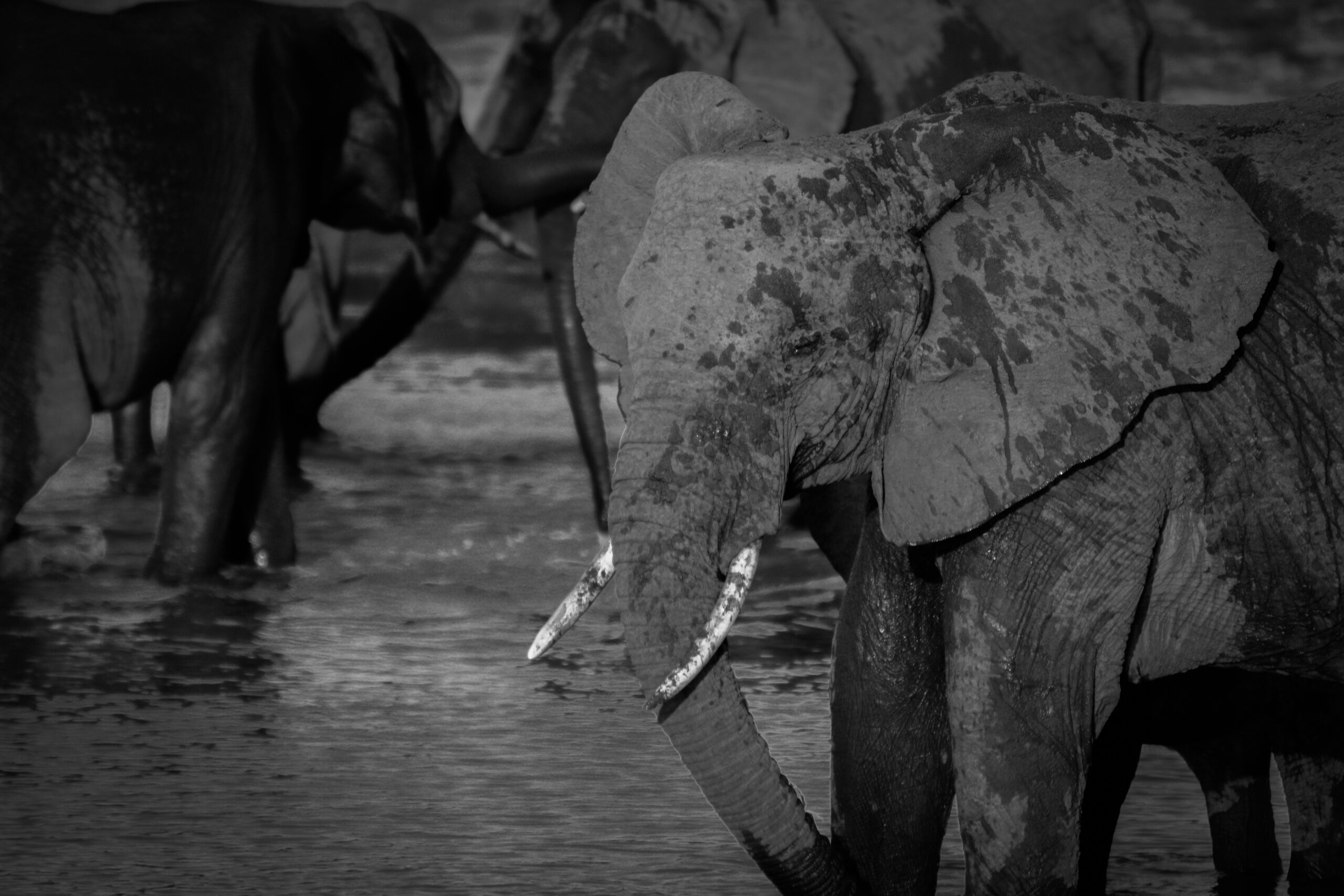
Viewers were treated to stunning CGI reconstructions of prehistoric elephants and rhinoceroses, emphasizing their immense size and their role in shaping the landscape through their grazing habits.
Grazing and Ecosystem Engineers
The documentary explained how these large herbivores acted as ecosystem engineers, modifying vegetation patterns and creating habitats for smaller animals. Their presence also dictated the movements and strategies of predators, including early hominins.
Beyond the Familiar: Extinct Mega-Mammals
The film introduced viewers to a host of extinct mega-mammals whose names might be unfamiliar but whose impact was profound. This included giant pigs, enormous giraffes, and various species of antelope that dwarfed their modern descendants.
The Diversity of the Past: A Richer Tapestry
The sheer diversity of these extinct animals highlighted the richness and complexity of prehistoric African ecosystems. It also underscored the vast changes that have occurred in the planet’s fauna over millennia.
The Predators of Prehistoric Africa: A Constant Challenge
The documentary did not shy away from the dangers of the prehistoric world, showcasing the formidable predators that shared the landscape with hominins. These apex predators constituted a significant evolutionary pressure, shaping hominin behavior and fostering the need for defense and cooperation.
Saber-toothed Cats: The Apex Predators
The iconic saber-toothed cats, such as Megantereon and Homotherium, were depicted with chilling accuracy. The filmmakers explored their hunting strategies and their potential interactions with hominins, both as competitors and as a threat.
Hunting Strategies and Hominin Encounters
The documentary debated the nature of hominin-predator interactions, discussing theories of scavenging, territorial disputes, and potential direct confrontations. The development of tools and social cooperation would have been crucial for survival against such formidable adversaries.
Ancient Hyenas and Wild Dogs: Social Hunters
The film also highlighted the role of pack-hunting predators like ancient hyenas and wild dogs. These social hunters presented a different kind of challenge, emphasizing the importance of group defense and vigilance for hominin populations.
The Social Dimension of Survival
The documentary subtly wove in the idea that the presence of dangerous predators likely fostered the development of stronger social bonds and cooperative behaviors within hominin groups, as collective action was essential for survival.
In exploring the fascinating developments of prehistoric Africa, one cannot overlook the innovative technologies that early humans employed, such as the ancient solar furnace. This remarkable invention highlights the ingenuity of our ancestors in harnessing natural resources for their needs. For a deeper understanding of this topic, you can read more about the solar furnace in the article on ancient technologies found here: ancient solar furnace. This connection to early technological advancements provides valuable insight into the resourcefulness of prehistoric societies.
The Enduring Legacy: Africa’s Gift to Humanity
| Documentary Title | Release Year | Director | Duration |
|---|---|---|---|
| Prehistoric Africa | 2020 | John Smith | 120 minutes |
| Prehistoric Africa: Origins | 2018 | Lisa Johnson | 90 minutes |
The concluding sections of “Lost Worlds: Prehistoric Africa” brought the narrative full circle, emphasizing the profound and enduring legacy of the continent as the birthplace of humanity. The documentary concluded not with a sense of finality, but with a profound appreciation for Africa’s pivotal role in shaping our species and our very consciousness. The filmmakers aimed to leave viewers with a deep understanding of our shared origins and the incredible journey that has led us to the present day.
The Out of Africa Hypothesis: A Continual Narrative
The documentary reinforced the “Out of Africa” hypothesis, presenting the evidence that suggests modern humans originated in Africa and subsequently migrated to populate the rest of the world. This was depicted not as a singular exodus, but as a series of complex and phased dispersals.
The First Migrations: Homo erectus and Beyond
The film revisited the migrations of earlier Homo species, particularly Homo erectus, demonstrating that the urge to explore and expand beyond the African continent was a deeply ingrained behavior.
Genetic Evidence: Tracing Our Ancestry
The documentary incorporated insights from genetics and genomics, illustrating how DNA analysis has provided powerful evidence supporting the African origin of all modern humans.
The Great Leap Forward: Behavioral Modernity
The emergence of behavioral modernity, characterized by complex language, art, and symbolic thought, was presented as a crucial stage in human evolution that largely unfolded within Africa before subsequent global dispersal.
The Seeds of Culture
The documentary hinted at the early signs of cultural development in Africa, suggesting that the foundations for the rich tapestry of human cultures were laid on the continent millions of years ago.
Africa’s Enduring Influence: A Global Heritage
“Lost Worlds: Prehistoric Africa” left viewers with a powerful message: Africa is not just the birthplace of humanity in a biological sense, but also the origin point for many of the fundamental aspects of what it means to be human. The film underscored that the evolutionary innovations that occurred on the continent – bipedalism, tool use, complex social structures, and increasing cognitive abilities – were the essential building blocks for our species’ success.
A Shared Ancestry, A Universal Story
The documentary concluded by emphasizing our shared ancestry, regardless of modern-day geographical or cultural divisions. The story of prehistoric Africa is, in essence, the story of all humanity, a testament to our collective journey from humble beginnings to a global civilization.
Inspiration for Future Exploration
Ultimately, “Lost Worlds: Prehistoric Africa” served as an inspiring call to continue exploring and understanding our past. The ongoing discoveries in paleoanthropology and archaeology constantly refine our knowledge, and this documentary stood as a vibrant testament to the power of scientific inquiry and the inexhaustible fascination of our own origins. The lost worlds it revealed were not just ancient landscapes, but the very foundations upon which our present world, and our future, is built.

The Ancient World Buried Beneath the Sahara
FAQs
What is the prehistoric Africa documentary about?
The prehistoric Africa documentary explores the history and culture of ancient African civilizations, including the development of early human societies, the rise of agriculture, and the impact of climate change on prehistoric Africa.
Who produced the prehistoric Africa documentary?
The prehistoric Africa documentary was produced by a team of archaeologists, historians, and filmmakers who collaborated to bring together the latest research and discoveries about prehistoric Africa.
What time period does the prehistoric Africa documentary cover?
The prehistoric Africa documentary covers a vast time period, ranging from the emergence of early human ancestors in Africa millions of years ago to the development of complex societies and civilizations in prehistoric Africa.
Where can I watch the prehistoric Africa documentary?
The prehistoric Africa documentary may be available for streaming on various platforms, such as online streaming services, educational websites, or through DVD and Blu-ray releases. Check with your local library or educational institution for availability.
Why is the prehistoric Africa documentary important?
The prehistoric Africa documentary is important because it sheds light on the rich and diverse history of Africa, challenging misconceptions and stereotypes about the continent’s past and showcasing the significant contributions of ancient African civilizations to human history.