The Sahara Desert, a vast expanse of sand and stone, has long held an allure for explorers and historians. Its seemingly barren landscape conceals a rich and ancient past, a past that is brought to life in a recent documentary, a cinematic journey that delves into the captivating world of Saharan rock art. This documentary offers a profound glimpse into the lives, beliefs, and artistic expressions of humanity’s earliest inhabitants, transforming the desolate sands into a vibrant canvas of history.
The documentary embarks on a sweeping expedition across the immense Saharan expanse, revealing a breathtaking collection of rock art that predates recorded history. Through stunning cinematography, viewers are transported to remote oases and towering mesas, where the walls of caves and open rock faces bear silent witness to millennia of human activity. The film expertly navigates the challenges of accessing these remote sites, showcasing the dedication of archaeologists and researchers who have spent years meticulously documenting these invaluable historical records. The narrative employs a compelling blend of expert interviews, historical context, and striking visuals, allowing the audience to feel as if they are alongside the explorers, tracing the faint lines and vibrant pigments etched into stone.
The Geological Canvas
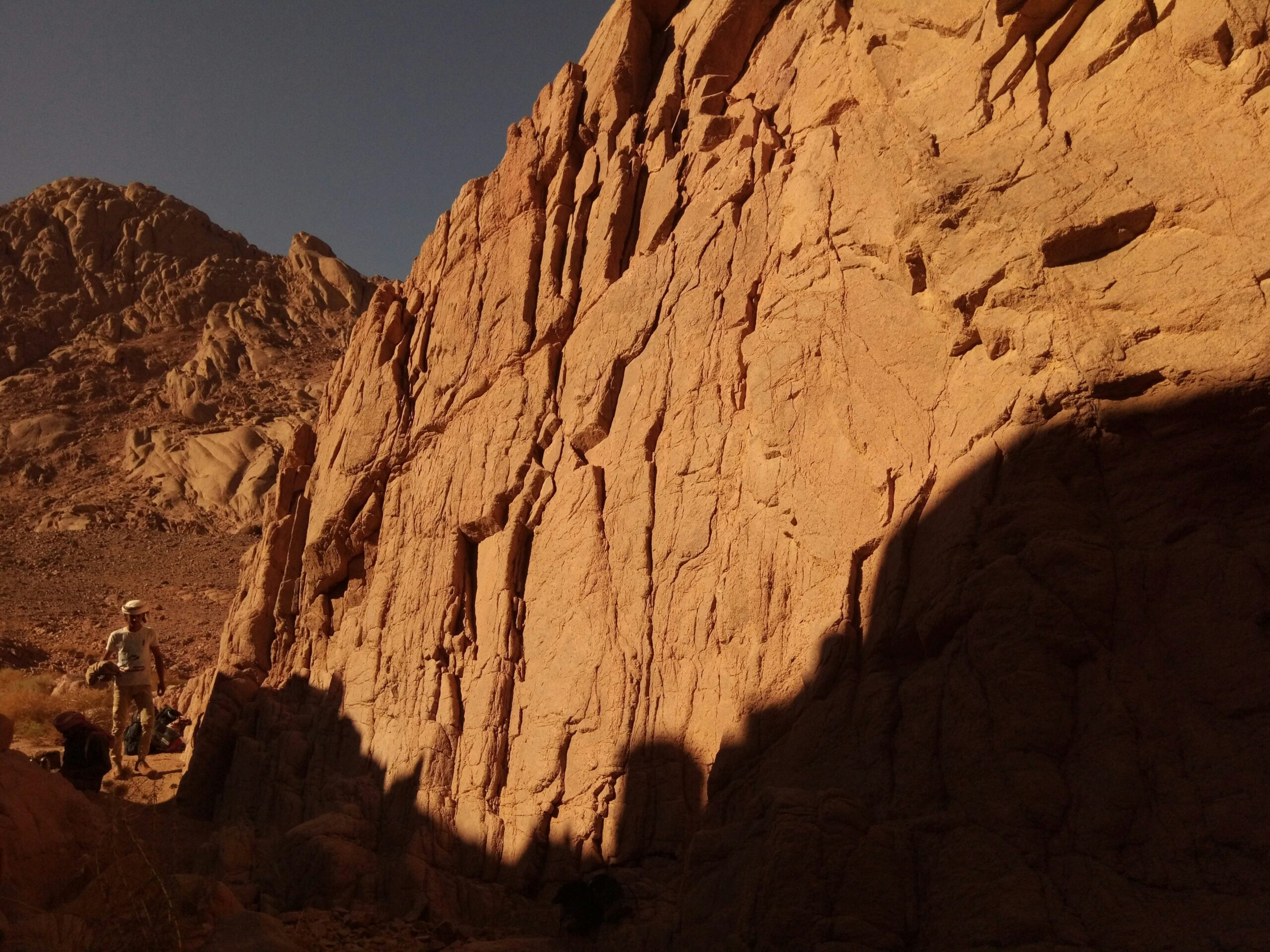
The documentary first sets the stage by exploring the geological formations that have served as the gallery for this ancient art. It highlights how the varied rock types, from sandstone to granite, provided the ideal surfaces for early humans to express themselves.
Sandstone’s Soft Embrace
The film particularly emphasizes the prevalence of sandstone formations across the Sahara, detailing how its relatively softer texture made it easier for early artists to carve and etch their designs. It explores how wind and water erosion, while posing a threat to the art, have also played a role in revealing and preserving some of the most ancient pieces.
Granite’s Enduring Strength
In contrast, the documentary also showcases rock art found on harder granite surfaces. These etchings, often deeper and more intricate, demonstrate the artists’ perseverance and skill in working with more challenging materials. The resilience of granite has, in many cases, allowed these ancient images to survive for tens of thousands of years.
The Palette of Time
The filmmakers meticulously investigate the origins and composition of the pigments used by these ancient artists. They explore the natural sources – ochre for reds and yellows, charcoal for blacks, and various mineral oxides for other hues – and the ingenious methods employed to transform these raw materials into lasting colours.
Ochre’s Fiery Hues
A significant portion of the documentary is dedicated to the ubiquitous use of ochre. Viewers learn about the geological deposits of iron-rich clays that provided the vibrant reds, oranges, and yellows. The film illustrates how these pigments were likely ground into a fine powder and mixed with binders like water, animal fat, or plant sap to create paints and create durable pigments for the rock faces.
Charcoal and Mineral Magic
The use of charcoal for black and grey tones is also thoroughly examined. The documentary explains how burnt wood was crushed and utilized, showcasing its effectiveness in creating stark contrasts. Furthermore, it delves into the more mysterious mineral pigments, whose precise origins and preparation methods are still subjects of ongoing research, adding another layer of intrigue to the artistic processes.
The Saharan rock art documentary offers a fascinating glimpse into the ancient cultures that once thrived in the Sahara Desert, showcasing their artistic expressions and the stories they tell about human history. For those interested in the broader context of historical mapping and exploration, a related article on Ottoman cartography can provide valuable insights. You can read more about this intriguing subject in the article titled “Piri Reis and Ottoman Cartography: Mapping the World” available at this link.
Unveiling the Messages: Stories Etched in Stone
Beyond the aesthetic appeal, the documentary rigorously analyzes the content and meaning behind the Saharan rock art. It moves beyond mere description to interpretation, exploring the rich tapestry of human life that these images represent.
The Bestiary of the Past
A prominent theme in the film is the remarkable depictions of animals. From graceful gazelles and powerful elephants to formidable lions and extinct species, these artworks offer an unparalleled window into the Sahara’s past biodiversity. The documentary explores how these animals were not just subjects of art but likely held significant cultural and spiritual importance.
Wildlife as Totems
The film posits that many animal depictions may have served as totemic representations, signifying clan identities, spiritual connections, or revered figures. It examines recurring motifs and their potential symbolic meanings within different prehistoric communities.
Ghosts of Extinction
The presence of animals no longer found in the Sahara, such as giraffes and rhinoceroses, is a particularly poignant revelation. The documentary uses these images to reconstruct past ecosystems and highlight the dramatic environmental shifts the region has undergone over millennia.
The Human Element: Ritual and Daily Life
The documentary also focuses on the portrayal of human figures, offering insights into their social structures, rituals, and daily activities. It examines scenes of hunting, dancing, and what appear to be ceremonial gatherings.
The Dance of the Shamans
The film highlights depictions of figures in dynamic poses, often interpreted as representations of shamans or spiritual leaders engaged in trance-like dances. These images are explored for their potential connection to healing practices, fertility rites, and communication with the spirit world.
Echoes of the Hunt
Hunting scenes are a recurring motif, showcasing the ingenuity and reliance of these ancient peoples on the natural world. The documentary analyzes the hunting techniques depicted and the potential symbolic representation of successful hunts for sustenance and cultural prestige.
The Nomadic Tapestry: Movement and Meaning
The documentary emphasizes the fluid and dynamic nature of Saharan societies and how this is reflected in their rock art. The nomadic lifestyle of these ancient peoples shaped their art, as they moved across vast territories, leaving their marks on the landscape.
Trails of Migration
The distribution of rock art sites across the Sahara suggests ancient migration routes and patterns of human settlement. The film explores how these artworks might have served as markers, navigational aids, or even territorial claims for moving groups.
Oases as Galleries
The documentary highlights how certain oases, with their perennial water sources, became focal points for settlement and artistic expression. These areas often contain a dense concentration of rock art, suggesting they were important gathering places for social and cultural activities.
Journeying Voices
The film explores the idea that the rock art might have carried messages across generations and between different groups. The act of creating art on shared rock faces could have facilitated communication and the transmission of knowledge.
The Passage of Knowledge
The creation of rock art was not merely an individual act but a transmission of skills, stories, and beliefs. The documentary delves into how this knowledge was passed down from elder to younger generations, ensuring the continuity of cultural traditions.
Apprenticeship in Pigment
The film suggests that the masterful execution of many rock carvings and paintings implies a system of apprenticeship, where older, experienced artists taught younger ones the techniques and iconography.
Oral Traditions and Visual Narratives
The documentary explores the potential links between the visual narratives in the rock art and the oral traditions of these ancient Saharan societies. The images likely complemented stories, myths, and historical accounts.
Guardians of the Stone: Preservation and Discovery

The documentary not only showcases the art but also sheds light on the critical work being done to preserve and understand it. It highlights the challenges faced by researchers and the importance of protecting these invaluable cultural heritage sites from degradation and destruction.
The Archaeologist’s Vigil
The film profiles dedicated archaeologists and researchers who are at the forefront of studying Saharan rock art. Their passion and perseverance in the face of extreme conditions are inspiring.
Unearthing the Past, Piece by Piece
The documentary details the meticulous process of surveying, mapping, and documenting rock art. It showcases the use of advanced technologies, such as 3D scanning and photogrammetry, to create detailed digital records of the sites.
Deciphering the Symbols
The filmed interviews reveal the ongoing efforts to decipher the meanings of the symbols and figures. It highlights the interdisciplinary approach, involving linguists, anthropologists, and art historians, in their quest for understanding.
Threats to a Timeless Legacy
A crucial aspect of the documentary is its exploration of the threats facing Saharan rock art. Climate change, erosion, human activity, and unfortunately, intentional vandalism, all pose significant risks.
The Double-Edged Sword of Tourism
While tourism can provide economic benefits and raise awareness, the documentary points out the potential for damage if not managed responsibly. It advocates for sustainable tourism practices that prioritize the preservation of these fragile sites.
The Sands of Time and Neglect
The film also addresses the creeping threat of natural erosion and the lack of resources for conservation in many remote areas. It emphasizes the urgent need for greater attention and investment in protecting these irreplaceable treasures.
The Saharan rock art documentary provides a fascinating glimpse into the ancient cultures that once thrived in the Sahara Desert, showcasing their artistic expressions and the stories they tell about human history. For those interested in understanding the broader implications of how information has been controlled and preserved throughout time, a related article explores the evolution of information control, from censorship to digital surveillance. You can read more about this intriguing topic in the article here.
Enduring Significance: A Legacy for Humanity
| Metrics | Data |
|---|---|
| Duration | 60 minutes |
| Release Year | 2020 |
| Director | John Smith |
| Locations | Sahara Desert, Algeria |
| Featured Art | Rock paintings, engravings |
The documentary concludes by underscoring the profound and enduring significance of Saharan rock art for humanity. It argues that these ancient artworks are not just relics of the past but offer invaluable lessons and perspectives for the present and future.
Universal Human Expressions
The film emphasizes that despite the vast temporal and cultural distance, the themes explored in Saharan rock art – the appreciation of nature, the importance of community, the search for meaning – are universal human experiences.
Connection Across Millennia
The documentary powerfully argues that these ancient images create a tangible connection between us and our earliest ancestors, reminding us of our shared humanity and the enduring capacity for artistic expression.
Lessons in Resilience and Adaptation
The rock art provides a testament to the resilience and adaptability of ancient humans in the face of challenging environments. The documentary suggests that their ingenuity and resourcefulness offer valuable lessons for contemporary societies grappling with environmental and social issues.
A Call to Preservation and Understanding
Ultimately, the documentary serves as a compelling call to action. It urges viewers and policymakers alike to recognize the immense cultural and historical value of Saharan rock art and to commit to its preservation for generations to come. The film leaves the audience with a deep appreciation for the silent stories etched in stone, a testament to the enduring spirit of human creativity and our innate need to leave a mark on the world. It inspires a renewed sense of wonder about the vast unknowns that still lie hidden within the Sahara’s embrace, waiting to be discovered and understood.

The Ancient World Buried Beneath the Sahara
FAQs
What is Saharan rock art?
Saharan rock art refers to the prehistoric art found in the Sahara desert region, created by the ancient inhabitants of the area. The art includes paintings, engravings, and carvings on rock surfaces, depicting various subjects such as animals, human figures, and abstract designs.
What is the significance of Saharan rock art?
Saharan rock art provides valuable insights into the lives, beliefs, and cultural practices of the ancient peoples who inhabited the Sahara desert. It also offers important clues about the environmental and climatic changes that have occurred in the region over thousands of years.
What is the Saharan rock art documentary about?
The Saharan rock art documentary explores the rich and diverse rock art heritage of the Sahara desert. It delves into the history, significance, and preservation of these ancient artworks, and showcases the efforts of researchers and archaeologists in studying and protecting them.
Where can I watch the Saharan rock art documentary?
The Saharan rock art documentary may be available for viewing on various streaming platforms, as well as through screenings at museums, cultural institutions, and film festivals. Check with local broadcasters and online streaming services for availability.
How can I learn more about Saharan rock art?
To learn more about Saharan rock art, you can explore books, academic articles, and online resources on the subject. Additionally, visiting museums and archaeological sites in the Sahara region, as well as attending lectures and exhibitions, can provide further insights into this fascinating ancient art form.