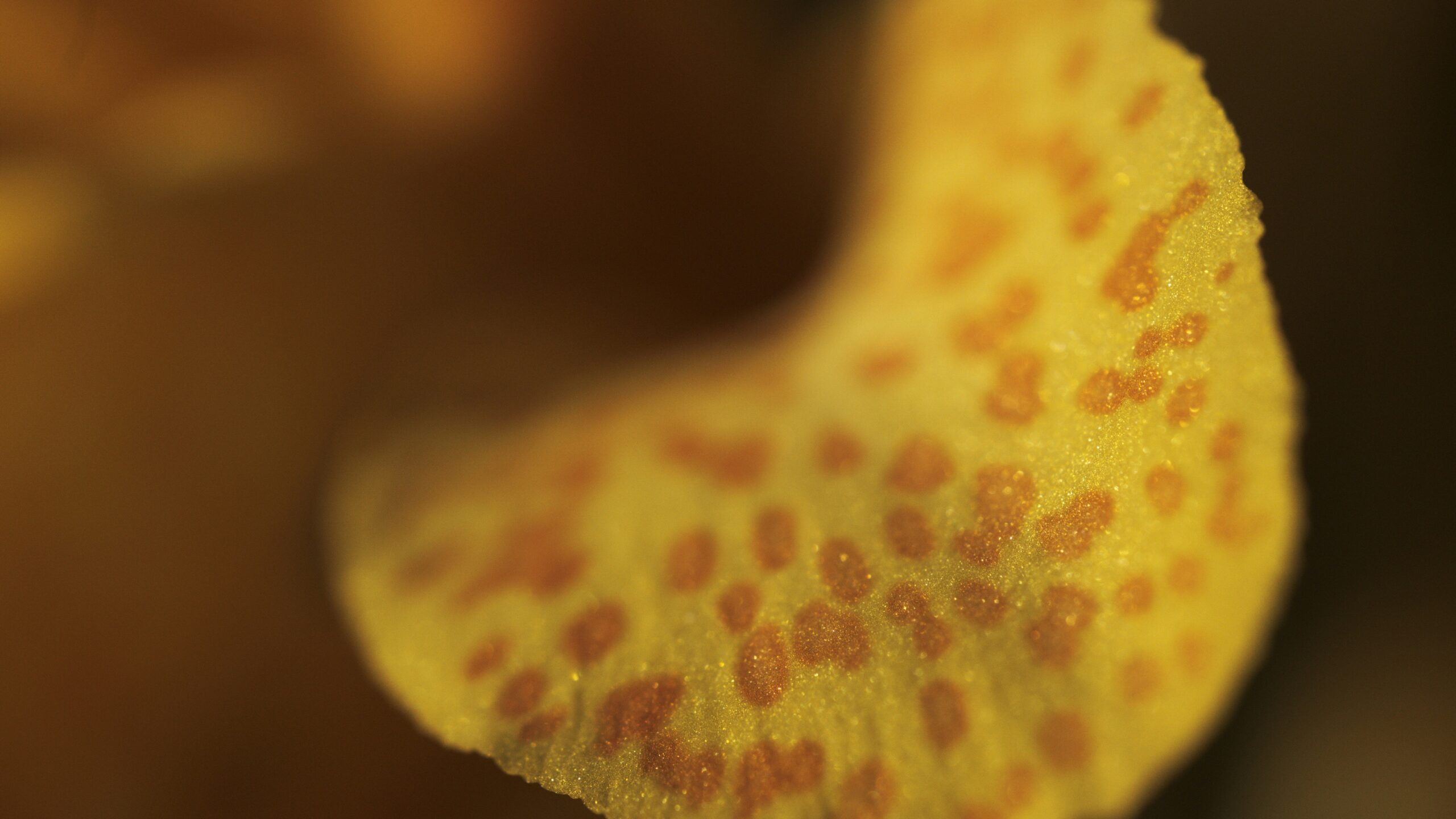
The Earth’s climate is a dynamic entity, constantly shifting and evolving over vast geological timescales. While modern meteorological data provides an invaluable window into recent climatic fluctuations, understanding the grand narrative of Earth’s past temperatures, precipitation patterns, and atmospheric compositions requires a different approach. Paleoclimatology, the study of past climates, draws upon a diverse array of proxy data – indirect indicators preserved in the geological record. Among these, fossil pollen grains stand out as remarkably resilient and information-rich archives, offering an intimate glimpse into the ancient ecosystems and, by extension, the climates that fostered them. These microscopic botanical ballots, dispersed by the wind, water, or animals, travel far from their source and settle in sedimentary layers, where they can persist for millennia, even millions of years, waiting to be unearthed and deciphered.
The Ubiquitous Messenger: What is Pollen?
Pollen grains are the male gametophytes of seed-producing plants. Each species produces pollen with a distinct morphology, characterized by its size, shape, and the intricate ornamentation of its outer wall, known as the exine. This exine is composed of sporopollenin, an exceptionally durable biopolymer that resists degradation from environmental factors such as UV radiation, oxidation, and microbial decay. It is this inherent resilience that makes pollen such a powerful tool for paleoclimatic reconstruction.
Evolutionary Significance of Pollen
The evolution of pollen itself is a remarkable story, intimately tied to the diversification and success of flowering plants (angiosperms). The development of flowers, with their specialized structures for attracting pollinators and protecting ovules, facilitated more efficient reproduction and led to an explosion of plant diversity. Pollen, as the vehicle for fertilization, evolved in parallel, developing diverse strategies for dispersal, from wind pollination (anemophily) relying on vast quantities of lightweight, smooth pollen, to insect pollination (entomophily) often involving heavier, stickier pollen grains designed to adhere to specific insect vectors. These different dispersal mechanisms, in turn, influenced where pollen grains ultimately settled and were preserved.
The Anatomy of a Pollen Grain: Clues Encoded in Structure
The microscopic architecture of a pollen grain is a treasure trove of information.
Size and Shape: Broad Indicators of Plant Type
While seemingly simple, the overall size and basic shape of a pollen grain can immediately place it within broad taxonomic groups. For instance, grasses typically produce small, spherical pollen, while many tree species yield larger, more angular grains. This initial categorization is crucial for understanding the dominant plant communities present in a given paleoenvironment.
Exine Ornamentation: Species-Specific Signatures
The surface of the exine, with its pores (colpi), furrows (sulci), and intricate sculpturing (e.g., reticulate, spinulose, scabrate), serves as a unique fingerprint for different plant species and even genera. Botanists and palynologists (scientists who study pollen and spores) have meticulously documented the pollen morphologies of countless extant plant species, creating vast reference collections that allow for the identification of fossil pollen grains. The presence of specific sculptural elements, the number and arrangement of pores, and the thickness of the exine are all critical diagnostic features.
Intine: The Inner Layer’s Role
While the exine is the primary focus for identification due to its durability, the intine, the inner wall of the pollen grain, also contains valuable information, particularly regarding germination pathways and physiological adaptations to environmental conditions. Though less commonly preserved in the fossil record, its presence indicates reproductive viability.
Fossil pollen serves as a crucial indicator of ancient climate conditions, providing insights into past ecosystems and their responses to climate change. An interesting article that explores the implications of climate change on trade and economic relations can be found at this link. By examining how climate influences economic interactions, it highlights the interconnectedness of environmental changes and socio-economic factors, further emphasizing the importance of understanding ancient climate evidence through studies of fossil pollen.
The Pollen Record: A Sedimentary Archive
Pollen grains are rarely found in isolation. They are typically embedded within sedimentary matrices such as lake sediments, marine sediments, peat bogs, loess deposits, and even ice cores. The type of sediment provides context about the depositional environment, which in turn offers clues about the surrounding landscape and climate.
Lake Sediments: Pristine Archives of Terrestrial Vegetation
Lakes are natural traps for sediments and the pollen they contain. Over time, layers of organic matter and mineral particles accumulate on the lakebed, preserving a chronological record of the vegetation in the surrounding watershed. The stillness of a lake environment minimizes disturbance, leading to excellently preserved and stratified pollen assemblages. The consistent input of pollen from the watershed, combined with the gradual accumulation of sediment, creates a high-resolution record of environmental change.
Stratigraphy: Reading the Layers of Time
The fundamental principle of sedimentary analysis is stratigraphy – the study of rock layers and their sequence. In pollen analysis, distinct pollen zones are identified within sediment cores, each representing a period of relatively stable vegetation and, by inference, climate. The deeper the sediment layer, the older the pollen it contains.
Sediment Core Analysis: Extracting the Past
Scientists extract sediment cores using specialized drilling equipment. These cores are then meticulously analyzed in the laboratory, with pollen extracted from samples taken at regular intervals along the core. The meticulous dating of these sediment layers, often using radiometric methods like radiocarbon dating or luminescence dating, is crucial for establishing the timescale of climatic changes.
Peat Bogs: Waterlogged Havens for Paleo-Environmental Data
Peat bogs, characterized by waterlogged conditions and the accumulation of partially decayed plant material, are exceptional environments for pollen preservation. The anaerobic conditions in bogs significantly inhibit decomposition, safeguarding pollen grains from degradation. The high organic content also aids in pollen concentration.
Anaerobic Conditions: Inhibiting Decomposition
The waterlogged, oxygen-poor environment of a peat bog is a key factor in the exceptional preservation of pollen. Microorganisms that would typically break down organic matter, including pollen, are starved of oxygen and their activity is drastically reduced. This allows pollen to accumulate over long periods, forming dense layers.
Bog Vegetation: Reflecting Local Conditions
The vegetation that forms the peat itself, such as sphagnum mosses and sedges, also provides valuable paleo-environmental information. The types of plants contributing to the peat formation indicate the local hydrological conditions and nutrient availability, which are closely linked to climate.
Loess Deposits: Windblown Records of Arid and Semi-Arid Environments
Loess, fine-grained, wind-deposited sediment, is prevalent in many large river basins and arid or semi-arid regions. These deposits can preserve pollen from the surrounding landscape, offering insights into past vegetation and climatic conditions, particularly during glacial periods when dust storms were more frequent. The grain size of loess is indicative of transport energy and thus wind strength.
Aeolian Processes: The Role of Wind
Loess deposition is a direct consequence of aeolian (wind-driven) processes. During glacial periods, extensive ice sheets reduced vegetation cover, exposing large areas of bare soil and sediment. Strong winds then transported this fine material over vast distances, depositing it as loess.
Pollen Assemblages in Loess: Indicators of Grasslands and Steppe
Pollen found in loess deposits often reflects grassland or steppe environments, indicating drier, cooler conditions. The presence of pollen from drought-tolerant species provides strong evidence for arid or semi-arid climates.
Deciphering the Pollen Signal: From Grains to Climate
The identification and quantification of pollen grains within a sediment sample form the basis for paleoclimatic reconstruction. This process involves a meticulous and multi-step approach.
Sample Preparation: Isolating the Microscopic Evidence
Extracting pollen from its sedimentary matrix requires a series of chemical and physical treatments designed to remove unwanted organic and inorganic material while leaving the durable pollen grains intact.
Chemical Treatments: Dissolving the Matrix
Acid treatments, often using hydrofluoric acid (HF) or hydrochloric acid (HCl), are employed to dissolve mineral components like silica and carbonates. Alkalines, such as potassium hydroxide (KOH), are used to break down organic matter, while sieving and centrifuging help to separate pollen from larger debris.
Physical Separation Techniques: Isolating the Target
Beyond chemical means, physical methods like density gradient centrifugation are used to further purify the pollen sample. This involves spinning the sample in a solution of specific density, causing pollen grains to settle at a particular level, separating them from other resistant microfossils.
Pollen Identification: The Art and Science of Recognition
Under a microscope, palynologists meticulously identify each pollen grain, comparing it to reference collections of modern pollen. This is a skilled endeavor, requiring a keen eye for detail and extensive knowledge of plant morphology.
Microscope Techniques: Magnification and Observation
Light microscopy is the primary tool for pollen identification, with magnifications typically ranging from 400x to 1000x. Electron microscopy, particularly scanning electron microscopy (SEM), can provide even higher resolution images of exine ornamentation, aiding in the identification of challenging or poorly preserved grains.
Reference Collections: The Palynologist’s Bible
The cornerstone of pollen identification is a comprehensive library of reference samples from extant plants. These collections, meticulously curated by palynologists worldwide, serve as the ultimate guide for comparing unknown fossil pollen grains to known species.
Pollen Analysis: Quantifying the Past Assemblages
Once identified, the pollen grains are quantified to determine the relative abundance of different plant types within a sample. This quantitative data forms the basis for reconstructing past vegetation communities.
Percentages and Ratios: Relative Abundance of Species
The abundance of each pollen type is typically expressed as a percentage of the total pollen count. For example, if pine pollen constitutes 20% of the total pollen in a sample, it indicates that pine trees were a significant component of the surrounding vegetation. This allows for the calculation of pollen influx rates, representing the amount of pollen deposited per unit area per unit time, which can be a more robust indicator of vegetation density.
Pollen Diagrams: Visualizing Temporal Changes
Pollen data is often presented visually in the form of pollen diagrams, also known as pollen profiles or spectra. These diagrams display the relative abundance of different pollen types plotted against depth or age in the sediment core, allowing for the visualization of changes in vegetation over time.
Inferring Climate from Pollen: Bridging Vegetation and Environment
The reconstructed vegetation patterns, derived from pollen analysis, are then translated into climatic inferences using sophisticated techniques and our understanding of modern plant-climate relationships.
Biogeographical Indicators: Plants as Climate Sentinels
Different plant species and communities are adapted to specific climatic conditions, including temperature, precipitation, and soil moisture. By identifying the modern climatic envelopes of the plant species inferred from the fossil pollen assemblage, scientists can estimate the past climate.
Temperature Indices: Indicating Thermals
The presence of pollen from plants that thrive in specific temperature ranges (e.g., boreal forests versus temperate deciduous forests) provides direct evidence for past temperature regimes. For instance, the dominance of spruce and fir pollen might suggest cooler, subarctic conditions, while oak and maple pollen would indicate a warmer, temperate climate.
Precipitation and Humidity: Gauging Moisture
The types of plants found in a pollen assemblage can also indicate past precipitation levels and humidity. For example, pollen from water-loving plants like sedges and reeds suggests wetter conditions, while pollen from drought-tolerant species like sagebrush points to drier climates.
Ecological Tolerances: Matching Past Plants to Present Climates
The ecological tolerances of individual plant species – their ability to survive and reproduce under varying environmental conditions – are critical for paleoclimatic reconstruction. Scientists use extensive databases on the distribution and environmental requirements of modern plants to infer the conditions under which ancient plant communities grew.
Species-Specific Climate Requirements: Detailed Insights
Detailed knowledge of the specific temperature and precipitation requirements of individual plant species is essential. For example, certain species of birch may be adapted to colder climates, while others prefer more temperate conditions. By analyzing the combination of pollen types, a more nuanced understanding of past temperature and precipitation can be achieved.
Community-Level Responses: Holistic Interpretation
It’s not just individual species but entire plant communities that reflect climatic conditions. The co-occurrence of certain plant types in a pollen assemblage provides a holistic picture of the prevailing climate. For instance, a pollen assemblage dominated by grasses and forbs, with limited tree pollen, might suggest a grassland ecosystem indicative of a semi-arid climate with lower annual precipitation.
Fossil pollen serves as a crucial tool in reconstructing ancient climate conditions, providing insights into past ecosystems and their responses to climatic changes. A fascinating exploration of historical evidence can be found in an article that discusses the Piri Reis map, which reveals advanced ancient navigation technology and hints at the understanding of geography in earlier civilizations. For more details, you can read the article here. This connection between ancient maps and climate evidence underscores the intricate relationship between human knowledge and environmental changes throughout history.
Applications and Limitations: A Powerful Tool with Caveats
Fossil pollen analysis has proven to be an invaluable tool for reconstructing past climates, contributing significantly to our understanding of Earth’s long-term climate variability and the impact of climate change. However, it is essential to acknowledge its limitations.
Reconstructing Past Environments: A Window into Ancient Worlds
The primary application of fossil pollen analysis lies in its ability to reconstruct past vegetation and, by extension, past climates. This has enabled scientists to:
Tracking Vegetation Shifts: Mapping Paleo-Landscapes
By analyzing pollen sequences from different time periods and locations, scientists can map out how vegetation patterns have changed in response to climatic shifts, land-use changes, and other environmental factors. This allows for the reconstruction of ancient landscapes and the ecosystems they supported.
Understanding Ecosystem Dynamics: Insights into Plant-Animal Interactions
The reconstruction of past plant communities provides crucial context for understanding past animal populations and their interactions. For example, knowing the prevalence of certain types of grasses can inform our understanding of grassland herbivores.
Dating and Timescales: Providing Chronological Frameworks
While pollen analysis itself doesn’t directly provide absolute dates, it often works in conjunction with other dating methods.
Correlation with Other Proxies: Cross-Validation of Data
Pollen records are frequently correlated with other paleoclimatic proxies, such as ice cores, marine sediment cores, and tree rings, to provide robust chronological frameworks and cross-validate findings. This allows for a more comprehensive and reliable reconstruction of past climate.
Evolutionary Stages: Using Pollen for Biostratigraphy
In some cases, the appearance or disappearance of certain pollen types can be used as biostratigraphic markers, helping to date geological strata, particularly in younger sediments where distinct evolutionary lineages of pollen can be identified.
Limitations of Pollen Analysis: Sources of Uncertainty
Despite its power, pollen analysis is not without its limitations, and careful consideration of these factors is crucial for accurate interpretation.
Pollen Productivity and Dispersal: Not Always a Direct Reflection
The abundance of pollen in a sediment sample is not always a direct reflection of the abundance of the parent plant species. Different plant types have varying pollen productivity (how much pollen they produce) and different dispersal mechanisms (how they spread their pollen). Wind-pollinated species, for instance, tend to produce vast quantities of pollen that can be transported long distances, potentially over-representing their local abundance.
Preservation Bias: Not All Pollen Survives Equally
The durability of pollen varies between species. Some pollen types may degrade more readily than others in certain depositional environments, leading to a biased representation of the original vegetation.
Diachrony and Local vs. Regional Signals: Distinguishing Influences
Pollen can be transported over significant distances, meaning that a pollen assemblage in a sediment core may contain a mix of local and regional pollen. Distinguishing between these signals and understanding the dominant source of the pollen is crucial for accurate paleoenvironmental reconstruction. Furthermore, climate changes can occur at different rates in different regions (diachrony), making it challenging to correlate events across vast distances.
Anthropogenic Influences: The Human Factor
In more recent geological periods, human activities such as deforestation, agriculture, and urbanization can significantly alter vegetation patterns and, consequently, pollen assemblages. It is essential to account for these anthropogenic influences when reconstructing past climates, particularly in the last few millennia.
In conclusion, fossil pollen grains are remarkable natural archives that unlock the secrets of Earth’s ancient climates. Their intricate structures, preserved for millennia in sedimentary layers, tell a story of past vegetation, offering invaluable insights into the temperatures, precipitation, and environmental conditions that shaped our planet. While acknowledging its limitations, the meticulous study of fossil pollen continues to be a cornerstone of paleoclimatological research, providing a crucial long-term perspective on climate change and helping us to better understand the complex and dynamic history of our world.

The Ancient World Buried Beneath the Sahara
FAQs

What is fossil pollen and how is it used as evidence for ancient climate?
Fossil pollen refers to the pollen grains found in sedimentary rocks and other geological formations. These pollen grains can provide valuable information about the ancient climate as different plant species thrive in different climate conditions. By studying the fossil pollen, scientists can reconstruct past vegetation and climate patterns.
How do scientists extract and analyze fossil pollen?
Scientists extract fossil pollen from sedimentary rocks and other geological formations using various methods such as chemical processing and microscopy. Once extracted, the pollen grains are analyzed to identify the plant species they belong to. This analysis helps in understanding the vegetation and climate of the past.
What can fossil pollen tell us about ancient climate?
Fossil pollen can provide information about the types of plants that existed in a particular region during ancient times. By studying the distribution of different plant species, scientists can infer the climate conditions such as temperature, precipitation, and humidity that prevailed during that time period.
What are some limitations of using fossil pollen as evidence for ancient climate?
One limitation of using fossil pollen is that it provides indirect evidence of ancient climate. While it can give valuable insights into past vegetation and climate, it does not provide direct measurements of temperature or other climate parameters. Additionally, the preservation of fossil pollen can vary, leading to potential biases in the data.
How does the study of fossil pollen contribute to our understanding of climate change?
Studying fossil pollen helps in understanding how past climate changes have influenced vegetation patterns. This information can be used to compare with modern climate change and assess the potential impacts on plant species and ecosystems. It also provides valuable data for climate models and predictions.