
History, often regarded as a factual recounting of past events, is frequently subject to manipulation and distortion. The narratives that societies construct about their pasts can be influenced by various factors, including political agendas, cultural biases, and the desire for power. This phenomenon, known as the deception of history, raises critical questions about the reliability of historical accounts and the motivations behind their creation.
As individuals seek to understand their identities and the world around them, they must grapple with the complexities of historical truth and the ways in which it can be obscured. The deception of history is not merely an academic concern; it has profound implications for contemporary society. When historical narratives are altered or fabricated, they can shape collective memory and influence public opinion.
The stories that are told—or omitted—can reinforce existing power structures or challenge them, making the study of history a battleground for ideological conflicts. Understanding the mechanisms behind historical deception is essential for fostering a more nuanced perspective on the past and its relevance to the present.
Key Takeaways
- Historical narratives are often shaped by power and control, leading to deception and manipulation.
- Examples of historical lies and manipulation can be found throughout history, impacting society’s understanding of the past.
- Historical deception has a significant impact on society, shaping beliefs and perceptions of the world.
- Historical revisionism is a method of uncovering the truth and challenging official historical narratives.
- Challenging official historical narratives is important for a more honest and accurate understanding of history and its impact on society.
The Role of Power and Control in Shaping Historical Narratives
Power dynamics play a crucial role in the construction of historical narratives. Those in positions of authority often have the means to dictate which events are remembered and how they are interpreted. This control can manifest in various forms, from government censorship to the promotion of specific ideologies through education systems.
As a result, history can become a tool for legitimizing power, reinforcing social hierarchies, and suppressing dissenting voices. The narratives that emerge from these power struggles can serve to unify a populace under a common identity or to marginalize certain groups deemed undesirable. Moreover, the manipulation of historical narratives can be seen as a strategy for maintaining control over societal discourse.
By shaping how history is understood, those in power can influence contemporary political debates and public perceptions. For instance, the glorification of national heroes or the vilification of historical adversaries can create a sense of national pride or animosity that persists through generations. This selective memory not only affects how societies view their past but also how they envision their future, as historical narratives often inform current policies and social attitudes.
Examples of Historical Lies and Manipulation
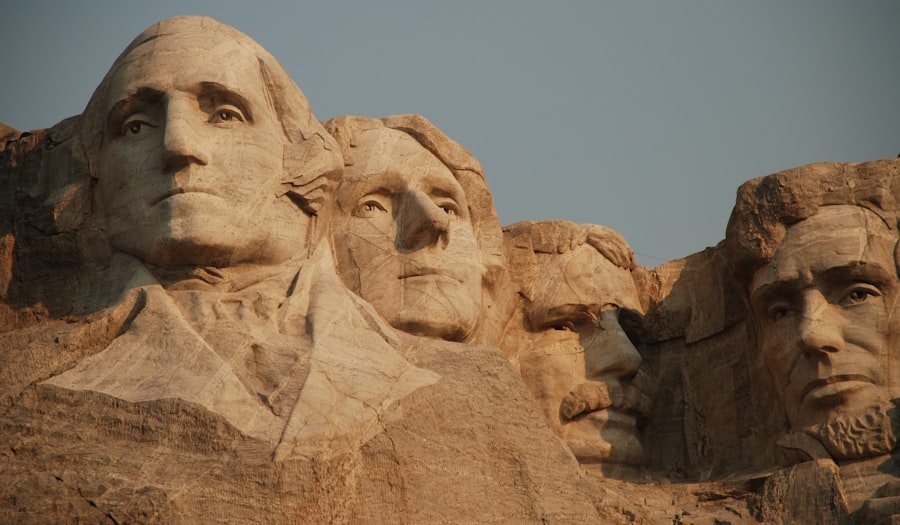
Throughout history, numerous examples illustrate the manipulation of historical narratives for various purposes. One prominent case is the portrayal of colonialism in many Western countries. In numerous educational systems, colonial powers have often been depicted as benevolent forces bringing civilization to “savage” lands, while the violent realities of colonization are downplayed or ignored.
This sanitized version of history serves to justify imperial actions and perpetuates a sense of superiority among descendants of colonizers. Another striking example is the revisionist history surrounding World War
In some countries, particularly those with authoritarian regimes, the narrative surrounding this global conflict has been altered to emphasize national heroism while downplaying or omitting atrocities committed by their own forces. For instance, certain nations may focus on their role in defeating fascism while neglecting discussions about war crimes or collaboration with oppressive regimes. Such manipulations not only distort public understanding but also hinder reconciliation efforts in post-conflict societies.
| Country | Narrative | Impact |
|---|---|---|
| Russia | Emphasizes role in defeating fascism | Distorts public understanding and hinders reconciliation |
| China | Focuses on national heroism | Downplays or omits atrocities committed by their own forces |
| Turkey | Neglects discussions about war crimes | Alters the narrative to emphasize national heroism |
The Impact of Historical Deception on Society
The impact of historical deception extends far beyond academic circles; it permeates societal values and collective identities. When individuals are presented with distorted versions of history, it can lead to a skewed understanding of their own culture and its place in the world. This misrepresentation can foster xenophobia, nationalism, and other divisive ideologies that thrive on ignorance and fear.
As people cling to simplified narratives that reinforce their beliefs, they may become resistant to new information that challenges their worldview. Furthermore, historical deception can have lasting effects on intergroup relations. When certain communities are portrayed negatively in historical narratives, it can perpetuate stereotypes and fuel animosity between groups.
For example, marginalized communities may find themselves relegated to the periphery of historical accounts, leading to feelings of alienation and resentment. Conversely, dominant groups may develop an inflated sense of entitlement based on a skewed understanding of their historical achievements. This cycle of misunderstanding can hinder social cohesion and impede efforts toward justice and equality.
Uncovering the Truth: Methods of Historical Revisionism

Historical revisionism is often viewed with suspicion; however, it can also serve as a vital tool for uncovering truths that have been obscured or ignored. Scholars and activists employ various methods to challenge established narratives and bring attention to marginalized perspectives. One approach involves rigorous archival research, where historians delve into primary sources to uncover evidence that contradicts prevailing interpretations.
This meticulous work can reveal hidden stories and provide a more comprehensive understanding of past events. In addition to archival research, oral histories play a crucial role in revising historical narratives. By collecting testimonies from individuals who have lived through significant events, historians can gain insights into experiences that may not be documented in official records.
These personal accounts often highlight the complexities of history and challenge monolithic narratives that overlook diverse perspectives. Through these methods, revisionists aim to create a more inclusive understanding of history that acknowledges the voices of those who have been silenced.
The Importance of Challenging Official Historical Narratives
Challenging official historical narratives is essential for fostering a more accurate understanding of the past. When individuals question dominant accounts, they open the door to alternative interpretations that may better reflect the complexities of human experience. This critical engagement with history encourages individuals to think independently and develop a more nuanced perspective on contemporary issues rooted in historical contexts.
Moreover, questioning established narratives can empower marginalized communities by validating their experiences and histories. When these groups see their stories represented in historical discourse, it fosters a sense of belonging and agency.
By challenging official narratives, societies can work toward reconciliation and build a more equitable future based on an honest appraisal of their past.
The Role of Education in Perpetuating Historical Deception
Education systems play a pivotal role in shaping how history is taught and understood. Curricula often reflect the values and priorities of those in power, leading to selective presentations of historical events. In many cases, textbooks may gloss over controversial topics or present them in a manner that aligns with nationalistic sentiments.
This approach not only limits students’ exposure to diverse perspectives but also reinforces existing biases. Furthermore, educators themselves may inadvertently perpetuate historical deception through their teaching methods. If teachers rely solely on standardized materials without encouraging critical thinking or discussion, students may accept distorted narratives without question.
To combat this issue, educators must strive to create inclusive learning environments that promote inquiry and dialogue about history’s complexities. By fostering critical engagement with historical narratives, education can become a powerful tool for challenging deception and promoting a more accurate understanding of the past.
The Influence of Media and Propaganda on Historical Perception
Media plays an influential role in shaping public perceptions of history through its portrayal of events and figures. News outlets, documentaries, films, and social media platforms all contribute to how individuals understand their pasts. However, media representations are often subject to bias and manipulation, leading to distorted portrayals that align with specific agendas.
For instance, sensationalized coverage of historical events can create misconceptions that persist long after the events themselves have passed. Propaganda is another powerful tool used to shape historical perception. Governments and organizations often employ propaganda techniques to promote particular narratives that serve their interests.
By framing events in specific ways or emphasizing certain aspects while downplaying others, propagandists can influence public opinion and create a skewed understanding of history. As consumers of media, individuals must remain vigilant and critically assess the information presented to them to avoid falling prey to these manipulative tactics.
The Ethics of Historical Truth-telling
The ethics surrounding historical truth-telling are complex and multifaceted. On one hand, there is a moral imperative to uncover and share accurate accounts of history; on the other hand, there are potential consequences associated with revealing uncomfortable truths. Historians must navigate these ethical dilemmas carefully, balancing the need for transparency with considerations for social cohesion and healing.
Moreover, ethical considerations extend beyond historians themselves; they involve society as a whole. Communities grappling with painful histories must confront difficult truths while also seeking paths toward reconciliation and understanding. This process requires sensitivity and empathy as individuals work through their collective memories and strive for a more just future based on an honest appraisal of their past.
The Consequences of Ignoring Historical Deception
Ignoring historical deception can have dire consequences for societies seeking progress and justice.
This complacency can lead to the repetition of past mistakes as societies fail to learn from their histories.
Additionally, neglecting historical deception can exacerbate divisions within communities by fostering resentment among marginalized groups whose stories remain unacknowledged. When these groups feel excluded from mainstream narratives, it can lead to social unrest and conflict as they seek recognition and validation for their experiences. To build a more cohesive society, it is essential for individuals to confront historical deception head-on and work toward creating inclusive narratives that honor diverse perspectives.
Moving Towards a More Honest and Accurate Understanding of History
To move toward a more honest and accurate understanding of history, individuals must engage actively with the past rather than passively accept established narratives. This process involves questioning dominant accounts, seeking out alternative perspectives, and embracing complexity rather than simplicity in historical interpretation. By fostering critical thinking skills and encouraging open dialogue about history’s intricacies, societies can cultivate a more informed citizenry capable of navigating contemporary challenges rooted in historical contexts.
Moreover, collaboration among historians, educators, activists, and community members is essential for creating inclusive narratives that reflect diverse experiences. By working together to uncover hidden stories and challenge prevailing myths, these stakeholders can contribute to a richer understanding of history that honors all voices. Ultimately, striving for honesty in historical discourse not only enriches individual understanding but also lays the groundwork for a more just society built on mutual respect and recognition of shared humanity.
The notion that history is a massive lie is explored in depth in the article found on the Real Lore and Order website. This piece delves into the ways in which historical narratives have been shaped and manipulated over time, raising questions about the accuracy of what we consider to be factual history. For a more comprehensive understanding of this perspective, you can read the article [here](https://www.realloreandorder.com/).
WATCH THIS! Why 99% of History Is Wrong (The Ooparts That Prove It)
FAQs
What is the article “Why History is a Massive Lie” about?
The article discusses the idea that history as it is commonly understood and taught may not always be entirely accurate, and explores the concept of historical revisionism.
What is historical revisionism?
Historical revisionism is the re-interpretation of historical events and the re-examination of historical records and evidence. It often involves challenging commonly accepted beliefs about the past.
Is all of history a lie?
It is not accurate to say that all of history is a lie. While there are instances of historical inaccuracies and biases, there are also many well-documented and verified historical events and accounts.
What are some examples of historical inaccuracies?
Examples of historical inaccuracies include biased or incomplete historical records, deliberate manipulation of historical narratives for political or ideological purposes, and the perpetuation of myths and legends as historical fact.
How can we ensure the accuracy of historical accounts?
Ensuring the accuracy of historical accounts involves rigorous research, critical analysis of sources, and a willingness to consider multiple perspectives. It also requires ongoing scholarly debate and the incorporation of new evidence and interpretations.
Why is it important to critically examine historical narratives?
Critically examining historical narratives is important because it allows for a more nuanced understanding of the past, helps to uncover marginalized or suppressed voices, and contributes to a more accurate and inclusive portrayal of history.