
The arid expanse of the Sahara Desert, a seemingly immutable landscape of sand and rock, holds within its depths secrets that stretch back millennia, far beyond the reach of written history. It is this forgotten frontier, a world teeming with life in a distant past, that a groundbreaking documentary, “Lost World of the Sahara: Prehistoric Documentary,” seeks to unearth and bring to vivid life. The film embarks on an ambitious journey, not through the sands of time, but across them, reconstructing an era when this formidable desert was a verdant Eden, a cradle of biodiversity and perhaps, of early human ingenuity. Viewed from a third-person perspective, this documentary serves as a powerful portal, allowing audiences to witness the astonishing transformation of a region that defies modern imagination, revealing the Sahara not as a barren wasteland, but as a dynamic, ever-changing Earth.
The very notion of a lush Sahara may strike many as an oxymoron. The current image of the desert is one of extreme aridity, where survival is a constant battle against the elements. However, “Lost World of the Sahara” compellingly challenges this perception, presenting a scientifically grounded yet engaging narrative of a profoundly different past. The documentary masterfully blends cutting-edge CGI with expert interviews and archeological findings to paint a breathtaking picture of a Sahara once characterized by vast grasslands, meandering rivers, and thriving ecosystems. This initial revelation forms the bedrock of the film’s argument, setting the stage for an exploration of the forces that sculpted this dramatic environmental shift.
The “Green Sahara” Phenomenon: A Climate at Play
The film delves into the concept of the “Green Sahara,” explaining the climatic cycles that have governed this region over eons. It elucidates how, through a complex interplay of Earth’s orbital variations (Milankovitch cycles), the Sahara experienced periods of significantly increased rainfall. During these “Green Sahara” epochs, which occurred intermittently over hundreds of thousands of years, the desert bloomed. This was not a fleeting moment but a sustained period, allowing for the development of intricate food webs and the flourishing of megafauna. The documentary carefully illustrates how monsoonal systems, driven by these orbital shifts, extended further north, transforming arid plains into savanna and even supporting substantial bodies of water.
The Role of Orbital Cycles and Monsoon Rains
“Lost World of the Sahara” does an admirable job of making complex scientific concepts accessible. It explains how subtle changes in the Earth’s tilt and orbit affected the amount of solar radiation reaching the planet’s surface at different latitudes. During specific periods, these changes amplified the monsoon season in North Africa, bringing much-needed precipitation. The documentary uses evocative visual aids, perhaps animated diagrams or CGI reconstructions of atmospheric patterns, to demonstrate how these intensified monsoons created a wetter, more hospitable environment. The narrative emphasizes that this was a cyclical phenomenon, with periods of greenery inevitably giving way to the arid conditions that define the Sahara today.
Evidence from the Landscape: Paleo-Lakes and Riverbeds
The film highlights the tangible evidence of this ancient lushness found scattered across the modern desert. Archeologists and geologists involved in the documentary point to the remains of ancient lakebeds, visible as dried-up basins and mineral deposits, and the fossilized remnants of river channels etched into the landscape. These features are not merely geological curiosities; they are silent witnesses to a past teeming with aquatic life and crisscrossed by vital watercourses. The documentary showcases drone footage of these formations, juxtaposed with CGI reconstructions of what they might have looked like when filled with water, creating a powerful sense of temporal contrast.
In exploring the fascinating history of the prehistoric Sahara, one can draw intriguing parallels to contemporary economic shifts, such as those discussed in the article about Mexico’s growing appeal for nearshoring. Just as ancient civilizations adapted to their changing environments, modern businesses are now seeking new opportunities in response to global challenges. For more insights on this topic, you can read the article here: The Rise of Nearshoring: Mexico’s Growing Appeal.
A Thriving Ecosystem: The Lost Megafauna of the Sahara
Once the foundation of the Sahara’s transformation is laid, “Lost World of the Sahara” pivots to the vibrant life that populated this ancient Eden. The documentary meticulously reconstructs the prehistoric ecosystems, populating them with a diverse array of animals, many of which are now extinct or found in vastly different regions of the world. This section of the film is a testament to the power of scientific imagination, bringing to life creatures that have only existed in fossilized form until now. The sheer scale and variety of life depicted are astonishing, painting a stark contrast to the perceived emptiness of the modern desert.
Giants of the Past: Introducing the Prehistoric Inhabitants
The film introduces viewers to iconic prehistoric creatures that once roamed the Sahara. This includes impressive herbivores, formidable predators, and a host of smaller animals that formed the intricate tapestry of this lost world. The documentary likely features detailed CGI models of these animals, meticulously researched for their scientific accuracy in terms of anatomy, behavior, and habitat. The visual presentation is key here, aiming to awe and educate simultaneously.
The Sahara’s Elephants and Rhinos: Larger Than Life
The documentary might showcase the presence of giant proboscideans and rhinoceroses, perhaps species distinct from their modern descendants, that were adapted to the savanna environment. Viewers could witness herds of these colossal creatures grazing on vast grasslands, drinking from life-giving rivers, and engaging in social behaviors. The scale of these animals, rendered with realistic motion and texture, would undoubtedly leave a lasting impression, emphasizing the sheer abundance of life during these wetter periods.
Fearsome Predators: Lions, Crocodiles, and More
No prehistoric ecosystem is complete without its apex predators, and the Sahara was no exception. The film would likely introduce viewers to the formidable carnivores that kept the herbivore populations in check. This could include large felines, prehistoric crocodiles adapted to the ancient rivers, and other predatory mammals. Their presence would underscore the dynamism and inherent dangers of this forgotten world, highlighting the constant struggle for survival that characterized life in the Sahara’s past.
A World Alive: Birds, Reptiles, and Smaller Mammals
Beyond the megafauna, “Lost World of the Sahara” would also explore the rich diversity of other animal life. The documentary might depict vibrant birds soaring through the skies, reptiles basking on sun-drenched rocks, and smaller mammals that occupied various ecological niches. This comprehensive approach ensures that the reconstructed ecosystem feels complete and believable, emphasizing the interconnectedness of all living things within this ancient environment.
The Dawn of Humanity: Traces of Early Saharan Cultures

While the documentary primarily focuses on the natural history of the Sahara, it would be incomplete without acknowledging the presence and impact of early humans. The “Lost World of the Sahara” likely weaves in evidence of human habitation, suggesting that even during its verdant phases, the region was a place where early hominids and later Homo sapiens found refuge and developed their societies. The film would explore the archeological evidence that points to human presence, offering insights into their lives and adaptations within this dynamic environment.
Nomadic Lives and Hunter-Gatherer Societies
The documentary would likely present the Sahara not just as a landscape of animals, but as a home for early human populations. It would explore the archeological evidence of their settlements, tools, and hunting practices. This might involve visual reconstructions of nomadic camps, depicted through CGI or re-enactments based on archeological findings, showing how humans navigated this rich environment and utilized its resources.
Rock Art: Whispers from the Past
A significant element could be the exploration of Saharan rock art. The film might highlight the stunning petroglyphs and rock paintings found in various regions of the Sahara, such as the Tassili n’Ajjer in Algeria. These artistic expressions offer invaluable glimpses into the lives, beliefs, and environments of ancient Saharans. The documentary would likely showcase these artworks, explaining their potential meanings and connecting them to the depicted prehistoric fauna and landscapes.
Deciphering the Symbols: Stories Carved in Stone
The film could delve into the process of deciphering these ancient symbols. Experts would discuss the recurring motifs—animals, human figures, abstract patterns—and what they might tell us about the beliefs, rituals, and social structures of these early cultures. The visual presentation of these rock art sites, often set against the stark backdrop of the modern desert, would create a profound sense of connection to the distant past.
Early Tool Use and Adaptation to the Environment
Furthermore, the documentary would likely touch upon the archeological evidence of early human tool use. This could include the discovery of stone tools, projectile points, and other artifacts that demonstrate the ingenuity and adaptability of early Saharans. The film might explain how these tools were used for hunting, processing food, and creating shelter, highlighting the practical skills required to thrive in this challenging, yet resource-rich, environment.
The Great Drying: Climate Change and the Sahara’s Transformation
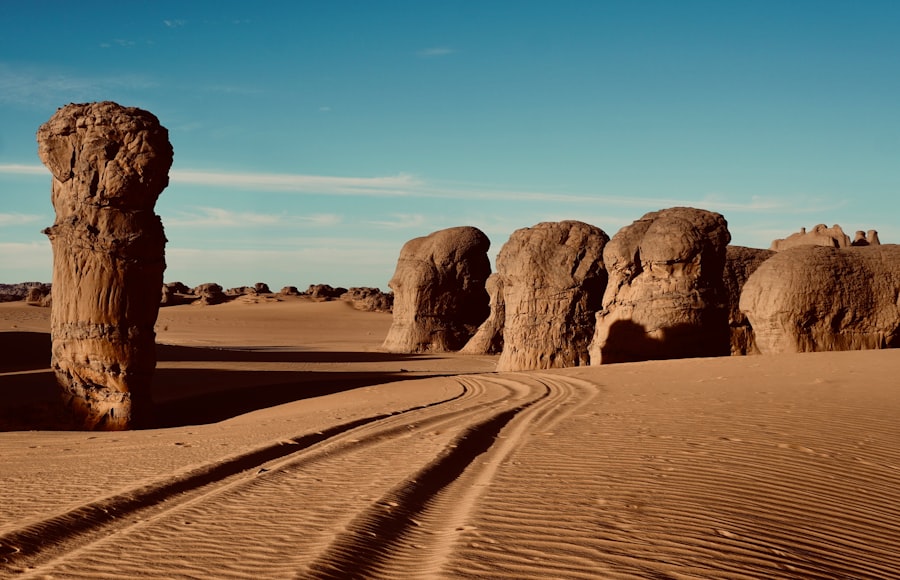
Crucially, “Lost World of the Sahara” must address the dramatic shift from a lush Eden to the arid desert we know today. This part of the documentary would explore the causes of this profound environmental change, linking it to the cyclical nature of Earth’s climate and the eventual return to drier conditions. It’s a narrative of loss, but also a testament to the resilience of life and the ongoing evolution of our planet.
The Return of Aridity: A Gradual Desiccation
The documentary would explain how the same Milankovitch cycles that brought plentiful rain eventually led to its withdrawal. As the Earth’s orbit shifted, the monsoonal systems receded, and the Sahara began its slow, inexorable journey back to aridity. This process, while perhaps gradual on a geological timescale, would have been a significant challenge for the inhabitants, both animal and human, leading to mass migrations and eventual extinctions.
The Impact on Flora and Fauna: Extinction and Migration
The film would vividly illustrate the consequences of this drying period on the Sahara’s ecosystems. Viewers would see how plant life, dependent on moisture, began to wither, leading to the decline of herbivore populations. The documentary could use CGI to depict animals struggling to find water, migrating in search of greener pastures, and the eventual disappearance of species that could not adapt to the increasingly harsh conditions. This could serve as a poignant reminder of the vulnerability of life in the face of climate change.
Survival and Adaptation: The Modern Sahara’s Inhabitants
While many species perished or migrated, the documentary would also acknowledge the remarkable resilience of life that managed to persist. It might touch upon the adaptations of the animals and plants that managed to survive in the evolving Sahara, laying the groundwork for the species that inhabit the desert today. This highlights the extraordinary tenacity of life, even in the face of extreme environmental pressures.
The recent documentary on the prehistoric Sahara offers fascinating insights into the ancient landscapes and cultures that once thrived in this now arid region. As researchers continue to uncover artifacts and evidence of early human life, it becomes increasingly clear how environmental changes shaped these societies. For those interested in exploring how modern nations are also navigating the challenges of resource acquisition, a related article discusses the competitive dynamics of the new space race and the tactics nations are employing to secure lunar resources. You can read more about this intriguing topic in the article available here.
Legacies of the Lost World: What the Sahara Reminds Us
| Documentary Title | Prehistoric Sahara |
|---|---|
| Release Date | 2021 |
| Director | [Director’s Name] |
| Duration | 90 minutes |
| Featured Period | Prehistoric era |
| Location | Sahara Desert |
| Main Focus | Early human civilizations, climate change, wildlife |
The “Lost World of the Sahara: Prehistoric Documentary” is more than just a historical reconstruction; it serves as a powerful educational tool with profound contemporary relevance. By showcasing the dramatic environmental shifts of the Sahara, the film offers invaluable lessons about climate change, ecological resilience, and the interconnectedness of our planet. It encourages viewers to consider the long-term cycles of Earth’s climate and the potential consequences of human-induced environmental changes.
Lessons from the Past for the Future
The documentary’s concluding segments would likely focus on drawing parallels between the Sahara’s ancient transformations and the challenges of climate change facing the world today. It would emphasize that Earth’s climate is not static and that significant environmental shifts can occur over relatively short geological timescales. This perspective can foster a sense of urgency and responsibility regarding current environmental issues.
The Importance of Paleoclimatology and Earth Science
“Lost World of the Sahara” serves as a compelling advertisement for the importance of paleoclimatology and Earth science. The film demonstrates how studying past climates can provide crucial insights into future climate change predictions. By understanding the natural cycles that have shaped our planet, scientists can better model and prepare for the challenges ahead. The documentary highlights the dedication and scientific rigor involved in piecing together these ancient environmental puzzles.
A Call to Preserve and Understand Our Planet
Ultimately, “Lost World of the Sahara: Prehistoric Documentary” is a celebration of Earth’s dynamic history and a stark reminder of the fragility of its ecosystems. It inspires awe for the natural world and its capacity for both dramatic transformation and enduring resilience. By bringing the lost world of the prehistoric Sahara back to life, the film not only educates but also ignites a deeper appreciation for our planet and a greater sense of responsibility towards its preservation, urging us to learn from the past to safeguard our future.

The Ancient World Buried Beneath the Sahara
FAQs
What is the prehistoric Sahara documentary about?
The prehistoric Sahara documentary explores the ancient history of the Sahara desert, focusing on the geological, ecological, and archaeological aspects of the region.
Who produced the prehistoric Sahara documentary?
The prehistoric Sahara documentary was produced by a team of experts in the fields of archaeology, geology, and anthropology, in collaboration with a reputable production company.
What time period does the prehistoric Sahara documentary cover?
The prehistoric Sahara documentary covers the time period from approximately 10,000 years ago to the emergence of early human civilizations in the region.
What are some of the key discoveries featured in the prehistoric Sahara documentary?
The documentary showcases key discoveries such as ancient rock art, fossilized remains of prehistoric animals, and evidence of early human settlements in the Sahara desert.
Where can I watch the prehistoric Sahara documentary?
The prehistoric Sahara documentary may be available for viewing on various streaming platforms, and it may also be aired on television channels specializing in documentary programming.