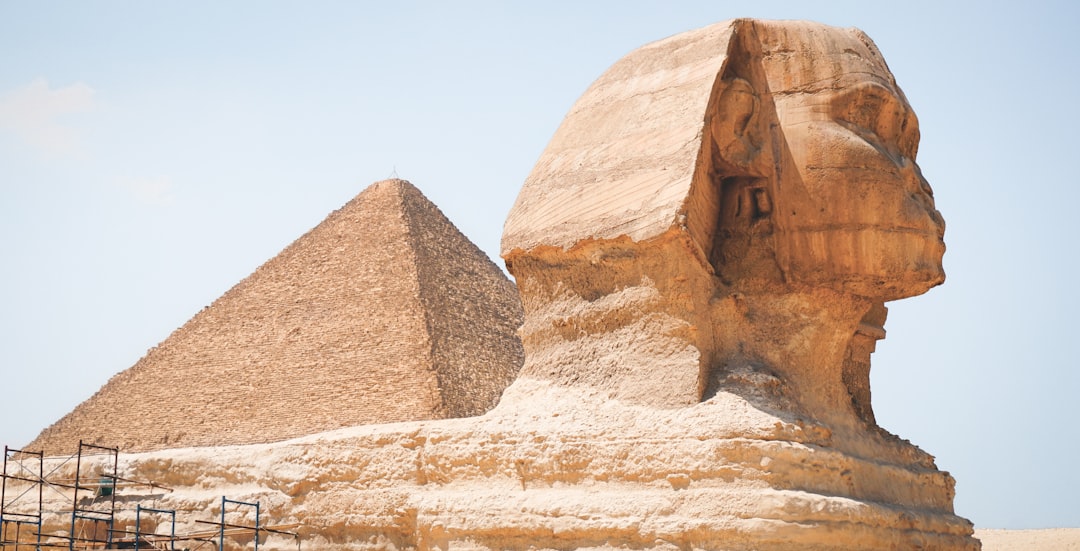
The dawn of civilization, a whispered narrative across millennia, is no longer confined to myth and conjecture. Modern archaeology, armed with scientific rigor and innovative techniques, is actively unearthing evidence that paints a vivid and often surprising picture of our ancient past. This pursuit, far from being a static excavation of dusty relics, is a dynamic process of discovery, interpretation, and reinterpretation, constantly finessing our understanding of human origins, societal development, and the very trajectory of history itself. The evidence-based insights gleaned from these endeavors are transforming our perception of where we came from, how we lived, and the profound complexities that shaped the world we inhabit today.
The fundamental bedrock of unearthing ancient history lies in the meticulous and systematic excavation of archaeological sites. This process is far more than simply digging; it is a science in itself, demanding precision, patience, and a deep understanding of stratigraphy – the layering of archaeological deposits. Each stratum, a geological and human-made timestamp, offers crucial context, allowing archaeologists to date artifacts and understand their relationship to other finds.
Stratigraphy: The Earth’s Unwritten Chronicle
The principle of superposition, where older layers are found beneath younger ones, is a cornerstone of chronological understanding. Archaeologists carefully document the deposition of soil, ash, hearths

The Forgotten World Beneath the North Sea
FAQs
What is evidence-based ancient history?
Evidence-based ancient history refers to the practice of using archaeological findings, primary sources, and other forms of evidence to construct a factual and accurate understanding of ancient civilizations and events.
Why is evidence-based research important in ancient history?
Evidence-based research is important in ancient history because it allows historians to form reliable conclusions about the past. By relying on tangible evidence, such as artifacts and written records, researchers can avoid speculation and present a more accurate portrayal of ancient societies.
What types of evidence are used in evidence-based ancient history?
Archaeological artifacts, inscriptions, manuscripts, and other primary sources are commonly used as evidence in ancient history research. Additionally, scientific methods such as carbon dating and DNA analysis can provide valuable insights into ancient civilizations.
How does evidence-based ancient history differ from traditional historical narratives?
Evidence-based ancient history differs from traditional historical narratives in that it prioritizes factual evidence over storytelling and myth. While traditional narratives may rely on legends and oral traditions, evidence-based research seeks to validate historical claims with tangible proof.
What are the challenges of conducting evidence-based research in ancient history?
Challenges in evidence-based research in ancient history include the preservation of artifacts, deciphering ancient languages, and interpreting the cultural context of historical findings. Additionally, biases and limitations in available evidence can present obstacles to forming a complete understanding of ancient civilizations.