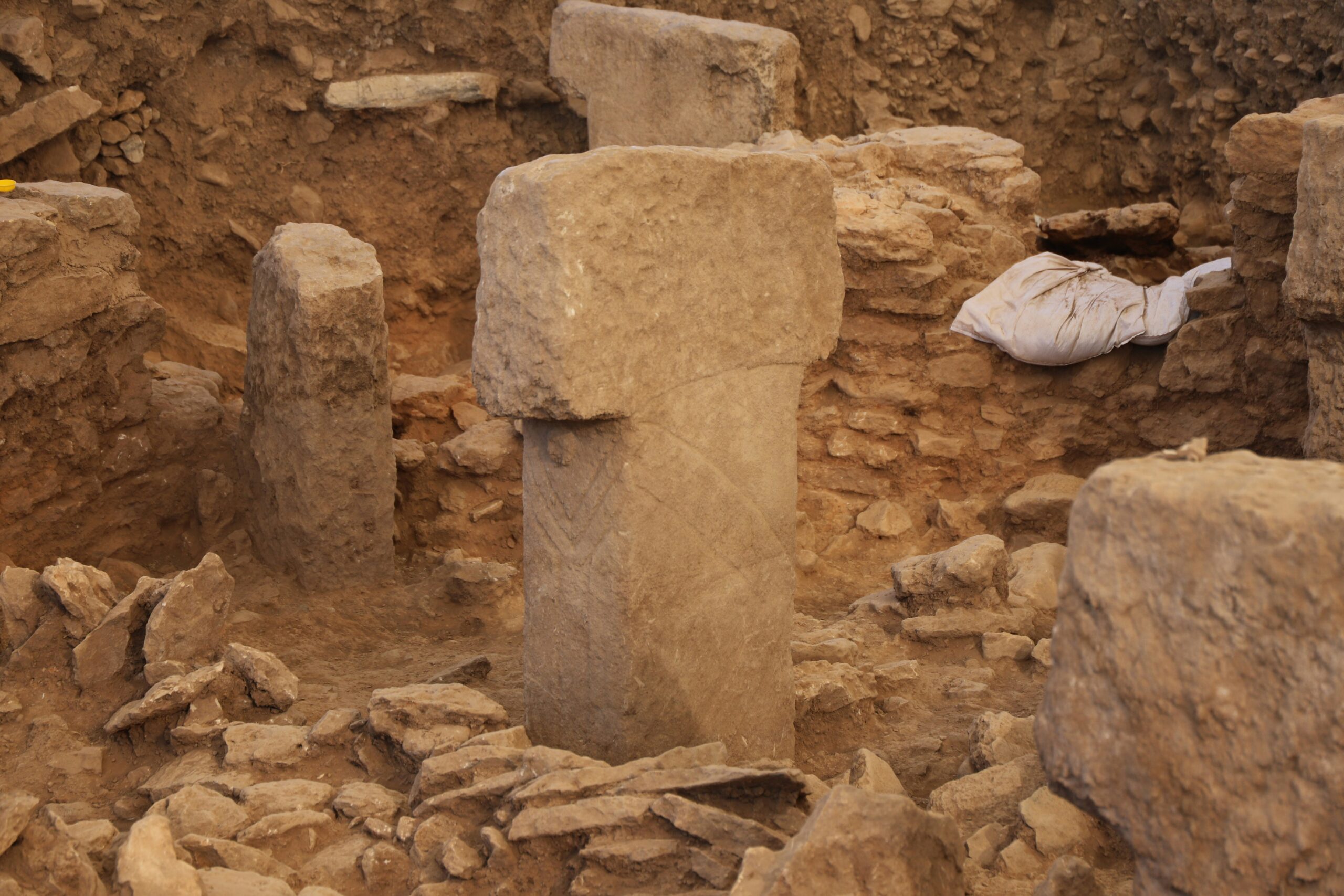
The earth hums with secrets, whispers of epochs long vanished, a tapestry woven with the threads of time. For eons, life has ebbed and flowed, creating and erasing entire chapters of existence. Humanity, a relatively recent addition to this grand narrative, often finds itself captivated by the echoes of these lost worlds, yearning to glimpse the creatures and landscapes that preceded its own brief reign. The exploration of these prehistoric realms is not merely an academic pursuit; it’s a journey into the very foundations of life, a humbling reminder of our place in an ever-evolving cosmos, and a testament to the enduring power of scientific curiosity. This article delves into the multifaceted endeavor of uncovering and understanding these lost prehistoric worlds, examining the methods, the discoveries, and the profound implications of our ongoing quest.
The bedrock of prehistoric exploration lies within the fossil record. These preserved remnants of ancient life, entombed within layers of sedimentary rock, are the only direct windows into these bygone eras. Paleontologists, the dedicated scientists who decipher these stony chronicles, employ meticulous techniques to excavate, preserve, and analyze these invaluable specimens. The process is often arduous, demanding patience, precision, and an intimate understanding of geological processes.
The Art of the Dig: Excavation Techniques
The discovery of a fossil site is the first, exhilarating step. This often begins with anecdotal accounts from local communities, prospectors, or hikers who stumble upon unusual bone fragments or impressions. However, the systematic search for fossils is a far more deliberate undertaking. Geologists and paleontologists conduct extensive surveys, identifying rock formations that are known to be of particular ages and compositions that are conducive to fossilization. Once a promising area is located, the painstaking process of excavation begins.
Geologic Mapping and Stratigraphy
Prior to any digging, a thorough understanding of the local geology is paramount. Geologists meticulously map the rock layers, or strata, noting their thickness, composition, and relative ages. This painstaking work, known as stratigraphy, is crucial for determining the age of any fossils found. The principle of superposition, which states that in undisturbed rock layers, the oldest layers are at the bottom and the youngest at the top, forms the fundamental basis of this dating process. By understanding the sequence of rock formations, scientists can place discoveries within a chronological framework.
Surface Reconnaissance and Sampling
Surface reconnaissance involves a systematic search for fossiliferous materials exposed by erosion. This can involve walking transects, looking for bone fragments, fossilized plant remains, or trace fossils such as footprints or burrows. When any potential discoveries are made, small samples may be collected for preliminary analysis. This initial stage can be the most exciting, as it often leads to the identification of rich fossil beds.
Controlled Excavation and Jacketing
Once a promising fossiliferous site is confirmed, controlled excavation commences. This involves carefully removing overburden, the rock and soil lying above the fossils, often using specialized tools like brushes, dental picks, and chisels. The goal is to expose the fossil without damaging it. Larger specimens, or those found in delicate formations, are then encased in protective plaster jackets. This process, akin to applying a cast to a broken limb, stabilizes the fossil and protects it during transport from the field to the laboratory. The painstaking application of plaster, often in multiple layers with burlap reinforcement, can take days or even weeks for a single, large fossil.
Fossil Preparation and Stabilization
Upon arrival at the laboratory, the real work of revealing the fossil truly begins. This is known as fossil preparation, and it is a highly specialized and often time-consuming craft. Experienced preparators meticulously remove the surrounding rock matrix, painstakingly cleaning away every grain of sediment. They employ a range of tools, from fine brushes and needles to air scribes and even small sandblasters, depending on the fragility of the fossil and the nature of the matrix. Stabilization techniques, such as applying consolidants, are also employed to prevent further deterioration of ancient bone or other organic material.
Decoding the Past: Analytical Techniques
Once fossils are excavated and prepared, they become the raw material for scientific inquiry. A battery of analytical techniques is employed to extract as much information as possible about the ancient organism and its environment. These techniques span multiple scientific disciplines, underscoring the interdisciplinary nature of paleontology.
Morphological Analysis
The fundamental aspect of fossil analysis is morphological examination. This involves the detailed study of the shape and structure of the fossilized remains. Scientists compare these features to modern organisms to understand evolutionary relationships, infer diet, locomotion, and behavior. The intricate details of a dinosaur’s skull, the structure of a fossilized feather, or the arrangement of teeth can reveal a wealth of information about its life.
Radiometric Dating
For determining the absolute age of fossils, radiometric dating is an indispensable tool. This technique relies on the predictable decay of radioactive isotopes. By measuring the ratio of parent isotopes to daughter isotopes in a rock sample, scientists can calculate the time elapsed since that rock formed. Methods like Carbon-14 dating are effective for relatively recent organic remains (up to around 50,000 years old), while Uranium-Lead and Potassium-Argon dating are used for older specimens.
Isotopic Analysis
Isotopic analysis can provide insights into an organism’s diet, environment, and even its geographic origin. By examining the ratios of different isotopes of elements like carbon, oxygen, and nitrogen within fossilized tissues, scientists can reconstruct past ecosystems. For example, the isotopic composition of fossilized teeth can reveal whether an animal was a herbivore or carnivore, and the isotopes of oxygen in fossilized shells can indicate the temperature of ancient oceans.
Paleobiological Reconstruction
The ultimate goal of fossil analysis is to reconstruct the life of the extinct organism. This involves piecing together all the available evidence to understand its anatomy, physiology, behavior, and ecological role. Computer-aided design (CAD) and 3D printing are increasingly used to create detailed models of fossilized creatures, allowing for sophisticated biomechanical studies and visualizations of their locomotion and musculature.
In exploring the fascinating concept of lost prehistoric worlds, one can draw intriguing parallels to ancient societies and their survival strategies. A related article that delves into the intricacies of how ancient civilizations managed resources is available at Rationing Systems in the Ancient World. This article provides insight into the methods used by these societies to navigate challenges, much like the prehistoric communities that adapted to their environments in order to thrive.
Echoes of Giants: The Mesozoic Marvels
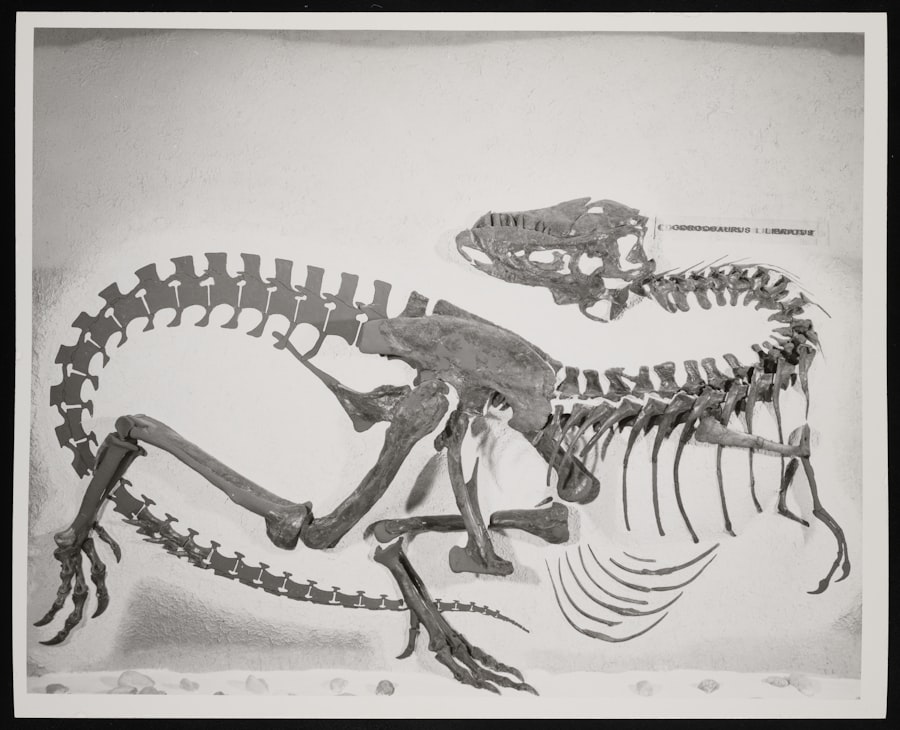
The Mesozoic Era, often referred to as the “Age of Reptiles,” stands as a period of immense fascination for the general public and scientists alike. It was an era dominated by dinosaurs, colossal reptiles that roamed the land, sea, and air for over 180 million years. The discovery and study of these magnificent creatures have dramatically reshaped our understanding of life’s history.
The Reign of the Dinosaurs
Dinosaurs represent the most iconic group of extinct animals, captivating imaginations with their sheer size and diversity. From the fearsome Tyrannosaurus Rex to the gentle giant Brachiosaurus, these creatures left an indelible mark on the planet. Their remains are found on every continent, a testament to their widespread distribution and the success of their evolutionary lineage.
Saurischian and Ornithischian Dinosaurs
Dinosaurs are broadly classified into two major orders based on the structure of their pelvic bones: Saurischia (“lizard-hipped”) and Ornithischia (“bird-hipped”). Saurischians include the theropods, a group of bipedal carnivores like T. Rex and Velociraptor, as well as the long-necked sauropods, the largest land animals to have ever lived. Ornithischians encompass a diverse array of herbivores, including armored ankylosaurs, horned ceratopsians like Triceratops, and duck-billed hadrosaurs.
The Evolution of Flight: Avian Ancestry
One of the most profound discoveries in paleontology has been the realization that birds are, in fact, the direct descendants of a group of feathered theropod dinosaurs. Fossil discoveries like Archaeopteryx, with its bird-like wings and reptilian features, provided crucial early evidence. Subsequent discoveries of feathered dinosaurs, even those not directly ancestral to modern birds, have definitively established this evolutionary link, radically altering our perception of these ancient reptiles.
Other Mesozoic Inhabitants
While dinosaurs may have stolen the spotlight, the Mesozoic Era was a vibrant tapestry of life, teeming with a staggering array of other remarkable creatures. These contemporaneous organisms provide critical context for understanding the Mesozoic ecosystems in which the dinosaurs thrived.
Marine Reptiles: Lords of the Ancient Seas
The oceans of the Mesozoic were home to a formidable array of marine reptiles. These included the long-necked plesiosaurs, with their distinctive paddle-like limbs, and the formidable pliosaurs, akin to marine tyrannosaurs, with enormous skulls and powerful jaws. Another significant group were the ichthyosaurs, dolphin-like reptiles that were efficient swimmers and viviparous, giving birth to live young. The discovery of fossilized ichthyosaurs with embryos still within their bodies has provided invaluable insights into their reproductive strategies.
Pterosaurs: Masters of the Mesozoic Skies
Soaring above the dinosaur-dominated landscapes were the pterosaurs, a group of flying reptiles that were the first vertebrates to evolve powered flight. Unlike birds, pterosaurs had wings formed by a membrane of skin stretched between their elongated fourth finger and their body. Their diversity was immense, ranging from small, insectivorous species to enormous giants like Quetzalcoatlus, with wingspans of over 10 meters. Their fossil remains offer a fascinating glimpse into the evolution of aerial locomotion.
The Dawn of Mammals: Survivors of the Catastrophe
The end of the Mesozoic Era was marked by a catastrophic extinction event, widely believed to have been caused by an asteroid impact. This event, known as the K-Pg extinction, wiped out approximately 75% of all species on Earth, including all non-avian dinosaurs. However, it also paved the way for the diversification and ascendancy of mammals, which had existed in the shadow of the dinosaurs for millions of years.
The Rise of the Mammalian Lineage
Mammals, characterized by their warm-bloodedness, fur or hair, and mammary glands for nourishing their young, underwent a dramatic diversification following the K-Pg extinction. Their smaller size, nocturnal habits, and ability to exploit a wider range of ecological niches likely contributed to their survival and subsequent proliferation.
Early Mammalian Fossils: Tiny Treasures
The earliest mammalian fossils are often small and fragmentary, making them challenging to find and interpret. These early mammals were typically rodent-like creatures or shrew-like insectivores, living in the undergrowth or burrowing underground. Discoveries such as Juramaia, a shrew-like fossil from China dating to the Late Jurassic, are crucial for tracing the deep evolutionary roots of mammals.
The Paleogene Radiation: A Burst of Diversity
The Paleogene period, following the K-Pg extinction, witnessed an explosive radiation of mammalian forms. This era saw the emergence of the major mammalian orders we recognize today: primates, rodents, carnivores, ungulates (hoofed mammals), and marine mammals. The fossil record from this period reveals a rapid diversification into various ecological roles, from tiny insectivores to large herbivores and predators.
Adapting to New Niches
With the dinosaur reign at its end, mammals were able to occupy a vast array of previously unavailable ecological niches. This led to the evolution of incredible adaptations for different environments and lifestyles.
Aquatic Adaptations: From Land to Sea
The transition of some mammal lineages back into aquatic environments is a remarkable evolutionary story. Fossil evidence traces the lineage of whales and dolphins from land-dwelling, artiodactyl ancestors. Fossils like Pakicetus, an early whale ancestor with its ears adapted for hearing underwater, and Ambulocetus, “the walking whale,” demonstrate intermediate stages in this evolutionary journey, providing strong support for the transition from terrestrial to fully aquatic life.
Arboreal Adaptations: Life in the Trees
The evolution of primates is a prime example of adaptation to arboreal life. Early primates developed grasping hands and feet, forward-facing eyes for binocular vision and depth perception, and brains that became increasingly complex. Fossil primates from the Eocene and Oligocene epochs showcase the gradual development of these traits, laying the groundwork for the evolution of humans.
The Cenozoic Chronicle: Ice Ages and the Emergence of Humanity
The Cenozoic Era, the current geological era, is characterized by the rise of mammals and the dramatic environmental shifts that shaped the modern world. This era includes the Quaternary period, which witnessed repeated cycles of glaciation and interglacial periods, profoundly impacting landscapes and life forms. Crucially, it is within this period that our own lineage, Homo sapiens, emerged.
The Quaternary Ice Ages: Sculpting the Earth
The Quaternary period, spanning the last 2.6 million years, is defined by its extensive glaciation. Vast ice sheets advanced and retreated across the continents, dramatically altering topography, sea levels, and climate. These climatic fluctuations played a pivotal role in shaping the distribution and evolution of species.
Glacial and Interglacial Cycles
The Earth’s climate has experienced numerous cycles of warming (interglacials) and cooling (glacials) during the Quaternary. These cycles are primarily driven by variations in Earth’s orbit, known as Milankovitch cycles, which affect the amount of solar radiation reaching the planet. During glacial periods, ice sheets expanded, lowering sea levels and creating land bridges that allowed for the migration of animals and humans. Interglacial periods saw ice sheets retreat, leading to rising sea levels and altered ecosystems.
Megafauna of the Pleistocene
The Pleistocene epoch, often referred to as the “Ice Age,” was the domain of the Pleistocene megafauna. These were large mammals that thrived in the challenging conditions of the time. This included iconic creatures such as woolly mammoths, woolly rhinoceroses, saber-toothed cats (Smilodon), and giant ground sloths. The study of their fossils, often found in permafrost or ancient cave sites, provides valuable information about the climates and ecosystems of this period.
The Human Story: A Prehistoric Journey
The emergence and evolution of the Homo genus, culminating in Homo sapiens, is a central narrative of the Cenozoic. The fossil and archaeological records provide a fascinating, albeit often incomplete, account of our ancestors’ journey.
Early Hominin Discoveries: Tracing Our Roots
The search for early human ancestors has led to a series of groundbreaking fossil discoveries. Australopithecines, like the famous “Lucy” skeleton, walked on two legs but retained ape-like features. Homo habilis, meaning “handy man,” is associated with the earliest stone tools. Homo erectus, the “upright man,” was the first hominin to migrate out of Africa and likely controlled fire. These discoveries have illuminated the gradual process of human evolution.
The Rise of Homo sapiens
The origin of our own species, Homo sapiens, is traced back to Africa, with evidence suggesting our emergence occurred around 300,000 years ago. The fossil record, coupled with genetic studies, indicates a complex evolutionary history involving interbreeding with other hominin species, such as Neanderthals and Denisovans. The development of sophisticated stone tools, art, and symbolic behavior marked key milestones in the cognitive and cultural evolution of our species.
In exploring the fascinating concept of a lost prehistoric world, one might find it intriguing to consider how ancient ecosystems have shaped our current environment. A related article that delves into the complexities of financial systems and their historical evolution can provide a unique perspective on how past events influence present-day structures. For a deeper understanding, you can read more about this in the article on how the Dodd-Frank Act impacts deposits, which highlights the importance of historical context in shaping modern regulations. You can find it here: how Dodd-Frank affects deposits.
The Future of Exploration: New Frontiers and Technologies
| Category | Metric |
|---|---|
| Time Period | Prehistoric |
| Species | Dinosaurs, Megafauna |
| Climate | Warm and humid |
| Geography | Pangaea, Gondwana |
| Extinction Event | End-Cretaceous |
The exploration of lost prehistoric worlds is far from over. As scientific understanding advances and technological capabilities expand, new frontiers are constantly being opened, promising even more extraordinary discoveries and deeper insights into Earth’s ancient past.
Technological Innovations in Paleontology
Modern paleontology is a sophisticated field benefiting from a suite of advanced technologies that were unimaginable just a few decades ago. These tools are revolutionizing how fossils are found, studied, and interpreted.
Remote Sensing and Drones
Remote sensing technologies, including satellite imagery and aerial surveys, are increasingly used to identify potential fossil-bearing formations from afar. Drones equipped with high-resolution cameras and LiDAR (Light Detection and Ranging) can map vast areas with incredible detail, pinpointing geological features that might indicate rich fossil sites. This pre-excavation mapping significantly reduces the time and resources needed to locate promising dig sites.
Advanced Imaging and Analysis
Inside the laboratory, advanced imaging techniques like CT (Computed Tomography) scanning and micro-CT scanning allow researchers to peer inside fossils without causing any damage. These techniques can reveal intricate internal structures, such as the brain cavity of a dinosaur or the vascular system of an ancient plant, providing information that would otherwise be inaccessible. Furthermore, the application of sophisticated biomechanical modeling using computer simulations allows scientists to reconstruct the locomotion, feeding strategies, and even the vocalizations of extinct creatures with remarkable accuracy.
Genetic Paleontology and Ancient DNA
While fossilized remains are the primary source of paleontological data, the relatively new field of genetic paleontology is unlocking even deeper secrets, albeit with limitations. For exceptionally well-preserved specimens, particularly from the Quaternary period, ancient DNA (aDNA) can be extracted. Analyzing aDNA has provided unprecedented insights into the evolutionary relationships, population dynamics, and even migratory patterns of extinct species, including Neanderthals and ancient humans. This interdisciplinary approach, bridging the gap between paleontology and molecular biology, is proving to be incredibly powerful.
Interdisciplinary Collaboration and Global Reach
The exploration of prehistoric worlds is inherently an interdisciplinary endeavor, requiring collaboration among geologists, biologists, chemists, physicists, archaeologists, and even computer scientists. Furthermore, the vastness of Earth’s geological history necessitates a global perspective.
Global Networks and Data Sharing
Modern paleontology thrives on international collaboration. Paleontologists from around the world share data, specimens, and expertise through conferences, research projects, and online databases. This interconnectedness allows for a more comprehensive understanding of global biodiversity patterns and evolutionary trends across continents and oceans over vast timescales. The open sharing of research findings accelerates the pace of discovery and ensures that the collective knowledge of humanity is brought to bear on these complex questions.
Citizen Science and Public Engagement
Beyond professional research, citizen science initiatives are playing an increasingly vital role in paleontological exploration. Amateur paleontologists and enthusiasts, when properly guided and educated, can contribute significantly to fossil discovery, documentation, and even initial preparation. Public engagement through museums, educational programs, and documentaries fosters a broader appreciation for prehistoric life and inspires the next generation of scientists. These efforts not only expand the reach of scientific inquiry but also cultivate a sense of shared responsibility for preserving our planet’s paleontological heritage.
The exploration of lost prehistoric worlds is an ongoing saga, a testament to humanity’s insatiable curiosity and our profound connection to the deep past. Each fossil unearthed, each analytical technique refined, brings us closer to understanding the intricate tapestry of life that has unfolded on Earth. From the colossal dinosaurs that once dominated the land to the humble ancestors of our own species, these whispers from bygone eras remind us of the planet’s resilience, the power of evolution, and our own transient but significant place in its grand, unfolding story. The quest continues, promising a future filled with further revelations that will undoubtedly reshape our understanding of life and our place within it.

The Forgotten World Beneath the North Sea
FAQs
What is the Lost Prehistoric World?
The Lost Prehistoric World refers to the time period before recorded history, when dinosaurs and other ancient creatures roamed the Earth. It is a time period that is studied by paleontologists and archaeologists to understand the Earth’s ancient past.
What evidence do we have of the Lost Prehistoric World?
Evidence of the Lost Prehistoric World comes from fossils, ancient artifacts, and geological formations. Fossils provide clues about the plants and animals that lived during this time, while artifacts and geological formations help scientists piece together the environment and climate of the ancient world.
What types of creatures lived in the Lost Prehistoric World?
The Lost Prehistoric World was home to a wide variety of creatures, including dinosaurs, ancient mammals, reptiles, and insects. These creatures lived in diverse ecosystems, from lush forests to vast deserts, and adapted to the changing climate and landscape over millions of years.
How do scientists study the Lost Prehistoric World?
Scientists study the Lost Prehistoric World through a combination of paleontology, archaeology, geology, and other scientific disciplines. They use advanced technologies such as CT scanning and DNA analysis to learn more about the ancient world and the creatures that inhabited it.
What can we learn from studying the Lost Prehistoric World?
Studying the Lost Prehistoric World can help us understand the Earth’s history, the evolution of life, and the impact of environmental changes. It also provides valuable insights into how ancient creatures lived and interacted with their environment, which can inform our understanding of modern ecosystems and conservation efforts.