The North Sea, a vast expanse of often turbulent waters, is a familiar highway for shipping and a rich larder for surrounding nations. Yet, beneath its restless surface lies a submerged world, a testament to a time before the ocean claimed its current domain. This is the Lost World of the North Sea, an ancient landscape sculpted by millennia of geological change, human history, and the relentless power of the sea. For centuries, it remained a whispered legend, a realm of shipwrecks and forgotten settlements. Now, thanks to advancements in underwater archaeology and marine geophysics, this lost civilization is slowly, painstakingly, being brought back into the light.
The Prehistoric Landscape Before the Flood
Before the North Sea was a sea, it was a sprawling landmass known as Doggerland. This vast territory, at its widest, stretched for hundreds of miles, connecting continental Europe to Britain. During the last Ice Age, glacial retreat exposed swathes of land that would eventually be submerged. This was not a barren tundra, but a landscape teeming with life. Mammoth herds roamed the plains, Stone Age hunter-gatherers followed the migrating animals, and early human communities established their nomadic settlements. The Rhine and the Thames, now separated by hundreds of miles of ocean, were once mighty rivers that carved their way through this verdant land. The climate, while cooler than today, was likely temperate enough to support significant flora and fauna. Evidence from peat bogs and submerged forests suggests a rich biodiversity, a far cry from the sandy seabed that characterizes much of the North Sea today.
The Cataclysmic Event: The Final Drowning
The demise of Doggerland was not a gentle recession of the tides, but a series of dramatic events. The most significant of these was likely a colossal mega-tsunami, or a series of them, triggered by the Storegga Slide, a massive submarine landslide off the coast of Norway. This event, occurring around 8,200 years ago, is estimated to have unleashed waves hundreds of feet high, inundating the low-lying areas of Doggerland with terrifying speed and force. This cataclysmic event is believed to have been the final nail in the coffin for the terrestrial existence of Doggerland, transforming it into the shallow sea we know today. However, the drowning was likely not a single, instantaneous event but a more gradual process punctuated by these sudden, destructive surges.
The Lasting Legacy of Doggerland on the Modern Seabed
While Doggerland is gone, its memory is imprinted on the very fabric of the North Sea’s seabed. Geologists and archaeologists have discovered a wealth of evidence that paints a vivid picture of this submerged continent. Ancient riverbeds, now buried under meters of sediment, are clearly visible on sonar scans. These “ghost rivers” offer clues to the ancient drainage systems and the scale of the prehistoric landscape. Moreover, preserved peat bogs and submerged forests provide invaluable insights into the flora and fauna that once thrived here. These ancient ecosystems, trapped in time by the encroaching sea, offer a unique window into a lost world. The distribution of these submerged features is not uniform; some areas retain more of their original terrestrial character, while others are deeply sculpted by post-glacial sea-level rise and the violent events that shaped the region.
The exploration of the North Sea’s lost world reveals fascinating insights into ancient civilizations and their interactions with the environment. A related article that delves into the dynamics of power and privilege during times of crisis is available at this link: Elite Control During Ancient Famine: Power and Privilege in Crisis. This piece examines how societal structures influenced survival strategies during periods of famine, paralleling the themes of resilience and adaptation found in the study of the North Sea’s submerged landscapes.
Unearthing Ancient Lives: Archaeology Beneath the Waves
The First Discoveries: Tools and Treasures from the Deep
The initial steps in uncovering the human history of the North Sea were often serendipitous. Fishermen, trawling the seabed for their catch, would bring up fragments of bone, stone tools, and occasionally, even human remains. These finds, often dismissed as curiosities, eventually began to paint a fragmented picture of past human activity. Early archaeologists pieced together these scattered clues, recognizing the significance of artifacts found at depths that suggested they had been submerged for thousands of years. The discovery of flint tools, intricately worked by Stone Age hands, provided tangible evidence of human presence and skill in a landscape now defined by water. These early finds, though limited, ignited the imaginations of researchers, fueling the desire to explore further.
The Dawn of Underwater Archaeology: Technology Meets Ancient Mysteries
The formal discipline of underwater archaeology has revolutionized our ability to explore this submerged world. Sophisticated sonar systems, side-scan sonar, and sub-bottom profilers can map the seafloor with incredible detail, revealing anomalies that might indicate human structures or artifacts. Remotely operated vehicles (ROVs) and autonomous underwater vehicles (AUVs) equipped with high-definition cameras and sampling tools can then investigate these anomalies directly, often at depths that are impossible for human divers to reach. These technologies allow archaeologists to create detailed 3D models of the seabed, identifying patterns and features that would otherwise remain hidden. The ability to collect sediment samples and carefully excavate delicate artifacts without disturbing the surrounding environment is crucial for preserving this fragile heritage.
Remarkable Finds: Evidence of a Thriving Past
The discoveries made beneath the waves are nothing short of remarkable. Numerous Mesolithic and Neolithic sites have been identified, offering glimpses into the daily lives of our ancestors. Tools for hunting and processing food, such as flint axes, harpoons, and finely crafted bone needles, have been recovered. Evidence of settlements, though often subtle, has also been found, including hearths and postholes that suggest the simple structures people once inhabited. The most poignant discoveries are often those that speak to the human experience: intricately carved ornaments, personal belongings, and even human remains that have been remarkably well-preserved by the anaerobic conditions of the seabed. These artifacts are not just objects; they are echoes of individuals who lived, loved, and worked in a land that no longer exists.
The Intrigue of Submerged Settlements: Villages and Rituals
Glimpses of Daily Life: From Homes to Hunting Grounds
The archaeological evidence suggests that Doggerland was not simply a hunting ground but a place where communities established more permanent or semi-permanent settlements. Discoveries of what appear to be dwelling sites, often identified by concentrations of hearth stones or patterns of postholes, indicate that people lived and worked in specific locations. These settlements were likely strategically placed near freshwater sources, fertile hunting grounds, or accessible coastlines. The tools found within and around these sites provide insights into their subsistence strategies, from the flint implements used for butchering animals to the bone needles used for crafting clothing. The presence of specialized tools suggests a degree of craft and division of labor within these early societies.
Ritual and Belief: Echoes of Ancient Spirituality
Beyond the pragmatic aspects of daily life, there are tantalizing hints of the spiritual beliefs of Doggerland’s inhabitants. In some instances, isolated human remains have been found accompanied by artifacts that suggest deliberate burial practices. These might include flint tools or personal adornments, hinting at a desire to equip the deceased for the afterlife or to honor them in a specific way. While direct evidence of elaborate rituals is scarce due to the challenging nature of preservation underwater, the careful placement of certain objects and the clustering of human remains in specific areas suggest a level of intentionality that goes beyond mere habitation. The possibility of submerged henges, stone circles, or other ritualistic landscapes also remains an active area of investigation.
The Social Fabric: Understanding Community Structures
Understanding the social structures of these submerged communities is a complex undertaking. The distribution of artifacts and the presence of multiple hearths within a settlement area can provide clues about the size and organization of living groups. The discovery of shared workspaces or communal resource areas could indicate cooperative behavior. However, the limited scope of excavations and the fragmented nature of the evidence mean that comprehensive conclusions about their leadership, kin structures, or social hierarchies are not yet possible. The ongoing work continues to refine our understanding, offering pieces to a puzzle that, when complete, will reveal a more nuanced picture of these ancient societies.
The Wrecks of Ages: Ships and Seafarers of the North Sea
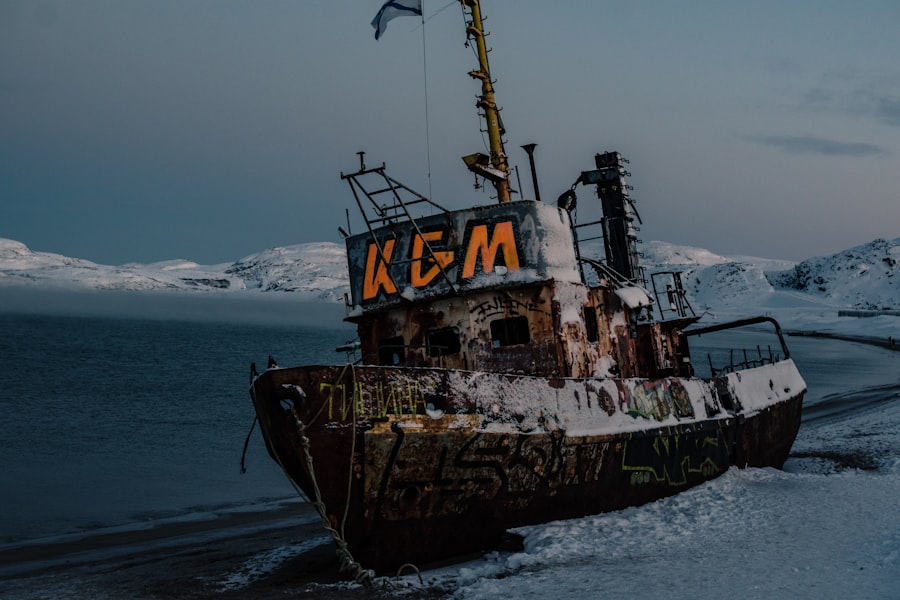
A Graveyard of the Seas: The History of North Sea Shipping
The North Sea has always been a vital maritime route, connecting Europe with Britain and beyond. Consequently, it has also been a treacherous one, claiming countless vessels throughout history. From ancient Roman trading ships to Viking longboats, from the majestic galleons of the Age of Exploration to the steam-powered freighters of the industrial era, the North Sea’s seabed is a vast graveyard of maritime history. The often violent weather, submerged sandbanks, and the dense historical shipping traffic have all contributed to this underwater repository of shipwrecks. Each wreck represents a lost story, a lost voyage, and a lost glimpse into the seafaring capabilities of different eras.
Notable Discoveries: From Roman Vessels to Medieval Hulks
The archaeological investigation of North Sea shipwrecks has yielded some extraordinary discoveries. The wreck of the St. Johan, a Dutch East Indiaman from the 17th century, found remarkably preserved in the Dutch sector, offers an unparalleled insight into naval architecture and cargo of that period. The discovery of Roman shipwrecks, though rarer due to the depths and the age, provides crucial information about early maritime trade routes and shipbuilding techniques. Medieval wrecks, often found in shallower waters, offer a rich tapestry of information about the development of merchant shipping, naval warfare, and the everyday lives of sailors. The artifacts recovered from these wrecks, ranging from cannons and weaponry to personal effects and trade goods, are invaluable for understanding the economic and military history of the region.
The Significance of Preservation: Time Capsules of the Past
The cold, oxygen-poor environment of the North Sea often leads to exceptional preservation of shipwreck sites. Wooden timbers, often the first to decay in other environments, can survive for centuries, even millennia, beneath the seabed. This allows archaeologists to study not only the overall structure of a ship but also the intricate details of its construction, from the shaping of individual planks to the methods of joining them together. The contents of a shipwreck often provide a snapshot of the cargo being transported, the personal possessions of the crew, and the tools and equipment used on board. These wrecks act as time capsules, offering an undisturbed glimpse into a specific moment in maritime history, allowing us to reconstruct voyages, trade networks, and the human stories of those who sailed these waters.
The North Sea has long intrigued researchers and historians alike, particularly with its hidden treasures and the remnants of ancient civilizations submerged beneath its waves. A fascinating exploration of lost worlds can be found in a related article that discusses the wonders of the ancient world, shedding light on how these remarkable sites have shaped our understanding of history. For those interested in the connections between the past and the mysteries of the North Sea, this article offers valuable insights into the significance of these ancient marvels. You can read more about it in this engaging piece.
Conserving the Underwater Heritage: Challenges and Future Prospects
| Location | Depth | Temperature | Species |
|---|---|---|---|
| North Sea | Approximately 100 meters | Varies based on depth | Various marine species including corals, sponges, and fish |
The Fragile Nature of Submerged Sites: Threats from the Modern World
The treasures of the North Sea’s lost world are facing increasing threats from modern human activity. The expansion of offshore wind farms, dredging for sand and gravel, and subsea cable laying can all disturb and potentially destroy invaluable archaeological sites. The very technologies that enable exploration can also be agents of destruction if not carefully managed. Furthermore, the long-term effects of climate change, including rising sea levels and changes in ocean currents, could also impact the stability and preservation of these submerged landscapes. The increasing accessibility of some sites through recreational diving also presents challenges in terms of preventing illicit salvage and unauthorized interference.
The Importance of Collaboration: Scientists, Governments, and the Public
Protecting this unique underwater heritage requires a concerted effort involving scientists, governments, and the public. International collaboration is crucial, as many of the archaeological sites and geological features span the borders of different nations. Agreements on data sharing, research methodologies, and conservation strategies are essential. Governments play a vital role in implementing protective legislation and spatial planning to safeguard known archaeological sites from destructive activities. Public awareness and engagement are also paramount. Educating people about the significance of this lost world can foster a sense of stewardship and support for conservation efforts. Initiatives like public exhibitions, documentaries, and citizen science projects can help to bring the wonders of the North Sea’s submerged past to a wider audience.
The Future of Exploration: A Deeper Understanding Awaits
The exploration of the North Sea’s lost world is still very much in its infancy. As technology continues to advance, our ability to probe deeper and map with greater precision will undoubtedly lead to further astonishing discoveries. The potential for uncovering even more ancient settlements, sophisticated tools, and well-preserved shipwrecks remains immense. The ongoing research promises to fill in critical gaps in our understanding of early human migration, prehistoric landscapes, and the evolution of maritime technology. The Lost World of the North Sea is not a static relic; it is a dynamic and evolving frontier of archaeological and scientific inquiry, a testament to the enduring power of past environments and the resilience of human endeavor beneath the waves. The quest to understand this submerged realm is a continuous journey, promising to reshape our perception of Britain’s and Europe’s ancient past.

The Forgotten World Beneath the North Sea
FAQs
What is the North Sea Lost World?
The North Sea Lost World refers to a prehistoric landscape that existed thousands of years ago when the sea level was much lower than it is today. This landscape was submerged as the sea level rose, and it is now being explored by scientists and researchers.
What has been discovered in the North Sea Lost World?
Researchers have discovered a variety of prehistoric artifacts and remains in the North Sea Lost World, including ancient human footprints, animal bones, and evidence of ancient settlements. These discoveries provide valuable insights into the lives of early humans and the environment they inhabited.
How is the North Sea Lost World being explored?
The North Sea Lost World is being explored using advanced technology such as sonar and underwater drones. These tools allow researchers to map and study the submerged landscape in detail, uncovering new information about the prehistoric environment and the creatures that lived there.
What can the study of the North Sea Lost World tell us about prehistoric times?
Studying the North Sea Lost World can provide valuable information about how early humans lived and interacted with their environment. It can also shed light on the flora and fauna that existed in the region during prehistoric times, as well as the impact of climate change and sea level rise on the landscape.
Why is the study of the North Sea Lost World important?
The study of the North Sea Lost World is important because it can help us better understand our prehistoric past and the ways in which ancient societies adapted to changing environmental conditions. This knowledge can also inform our understanding of current environmental challenges and how human societies can adapt to them.