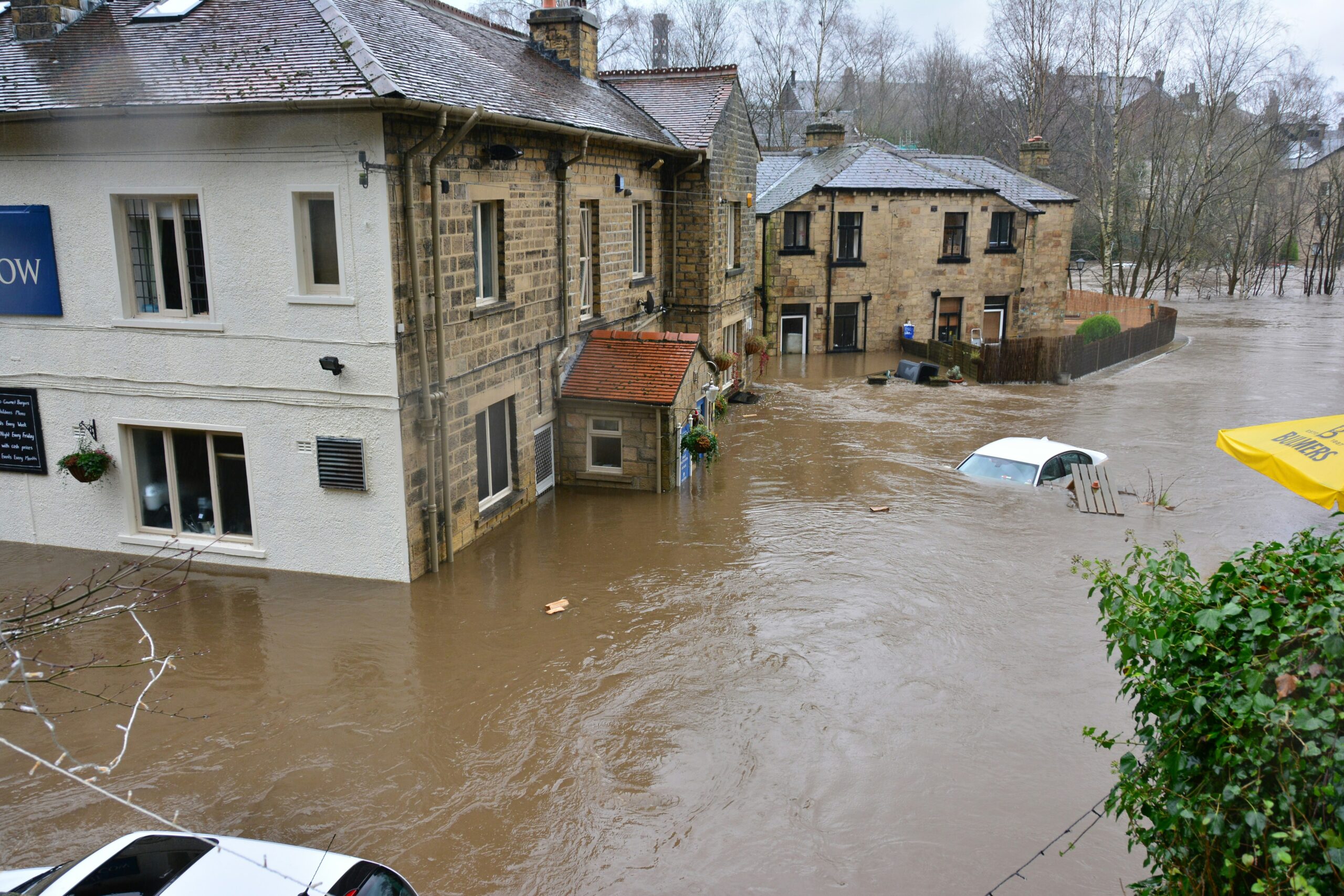
The colossal ice sheets that had dominated the Earth for millennia began their slow, inexorable retreat. This was not a gentle thawing, but a dramatic upheaval, a geological metamorphosis that would reshape continents and redefine coastlines. As the glaciers melted, an unimaginable volume of water was unleashed, leading to a period of catastrophic flooding that profoundly impacted the planet and the nascent human populations that inhabited it. This was the Great Flood of the late Pleistocene, the dramatic aftermath of the last Ice Age.
The end of the Pleistocene epoch, approximately 11,700 years ago, marked a pivotal turning point in Earth’s history. For thousands of years, massive ice sheets, some miles thick, had covered vast swathes of North America, Europe, and Asia. These frozen titans, born from prolonged periods of glaciation, had sculpted landscapes, rerouted rivers, and significantly lowered global sea levels. As the climate began to warm, a process driven by complex orbital cycles and perhaps internal Earth feedbacks, these ice sheets commenced a spectacular and terrifying melt.
The Gigantic Scale of Glacial Melt
The sheer volume of water locked within the Pleistocene ice sheets was staggering. Scientists estimate that if all the ice had melted simultaneously, global sea levels would have risen by as much as 200 feet. While this complete melt did not occur instantaneously, the rate of melting during the deglaciation period was remarkably rapid, measured in centuries rather than millennia. This accelerated thaw meant that water was not gradually absorbed by the oceans but was forcefully driven into them, leading to dramatic and widespread inundations.
Reshaping the Continental Margins
As the meltwater poured into the oceans, the most immediate and profound impact was felt along the continental margins. Coastlines, once hundreds of miles inland from their present-day positions, were systematically submerged. Vast lowland areas, which had been exposed during the ice age when sea levels were lower, were permanently covered by water. This process was not a gentle rise but often involved powerful surges and the erosion of vulnerable shorelines.
The Birth of New Seas and Inland Water Bodies
The influx of meltwater did more than just raise global sea levels; it created entirely new bodies of water and dramatically expanded existing ones. In North America, the massive proglacial lakes, such as Lake Agassiz, which had formed at the edges of the retreating ice sheets, drained catastrophically, sending torrents of water into the Atlantic and Arctic Oceans, and contributing to further sea-level rise. Similarly, the Baltic Sea, a relatively small body of water, expanded dramatically, while in Central Asia, the Aral Sea and Caspian Sea witnessed significant increases in water volume.
The Great Flood after the Ice Age has long been a subject of fascination for historians and scientists alike, as it represents a significant turning point in human civilization. For those interested in exploring the technological advancements that emerged in the wake of such cataclysmic events, a related article titled “Unearthing Ancient Control Technology” provides intriguing insights into how ancient societies adapted and developed new systems to manage their environments. You can read more about this fascinating topic by following this link: Unearthing Ancient Control Technology.
The Great Flood: A Cataclysm of Unprecedented Proportions
The period following the peak of the last glacial maximum witnessed the most dramatic sea-level rise in recent geological history. While often referred to in popular culture as a singular “Great Flood,” this event was a protracted period of significant inundation, punctuated by periods of accelerated rise and, in some instances, catastrophic meltwater pulses.
Rapid Sea-Level Rise: A Global Phenomenon
The rate of sea-level rise during this deglacial period was exceptionally fast, particularly during certain millennia. Evidence from exposed shorelines and submerged ancient settlements indicates that sea levels could rise by several meters per century in some periods. This rapid ascent posed an existential threat to low-lying coastal communities and ecosystems.
Meltwater Pulses: The Driving Force of Escalation
Scientists have identified specific, short-lived periods of accelerated sea-level rise, known as Meltwater Pulses (MWPs). These pulses, some of which are thought to have occurred within centuries, were characterized by dramatic increases in the rate of meltwater discharge into the oceans. The precise triggers for these pulses are still debated, but they likely involved the rapid collapse of ice shelves or the catastrophic draining of large proglacial lakes. These events would have felt like a sudden, overwhelming surge of water.
Impact on Coastal Ecosystems and Biodiversity
The relentless rise of sea levels drastically altered coastal environments. Salt marshes, estuaries, and mangrove forests, vital nurseries for marine life, were either submerged or shifted inland, disrupting established ecosystems. Many coastal species unable to adapt to the rapidly changing salinity and inundation patterns faced population declines or extinction. This period of rapid environmental change also presented opportunities for species that could tolerate or even benefit from these new conditions.
Human Civilizations on the Brink: Adapting to a Drowning World

For early human populations, the Great Flood was not an abstract geological event but a tangible and terrifying reality. Whether hunter-gatherer groups or nascent agricultural communities, their lives were intimately tied to the land, and the encroaching waters fundamentally altered their landscapes and survival strategies.
Displacement and Migration: The Great Coastal Exodus
As low-lying coastal areas became submerged, communities were forced to abandon their ancestral lands. This led to significant internal migrations, with people moving inland to seek higher ground and new territories. The archaeological record shows evidence of settlements being abandoned and new ones being established further from the coast during this period. This displacement likely fueled inter-group interactions, both cooperative and conflictual, as resources became scarce and territories shifted.
Loss of Ancient Settlements and Cultural Heritage
The rising seas claimed entire settlements, erasing millennia of human history and culture. Many of the earliest human habitation sites, concentrated in fertile coastal plains and river valleys, were lost beneath the waves. This loss represents an incalculable gap in our understanding of early human development, with much of our ancestral heritage lying silent and inaccessible on the ocean floor.
The Rise of Maritime Cultures and New Opportunities
While the flood caused immense destruction, it also spurred innovation and adaptation. The need to navigate and exploit the newly expanded waterways led to the development of more sophisticated watercraft and fishing techniques. Some communities found new livelihoods in the abundant marine resources that became accessible. The very act of adapting to a world reshaped by water may have fostered a deeper understanding of the ocean and its rhythms. The development of sophisticated navigation and fishing technologies could be seen as direct responses to the challenges and opportunities presented by the post-flood world.
Geological Evidence: Unearthing the Footprints of the Flood

The story of the Great Flood is not solely a narrative of human struggle; it is also etched into the geological record. Scientists have pieced together the evidence from land and sea, using a variety of techniques to reconstruct the dramatic events of deglaciation.
Submerged Landscapes and Ancient Shorelines
The most direct evidence of the Great Flood comes from the discovery of submerged landscapes and ancient shorelines. Sonar surveys of continental shelves have revealed the eerie outlines of drowned river valleys, ancient coastlines, and even the remains of human settlements. These underwater vistas offer a ghostly glimpse into a world that once was, now hidden beneath the waves.
Sedimentary Layers: A Chronicle of Inundation
Geological studies of coastal and marine sedimentary layers provide a detailed chronicle of sea-level change. Layers of sediment deposited during periods of rapid inundation can be identified through core samples. These layers often contain evidence of marine transgression, such as the presence of marine fossils in what were once terrestrial environments.
Ice Core Data: Clues to Past Climates
Ice cores drilled from glaciers and ice sheets in Greenland and Antarctica provide invaluable data about past climate conditions. Analyzing the trapped air bubbles and isotopic composition within the ice allows scientists to reconstruct past temperatures, atmospheric composition, and melt rates, thus providing crucial context for understanding the scale and timing of glacial melt.
Isotopic Signatures: Tracing the Origin of Meltwater
The isotopic composition of oxygen and hydrogen in seawater can act as a fingerprint, indicating the source of the water. A lower ratio of heavier isotopes to lighter isotopes in seawater suggests the input of freshwater from melting ice sheets. By analyzing these ratios in ancient marine sediments, scientists can quantify the contribution of glacial meltwater to global sea-level rise.
The Great Flood after the Ice Age is a fascinating topic that has intrigued researchers and historians alike, as it sheds light on the dramatic changes in climate and environment during that period. For those interested in exploring how ancient migrations were influenced by climate stress, a related article can provide valuable insights. You can read more about this connection in the article on ancient migration and climate stress, which discusses how these factors shaped human movement and adaptation in the aftermath of the Ice Age.
The Legacy of the Great Flood: Lessons for the Future
| Event | Great flood after the Ice Age |
|---|---|
| Location | Various regions around the world |
| Cause | Melting of ice sheets and glaciers |
| Time Period | Occurred around 11,000 years ago |
| Impact | Significant changes in landscapes and ecosystems |
| Scientific Study | Researchers study geological and archaeological evidence |
The Great Flood, the dramatic consequence of the last Ice Age’s thaw, serves as a potent reminder of Earth’s dynamic nature and its capacity for profound, even catastrophic, change. The lessons learned from this period hold significant relevance for our present and future.
Understanding Climate Change and Sea-Level Rise
The Great Flood offers a stark historical precedent for the potential impacts of rapid climate change and subsequent sea-level rise. As the planet continues to warm, understanding the mechanisms and consequences of past glacial melt is crucial for predicting and mitigating future inundation. The speed and scale of the post-Ice Age melt serve as a warning, underscoring the potential for rapid and disruptive environmental shifts.
The Importance of Human Resilience and Adaptation
The story of human adaptation to the Great Flood highlights the remarkable resilience and ingenuity of our species. The ability of early humans to migrate, innovate, and find new ways to thrive in a radically altered environment is a testament to our adaptive capacity. This historical perspective can inspire us as we face contemporary environmental challenges.
Preserving Coastal Heritage and Understanding Our Past
The submerged remains of ancient settlements represent a lost heritage, a reminder of the transient nature of human presence on the Earth’s surface. Efforts to explore, document, and preserve these underwater sites are crucial for understanding our collective past and the challenges faced by our ancestors. Each discovery offers a fragment of a forgotten story, a piece of the puzzle of human history.
A Call for Environmental Stewardship in Our Time
Ultimately, the Great Flood, a natural event of immense scale, provides a powerful analogy for the potential consequences of human-induced environmental change. As we grapple with the complexities of our own impact on the planet, the lessons from the aftermath of the Ice Age serve as a compelling call for responsible environmental stewardship and a deep respect for the delicate balance of Earth’s systems. The echoes of that ancient inundation continue to remind us of our profound connection to, and our responsibility for, the planet we inhabit.

The Forgotten World Beneath the North Sea
FAQs
1. What caused the great flood after the Ice Age?
The great flood after the Ice Age was caused by the melting of massive ice sheets and glaciers, which led to a significant rise in sea levels and the overflow of ancient lakes and rivers.
2. When did the great flood after the Ice Age occur?
The great flood after the Ice Age occurred approximately 11,000 years ago, during a period known as the Younger Dryas, when the Earth’s climate was transitioning from a glacial period to a warmer interglacial period.
3. What evidence supports the occurrence of a great flood after the Ice Age?
Evidence for the great flood after the Ice Age includes geological formations such as large-scale erosion, sediment deposits, and the presence of marine fossils in areas that were once inland. Additionally, ancient myths and legends from various cultures around the world also describe catastrophic floods.
4. How did the great flood after the Ice Age impact early human civilizations?
The great flood after the Ice Age likely had a significant impact on early human civilizations, leading to the displacement of populations, the loss of habitable land, and the need for adaptation and migration to new areas. It may have also influenced the development of flood myths and cultural narratives.
5. What are the implications of studying the great flood after the Ice Age?
Studying the great flood after the Ice Age can provide valuable insights into the Earth’s past climate changes, the effects of sea level rise, and the resilience of early human societies. It can also help us better understand the potential impacts of future climate change and sea level rise.