
Ancient Europe’s Great Tsunami: Uncovering the Catastrophic Waves
The placid rhythms of the Mediterranean, the North Sea, and the Atlantic have cradled civilizations for millennia, their shores witnessing the ebb and flow of empires and the genesis of countless stories. Yet, beneath this veneer of enduring tranquility lies a history of cataclysm, a narrative etched not in stone but in the very geology of the continent. Ancient Europe, far from being a stranger to devastating watery onslaughts, was sculpted and reshaped by colossal tsunamis that swept across its coastlines with terrifying force. These were not mere tidal surges, but epic waves born from seismic upheavals, volcanic eruptions, and even extraterrestrial impacts, events that left indelible scars on the landscape and the collective memory of early European societies. Uncovering the evidence of these ancient deluges is a scientific endeavor that bridges geology, archaeology, and even mythology, offering a glimpse into a past far more dynamic and perilous than commonly perceived. The sheer scale of these ancient tsunamis, the destruction they wrought, and the ways in which early Europeans might have perceived and responded to such events form the core of this exploration into a forgotten chapter of European history.
The earth beneath Europe is a restless entity, its crust a mosaic of tectonic plates that grind, collide, and rupture. These geological processes are the primary drivers of the most destructive tsunamis, and evidence of such events is scattered across the continent’s geological record. Scientists, by meticulously examining sediment layers, fault lines, and submerged geological formations, have pieced together a compelling narrative of ancient watery devastation. These investigations reveal that tsunamis of immense magnitude have visited Europe repeatedly throughout prehistory and antiquity, dramatically altering coastlines and impacting human settlements.
Seismic Origins of Ancient Tsunamis
The most common culprits behind large-scale tsunamis are underwater earthquakes, particularly those occurring at subduction zones where one tectonic plate slides beneath another. Europe, situated at the volatile boundaries of the Eurasian, African, and North American plates, is no stranger to seismic activity.
The Mediterranean’s Tectonic Crucible
The Mediterranean Sea is a particularly active tectonic region. The collision of the African and Eurasian plates creates a complex network of faults that can generate powerful earthquakes. Evidence suggests that significant seismic events in this region have triggered tsunamis that have impacted the coasts of Italy, Greece, North Africa, and the Levant.
Submerged Sedimentary Evidence
Researchers analyze boreholes and seabed cores to identify distinct layers of sediment. The presence of coarse-grained material (like sand and pebbles) deposited far inland from its normal shoreline, often interspersed with marine fossils in unexpected terrestrial locations, strongly indicates a past tsunami inundation. These chaotic deposits, known as tempestites or tsunamiites, are a direct signature of violent water surge.
Paleoseismic Investigations
Studying ancient fault scarps and records of past earthquakes provides valuable insights. When a powerful earthquake occurs offshore, it can displace the seafloor, triggering a tsunami. Analyzing historical earthquake catalogs, even for ancient periods, and correlating them with geological evidence of fault rupture allows scientists to reconstruct the potential for tsunami generation.
The North Atlantic Fault Zones
The opening of the North Atlantic Ocean is another source of significant seismic activity. Associated with the Mid-Atlantic Ridge and its oceanic transform faults, these zones can produce large earthquakes. While direct evidence of ancient tsunamis in the North Atlantic impacting Europe is less systematically documented than in the Mediterranean, the potential for such events, particularly from the Icelandic region and the Azores, cannot be discounted.
Marine Geophysics and Bathymetry
Advanced sonar and seismic reflection surveys of the seabed can reveal underwater landslides, fault scarps, and disrupted sediment layers indicative of past seismic events and their potential to generate tsunamis. Changes in seafloor topography can also point to dramatic coastal reshaping.
Submerged Archaeological Sites
The discovery of submerged settlements and artifacts along European coastlines, particularly those found at depths exceeding typical sea-level fluctuations, can sometimes be attributed to rapid inundation events, including tsunamis. These sites offer a dual glimpse: evidence of past human activity and a testament to dramatic environmental changes.
Volcanic Cataclysms and Their Roiling Waves
Beyond tectonic plate movements, volcanic activity has also been a powerful engine for some of Europe’s most devastating tsunamis. The explosive eruption of submerged volcanoes or the catastrophic collapse of volcanic edifices can displace vast volumes of water, generating destructive waves.
The Santorini Eruption and its Reach
Perhaps the most famous example of a volcanically triggered tsunami impacting ancient Europe is the Minoan eruption of Thera (modern Santorini) around 1600 BCE. This colossal eruption is believed to have generated a tsunami that devastated the island of Crete and the surrounding Aegean coastline.
Pumice Deposits as Indicators
The widespread dispersal of pumice, a lightweight volcanic rock, from the Thera eruption across the Aegean seabed and along coastal margins is a clear indicator of the eruption’s scale and the involvement of oceanic forces. In some areas, thick layers of tephra (volcanic ash) are found intermingled with marine deposits, pointing to a cataclysmic event.
Microfossil Data and Oceanographic Modeling
Analyzing microfossils preserved in sediment cores provides information about the marine environment before and after the eruption. Oceanographic models, using data from the eruption’s magnitude and location, can simulate the propagation of the resulting tsunami, allowing scientists to estimate its reach and impact.
Other Volcanic Threats in the Mediterranean
The Italian peninsula, with its active volcanoes like Vesuvius and Stromboli, also poses a tsunami risk. While less monumental than Thera, significant eruptions and flank collapses could have generated localized yet destructive waves in antiquity.
Submarine Landslides Linked to Volcanism
The steep slopes of volcanic islands and underwater volcanic edifices are prone to collapse, especially during or after eruptions. These massive submarine landslides can displace water with significant force, generating tsunamis that travel across the sea. Geological surveys of the seafloor around active volcanic regions are crucial for identifying such past events.
Coastal Evidence of Pyroclastic Surges and Water Interaction
The interaction of pyroclastic flows (superheated gas and volcanic debris) with the sea during an eruption can create steam explosions and generate tsunamis. Evidence might include charring of coastal vegetation at the inundation line and distinct deposits where volcanic material has been mixed with seawater.
The Great Tsunami in ancient Europe is a fascinating topic that highlights the impact of natural disasters on historical societies. For those interested in exploring the broader implications of historical events and their connections to modern legislation, a related article can be found at Understanding the Trading with the Enemy Act. This article delves into how historical contexts shape contemporary laws and societal responses, providing a deeper understanding of the interplay between past and present.
Tracing the Footprints on Ancient Shores
The impact of these ancient tsunamis was not confined to the geological record. The waves left tangible imprints on the landscapes inhabited by early Europeans, shaping their settlements, influencing their subsistence strategies, and perhaps even imprinting themselves onto their cultural narratives. Archaeologists, by meticulously excavating coastal sites and analyzing the stratigraphy of human occupation, have begun to uncover these telltale signs.
Coastal Settlements and their Fate
Many of ancient Europe’s early settlements were located strategically near the coast, taking advantage of resources and trade routes. These settlements were inherently vulnerable to tsunamis.
Submerged Villages and Ports
The discovery of entire villages, agricultural fields, and port facilities submerged beneath the waves provides dramatic evidence of rapid inundation. Sites like the ancient harbor of Piraeus in Greece and submerged settlements off the coast of Malta offer poignant glimpses into lost communities, their demise potentially linked to tsunami events.
Stratigraphic Layers in Coastal Excavations
Archaeological excavations at coastal sites often reveal distinct stratigraphic layers. The sudden appearance of marine sediment, shells, and even shipwreck debris above layers of human occupation can indicate a catastrophic inundation event, such as a tsunami, that buried or destroyed the settlement.
Artifact Distribution Patterns
The scattered and disordered distribution of artifacts within certain stratigraphic layers, particularly those found in unusual contexts (e.g., pottery shards mixed with marine debris far inland), can be indicative of violent upheaval and transportation by a powerful wave.
Inland Migration and Resettlement
Following a devastating tsunami, surviving populations were often forced to migrate inland, away from the now-perilous coast. This can be evidenced by the sudden abandonment of coastal sites and the emergence of new settlements further inland, often with a discernible gap in occupation layers.
Changes in Settlement Patterns
The analysis of settlement distribution across a region over time can reveal shifts in population centers. A documented move from the coast to higher ground following a major environmental event strongly suggests the impact of a tsunami.
Adaptation of Building Techniques
Communities that survived and resettled may have adapted their building techniques to be more resilient against future watery threats, perhaps constructing on higher ground or employing different foundation methods.
Evidence in the Landscape
Beyond archaeological sites, the physical landscape itself bears witness to the power of these ancient deluges. Coastal geomorphology and sediment analysis can reveal the extent and force of past tsunami inundations.
Raised Beaches and Terraces
The geological phenomenon of raised beaches, where ancient shorelines are now found at elevations significantly above the current sea level, can be partly attributed to tectonic uplift. However, in conjunction with evidence of rapid erosion and deposition, these features can also point to the erosive power of ancient tsunamis and subsequent sea-level changes.
Marine Erosion Features
Tsunamis can carve distinct erosional features into coastal rock formations. These might include undercuts, potholes, and the removal of softer rock layers, leaving behind characteristic sculpted surfaces that indicate forceful water action.
Inland Sediment Deposits
The deposition of marine sediments, such as sand and silt, far inland from any present-day coastline is a strong indicator of past tsunami inundation. These deposits, often containing marine fossils, mark the furthest reach of these catastrophic waves.
Submerged Landscapes and Features
The sea floor itself can preserve evidence of ancient terrestrial landscapes that were subsequently inundated.
Submerged Forests and Archaeological Sites
The discovery of submerged forests, where ancient tree stumps and root systems are preserved on the seabed, indicates a rapid rise in sea level or inundation. Similarly, submerged archaeological sites, described earlier, are direct evidence of past human habitation that was claimed by the sea.
Sediment Cores Revealing Past Environments
Detailed analysis of sediment cores taken from the sea floor can reveal changes in plant and animal life, indicating a shift from terrestrial or shallow marine environments to deeper water. This provides a chronological record of inundation events.
The Shadow of the Wave in Mythology and Legend
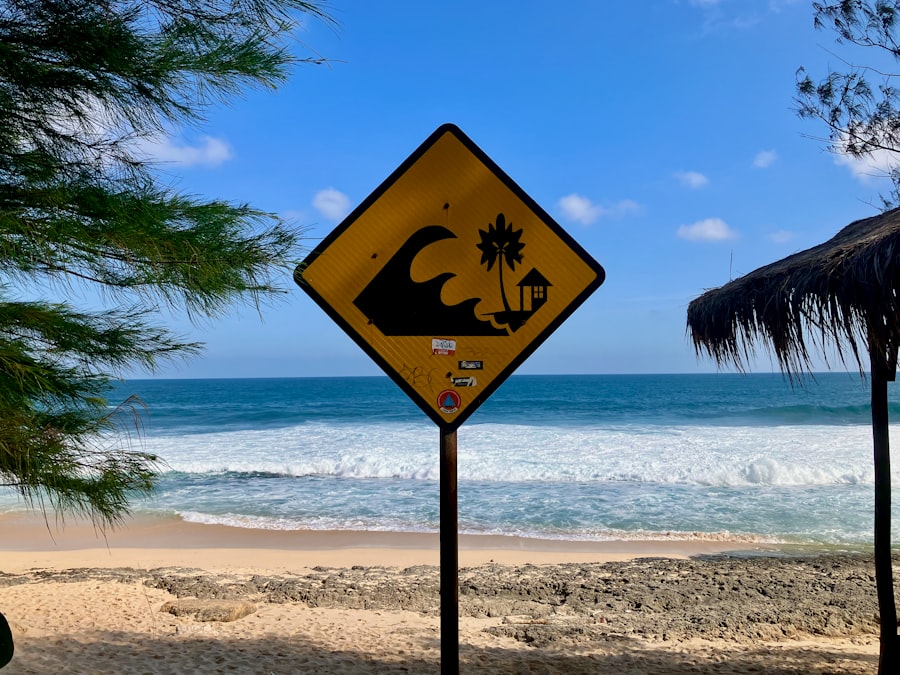
While scientific evidence provides the concrete proof of ancient European tsunamis, the psychological and cultural impact of such devastating events would have undoubtedly permeated the consciousness of early societies. It is plausible that the raw power and terrifying unpredictability of these watery onslaughts found expression in the myths, legends, and religious beliefs of ancient peoples, serving as a primordial explanation for forces beyond their comprehension.
Creation Myths and Flood Narratives
Many ancient cultures across the globe possess creation myths that involve a primordial, chaotic sea or a catastrophic flood that reshapes the world. While not always directly linked to seismic tsunamis, these narratives may reflect a collective, ancestral memory of such devastating inundations.
The Great Flood as a Universal Motif
The recurring theme of a great flood in Mesopotamian, Greek, and even Norse mythology, while often interpreted through a lens of biblical influence or celestial events, could also be a cultural echo of real, localized cataclysms experienced by early human populations.
Mesopotamian Flood Stories
The Epic of Gilgamesh and the Atra-hasis epic contain detailed accounts of a devastating flood sent by the gods. While the scale and cause are divine, the descriptions of immense water overwhelming the land resonate with the potential impact of large-scale tsunamis.
Greek Mythology and Poseidon
Poseidon, the Greek god of the sea, earthquakes, and horses, wielded immense power that could unleash destructive storms and floods. His wrath was often depicted as bringing forth overwhelming waters, a narrative that could have been fueled by actual experiences with tsunamis.
Norse Mythology and the Deluge of Ragnarök
In Norse mythology, the end of the world, Ragnarök, is foretold to involve the sea rising to inundate the land, accompanied by seismic upheaval. This apocalyptic vision might reflect the collective anxieties of a seafaring people who had witnessed nature’s destructive potential.
Sea Deities and Their Temperaments
The personification of the sea as a powerful, sometimes capricious deity is a common thread in ancient European religions. These deities, often depicted with immense power and a volatile temperament, could be seen as reflections of the unpredictable and destructive forces of nature.
The Unpredictable Nature of the Sea Gods
The veneration of sea gods like Poseidon, Nereus, and Tethys in the Greek and Roman pantheons suggests a deep respect and fear of the ocean’s power. Their ability to command storms and create waves could be interpreted as anthropomorphic representations of tsunami-generating forces.
Rituals and Offerings for Appeasement
The frequent practice of offering sacrifices and performing rituals to appease sea deities highlights the perceived need to maintain a balance with the unpredictable powers of the ocean. This could be a cultural response to the fear of tsunamis and other marine hazards.
Stories of Divine Wrath and Punishment
Many myths describe floods or inundations as forms of divine punishment for human transgressions. This could be a way for ancient societies to rationalize and impose order upon nature’s seemingly chaotic and destructive events.
The Deluge as a Moral Imperative
The storytelling of floods as divine retribution served to reinforce moral codes and societal norms. It provided a framework for understanding why such disasters might occur, attributing them to the will of higher powers rather than random chance.
The Transmission of Fear and Memory
Even if not explicitly named as “tsunamis,” the collective memory of devastating inundations, passed down through generations, could have shaped the cultural landscape and influenced decision-making regarding settlement locations and the construction of defenses.
Oral Traditions and Folk Tales
The oral traditions of coastal communities would have preserved accounts of past catastrophes, even if distorted or embellished over time. These stories would have served as cautionary tales, reinforcing the respect for the sea’s power.
Echoes in Art and Architecture
While direct representation may be rare, the underlying anxieties about watery destruction might have subtly influenced artistic motifs or architectural considerations in vulnerable coastal regions, encouraging designs that might offer some protection.
Reconstructing the Devastation: Tools and Techniques

The process of uncovering ancient Europe’s great tsunamis is a testament to the power of scientific inquiry and interdisciplinary collaboration. Geologists, archaeologists, oceanographers, and modelers work in concert, employing a sophisticated array of tools and techniques to piece together the fragmented evidence of these catastrophic events.
Geological Investigations and Sediment Analysis
At the forefront of this research lies the detailed examination of the earth’s strata, both on land and beneath the sea.
Core Sampling and Stratigraphy
Taking sediment cores from both terrestrial coastal plains and the ocean floor allows scientists to analyze layers of deposited material. The presence of specific sedimentary structures, particle sizes, and fossil assemblages within these cores can reveal evidence of powerful water surges and their directionality.
Lithological Analysis
Examining the physical characteristics of the sediment – its color, texture, and composition – provides clues about its origin and depositional environment. Distinct changes in lithology can mark the boundary between normal sedimentary processes and the chaotic deposition of a tsunami.
Micropaleontological Analysis
The study of microscopic fossils (like foraminifera and diatoms) found within sediment cores can identify the environment from which the sediment originated. A sudden influx of marine microfossils into what was previously a terrestrial or freshwater environment is a strong indicator of inundation.
Geochemical Proxies and Dating
Advanced geochemical techniques help to understand the conditions under which sediments were deposited and to date these events.
Radiometric Dating (e.g., Carbon-14, Uranium-series)
Dating organic material within tsunami deposits, or dating the layers above and below them, provides a temporal framework for these events, allowing scientists to correlate them with known historical periods or geological epochs.
Isotopic Analysis
Analyzing the isotopic composition of elements like oxygen and strontium within shells and skeletal remains can reveal information about the water mass involved in the deposition, helping to distinguish between freshwater and marine inundation.
Archaeological Excavation and Interpretation
Archaeological fieldwork plays a crucial role in integrating the geological evidence with the human dimension of these events.
Excavating Coastal Sites for Tsunami Indicators
Coastal archaeological sites are meticulously excavated, focusing on identifying and analyzing stratigraphic sequences that may contain evidence of tsunami impact.
Identifying Disrupted Layers and Inclusions
Archaeologists look for disturbed soil layers, the presence of marine debris (shells, seaweed, fish bones) mixed with terrestrial artifacts, and unusual artifact deposition patterns that suggest a violent influx of water.
Mapping the Extent of Inundation
By identifying the furthest reach of tsunami deposits and correlating them with the elevation of archaeological remains, scientists can reconstruct the approximate inundation extent of ancient tsunamis.
Submerged Archaeology and Site Preservation
The exploration and documentation of submerged archaeological sites are vital for understanding the direct impact of these events on human settlements.
Remote Sensing Techniques (Sonar, ROVs)
Sonar mapping and the use of Remotely Operated Vehicles (ROVs) allow for the systematic survey of submerged areas, identifying potential archaeological sites and geological features indicative of past inundation.
Underwater Excavation and Artifact Recovery
Specialized techniques for underwater excavation are employed to carefully recover artifacts and record the context of submerged sites, providing invaluable data about past life and its abrupt end.
Paleoseismology and Tsunami Modeling
Reconstructing the source and potential impact of ancient tsunamis requires a deep understanding of seismic activity and fluid dynamics.
Identifying Ancient Earthquakes
Paleoseismologists study geological evidence of past earthquakes, such as fault scarps and deformed sediment layers, to identify evidence of seismic activity that could have generated tsunamis.
Fault Trenching and Geomorphic Analysis
Excavating trenches across fault lines and analyzing landforms provides direct evidence of past earthquake ruptures, including their magnitude and recurrence intervals.
Dating of Fault Events
Dating the sediment layers that have been displaced by faulting allows for the reconstruction of the timing of past earthquakes.
Numerical Modeling of Tsunami Propagation
Advanced computer models are used to simulate the generation, propagation, and inundation of tsunamis based on estimated earthquake or volcanic parameters.
Inputting Source Parameters
These models require input data such as the location and magnitude of the seismic event, the depth of the earthquake, and the bathymetry (seafloor topography) of the region.
Simulating Wave Height and Inundation Extent
The models can then predict the height of the tsunami waves, their travel times, and the extent of coastal inundation, allowing for a comparison with geological and archaeological evidence.
The Great Tsunami in ancient Europe is a fascinating topic that sheds light on the geological events that shaped the continent’s history. For those interested in understanding how natural disasters can impact societies and economies, a related article discusses the implications of elite assets during crises. You can read more about this intriguing connection by visiting elite assets in a crash. This exploration reveals how the wealthy navigate turbulent times, drawing parallels to the resilience required in the face of catastrophic events like the ancient tsunami.
The Enduring Legacy of Ancient Waves
| Location | Time Period | Estimated Magnitude | Impact |
|---|---|---|---|
| Mediterranean Coast | Ancient Times | Unknown | Devastated coastal communities |
| Atlantic Coast | Ancient Times | Unknown | Caused widespread destruction |
The study of ancient Europe’s great tsunamis is an ongoing scientific endeavor, continually revealing new insights into the planet’s dynamic past and the resilience of human civilization. The evidence of these catastrophic waves serves not only as a reminder of nature’s awesome power but also as a crucial lesson for understanding contemporary coastal risks. By unraveling the geological fingerprints, tracing the archaeological footprints, and considering the echoes in ancient narratives, we gain a profound appreciation for the forces that have shaped Europe and the enduring human story of adaptation and survival.
Lessons for the Present and Future
The understanding of ancient tsunamis provides invaluable data for assessing and mitigating risks posed by future events.
Historical Analogues for Modern Tsunamis
Studying past tsunamis helps scientists refine their understanding of wave behavior and inundation patterns, providing historical analogues for modern tsunami scenarios. This information is vital for developing accurate hazard assessments and early warning systems.
Understanding Tsunami Vulnerability
The documented impact of ancient tsunamis on coastal settlements highlights the inherent vulnerability of low-lying coastal areas. This knowledge informs urban planning, coastal defense strategies, and the development of resilient infrastructure.
Building Resilient Communities
Lessons learned from the survival and adaptation strategies of ancient communities can inform contemporary approaches to community preparedness and disaster response, emphasizing long-term resilience and recovery.
Interdisciplinary Collaboration and Scientific Advancement
The pursuit of understanding ancient tsunamis has fostered significant advancements in multiple scientific disciplines.
Advancements in Geological and Archaeological Techniques
The challenge of identifying and interpreting evidence of ancient tsunamis has driven innovation in sediment analysis, dating methods, remote sensing technologies, and underwater archaeological techniques.
The Power of Interdisciplinary Synergy
The most significant breakthroughs have come from the collaboration between geologists, archaeologists, oceanographers, and climate scientists, demonstrating the critical importance of a holistic approach to understanding complex natural phenomena.
Public Awareness and Preparedness
Raising public awareness about the historical occurrence and potential future threat of tsunamis is crucial for fostering informed decision-making and promoting community preparedness.
The Importance of Education
Educating the public about the geological drivers of tsunamis, the historical occurrences, and the necessary safety measures can empower individuals and communities to respond effectively in the event of a future tsunami.
Acknowledging Our Dynamic Planet
Ultimately, the uncovering of ancient Europe’s great tsunamis underscores the dynamic nature of our planet. It reminds us that the stable landscapes we inhabit are the product of immense geological forces and that coastal environments are constantly being reshaped by powerful natural processes. This understanding fosters a sense of humility and a healthy respect for the natural world, encouraging proactive engagement with potential risks rather than passive vulnerability. The waves of the past continue to speak to us, offering vital lessons for navigating the future.

The Forgotten World Beneath the North Sea
FAQs
1. What was the great tsunami in ancient Europe?
The great tsunami in ancient Europe refers to a massive tsunami that occurred around 8,000 years ago, during the Neolithic period. It is believed to have been triggered by a submarine landslide in the North Atlantic Ocean, causing widespread devastation along the coastlines of modern-day Scotland, Norway, and other parts of Europe.
2. What evidence supports the occurrence of the great tsunami in ancient Europe?
Evidence of the great tsunami in ancient Europe includes geological studies that have identified deposits of marine sediments and debris inland, as well as the presence of large boulders and other evidence of coastal inundation in areas that were previously thought to be unaffected by tsunamis.
3. What impact did the great tsunami have on ancient European societies?
The great tsunami in ancient Europe is believed to have had a significant impact on the Neolithic societies that inhabited the affected regions. It likely caused widespread destruction of settlements, loss of life, and displacement of populations. The event may have also influenced cultural and societal developments in the aftermath.
4. How does the great tsunami in ancient Europe compare to other historic tsunamis?
The great tsunami in ancient Europe is notable for its scale and impact, as well as for its occurrence in a region not typically associated with large tsunamis. While historic tsunamis in other parts of the world, such as the Mediterranean or Asia, are well-documented, the ancient European tsunami provides valuable insights into the potential for large tsunamis in unexpected locations.
5. What can we learn from studying the great tsunami in ancient Europe?
Studying the great tsunami in ancient Europe can provide valuable information about the frequency and magnitude of tsunamis in the North Atlantic region, as well as the potential risks they pose to modern coastal populations. It also offers insights into the resilience and adaptation of ancient societies in the face of natural disasters.