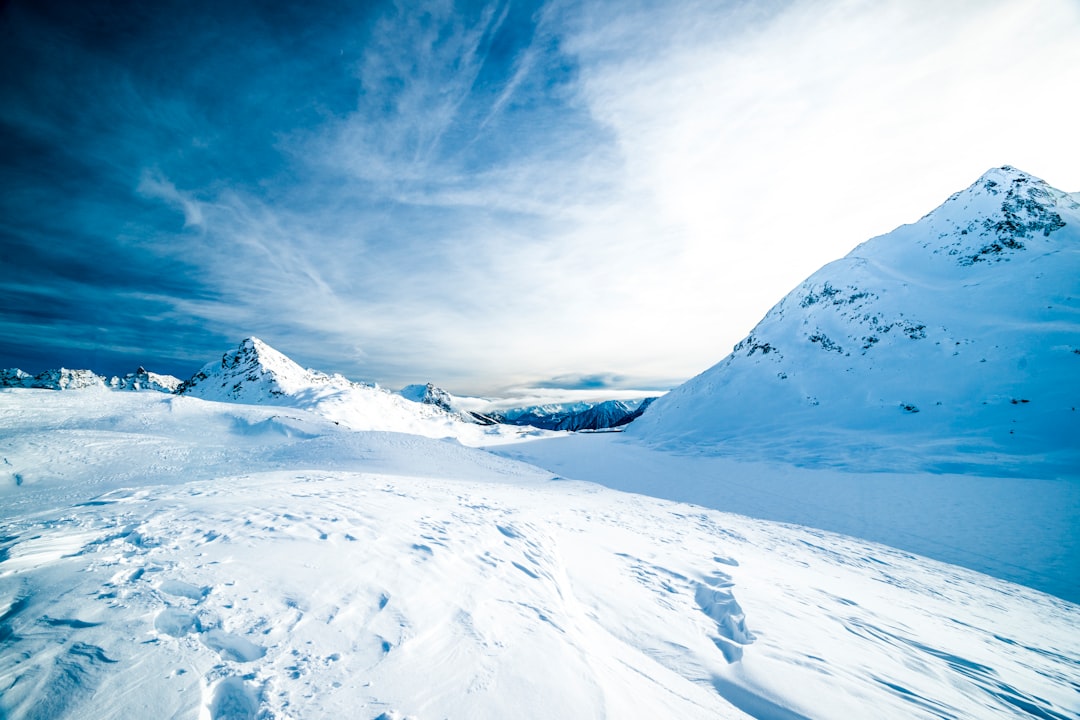
The biting winds, the colossal glaciers, the life clinging tenaciously to the fringes of existence – this was the world of the Ice Age, a period so profoundly alien and yet so intrinsically linked to our own evolutionary journey. For millennia, Earth was sculpted by ice, its landscapes transformed into vast, frozen expanses where colossal beasts roamed and early humans, our distant ancestors, navigated a remarkably challenging environment. Exploring this forgotten world is not merely an academic pursuit; it is an act of understanding our origins, the incredible resilience of life, and the dramatic forces that shaped the planet we inhabit today.
The Ice Age, or more formally, the Pleistocene Epoch, was not a single, monolithic period of extreme cold. Instead, it was characterized by a cyclical pattern of glacial periods, known as glaciations, and warmer interglacial periods. These shifts were driven by subtle, yet powerful, variations in Earth’s orbit, known as Milankovitch cycles, which affected the amount of solar radiation reaching the planet. Imagine entire continents periodically entombed in ice, only to be gradually unveiled as the climate warmed, leaving behind a dramatically altered terrain.
The Unfolding of Glacial Cycles
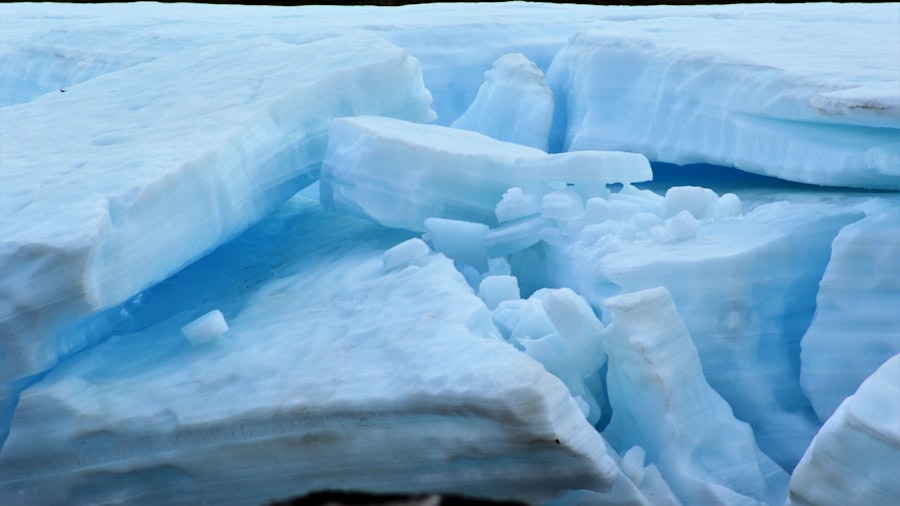
The Pleistocene Epoch, spanning roughly 2.6 million to 11,700 years ago, witnessed multiple glacial-interglacial cycles. These were not uniform events; some glaciations were more severe and extensive than others. During the peak of a glaciation, vast ice sheets, kilometers thick, would expand from the polar regions, covering significant portions of North America, Europe, and Asia. These colossal rivers of ice, though slow-moving in geological terms, possessed immense erosive power.
The Greenland and Antarctic Ice Sheets: Ancient Witnesses
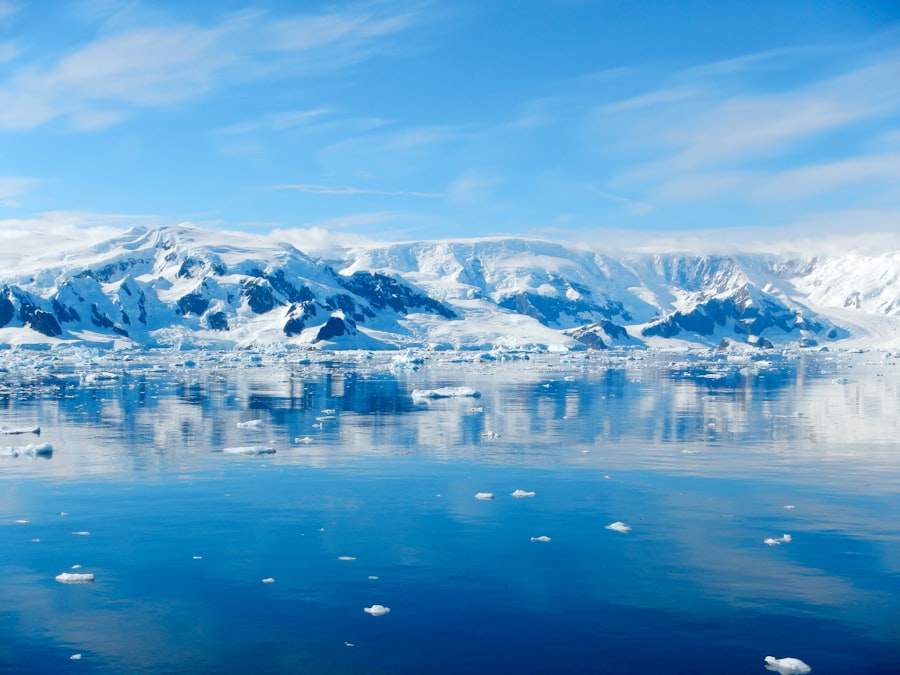
The Greenland and Antarctic ice sheets, though they exist today, were significantly larger and more expansive during the glacial periods of the Pleistocene. These immense ice masses acted as massive reservoirs of frozen water, locking away vast quantities of the planet’s freshwater. Their sheer weight molded the underlying bedrock, creating deep fjords, U-shaped valleys, and vast plains of glacial till. Studying the ice cores extracted from these ancient ice sheets provides invaluable insights into past atmospheric composition, temperature fluctuations, and even volcanic events stretching back hundreds of thousands of years.
The Scars of the Ice: Glacial Landforms
As the massive ice sheets advanced and retreated, they left an indelible mark on the landscape. The forces of erosion and deposition at play were monumental. Glaciers carved out the dramatic U-shaped valleys that grace many mountainous regions, a stark contrast to the V-shaped valleys carved by rivers. The immense pressure of the ice ground down bedrock, creating fine sediment known as glacial flour. When glaciers receded, they deposited this material, forming extensive plains of outwash, moraines (ridges of debris pushed by the ice), and drumlins (elongated hills shaped by the flow of ice). The Great Lakes of North America, for instance, are a direct testament to the erosive and damming power of Pleistocene glaciers.
Interglacial Respite: A World Reclaimed
Between these icy epochs, warmer interglacial periods offered a temporary reprieve. During these times, ice sheets would melt and retreat, sea levels would rise, and ecosystems would begin to recover and flourish. These interglacial periods, though shorter than the glaciations, were crucial for the development of life as we know it, allowing for the spread of plants and animals and the continued evolution of hominins. The current Holocene Epoch, which began around 11,700 years ago, is an interglacial period, a relatively warm interlude in Earth’s long glacial history.
The Rise and Fall of Sea Levels: A Global Drama
The ebb and flow of ice sheets had a profound impact on global sea levels. During glacial periods, as water was locked up in ice, sea levels dropped dramatically, exposing land bridges that allowed for the migration of animals and early humans. The Bering Land Bridge, connecting Asia and North America, is a prime example. Conversely, during interglacial periods, melting ice caused sea levels to rise, inundating coastal areas and creating the shorelines we recognize today. These fluctuations, measured in tens or even hundreds of meters, were a constant challenge and opportunity for life.
The Flourishing of Biodiversity: A World Reawakened
With the retreat of the ice, landscapes were re-colonized by a diverse array of flora and fauna. Forests expanded, grasslands spread, and new habitats emerged. This period of warming allowed for a resurgence of biodiversity, creating the ecological shelves upon which later species would evolve and thrive. These interglacial periods provided the staging grounds for the eventual rise of modern ecosystems.
In exploring the fascinating remnants of the Ice Age, one can draw intriguing parallels to modern advancements, such as the rise of electric vehicle manufacturing. An insightful article titled “Mexico’s Growing Role in Electric Vehicle Manufacturing” delves into how contemporary innovations are reshaping industries and economies, much like the transformative changes that occurred during the Ice Age. To read more about this topic, visit here.
Giants of the Pleistocene: Encounters with the Megafauna
The Ice Age is perhaps most vividly remembered for its extraordinary megafauna – colossal creatures that dwarfed their modern-day counterparts. Mammoths, mastodons, saber-toothed cats, and giant ground sloths were not mere curiosities; they were integral components of the Pleistocene ecosystems, shaping landscapes and presenting both immense challenges and vital resources for early humans.
The Reign of the Mammoths and Mastodons
No discussion of Ice Age fauna is complete without mentioning the mammoths and mastodons. These magnificent herbivores, with their shaggy coats and impressive tusks, were the dominant grazers of the vast Ice Age grasslands and open woodlands.
Woolly Mammoths: Masters of the Frozen Tundra
The woolly mammoth, Mammuthus primigenius, is perhaps the most iconic Ice Age animal. Perfectly adapted to the cold, their thick woolly coats, small ears, and short tails helped them conserve heat. They roamed the frigid tundras and taigas in large herds. Their long, curved tusks, reaching up to five meters in length, were used for a variety of purposes, including digging for vegetation under the snow, defense against predators, and possibly even social displays. Their presence played a significant role in shaping the vegetation, as their grazing habits prevented forests from encroaching too aggressively onto the grasslands.
Mastodons: browser of the Woodlands
While mammoths were primarily grazers, mastodons (Mammut americanum) were more adapted to browsing on trees and shrubs in woodland environments. They possessed a more robust build and straighter, thicker tusks compared to mammoths. Their conical teeth were well-suited for grinding tougher plant material, differentiating them from the flatter, grinding teeth of mammoths. Their distribution was often tied to more forested habitats, offering a different niche within the Pleistocene megafauna.
The Apex Predators: Saber-Toothed Cats and Dire Wolves
The reign of the herbivores was matched by the prowess of their formidable predators. The Ice Age seas teemed with life, and its terrestrial realms were patrolled by some of the most fearsome hunters to have ever walked the Earth.
Smilodon: The Iconic Saber-Toothed Cat
Smilodon, commonly known as the saber-toothed cat, is another icon of the Pleistocene. These magnificent felines, with their elongated, flattened canine teeth, were built for power and precision. Their short limbs and deep chests suggest they were ambush predators, capable of bringing down large prey with a swift and deadly strike, likely to the throat or belly. Their diet primarily consisted of medium-to-large herbivores, including horses, bison, and young mammoths. The iconic image of a Smilodon is one of raw, untamed power, a true apex predator of its time.
Dire Wolves: Pack Hunters of the Plains
The dire wolf, Aenocyon dirus, was a formidable pack hunter that roamed the Ice Age landscapes alongside canids of impressive size. Larger and more powerfully built than modern gray wolves, dire wolves were equipped with robust jaws and large teeth, suggesting they were capable of taking down substantial prey. Their social structure, likely similar to modern wolves, would have enabled them to hunt cooperatively, bringing down even the larger herbivores of the era. Their fossils are frequently found in association with the remains of other megafauna, painting a picture of a complex predator-prey dynamic.
Other Marvels of the Ice Age Menagerie
Beyond these charismatic giants, the Ice Age was home to a bewildering array of other remarkable creatures, each adapted to its specific ecological niche.
Giant Ground Sloths: Slow and Steady Movers
The giant ground sloths, such as Megatherium, were truly colossal. These gentle giants could reach the size of elephants and possessed long claws, though their diet was primarily herbivorous, consisting of leaves and branches. Their slow, deliberate movements and immense size would have offered them considerable protection from most predators. Their presence would have significantly influenced vegetation patterns through their foraging habits.
Cave Bears: Masters of the Subterranean World
The cave bear, Ursus spelaeus, was a powerful herbivore that inhabited caves and mountainous regions. Larger than modern brown bears, they were well-adapted to scraping lichen and moss from rocks and digging for roots. Their remains are frequently found in caves, leading to their association with these subterranean environments. Their presence suggests a specialized niche within the cold-adapted ecosystems of the Ice Age.
The Dawn of Humanity: Early Hominins in a Frozen World
The Ice Age was not just a domain of megafauna; it was also a crucial period for the evolution and dispersal of our own ancestors, the hominins. Facing immense environmental pressures, early humans developed innovative strategies for survival, laying the groundwork for the eventual rise of Homo sapiens.
The Homo erectus Enigma: Early Migrations
Long before the well-known Ice Age artists and toolmakers, Homo erectus was already venturing out of Africa, a testament to their adaptability. While the precise timing and extent of their presence in colder regions during the full glacial periods are debated, their ability to control fire and develop rudimentary tools provided them with a significant advantage in challenging environments.
Fire: The Unifying Force
The mastery of fire was arguably one of the most significant technological advancements of early hominins, particularly during the Ice Age. Fire provided warmth, protection from predators, and the ability to cook food, making it more digestible and extracting more nutrients. This crucial development allowed hominins to inhabit colder regions and extend their foraging range. The control of fire was a pivotal step in separating early humans from their primate relatives.
Early Stone Tools: Adapting to Necessity
The development of stone tools, from the simple Oldowan choppers to the more sophisticated Acheulean handaxes of Homo erectus, represented a growing capacity for manipulation and problem-solving. These tools were used for butchering carcasses, preparing hides, and shaping wood. The availability of such tools facilitated access to resources that might otherwise have been inaccessible. The ingenuity evident in these early tools speaks volumes about their adaptive strategies in a harsh world.
The Arrival of Homo sapiens: A New Challenger Emerges
As the Pleistocene progressed, anatomically modern humans, Homo sapiens, emerged and began to spread across the globe, encountering and eventually outcompeting other hominin species. Their advanced cognitive abilities, cooperative social structures, and sophisticated toolkits gave them a distinct advantage.
Neanderthals: Our Intimate Cousins
The Neanderthals, Homo neanderthalensis, were a distinct hominin species that thrived in Europe and Western Asia during the Ice Age. Robustly built and well-adapted to cold climates, they were skilled hunters, sophisticated toolmakers (producing the Mousterian tool industry), and likely possessed complex social structures and potentially even forms of symbolic thought. Interbreeding between Neanderthals and Homo sapiens occurred, leaving a small but significant genetic legacy in modern human populations. Their eventual disappearance remains a subject of scientific fascination and debate.
Denisovans: The Enigmatic Group
A third group, the Denisovans, known primarily from genetic evidence found in ancient DNA, also coexisted with Homo sapiens and Neanderthals during the Ice Age. They inhabited parts of Asia and interbred with both other groups. Their physical characteristics and full extent of their range are still being uncovered through ongoing research, adding another layer of complexity to the picture of hominin diversity during this period.
Survival Strategies: Ingenuity in the Face of Adversity
The success of early hominins in the Ice Age was a testament to their ingenuity and adaptability. They learned to read the landscape, predict animal migrations, and exploit a wide range of resources.
The Art of the Hunt: From Persistence to Ambush
The hunting strategies employed by Ice Age hominins varied depending on the prey and the terrain. Evidence suggests both patient tracking and opportunistic ambush played roles. The development of projectile weapons, such as spears, would have allowed for safer and more efficient hunting of larger animals from a distance. The cooperative nature of hunting would have been crucial, enabling groups to tackle challenges that individuals could not.
Shelter and Clothing: Protection from the Elements
Surviving the extreme cold required innovative solutions for shelter and clothing. Early humans likely utilized natural caves and rock shelters, but also built rudimentary structures from branches, animal hides, and possibly even large mammoth bones. The development of leatherworking and needle technology, allowing for the creation of tailored clothing from animal skins, was a critical adaptation that provided crucial insulation against the harsh climate.
The Ice Age’s Legacy: Shaping Our World
The dramatic events of the Ice Age did not simply fade into the mists of time. Their influence continues to shape our planet and our own species in profound ways. The geological landscapes we inhabit, the genetic makeup of many populations, and even our capacity for adaptation are all echoes of this colossal epoch.
Geological Transformations: The Sculpted Earth
The immense power of glaciers during the Pleistocene left an enduring geological legacy. The vast moraines, drumlins, and U-shaped valleys are constant reminders of their transformative force. The fertile plains of glacial till, now supporting extensive agriculture, are the direct result of ice sheet deposition. The formation of numerous lakes and the redirection of river systems are also products of glacial activity.
Beyond the Ice: Periglacial Environments
Even in areas not directly covered by ice sheets, the influence of glaciation was profound. Periglacial environments, areas adjacent to glaciers, experienced permafrost, freeze-thaw cycles, and powerful winds that shaped the land. These regions often developed unique ecosystems and landforms, contributing to the overall diversity of the Ice Age landscape.
The Impact on Oceanography and Climate Systems
The massive shifts in sea level and the sheer volume of ice on land had significant global impacts. Ocean currents were altered, and the global climate system was fundamentally different. Understanding these past climate dynamics is crucial for predicting future climate change and its potential consequences. The long-term interactions between ice sheets and atmospheric systems are a vital area of scientific study.
Human Evolution and Dispersal: Our Ancestral Journey
The Ice Age was a crucible for human evolution. The pressures of survival in challenging environments spurred the development of intelligence, cooperation, and technological innovation. The migratory patterns of hominins during this period laid the foundation for the global distribution of humanity today.
Genetic Footprints: Tracing Our Ancestors
The DNA of ancient hominins, extracted from fossil remains, offers an unparalleled window into our evolutionary past. Studies of Neanderthal and Denisovan DNA reveal instances of interbreeding with Homo sapiens, demonstrating a complex web of interactions between these groups. Understanding these genetic relationships helps us to better comprehend the story of human origins and dispersal.
Cognitive and Behavioral Adaptations: A Foundation for the Future
The challenges of the Ice Age likely played a significant role in shaping key human cognitive and behavioral traits. The need for complex planning, social coordination, and problem-solving to find food, build shelter, and avoid predators would have favored individuals with greater intelligence and social skills. The development of language, likely spurred by the need for more effective communication within cooperative groups, is another crucial adaptation that probably saw significant development during this era.
In exploring the fascinating realm of prehistoric life, one can gain deeper insights by examining the advancements and innovations of ancient civilizations. A related article that delves into this topic is “Uncovering Ancient Tech: Lost Civilizations’ Innovations,” which highlights the remarkable achievements of societies that thrived long before our modern era. Understanding these innovations not only sheds light on human ingenuity but also complements our knowledge of the forgotten world of the Ice Age. For more information, you can read the article here.
The Unfolding Mystery: Ongoing Discoveries
| Ice Age Period | Duration | Temperature |
|---|---|---|
| Pleistocene | 2.6 million years ago to 11,700 years ago | Average global temperature was about 12 degrees Celsius cooler than today |
| Last Glacial Maximum | Around 26,500 to 19,000 years ago | Global average temperature was about 4-5 degrees Celsius lower than today |
| Ice Age Megafauna | Various periods during the Pleistocene | Large mammals such as mammoths, saber-toothed cats, and giant ground sloths roamed the Earth |
Despite centuries of research, the world of the Ice Age continues to yield its secrets, with new discoveries constantly reshaping our understanding. The advent of advanced dating techniques, genetic analysis, and sophisticatedpaleoenvironmental modeling has opened up new frontiers in Ice Age research.
Cutting-Edge Technologies in Ice Age Exploration
From laser scanning to reconstruct ancient landscapes to DNA sequencing from ancient bone fragments, modern technology is revolutionizing our ability to explore the Ice Age. These tools allow scientists to extract more information from fewer remains and to see the past with unprecedented clarity.
####paleogenomics: The Power of Ancient DNA
The field of paleogenomics, the study of ancient DNA, has been particularly transformative. It allows scientists to reconstruct the evolutionary relationships of extinct hominins, understand their migration patterns, and even gain insights into their physical characteristics and health. This technology has been instrumental in identifying the Denisovans and understanding their relationship to other hominin groups.
Paleoclimatology: Reconstructing Past Environments
Sophisticated climate models, coupled with data from ice cores, ocean sediment cores, and fossil pollen, allow scientists to reconstruct past climates with remarkable accuracy. This helps researchers understand the environmental conditions that shaped the Ice Age and the challenges faced by its inhabitants. The intricate interplay of atmospheric, oceanic, and cryospheric systems is being unraveled through these advanced techniques.
Unearthing Extinct Worlds: The Work of Paleontologists and Archaeologists
The tireless work of paleontologists and archaeologists continues to unearth crucial evidence from Ice Age sites around the globe. Every fossil, every artifact, tells a piece of the story.
The Significance of Ice Age Sites
Sites like the Lascaux caves in France, with their stunning prehistoric art, or the Denisova Cave in Siberia, which provided evidence for the Denisovans, are invaluable windows into the past. These locations act as time capsules, preserving evidence of human behavior, artistic expression, and environmental conditions from millennia ago. The meticulous excavation and analysis of these sites are fundamental to our understanding of this epoch.
The Ongoing Quest for Knowledge
The mystery of the Ice Age is far from solved. Scientists continue to explore new sites, refine dating methods, and develop new analytical techniques. The ongoing quest for knowledge promises to reveal even more about this captivating and consequential period in Earth’s history. Each new fossil, each new artifact, adds another piece to the vast and intricate puzzle of our shared past. The forgotten world of the Ice Age beckons, offering a profound connection to the deep history of our planet and the enduring saga of life.

When the Ice Age Ended… Everything Changed
FAQs
What was the Ice Age?
The Ice Age was a period of time in Earth’s history when the climate was much colder than it is today. It is characterized by the presence of large ice sheets and glaciers covering a significant portion of the Earth’s surface.
When did the Ice Age occur?
The Ice Age occurred during the Pleistocene epoch, which began about 2.6 million years ago and ended around 11,700 years ago. It was marked by several glacial and interglacial periods, during which the ice sheets advanced and retreated.
What was the environment like during the Ice Age?
During the Ice Age, the environment was much colder and drier than it is today. Large parts of the Earth were covered in ice and snow, and many areas that are now temperate or tropical were much colder and supported different types of plants and animals.
How did the Ice Age impact plants and animals?
The Ice Age had a significant impact on the distribution and evolution of plants and animals. Many species adapted to the cold climate, while others became extinct. The changing climate also led to the migration of species to different regions.
What evidence of the Ice Age can still be seen today?
There are several pieces of evidence that can still be seen today, including glacial landforms, such as moraines and drumlins, as well as the presence of glacial erratics and striations on rocks. Additionally, the distribution of certain plant and animal species can be traced back to the effects of the Ice Age.