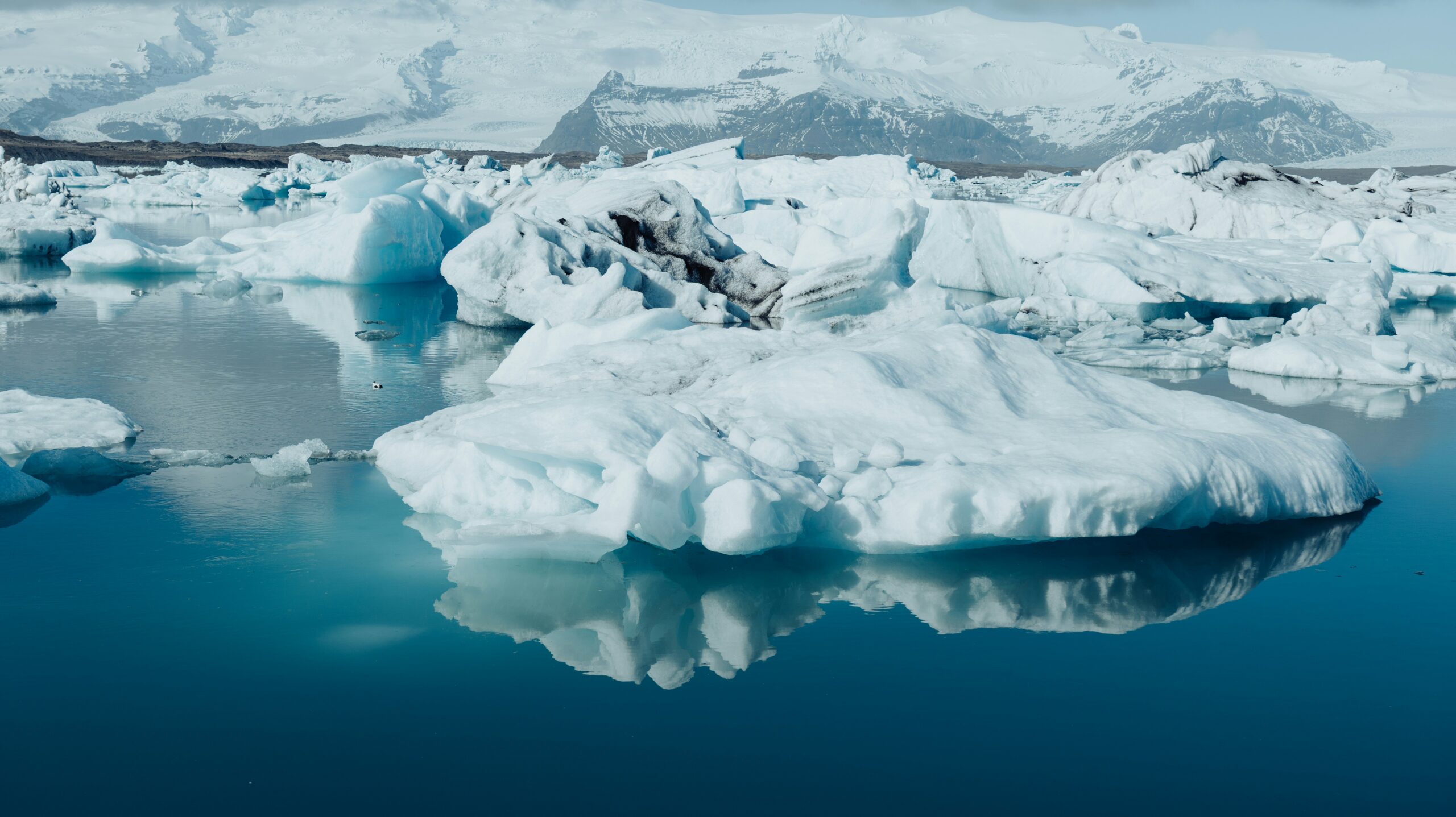
The Earth has a long and dynamic history, punctuated by dramatic climatic shifts. Among the most significant of these transformations was the end of the last glacial period, often referred to as the Ice Age. For millennia, vast ice sheets had covered significant portions of the Northern Hemisphere, shaping landscapes and influencing the trajectory of life. Then, approximately 11,700 years ago, a profound warming trend began, signaling the retreat of these colossal glaciers and ushering in the Holocene epoch, the relatively stable interglacial period we inhabit today. The question of what precisely triggered this monumental shift has captivated scientists for generations, leading to a complex and multifaceted understanding of the Earth’s climate system. The end of the Ice Age was not a singular event caused by a single factor, but rather a convergence of interconnected phenomena.
The planet’s orbit around the sun is not a constant, unchanging path. Instead, it undergoes cyclical variations in shape, tilt, and wobble, known as Milankovitch cycles. These subtle yet persistent changes influence the amount of solar radiation reaching different parts of the Earth at different times of the year, playing a fundamental role in initiating and maintaining glacial and interglacial periods. While not the sole driver, these astronomical factors are considered foundational to understanding the long-term rhythm of Earth’s climate.
Eccentricity: The Elongated Orbit
The Earth’s orbit around the Sun is not a perfect circle; it is an ellipse. The degree of this ellipticity, known as eccentricity, varies over tens of thousands of years. When the orbit is more eccentric, the difference in solar radiation received by Earth between its closest approach to the Sun (perihelion) and its furthest point (aphelion) is greater. This variation can lead to more pronounced seasonal differences in solar insolation, potentially influencing the extent of ice coverage. During periods of low eccentricity, the Earth’s orbit is more circular, leading to more uniform solar radiation across the year. The end of the last glacial period coincided with a period where orbital eccentricity was such that it contributed to increased summer insolation in the Northern Hemisphere.
Obliquity: The Tilted Axis
The tilt of the Earth’s axis relative to its orbital plane, known as obliquity, also undergoes cyclical changes, typically over periods of around 41,000 years. The axial tilt determines the severity of seasonal differences. A greater tilt means more extreme seasons – hotter summers and colder winters. Conversely, a smaller tilt leads to milder seasons. As the Earth’s axis tilted more during the lead-up to the Holocene, summers in the Northern Hemisphere received more direct sunlight. This increased solar radiation would have begun the process of melting glaciers.
Precession: The Wobbling Top
The Earth also wobbles like a spinning top, a phenomenon called axial precession, which occurs over approximately 26,000 years. This wobble affects the timing of perihelion and aphelion in relation to the seasons. For instance, if perihelion (the point of closest approach to the Sun) occurs during the Northern Hemisphere summer, summers will be warmer. Conversely, if it occurs during winter, winters will be colder. The combined effect of precession with eccentricity can amplify or dampen seasonal differences. In the period leading to the end of the last glacial period, precession contributed to warmer summers in the Northern Hemisphere, further accelerating ice melt.
The Milankovitch Band: A Tuned Climate
It is crucial to understand that Milankovitch cycles do not directly cause an ice age to start or end. Instead, they act as a tuning mechanism, providing the initial nudge that, when combined with other feedback mechanisms, can push the Earth’s climate system across critical thresholds. Think of it as winding up a complex clock; the winding itself doesn’t make the hands move, but it provides the potential energy for movement. The relatively small changes in solar insolation caused by these orbital variations were amplified by the Earth’s internal processes.
The end of the Ice Age was a complex process influenced by various climatic and geological factors, and understanding these changes can be further enriched by exploring related topics such as the potential impacts of a pole shift. An insightful article that delves into this subject is available at this link, where it discusses the evidence of a pole shift in Antarctica and its implications for Earth’s climate history. This connection highlights the intricate relationship between Earth’s geological events and climatic shifts, providing a broader context for the end of the Ice Age.
Greenhouse Gas Amplification: The Role of Heat-Trapping Gases
While astronomical forcing set the stage, the dramatic warming that ended the Ice Age was significantly amplified by a rise in atmospheric concentrations of greenhouse gases, primarily carbon dioxide ($text{CO}_2$) and methane ($text{CH}_4$). The oceans and biosphere played a critical role in this amplification, acting as both sinks and sources of these crucial gases. The precise interplay between orbital forcing and greenhouse gas increases is a cornerstone of current climate science.
Carbon Dioxide: The Primary Engine
Scientific evidence, particularly from ice cores, reveals a striking correlation between the end of glacial periods and a sharp increase in atmospheric $text{CO}_2$ concentrations. As ice sheets began to melt in response to increased solar insolation, vast amounts of carbon stored in the oceans and terrestrial ecosystems were released into the atmosphere. The exact mechanisms of this release are still being investigated, but several key processes are believed to have played a significant role.
Ocean Circulation Changes: A Vital Crossover
One of the most significant hypotheses involves changes in ocean circulation. During glacial periods, deep ocean circulation, which acts as a global conveyor belt for heat and nutrients, was likely sluggish. This sluggishness may have led to the ocean absorbing and storing larger amounts of $text{CO}_2$. As the ice sheets began to retreat and meltwater entered the oceans, this could have disrupted the density gradients that drive deep ocean circulation. Warming waters also hold less dissolved $text{CO}_2$, and changes in wind patterns could have brought this dissolved $text{CO}_2$ from the deep ocean to the surface, where it could then be released into the atmosphere.
Terrestrial Feedback Loops: Reactivating Carbon Stores
The vast permafrost regions and the extensive boreal forests that developed as the ice retreated also contributed to the rise in atmospheric $text{CO}_2$. As temperatures warmed, permafrost began to thaw, releasing organic matter that had been frozen for millennia. Microbial decomposition of this organic matter releases $text{CO}_2$ and methane. Furthermore, as the climate became more favorable for plant growth, increased vegetation cover would have initially acted as a carbon sink, absorbing $text{CO}_2$ from the atmosphere. However, the initial large-scale release from thawing permafrost and other terrestrial sources is thought to have been a dominant factor in the rapid $text{CO}_2$ rise.
Methane: The Potent Partner
Methane ($text{CH}_4$) is a more potent greenhouse gas than $text{CO}_2$ per molecule, although it has a shorter atmospheric lifetime. Ice core records show a similarly dramatic increase in methane concentrations coinciding with the end of the last glacial period.
Wetland Expansion: A Methane Factory
The widespread melting of ice sheets created vast new areas of wetlands and shallow lakes. These flooded environments, rich in organic matter and deficient in oxygen, are ideal breeding grounds for methanogenic bacteria, which produce methane as a metabolic byproduct. As these wetlands expanded, they became significant sources of atmospheric methane, providing a powerful positive feedback to the warming trend.
Permafrost Thawing: A Double Whammy
As mentioned previously, the thawing of permafrost not only releases $text{CO}_2$ but also methane, particularly from submerged or waterlogged areas where anaerobic conditions prevail. This dual release of greenhouse gases from permafrost peatlands further accelerated the warming process.
The Interplay: A Self-Reinforcing Cycle
It is this interplay between astronomical forcing and greenhouse gas increases that truly drove the end of the Ice Age. The initial warming from orbital shifts would have led to a gradual increase in greenhouse gases, which in turn would have amplified the warming. This created a powerful self-reinforcing cycle, rapidly pushing the Earth out of its glacial state and into the warmer Holocene.
The Role of the Oceans: A Dynamic Reservoir

The oceans are not merely passive recipients of climate change; they are active participants, influencing atmospheric composition and temperature through complex circulation patterns, chemical exchanges, and biological processes. During the glacial-interglacial transition, the oceans played a crucial, albeit complex, role.
Ocean De-gassing: Unleashing Stored Carbon
As mentioned earlier, during glacial periods, the oceans may have stored larger amounts of $text{CO}_2$ due to slower circulation and colder temperatures. As warming began, this stored $text{CO}_2$ was released back into the atmosphere through a process known as ocean de-gassing. Several factors contributed to this de-gassing.
Weakening of the Southern Ocean Carbon Sink: A Critical Shift
The Southern Ocean is a critical region for carbon cycling. During glacial times, it is thought to have acted as a significant carbon sink, drawing $text{CO}_2$ from the atmosphere. Changes in wind patterns and ocean stratification during the deglaciation may have weakened this sink, making the Southern Ocean a source of $text{CO}_2$ instead. This shift would have contributed substantially to the increase in atmospheric $text{CO}_2$.
Isotope Evidence: Tracing the Carbon Source
Stable isotope analysis of carbon in ice cores provides compelling evidence for the origin of the increased $text{CO}_2$. The isotopic signature of the carbon during the deglaciation points to a deep ocean source, further supporting the de-gassing hypothesis.
Changes in Oceanic Heat Distribution: Driving Global Shifts
The immense heat-holding capacity of the oceans means that changes in their temperature distribution have profound impacts on global climate. As the climate warmed, the oceans absorbed a significant amount of this heat, driving changes in ocean currents that further influenced atmospheric circulation and regional temperatures.
The Atlantic Meridional Overturning Circulation (AMOC): A Sensitive System
The AMOC, a major system of ocean currents that transports heat from the tropics northward in the Atlantic Ocean, is known to be sensitive to changes in freshwater input and temperature. During the deglaciation, the massive influx of meltwater from receding ice sheets into the North Atlantic likely played a role in altering the strength and pattern of the AMOC, with cascading effects on global climate.
Terrestrial Ecosystem Feedbacks: The Land Awakens

As the glaciers retreated, vast swathes of land were exposed, creating new opportunities for life to flourish. These changing terrestrial ecosystems, in turn, exerted their own influence on the climate system, often in feedback loops that amplified the warming.
Vegetation Greening: A Carbon Sink and Shade Provider
The most obvious change was the northward migration of vegetation. As ice retreated and temperatures rose, forests and grasslands began to spread across formerly glaciated landscapes. This “greening” of the Earth had two significant climatic impacts.
Increased Photosynthesis: Carbon Sequestration
Plant life absorbs $text{CO}_2$ from the atmosphere through photosynthesis. As vegetation expanded, this process would have acted as a carbon sink, helping to draw down atmospheric $text{CO}_2$ levels. However, the timing and magnitude of this effect relative to the initial release of carbon from other sources are key to understanding the overall warming trend.
Albedo Changes: The Impact of Surface Reflection
Forests and darker vegetation have a lower albedo (reflectivity) than ice and snow. This means they absorb more solar radiation, leading to further warming of the land surface. This albedo feedback, where a darker surface absorbs more heat, played a significant role in amplifying the initial warming, particularly in boreal regions.
Permafrost Thaw: A Lingering Legacy of the Ice Age
The thawing of permafrost, the permanently frozen ground that underlies vast areas of the Arctic and sub-Arctic, is a critical component of the deglaciation narrative.
Release of Stored Carbon: A Double-Edged Sword
For millennia, permafrost has locked away enormous quantities of organic carbon from dead plants and animals. As temperatures rise, this organic matter thaws and becomes available for microbial decomposition. This decomposition releases greenhouse gases, notably carbon dioxide and methane, into the atmosphere, creating a powerful positive feedback that further accelerates warming. This process is a major concern for future climate change.
Land Subsidence and Hydrology Changes: Reshaping the Landscape
The thawing of permafrost also leads to land subsidence, the sinking of the ground surface as ice-rich soil melts. This can alter drainage patterns, leading to the formation of new wetlands or the draining of existing ones, with further implications for greenhouse gas emissions and regional hydrology.
The end of the Ice Age marked a significant turning point in Earth’s climate and ecosystems, leading to the rise of human civilizations. Understanding this transition can provide valuable insights into how ancient societies adapted to changing environments. For those interested in exploring how ancient wisdom can inform our responses to modern climate challenges, a related article discusses the survival strategies of past cultures in the face of climate change. You can read more about it in this insightful piece on surviving climate change.
The Ice-Albedo Feedback: A Crucial Amplification Mechanism
| Event | Impact |
|---|---|
| Rise in global temperatures | Melting of ice sheets and glaciers |
| Changes in ocean currents | Shifts in climate patterns |
| Vegetation growth | Expansion of forests and grasslands |
| Animal migration | Spread of species to new habitats |
Perhaps the most iconic and visually striking feedback mechanism involved in the end of the Ice Age was the ice-albedo feedback. This process highlights how changes in ice and snow cover can dramatically influence the Earth’s energy balance.
Shrinking Ice Sheets: Losing Reflective Power
During glacial periods, vast ice sheets covered large portions of the Northern Hemisphere, reflecting a significant amount of incoming solar radiation back into space. This high albedo helped to keep the planet cool, perpetuating the glacial conditions. As temperatures began to rise, these ice sheets started to shrink.
Darker Surfaces Emerge: Absorbing More Heat
As the ice melted, darker surfaces – such as bare rock, soil, and eventually vegetation – were exposed. These darker surfaces have a much lower albedo than ice and snow, meaning they absorb significantly more solar radiation. This absorbed energy further heats the surface, leading to more melting, which in turn exposes even more dark surface—a classic positive feedback loop.
The Snowline Retreat: A Progressive Warming
The retreat of the snowline, the elevation above which snow persists year-round, also exemplifies the ice-albedo feedback. As temperatures rose, snow started to melt at lower elevations and persist for shorter periods, exposing darker ground beneath. This progressive retreat of snow and ice cover is a powerful indicator of the warming trend.
The Magnitude of the Effect: A Significant Contributor
The ice-albedo feedback is estimated to have been a major amplifier of the initial warming signals. The loss of reflective surface area from the retreating ice sheets meant that a larger proportion of the Sun’s energy was retained by the Earth, driving further melting and warming in a self-perpetuating cycle.
In conclusion, the end of the last Ice Age was not a simple event caused by a single factor but a complex interplay of astronomical drivers, greenhouse gas dynamics, oceanic processes, and terrestrial ecosystem feedbacks. The subtle nudges from changes in Earth’s orbit, amplified by the potent heat-trapping gases like carbon dioxide and methane—which were themselves influenced by ocean circulation and terrestrial processes—created a powerful warming trend. The dramatic loss of reflective ice and snow, a classic example of the ice-albedo feedback, further accelerated this transition, ultimately ushering in the relatively stable and warmer climate of the Holocene epoch. Understanding this intricate dance of Earth’s systems is not only a fascinating scientific endeavor but also provides crucial insights into the potential impacts of ongoing climate change.

When the Ice Age Ended… Everything Changed
FAQs
What is the Ice Age?
The Ice Age refers to a period of time in Earth’s history when the climate was significantly colder and ice sheets covered large portions of the planet’s surface.
When did the Ice Age end?
The Ice Age ended approximately 11,700 years ago, marking the beginning of the current geological epoch known as the Holocene.
What factors contributed to the end of the Ice Age?
Several factors contributed to the end of the Ice Age, including changes in Earth’s orbit and axial tilt, variations in solar radiation, and the release of greenhouse gases from natural processes such as volcanic eruptions.
How did the end of the Ice Age impact the environment and ecosystems?
The end of the Ice Age led to significant changes in the environment and ecosystems, including the retreat of ice sheets, the expansion of forests, and the migration of plant and animal species to new habitats.
What evidence supports the theories about the end of the Ice Age?
Scientists have gathered evidence from various sources, including ice core samples, sediment records, and fossil evidence, to support the theories about the end of the Ice Age and the factors that contributed to it.