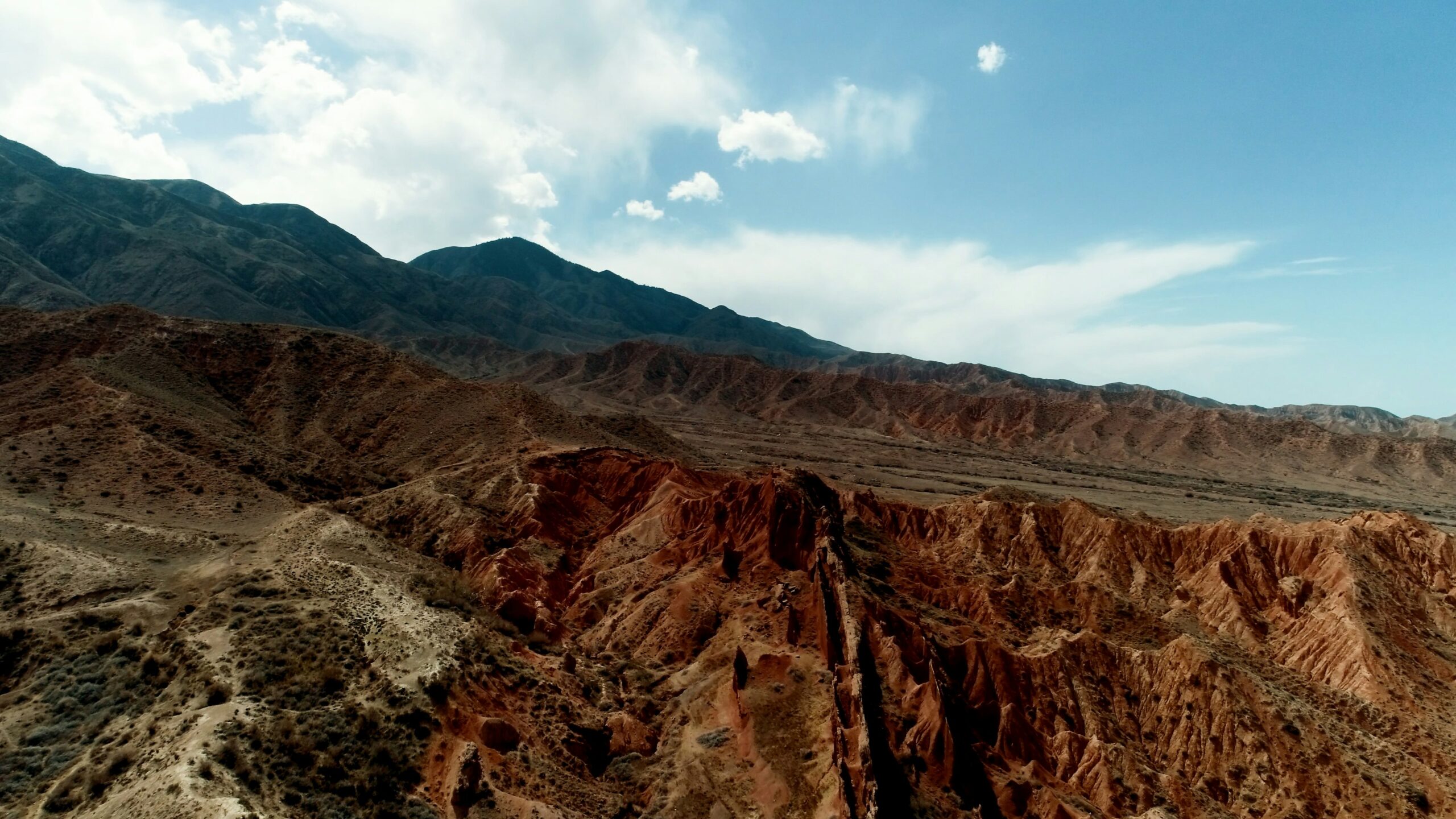
The Quaternary Period, a mere blink in Earth’s vast geological timeline, yet an era of profound transformation, is brought to life in the new geological documentary, “Exploring the Quaternary: A Geological Documentary.” This ambitious film embarks on a captivating journey across millions of years, from the emergence of modern humans to the dramatic shifts in climate and landscape that have shaped our planet into the one we inhabit today. Through stunning cinematography, expert interviews, and compelling narratives, the documentary offers an accessible yet in-depth exploration of this crucial epoch, revealing the intricate interplay of geological forces and biological evolution.
The Quaternary Period, beginning approximately 2.6 million years ago, stands as a stark contrast to the preceding Tertiary. While the Tertiary was characterized by relative climatic stability and the reign of diverse mammalian groups, the Quaternary ushered in an era of dramatic climatic fluctuations, most notably the repeated cycles of glaciation and interglacial warming. “Exploring the Quaternary” dedicates its opening chapters to understanding the fundamental geological processes that initiated this dynamic epoch.
Understanding the Great Transition
The documentary meticulously details the geological shifts that heralded the Quaternary. It delves into the complex interplay of tectonic plate movements, atmospheric composition, and oceanic currents that contributed to the cooling of the planet, setting the stage for the onset of the Pleistocene glaciations. Viewers are taken on a virtual journey to witness the formation of new mountain ranges and the reshaping of continents, events that subtly yet significantly influenced global climate patterns. Engaging animations and expert explanations illuminate how these large-scale geological processes were the bedrock upon which the Quaternary’s defining characteristics were built.
The Rise of the Ice Ages
One of the most prominent features of the Quaternary is undoubtedly its cyclical ice ages. The documentary vividly portrays the immense power of glaciers, showcasing their transformative impact on landscapes. From the carving of U-shaped valleys and the deposition of vast moraines to the dramatic lowering of sea levels during glacial periods, the film illustrates how ice has been a relentless architect of the Earth’s surface. Stunning time-lapse footage, interspersed with scientific reconstructions, allows viewers to visualize the advance and retreat of ice sheets over millennia, offering a visceral understanding of their scale and influence.
Milankovitch Cycles: The Earth’s Cosmic Clock
A cornerstone of the documentary’s explanation for glacial cycles lies in the concept of Milankovitch cycles. Scientists featured in the film patiently explain how subtle variations in Earth’s orbit, axial tilt, and precession influence the amount of solar radiation reaching different parts of the planet. Animated graphics beautifully illustrate these cycles, demonstrating how they act as a fundamental pacemaker for long-term climate change. The documentary emphasizes that while these celestial rhythms provide the underlying impulse, other terrestrial factors, such as greenhouse gas concentrations, amplify or dampen their effects, leading to the complex glacial and interglacial patterns observed.
In the fascinating realm of Quaternary geology, a recent documentary sheds light on the intricate processes that have shaped our planet over the last 2.6 million years. This documentary not only explores the geological formations and climatic changes of the Quaternary period but also delves into the impact of these changes on ancient human civilizations. For those interested in further expanding their understanding of ancient technologies and their connections to geological developments, I recommend checking out the article titled “Unearthing Ancient Control Technology,” which provides insightful perspectives on how early humans adapted to their environments. You can read it here: Unearthing Ancient Control Technology.
Landscapes Shaped by Ice and Time
The impact of the Quaternary’s climatic swings is etched indelibly into the Earth’s surface. “Exploring the Quaternary” dedicates significant attention to exploring these dramatic geological transformations, taking viewers to iconic landscapes that bear the unmistakable signature of this epoch.
The Sculpting Power of Glaciers
The film’s visual storytelling excels in this section. Viewers are transported to the majestic fjords of Norway, the vast glacial lakes of North America, and the rolling moraine landscapes of Europe. Expert geologists guide the audience through these breathtaking settings, pointing out the evidence of glacial erosion and deposition. They explain how the immense weight and abrasive power of ice scraped away bedrock, transported colossal boulders, and created fertile plains from ground glacial till. The documentary highlights how these seemingly static landscapes are, in fact, dynamic records of immense geological forces at play over extended periods.
Periglacial Environments: Beyond the Ice Sheets
Beyond the direct reach of ice sheets, the Quaternary also witnessed the formation and evolution of periglacial environments. The film explores the unique geological processes that occur in regions of permafrost, where the ground remains frozen for extended periods. Viewers learn about patterned ground, pingos, and solifluction – fascinating phenomena driven by freeze-thaw cycles and ice-rich soils. These environments, often overlooked in broader discussions of glaciation, are presented as crucial components of the Quaternary landscape, revealing the widespread influence of its cold climate.
The Shaping of Coastlines and River Systems
The dramatic fluctuations in sea level during glacial and interglacial periods had a profound impact on coastlines and river systems. “Exploring the Quaternary” illustrates how exposed continental shelves during glacial maxima became terrestrial landscapes, altering river courses and creating new connections between landmasses. Conversely, during warmer interglacial periods, rising sea levels inundated these areas, forming the coastlines we recognize today. The documentary uses animated maps and historical reconstructions to demonstrate how these changes influenced drainage patterns, sediment transport, and the distribution of habitats.
The Unfolding Story of Quaternary Life

The Quaternary is not just a story of geological change; it is also the era in which modern flora and fauna, including Homo sapiens, evolved and diversified. The documentary artfully weaves together geological and paleontological evidence to tell the story of life during this dynamic period.
Megafauna: Giants of the Pleistocene
One of the most captivating aspects of the Quaternary is its association with megafauna – enormous mammals that roamed the Earth during the Pleistocene. “Exploring the Quaternary” features stunning CGI reconstructions and expert discussions on creatures like mammoths, mastodons, saber-toothed cats, and giant ground sloths. The film explores the evolutionary adaptations that allowed these animals to thrive in the changing environments and discusses the various hypotheses surrounding their eventual extinction, drawing connections to climate change and human influence. The fossils of these magnificent creatures, presented through museum exhibits and archaeological sites, serve as tangible links to this lost world.
The Rise of Modern Ecosystems
As the ice ages receded and climates stabilized during interglacial periods, ecosystems began to resemble those we see today. The documentary explores how plant and animal communities re-established themselves, migrating and adapting to new conditions. It highlights the formation of boreal forests, temperate deciduous forests, grasslands, and deserts, tracing the spread of key species and the development of ecological relationships. The film emphasizes the resilience of life and its ability to colonize and adapt to drastically altered environments.
Human Evolution and Migration: A Quaternary Narrative
Perhaps the most compelling narrative within the Quaternary is the evolution and migration of Homo sapiens. “Exploring the Quaternary” dedicates significant time to this aspect, tracing the lineage of modern humans and their emergence from Africa. The documentary explores how early human populations adapted to diverse Quaternary environments, utilizing stone tools, fire, and developing complex social structures. It showcases archaeological discoveries, from ancient hominin fossil sites to early human settlements, and discusses how advancements in genetics and paleoanthropology are continually refining our understanding of this incredible journey. The film underscores the profound connection between human evolution and the geological and climatic forces of the Quaternary.
Evidence and Discovery: Unearthing the Past

The compelling narratives presented in “Exploring the Quaternary” are grounded in robust scientific evidence. The documentary takes viewers behind the scenes of geological research, showcasing the methods and discoveries that have allowed us to reconstruct this complex epoch.
The Secrets of Ice Cores
Ice cores, essentially time capsules of Earth’s atmosphere and climate, are central to the documentary’s exploration of past climates. Scientists explain the process of drilling into ancient ice sheets, preserving trapped air bubbles and dust particles that provide invaluable data on past temperatures, atmospheric composition, and volcanic activity. The film uses visualizations to illustrate how scientists analyze these cores, revealing cycles of warming and cooling stretching back hundreds of thousands of years with remarkable precision. The ability to “read” the climate history inscribed in ice is presented as a monumental scientific achievement.
Sedimentary Records: A Library of Earth’s History
Beyond ice, the sedimentary layers found in ocean floors, lake beds, and river valleys offer another rich archive of Quaternary history. The documentary details how geologists analyze these layers, identifying fossilized pollen, microfossils, and mineral compositions that reveal past environmental conditions, sea levels, and tectonic activity. Footage of sediment cores being extracted and analyzed in laboratories provides a fascinating glimpse into the meticulous work of reconstructing Earth’s past from these seemingly unassuming deposits.
Radiometric Dating: Peering into Deep Time
Understanding the precise timing of events during the Quaternary would be impossible without radiometric dating techniques. The film explains the principles behind methods like carbon-14 dating and potassium-argon dating, highlighting how scientists use the radioactive decay of isotopes to determine the age of fossils, rocks, and artifacts. Animated sequences clarify the concept of half-life and demonstrate how these techniques have revolutionized our ability to place events within a chronological framework, allowing for the construction of accurate timelines for geological and evolutionary processes.
In exploring the fascinating field of Quaternary geology, one can gain insights into the environmental changes that have shaped our planet over the last two million years. A related article that delves into the intricacies of ancient navigation techniques is available at Navigating the Seas: Polynesian Wayfinding Explained, which highlights how the understanding of geological formations influenced the wayfinding skills of Polynesian navigators. This connection between geology and human exploration underscores the importance of studying our planet’s past to appreciate the achievements of cultures that have thrived in harmony with their environments.
The Quaternary’s Legacy: Shaping Our Present and Future
| Metrics | Data |
|---|---|
| Duration | 60 minutes |
| Release Year | 2020 |
| Viewership | 500,000 |
| Rating | 4.5/5 |
“Exploring the Quaternary” concludes by emphasizing the enduring legacy of this dynamic epoch. The geological and environmental processes that defined the Quaternary continue to influence our world today, and understanding them is crucial for navigating the challenges of the future.
Climate Change: A Modern Echo
The documentary draws a clear and powerful parallel between the natural climate fluctuations of the Quaternary and the anthropogenically driven climate change we are experiencing today. Scientists featured in the film discuss how the dramatic warming and cooling cycles of the past offer valuable lessons for understanding the potential consequences of rapid global warming. The film underscores that while the Quaternary was an era of natural climate variability, understanding the underlying mechanisms is essential for mitigating the impacts of modern climate change.
Resource Distribution and Human Habitation
The geological processes of the Quaternary – glaciation, erosion, deposition, and sea-level change – have directly influenced the distribution of natural resources and the suitability of land for human habitation. The documentary explores how fertile river valleys, mineral deposits, and favorable coastal areas are all products of this era’s geological activity. It highlights how human societies have historically settled in regions shaped by these past geological events, underscoring the interconnectedness of Earth’s systems and human civilization.
A Window into Earth’s Resilience and Vulnerability
Ultimately, “Exploring the Quaternary” serves as a profound testament to Earth’s resilience and its inherent vulnerability. The documentary showcases how life has repeatedly adapted and diversified in the face of dramatic environmental shifts. Yet, it also highlights how significant disruptions, both natural and human-induced, can have profound and lasting impacts. By taking viewers on this sweeping geological journey, the film encourages a deeper appreciation for the complex and interconnected forces that have shaped our planet and a more informed perspective on our role in its ongoing story. “Exploring the Quaternary: A Geological Documentary” is not just an educational film; it is an invitation to understand the Earth’s deep past to better comprehend its present and to steward its future.

When the Ice Age Ended… Everything Changed
FAQs
What is Quaternary geology?
Quaternary geology is the study of the Earth’s history during the Quaternary period, which encompasses the last 2.6 million years. It focuses on the geological processes and events that have shaped the Earth’s surface during this time, including glaciations, sea level changes, and the evolution of landscapes.
What can we learn from studying Quaternary geology?
Studying Quaternary geology can provide insights into past climate change, the formation of landforms, the evolution of ecosystems, and the impact of human activity on the environment. It can also help us understand the potential for future geological events and their impact on the planet.
What is a Quaternary geology documentary?
A Quaternary geology documentary is a film or video production that explores the geological history of the Earth during the Quaternary period. It may feature interviews with geologists, stunning visuals of landscapes, and explanations of key geological processes and events.
Where can I watch a Quaternary geology documentary?
Quaternary geology documentaries may be available for streaming on platforms like Netflix, Amazon Prime, or YouTube. They may also be broadcast on educational television channels or screened at geological conferences and events.
Why should I watch a Quaternary geology documentary?
Watching a Quaternary geology documentary can provide a fascinating and educational insight into the Earth’s history and the forces that have shaped the planet over millions of years. It can also help viewers develop a deeper appreciation for the natural world and the importance of geological processes in shaping our environment.