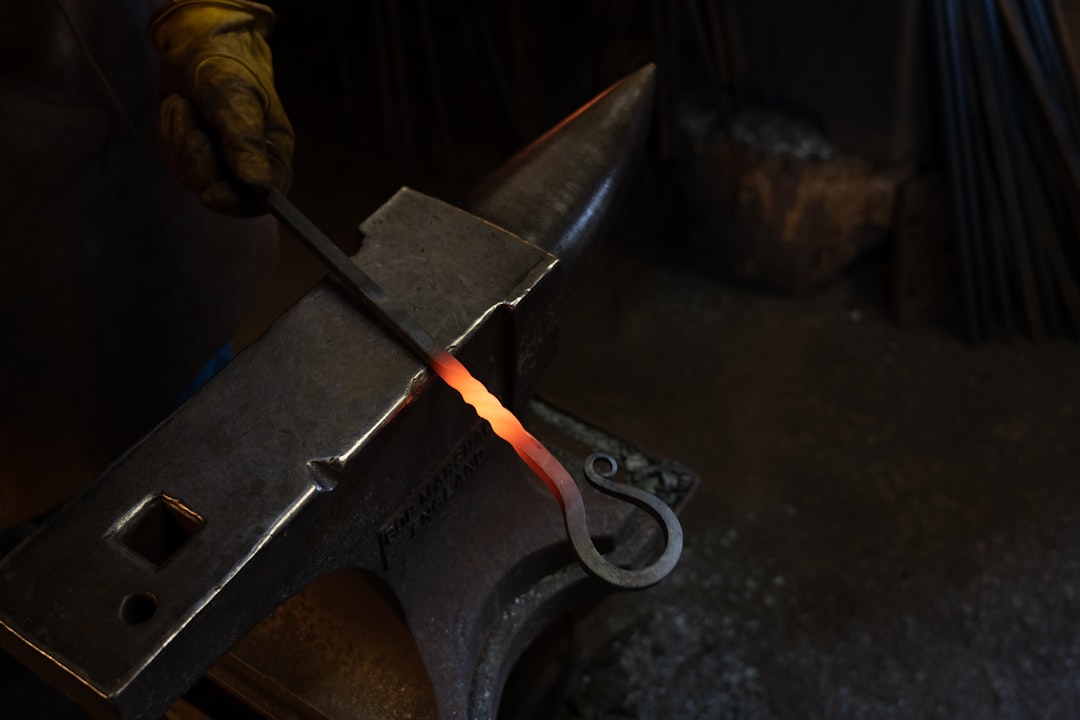
The history of Damascus steel is steeped in mystery and intrigue, tracing back to ancient times when it was first developed in the Near East. This remarkable material, known for its distinctive patterns and exceptional strength, is believed to have originated around 300-500 AD. The name “Damascus” is derived from the capital of Syria, where the steel was first produced and traded.
Artisans in this region mastered the art of forging steel, creating blades that were not only functional but also aesthetically pleasing. The techniques used in crafting Damascus steel were closely guarded secrets, passed down through generations of skilled blacksmiths. As trade routes expanded, the fame of Damascus steel spread across continents.
It became highly sought after in Europe and Asia, where warriors and nobility coveted weapons made from this extraordinary material. The blades were renowned for their ability to hold a sharp edge while remaining flexible enough to withstand the rigors of battle. Historical accounts suggest that the steel was used in the production of swords, knives, and other tools, making it a symbol of power and prestige.
The allure of Damascus steel continued to grow, leading to its incorporation into various cultures and traditions throughout history.
Key Takeaways
- Damascus steel has a long history dating back to ancient times, with its origins in the Middle East.
- The legend of Damascus steel includes tales of its exceptional strength, sharpness, and ability to cut through other metals.
- The composition of Damascus steel is a combination of iron and carbon, with the addition of other elements such as nickel and cobalt.
- Damascus steel is known for its distinctive wavy pattern, exceptional durability, and ability to hold a sharp edge.
- The decline of Damascus steel occurred due to the loss of the original manufacturing techniques and the introduction of modern steel-making methods.
The Legend of Damascus Steel
The legend surrounding Damascus steel is as captivating as its history. Tales of its creation often involve mythical elements, suggesting that the steel was imbued with magical properties. One popular legend speaks of a mysterious blacksmith who possessed the knowledge to forge blades that could cut through stone and slice through armor with ease.
This blacksmith was said to have received his skills from divine beings or ancient spirits, further enhancing the mystique of Damascus steel. Another fascinating aspect of the legend is the belief that the patterns found in Damascus steel blades were not merely decorative but held deeper meanings. Some stories suggest that these patterns represented the soul of the blade, reflecting the strength and character of its maker.
Warriors believed that owning a Damascus steel weapon would grant them invincibility in battle, as if the very essence of the steel would protect them from harm. Such legends contributed to the enduring fascination with Damascus steel, elevating it to a status that transcended mere functionality.
The Composition of Damascus Steel
The composition of Damascus steel is a critical factor in its unique properties and performance. Traditionally, it was made from wootz steel, a high-carbon steel produced in India and exported to the Middle East. Wootz steel contained a high percentage of carbon, which contributed to its hardness and ability to be honed to a sharp edge.
The process involved melting iron with carbon-rich materials, resulting in a crucible steel that was both strong and malleable. The distinctive patterns seen in Damascus steel are a result of the layering process used during its creation. Blacksmiths would forge together different types of steel, often combining high-carbon and low-carbon materials.
This layering technique not only enhanced the aesthetic appeal but also improved the overall performance of the blade. The varying carbon content created a unique interplay between hardness and flexibility, allowing for blades that could withstand significant stress without breaking. This intricate composition is what set Damascus steel apart from other types of metal used in weaponry.
The Characteristics of Damascus Steel
| Characteristic | Description |
|---|---|
| Strength | Damascus steel is known for its high strength and durability. |
| Flexibility | It has a good balance of hardness and flexibility, making it suitable for various applications. |
| Sharpness | It can be sharpened to a very fine edge, making it ideal for cutting and slicing. |
| Pattern | It exhibits a unique and beautiful wavy pattern on its surface, created by the layering of different metals. |
| Corrosion Resistance | Damascus steel has good resistance to rust and corrosion, making it suitable for use in harsh environments. |
Damascus steel is celebrated for its remarkable characteristics that make it highly desirable for both functional and decorative purposes. One of its most notable features is its striking visual appearance, characterized by flowing patterns reminiscent of water or clouds. These patterns are not merely superficial; they are indicative of the complex layering and folding processes that occur during forging.
Each blade tells a story through its unique design, making every piece one-of-a-kind. In addition to its aesthetic appeal, Damascus steel is renowned for its exceptional performance qualities. The combination of hardness and flexibility allows blades to maintain a sharp edge while being resilient enough to endure rigorous use.
This balance makes Damascus steel an ideal choice for knives, swords, and other cutting tools. Furthermore, it exhibits excellent corrosion resistance due to the presence of alloying elements such as nickel and chromium in modern variations. These characteristics have solidified Damascus steel’s reputation as a premium material in both historical and contemporary contexts.
The Decline of Damascus Steel
Despite its illustrious history, the production of traditional Damascus steel began to decline in the 18th century. Several factors contributed to this downturn, including changes in technology and shifts in demand for weaponry. As industrialization took hold, mass production methods emerged, leading to the creation of cheaper and more uniform materials that could be produced at scale.
This shift diminished the appeal of handcrafted items like Damascus steel blades, which were often more expensive due to their labor-intensive creation process. Additionally, geopolitical changes in the regions where Damascus steel was traditionally produced played a role in its decline. The rise of colonial powers disrupted trade routes and access to raw materials necessary for crafting high-quality steel.
As artisans faced challenges in sourcing wootz steel and other essential components, the art of making traditional Damascus steel began to fade into obscurity. By the late 19th century, many blacksmiths had abandoned their craft, leading to a significant loss of knowledge and expertise.
The Modern Revival of Damascus Steel
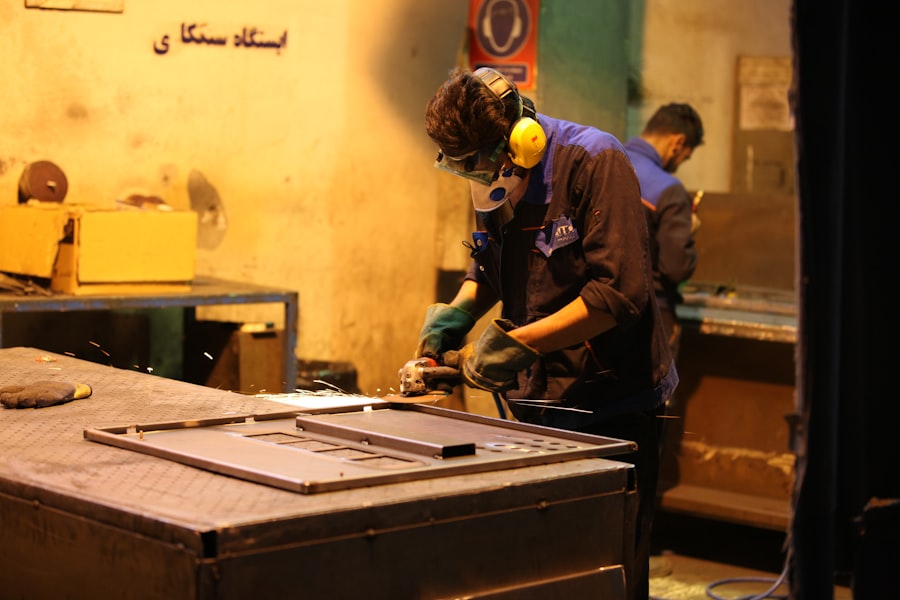
In recent years, there has been a resurgence of interest in Damascus steel, driven by both artisans and enthusiasts who appreciate its historical significance and unique properties. Modern blacksmiths have sought to revive traditional techniques while also incorporating contemporary advancements in metallurgy. This revival has led to a new generation of craftsmen who are dedicated to preserving the art of making Damascus steel while adapting it for modern applications.
Today’s artisans often experiment with various alloys and techniques to create unique patterns and enhance performance characteristics. The use of modern tools and technology has allowed for greater precision in the forging process, resulting in blades that are not only visually stunning but also highly functional. This renewed interest has sparked a thriving community of knife makers and metalworkers who share their knowledge and passion for this ancient craft through workshops, online forums, and social media platforms.
The Myths Surrounding Damascus Steel
Despite its celebrated status, several myths surround Damascus steel that can lead to misconceptions about its properties and production methods. One common myth is that all blades labeled as “Damascus” are made using traditional techniques or materials.
Another prevalent myth is that Damascus steel is inherently superior to all other types of steel due to its historical reputation. While it is true that Damascus steel offers unique advantages, such as aesthetic appeal and specific performance characteristics, it is essential to recognize that advancements in metallurgy have led to the development of high-performance steels that can rival or even surpass traditional Damascus in certain applications. Understanding these distinctions is crucial for consumers seeking quality blades tailored to their specific needs.
The Reality of Damascus Steel
The reality of Damascus steel lies in its blend of artistry and functionality. While it may not always be superior to modern steels in every aspect, it offers a unique combination of beauty and performance that appeals to collectors and users alike. The intricate patterns formed during the forging process are not just for show; they reflect the skill and craftsmanship involved in creating each blade.
This artistry elevates Damascus steel beyond mere utility, making it a sought-after item for those who appreciate fine craftsmanship. Moreover, modern advancements have allowed for greater consistency in quality among contemporary Damascus steel products. Artisans today can achieve remarkable results by carefully controlling variables during production, ensuring that each blade meets high standards for performance and durability.
As a result, consumers can find reliable options that honor the legacy of traditional Damascus while benefiting from modern innovations.
The Process of Making Damascus Steel
The process of making Damascus steel is an intricate art form that requires skill, patience, and an understanding of metallurgy. Traditionally, it begins with selecting high-quality raw materials, often involving different types of iron or steel with varying carbon content. These materials are then heated in a forge until they reach a malleable state before being layered together through a process known as folding.
Once layered, the metal is repeatedly heated and hammered to create a homogeneous mixture while maintaining distinct layers within the material.
After shaping the blade through forging techniques, it undergoes heat treatment processes such as quenching and tempering to enhance hardness and flexibility.
The Uses of Damascus Steel Today
Today, Damascus steel finds applications across various fields beyond traditional weaponry. Its unique properties make it an excellent choice for high-end kitchen knives favored by professional chefs and culinary enthusiasts alike. The ability to maintain sharpness while providing flexibility makes these knives ideal for precision cutting tasks.
In addition to culinary uses, Damascus steel has gained popularity in jewelry making and decorative arts due to its striking visual appeal. Artisans create intricate designs using this material for rings, bracelets, and other accessories that showcase both craftsmanship and beauty. Furthermore, custom knife makers often produce bespoke pieces tailored to individual preferences, ensuring that each item is not only functional but also a work of art.
The Future of Damascus Steel
The future of Damascus steel appears promising as interest continues to grow among artisans and consumers alike. As more craftsmen embrace traditional techniques while integrating modern technology into their processes, there is potential for further innovation within this ancient craft. New alloys may be developed that enhance performance characteristics while maintaining the aesthetic qualities associated with traditional Damascus.
Moreover, educational initiatives aimed at preserving knowledge about historical methods can help ensure that future generations appreciate both the artistry and functionality inherent in this material. As awareness spreads about the unique qualities of Damascus steel—alongside its rich history—there is hope that it will continue to thrive as both an art form and a practical material for various applications in years to come. In conclusion, the journey of Damascus steel from ancient origins through decline and revival illustrates its enduring appeal across cultures and generations.
Its blend of beauty, functionality, craftsmanship, and rich history ensures that it remains relevant today while paving the way for future innovations within this timeless art form.
For those interested in the fascinating history and properties of Damascus steel, a related article can be found at this link. It delves into the origins, techniques, and the modern interpretations of this legendary material, providing a comprehensive overview that complements the truth about Damascus steel.
WATCH THIS! 15 Ancient Weapons That BROKE History (And Were Hidden)
FAQs
What is Damascus steel?
Damascus steel is a type of steel characterized by its distinctive wavy or mottled pattern. It is known for its strength, durability, and ability to hold a sharp edge.
Where does Damascus steel originate from?
Damascus steel originated from the Middle East, specifically from the city of Damascus, which is now the capital of Syria. It was historically used to create high-quality swords and other bladed weapons.
How is Damascus steel made?
Damascus steel is made by forging together layers of different types of steel, typically high-carbon and low-carbon steels. The layers are then repeatedly folded and welded together to create the distinctive pattern.
What are the properties of Damascus steel?
Damascus steel is known for its toughness, resistance to shattering, and ability to hold a sharp edge. It also has a unique aesthetic appeal due to its distinctive pattern.
Is Damascus steel still used today?
Yes, Damascus steel is still used today in the production of high-quality knives, swords, and other bladed weapons. It is also used in the creation of decorative items and jewelry.
Is there any truth to the legends surrounding Damascus steel?
While there are many legends and myths surrounding Damascus steel, modern scientific analysis has debunked some of the more fantastical claims. However, the exceptional quality and properties of Damascus steel are still highly regarded.