Ancient flood stories, like the persistent echoes of a forgotten deluge, reverberate across the globe, a testament to a shared human experience that transcends geographical boundaries and cultural divides. From the sun-baked plains of Mesopotamia to the rain-drenched rainforests of the Amazon, and across the vast oceans connecting disparate continents, narratives of catastrophic floods and miraculous survivals form a tapestry of human memory. These tales, often intertwined with the origins of civilization and humanity itself, have been passed down through generations, etched into cuneiform tablets, chanted in oral traditions, and painted onto sacred artifacts. The sheer universality of these myths suggests more than mere coincidence; it hints at a deep-seated, collective consciousness shaped by events, real or perceived, that reshaped the world and the lives of those who inhabited it. This exploration delves into the global phenomenon of ancient flood stories, examining their common threads, cultural significations, and the enduring questions they raise about our past.
The ubiquity of flood myths is remarkable, presenting a fascinating case study for comparative mythology and anthropology. While the specifics of each account vary, a core set of themes emerges, providing a foundation for understanding the global resonance of these stories. The overarching narrative typically involves a divine or supernatural force that, angered by human transgression, decides to cleanse the earth through a cataclysmic flood. This divine judgment is often preceded by warnings, allowing a chosen individual or family to prepare for the impending disaster. The method of survival invariably involves a vessel, meticulously constructed to preserve not only the survivors but also the seeds of future life.
Divine Displeasure and Moral Judgment
At the heart of many flood myths lies the concept of divine wrath. The gods, observing humanity’s descent into wickedness, greed, or impiety, decide that the world must be reset. This punishment is not arbitrary; it is often framed as a direct consequence of human moral failings.
Mesopotamian Narratives: Enlil’s Ire
In the Mesopotamian Epic of Gilgamesh, the god Enlil is depicted as the primary instigator of the great flood. His annoyance at the excessive noise and disruption caused by humanity leads him to decree their annihilation. This mirrors a recurring theme of divine exasperation with human behavior. The gods, in their divine wisdom, perceive a loss of balance or a disrespect for their order, necessitating a drastic intervention. The flood, therefore, serves a dual purpose: it is a punishment and an act of re-establishment, clearing the slate for a more obedient or less obtrusive creation.
Indigenous Australian Stories: The Rainbow Serpent and Creation
Indigenous Australian creation stories frequently feature the Rainbow Serpent, a powerful, primordial being responsible for shaping the land and waters. In some traditions, the Serpent’s movements can cause immense floods, either as a creator force or as a consequence of imbalance in the world. These narratives often connect natural phenomena to spiritual forces and the cyclical nature of existence. The flood, in this context, might not always be punitive but rather a part of the ongoing creative and destructive cycle, emphasizing the interconnectedness of all things.
The Chosen Few: Seeds of a New Beginning
Amidst the widespread destruction, a select few are spared. These are usually individuals or families who have demonstrated piety, righteousness, or simply have had the good fortune to be noticed by a compassionate deity or a sympathetic intermediary. Their survival is not a matter of chance but a deliberate act of divine preservation, ensuring the continuation of humanity and the potential for a renewed, perhaps more virtuous, world.
Noah’s Ark: The Biblical Archetype
The story of Noah’s Ark in the Hebrew Bible is perhaps the most widely recognized flood narrative in the Western world. God, witnessing the pervasive wickedness of humanity, commands Noah, described as a righteous man, to build an ark and gather his family along with pairs of all living creatures. This narrative emphasizes God’s covenant with humanity and the promise of continuity, even after immense judgment. The emphasis on righteous adherence to divine instruction is a key element, highlighting the importance of faith and obedience in times of crisis.
Manu and the Fish: The Vedic Account
In the Hindu tradition, the story of Manu and the fish, found in scriptures like the Satapatha Brahmana, presents a similar motif. Manu encounters a small fish that requests his protection from larger predators. Manu, taking pity, places it in a pond, then a river, and finally the ocean as it grows. This fish, revealed to be Vishnu in his Matsya avatar (fish incarnation), later warns Manu of an impending deluge and instructs him to build a boat. Manu escapes to save humanity and the Vedas, symbolizing the preservation of divine knowledge and the re-establishment of cosmic order. This story highlights the role of divine intervention and the importance of compassion.
The Vessel of Salvation: Building for Survival
The construction of the ark or boat is a pivotal element in most flood myths. It is not merely a mode of transport but a microcosm of the world being saved, a mobile sanctuary, and a testament to human ingenuity or divine guidance. The specifications for these vessels are often detailed, underscoring the critical nature of their construction for survival.
Babylonian Ziusudra: The Gigguratu and the Ziggurat Analogy
The Sumerian King List and the Epic of Atrahasis tell the story of Ziusudra (or Utnapishtim in the Babylonian version), who is warned by the god Ea to build a large boat. The Ark of Xisuthrus, described as a many-storied vessel, is built to withstand the torrential rains. The dimensions and construction details, though sometimes debated in their precise interpretation, emphasize a robust, seaworthy design. The inherent challenges of building such a vessel, even with divine instruction, speak to the immense scale of the undertaking and the stakes involved. Some scholars have drawn parallels between the description of the Babylonian ark and the stepped structure of ziggurats, suggesting a possible architectural or symbolic connection.
Chinese Yu the Great: Channeling the Waters
The story of Yu the Great in Chinese mythology offers a unique perspective on flood control rather than passive survival. During a devastating, multi-year flood, Yu diligently worked to channel the raging waters through the creation of canals and dams. His efforts were not about escaping the flood but about managing and conquering it. While not a direct ark narrative, it speaks to humanity’s agency in the face of overwhelming natural forces and the establishment of order through skilled engineering and perseverance. The success of Yu in controlling the floods led to the founding of the Xia Dynasty, highlighting the link between successful disaster management and the formation of early states.
Ancient flood stories have captivated historians and archaeologists for centuries, revealing insights into the beliefs and experiences of early civilizations. A related article that explores the implications of disasters and the authority of governments in managing such events can be found at this link. This piece delves into how modern societies respond to catastrophic events, drawing parallels to the narratives found in ancient texts.
Across the Continents: Regional Variations and Unique Manifestations
The global reach of flood stories is undeniably vast, with distinct versions found in nearly every corner of the world. While the core themes of destruction and salvation remain remarkably consistent, the cultural contexts, the divine actors, and the specific details of these narratives reveal the diverse ways in which humanity has grappled with the profound implications of such cataclysmic events.
The Americas: Indigenous Peoples and Cosmic Reordering
Indigenous cultures across the Americas possess a rich tapestry of flood myths, often interwoven with their creation stories and understanding of the cosmos. These narratives reflect a deep respect for natural forces and a cyclical view of time.
Mesoamerican Myths: Cycles of Destruction and Creation
Mayan and Aztec mythology, for example, speaks of multiple “suns” or ages, each ending in a cataclysm. The fourth sun, for instance, was said to have ended in a great flood, wiping out all but a few survivors. These cycles of destruction and creation are fundamental to their worldview, suggesting a universe that is constantly transforming and renewing itself. The survival of humanity often depended on the benevolence of certain deities or the wisdom of chosen individuals who could navigate these cosmic transitions.
North American Indigenous Traditions: The Great Beast and Watery Depths
Various indigenous groups in North America have flood stories that often involve monstrous water creatures or a vast, overwhelming body of water. For some tribes, the flood was caused by a great serpent or a creature that emerged from the depths, flooding the land as it moved. Survival might involve climbing to the highest peaks, being carried by birds, or utilizing boats made of animal skins. These stories often carry important lessons about respecting the natural world and the potential consequences of disrupting its balance.
Ancient flood stories have captivated scholars and enthusiasts alike, revealing the shared themes of catastrophe and rebirth across various cultures. These narratives often reflect humanity’s struggle against nature and the quest for understanding our place in the world. For those interested in exploring how historical maps, such as the Piri Reis map, provide insight into ancient civilizations and their perspectives on geography and mythology, you can read more in this fascinating article about the Topkapi Palace. Discover how these elements intertwine by visiting this link.
Oceania and the Pacific Islands: Islands of Survivors
The island nations of Oceania, surrounded by immense oceans, possess flood myths that often reflect their maritime environment and the precariousness of island life.
Polynesian Legends: Moana and the Rising Tides
Polynesian cultures, spanning across vast stretches of the Pacific, have numerous legends that include great floods. These stories often involve the gods themselves or ancestral heroes who either cause or survive the deluges. The concept of the sea as both a life-giver and a destructive force is central. In some traditions, the creation of islands is linked to the actions of deities who draw land from the ocean depths, and floods can represent a reversal of this process, a return to the primordial watery state. The story of Moana (though a modern interpretation) taps into this ancient understanding of the sea’s power and the need for harmony.
Aboriginal Australian Narratives: Ancestral Beings and Waterholes
As mentioned earlier, Aboriginal Australian flood stories are diverse. While some focus on the Rainbow Serpent, others involve ancestral beings whose actions or emotions can lead to inundation. The creation of waterholes themselves is often attributed to these beings, and their disruption can lead to floods or droughts. These narratives are deeply connected to the landscape and the spiritual significance of water sources, emphasizing the relationship between human actions and environmental stability.
Africa: Diverse Traditions and Localized Cataclysms
The African continent, with its vast array of cultures and geographies, also boasts a rich tradition of flood narratives, often tied to specific geographical features and local deities.
Egyptian Mythology: The Nun and the Primordial Waters
Ancient Egyptian mythology centers on the concept of Nun, the primordial, chaotic waters that existed before creation. The sun god Ra emerges from Nun to bring order. While direct, large-scale flood narratives as seen in Mesopotamia are less prevalent, the idea of primordial waters and their potential to reclaim the land is a fundamental element of their cosmology. Floods associated with the Nile River were a crucial part of Egyptian life, and tales of exceptional inundations, while not always mythological, would have resonated deeply.
West African and Bantu Traditions: Creation, Destruction, and Rebirth
Various West African and Bantu cultures have stories of great floods that often accompany creation myths or periods of significant change. These floods might be caused by angry gods, the misbehavior of humans, or cycles of cosmic renewal. Survival often involves individuals or groups escaping to high ground or being guided by spirits. The flood narrative in these cultures often serves to explain the origin of certain customs, the distribution of peoples, or the establishment of social orders after a period of chaos.
The Science and the Myth: Seeking Explanations for a Global Phenomenon
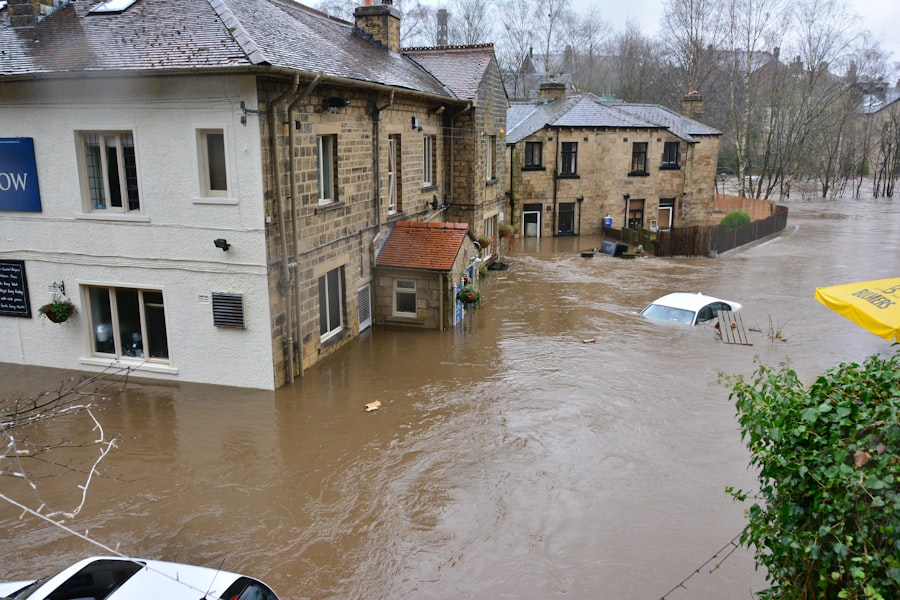
The prevalence of flood stories begs the question: are these purely symbolic narratives, or do they hold a kernel of historical truth? While it is unlikely that a single, global deluge occurred in the way described in many myths, there are several scientific and historical factors that could have contributed to the widespread belief in such events. The human tendency to interpret profound natural disasters through a mythological lens is also a key consideration.
Geological Evidence: Past Cataclysms and Sea Level Changes
Geological research has revealed evidence of past catastrophic floods throughout Earth’s history. These include massive glacial lake outbursts, tsunamis, and significant sea-level rises.
Glacial Lake Outburst Floods (GLOFs)
In regions previously covered by glaciers, the melting of ice dams could have released enormous volumes of water suddenly, causing devastating floods. The Missoula Floods in North America, for example, were a series of massive glacial lake outburst floods that occurred as recently as the end of the last Ice Age. Tales of such localized but immense disasters could have served as the basis for more generalized flood myths in surrounding communities.
Tsunami Events and Coastal Flooding
Coastal communities, particularly those living near active seismic zones, would have been vulnerable to tsunamis. These sudden, enormous waves could inundate vast coastal areas, leaving behind a trail of destruction and inspiring terrifying tales of watery destruction. Historical and geological records of large tsunamis provide a plausible source for the widespread fear of inundate events. Similarly, periods of rapid sea-level rise, though generally gradual, could have been perceived as catastrophic encroaching floods, especially in low-lying coastal regions.
Archeological Discoveries: Evidence of Ancient Settlements and Their Fate
Archeological sites sometimes reveal evidence of ancient settlements that were destroyed by floods or sea-level changes. The discovery of submerged cities or settlements covered by thick layers of sediment can lend credence to the idea that ancient peoples experienced and recorded devastating inundations.
Submerged Settlements and Flood Deposits
The discovery of ancient settlements buried under layers of silt or mud can be interpreted as evidence of past floods. For example, sites in the Persian Gulf region have provided evidence of human habitation that was later submerged by rising sea levels. Such discoveries can reinforce the connection between observable destruction and the enduring cultural memory of floods.
The Human Factor: Memory, Interpretation, and Symbolism
Beyond direct geological evidence, human factors play a crucial role in the formation and dissemination of flood myths. The human capacity for abstract thought, storytelling, and symbolic interpretation allows for the transformation of real or imagined events into enduring myths.
Collective Memory and Oral Tradition
Oral traditions are powerful vehicles for transmitting knowledge and experiences across generations. Even if a devastating flood was a rare event, its impact could have been so profound that it became a permanent fixture in the collective memory, passed down through stories. Over time, these stories could have been embellished and intertwined with other cultural narratives, such as creation myths.
Symbolic Meanings of Water and Destruction
Water itself holds deep symbolic meaning in human cultures, representing both life-giver and destroyer. The fluidity and power of water make it a natural metaphor for chaos, purification, and transformation. For many cultures, floods represent a return to the primordial state of chaos, followed by a divine act of reordering and renewal. The narrative of a world cleansed by water, only to be reborn, offers a profound psychological and spiritual framework for understanding existential threats and the possibility of resilience.
Flood Myths in Modern Context: Enduring Relevance and Cultural Impact

The enduring power of ancient flood stories is evident not only in their historical persistence but also in their continued influence on modern culture, religion, and even speculative discourse. These myths continue to resonate because they touch upon fundamental human anxieties and aspirations, offering narratives of destruction, survival, and renewal that remain relevant to our own experiences.
Religious and Spiritual Interpretations: Covenant and Transformation
For many religious traditions, flood myths are not merely ancient tales but foundational narratives that inform theological understanding and spiritual practices.
Abrahamic Religions: God’s Judgment and Promise
In Judaism, Christianity, and Islam, the story of Noah’s Ark serves as a critical narrative of divine judgment, salvation, and covenant. It signifies God’s disappointment with humanity’s sinfulness but also His promise of continued care and a new beginning. The ark becomes a symbol of divine providence and the perseverance of faith. The story is frequently invoked to teach lessons about obedience, righteousness, and the cyclical nature of divine intervention in human affairs, emphasizing a continuous dialogue between the divine and the human.
Eastern Religions and Cyclical Time
In Eastern religious traditions, such as Hinduism and Buddhism, flood myths are often integrated into broader concepts of cyclical time and cosmic renewal. The recurring destructions and creations of the universe, often involving floods, underscore the impermanence of all things and the continuous cycle of birth, death, and rebirth. These narratives emphasize detachment from worldly affairs and the pursuit of spiritual liberation as a means of transcending these cycles.
Cultural Impact: Literature, Art, and Popular Culture
The archetypal narrative of the flood has inspired countless works of art, literature, and has found its way into popular culture, demonstrating its enduring appeal and adaptability.
Literary Depictions and Artistic Representations
From epic poems and biblical retellings to modern novels exploring apocalyptic scenarios, flood narratives have consistently fueled literary creativity. Artists throughout history have depicted the devastation of floods and the dramatic moments of survival, translating these ancient stories into visual forms. The imagery of Noah’s Ark, the overwhelming waters, and the lone vessel against the storm are powerful and evocative.
Modern Apocalyptic Narratives and Environmental Concerns
In contemporary society, flood narratives often find expression in modern apocalyptic fiction and film, reflecting contemporary anxieties about environmental change and global disasters. The fear of rising sea levels, extreme weather events, and ecological collapse can draw upon the primal imagery and emotional resonance of ancient flood stories, making them a potent subject for exploring our planet’s future and humanity’s place within it. The connection between human actions and ecological disaster is a theme that links ancient myths to modern concerns about sustainability and responsibility.
The Unanswered Questions: Lingering Mysteries and Future Exploration
Despite centuries of study, flood myths continue to provoke questions and inspire further exploration. The precise origins of these stories, the potential links between them, and their ongoing significance remain fertile ground for research and intellectual debate.
The Search for a Universal Origin Point
While a single, global flood event as described in some myths is scientifically improbable, the intense similarities across cultures necessitate further investigation into potential shared experiences or common psychological underpinnings. Researchers continue to explore whether isolated, but widespread, natural events in prehistory could have catalyzed similar narrative traditions across different societies.
The Enduring Power of Collective Memory
The enduring presence of flood stories speaks to the remarkable power of collective human memory, our capacity to imbue significant events with deep symbolic meaning, and our ongoing need to construct narratives that help us understand our place in the face of overwhelming forces. These ancient tales, whispered through millennia, continue to echo, reminding us of our shared history, our vulnerability, and our remarkable capacity for survival and renewal. They are not simply stories of the past, but narratives that offer wisdom and perspective for navigating the challenges of the present and the uncertainties of the future.

When the Ice Age Ended… Everything Changed
FAQs
What are ancient flood stories?
Ancient flood stories are narratives found in various cultures and religions around the world that describe a catastrophic flood that destroys the world or a significant portion of it. These stories often include a hero figure who survives the flood and helps to repopulate the earth.
Which ancient cultures have flood stories?
Many ancient cultures have flood stories, including the Mesopotamian, Greek, Hindu, Chinese, Native American, and Aboriginal Australian cultures. The most well-known flood story is the biblical account of Noah’s Ark in the Book of Genesis.
What are the similarities between these flood stories?
Despite being from different cultures and time periods, many ancient flood stories share common elements, such as a warning from a divine being, the construction of a boat or ark to survive the flood, the saving of animals, and the repopulation of the earth by survivors.
What do these flood stories tell us about ancient cultures?
Ancient flood stories provide insight into the beliefs, values, and fears of ancient cultures. They often reflect the importance of nature, the power of the divine, and the resilience of humanity in the face of disaster.
Are there any scientific explanations for these flood stories?
While some scholars and scientists have proposed that ancient flood stories may have been inspired by real-life catastrophic floods, there is no definitive scientific evidence to support this. The prevalence of flood stories across different cultures is more likely due to the universal human experience of natural disasters and the desire to explain and make sense of them.