The world, as we know it, is a tapestry woven from eons of geological and climatic shifts. Yet, beneath the veneer of our modern existence lies a deeper history, a frigid epoch etched into the very earth we walk upon. The Ice Age, a period stretching from approximately 2.6 million to 11,700 years ago, was a time of immense glaciations, dramatic temperature fluctuations, and the reign of megafauna. For archaeologists, this era presents a unique and often challenging landscape for discovery. Unearthing the remnants of Ice Age humans, their tools, and their lives is akin to deciphering fragments from a frozen past, each artifact a whisper from a world dramatically different from our own. This pursuit has yielded extraordinary insights, revealing the ingenuity, resilience, and adaptability of our ancient ancestors in the face of extreme conditions.
The very nature of the Ice Age presents a formidable hurdle for archaeologists. Vast ice sheets, reaching kilometers in thickness, reshaped landscapes, burying or obliterating evidence of early human activity. Permafrost, the permanently frozen ground, can preserve organic materials with remarkable fidelity, but accessing and excavating these sites requires specialized techniques and often enduring extreme cold. Furthermore, the nomadic lifestyles of many Ice Age hunter-gatherer groups mean that evidence is often scattered, with settlements being temporary and ephemeral. Despite these obstacles, dedicated researchers have, over decades, painstakingly pieced together a compelling narrative of human life during these ancient climatic cycles.
The Perils of Prehistory: Navigating Extreme Environments
Ice Age archaeology demands more than just academic knowledge; it requires immense physical fortitude. Excavations can take place in environments where temperatures plummet far below freezing, demanding specialized gear and meticulous planning. The risk of frostbite, hypothermia, and treacherous terrain are constant companions. The logistics of transporting equipment, personnel, and recovered artifacts in such conditions are also considerably complex. Sites might be located in remote mountain valleys, on exposed coastlines battered by frigid winds, or even beneath receding glaciers, each presenting its own unique set of challenges.
The Ghost in the Machine: Ice as a Double-Edged Sword
While glaciers can pose significant destruction, they can also act as powerful preservers. When ice advances, it can encapsulate entire landscapes, freezing not just artifacts but also the very stratigraphy that tells the story of their deposition. The subsequent retreat of these ice sheets can then expose these buried sites, a process that, while often slow and unpredictable, can reveal windows into the past that have been sealed away for millennia. However, the erosive power of moving ice can also effectively scour away any trace of human presence, leaving archaeologists to search for fainter clues.
Technology and Technique: Tools for Unveiling the Past
The advancements in archaeological methodology and technology have been crucial in overcoming the challenges of Ice Age research. Ground-penetrating radar, lidar, and satellite imagery allow for non-invasive surveys of vast areas, identifying potential sites before committing to physical excavation. Radiocarbon dating, while having its limitations for very ancient samples, has been instrumental in establishing chronologies for Ice Age human occupation. More sophisticated dating techniques, such as luminescence dating and cosmogenic nuclide dating, are now pushing the boundaries further, dating materials that were previously inaccessible.
Beyond the Shovel: Innovations in Excavation
The excavation of Ice Age sites often requires adaptations of standard archaeological practices. Precision tools, such as micro-excavators and specialized brushes, are used to carefully expose delicate artifacts. Freeze-core sampling allows for the extraction of intact permafrost samples for paleoenvironmental analysis, revealing climatic conditions and potential food sources available to Ice Age inhabitants. The use of drones for aerial photography and mapping provides invaluable three-dimensional data, helping researchers understand the spatial relationships of discovered features.
Ice Age archaeology continues to unveil fascinating insights into the lives of early humans and their interactions with the environment. A related article that explores the challenges and opportunities faced by modern societies, particularly in the context of climate change and its impact on archaeological sites, can be found at Tuvalu’s Future: Challenges and Opportunities Ahead. This piece highlights the importance of preserving our archaeological heritage while addressing contemporary issues that echo the resilience and adaptability of our ancestors during the Ice Age.
Echoes in the Stone: Discovering Ice Age Tools and Technologies
The stone tools left behind by Ice Age humans are perhaps the most enduring testament to their ingenuity. These artifacts, meticulously crafted and often bearing the marks of their makers, provide crucial insights into their subsistence strategies, their understanding of the natural world, and their technological capabilities. From simple hand axes to complex projectile points, each tool tells a story of adaptation and innovation.
The Language of Lithics: Understanding Stone Tool Assemblages
The study of lithics, or stone tools, is a cornerstone of Ice Age archaeology. By analyzing the types of stone used, the techniques of manufacture (flaking, pressure retouching), and the wear patterns on the tools, archaeologists can reconstruct the activities of the people who made them. Bifaces, for example, suggest tasks like butchery or woodworking, while finely flaked spear points indicate sophisticated hunting practices. The presence of specific tool types can also help define distinct cultural periods or groups within the vast timeline of the Ice Age.
From Pebble to Projectile: The Evolution of Ice Age Technology
The evolution of stone tool technology throughout the Ice Age is a remarkable story of refinement and specialization. Early Paleolithic tools, such as Oldowan choppers, were relatively simple. However, as humans adapted to increasingly challenging environments, toolkits became more diverse and sophisticated. The Acheulean handaxe, a more symmetrical and refined tool, characterized a significant portion of the Paleolithic. Later periods, like the Upper Paleolithic, saw the development of incredibly intricate blades, burins (for engraving), and even early forms of hafting, allowing for the creation of composite tools like harpoons and spear throwers.
The Art of the Hunt: Evidence of Ice Age Hunting Strategies
The subsistence of Ice Age peoples was primarily based on hunting and gathering. Archaeological evidence, including the bones of prey animals found at butchery sites and the specialized hunting tools themselves, paints a vivid picture of their prowess and strategies. The hunting of large game, such as mammoths, woolly rhinoceroses, and giant sloths, required immense cooperation, planning, and courage.
Big Game Hunters: Masters of Their Domain
The remains of megafauna, often found alongside stone tools and hearths, are direct evidence of successful large-scale hunting. Sites with concentrations of mammoth bones, for instance, can reveal how these massive creatures were brought down, butchered, and processed. The knowledge of animal behavior, migration patterns, and the use of terrain to their advantage were crucial for these hunters. The development of projectile weapons, such as spears equipped with stone points, significantly increased their range and effectiveness.
Hearth and Home: Reconstructing Ice Age Settlements and Lifestyles

While nomadic lifestyles were common, archaeologists have also uncovered evidence of more established settlements, providing glimpses into the social structures, daily routines, and living conditions of Ice Age communities. These sites, often sheltered in caves or constructed from organic materials, offer precious insights into how humans found refuge and built lives in a frozen world.
Shelters in the Storm: Caves, Rock Shelters, and Early Dwellings
Caves and rock shelters have proven to be invaluable resources for Ice Age archaeology. Their natural protection from the elements has preserved organic remains and artifacts for millennia. Archaeological excavations within these sites often reveal hearths, discard layers of tools and animal bones, and even evidence of artistic expression.
Beyond the Natural: The Dawn of Human Architecture
In open-air contexts, archaeologists have uncovered evidence of constructed dwellings. These might include large structures made from mammoth bones, timbers, and hides, particularly in regions like Eastern Europe where mammoths were abundant. Such discoveries suggest a remarkable ability to adapt to local resources and environmental conditions, creating shelters that could withstand harsh winters and offer protection for families and communities. The careful placement of these dwellings, often near water sources or game trails, further highlights their understanding of the landscape.
Life at the Campfire: Social Dynamics and Daily Life
The analysis of hearths, fire pits, and the distribution of artifacts within a settlement area provides insights into the social dynamics and daily lives of Ice Age people. The presence of multiple hearths might suggest larger communal living arrangements, while the clustering of specific tool types can indicate specialized tasks performed by individuals or groups.
A Picture in the Ash: Diet, Labor, and Community
The analysis of faunal remains and plant macrofossils found at settlements reveals the dietary staples of Ice Age populations. Evidence of specific butchery techniques can shed light on the division of labor, with some individuals likely specializing in hunting, others in processing carcasses, and still others in tool manufacture or the collection of plant resources. The sharing and distribution of food at these sites also point towards early forms of social cooperation and community bonding.
The First Artists: Unveiling Ice Age Art and Symbolism
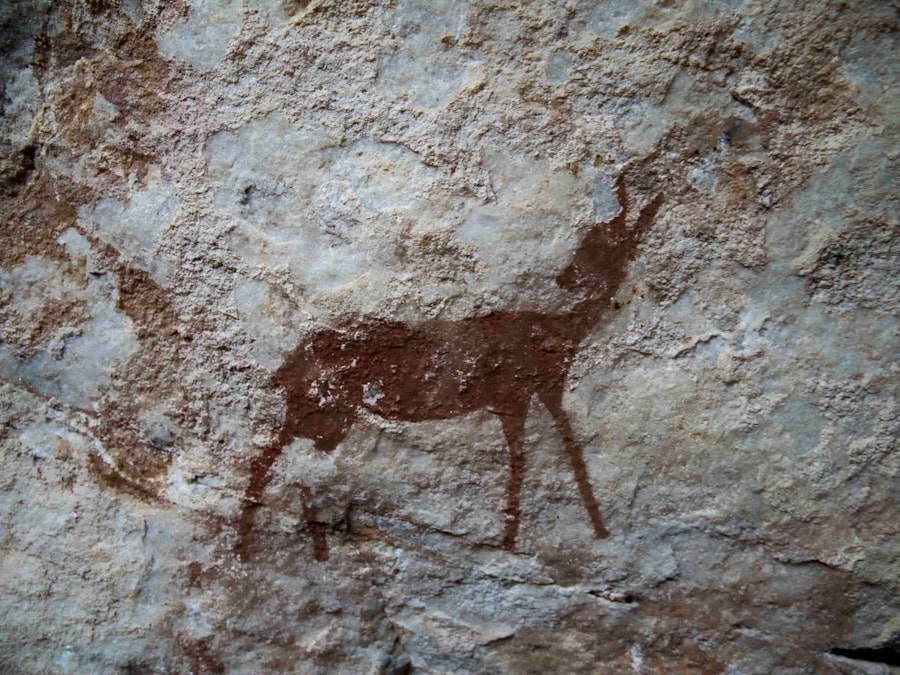
Perhaps some of the most astonishing discoveries from the Ice Age are the artistic expressions of its inhabitants. Cave paintings, engravings, and small portable art objects reveal a complex symbolic world, demonstrating that these early humans possessed not only practical skills but also a rich inner life and a capacity for abstract thought.
Walls that Whisper: The Revelation of Cave Art
The discovery of decorated caves, such as Lascaux and Chauvet in France, and Altamira in Spain, has revolutionized our understanding of Ice Age cognition and culture. These magnificent artworks, often depicting animals with incredible realism, suggest a deep connection with the natural world and a sophisticated understanding of its inhabitants. The use of natural pigments, brushes made from animal hair, and even rudimentary lighting techniques demonstrate a remarkable artistic sensibility.
Beyond Representation: Meaning and Purpose in Ice Age Art
The interpretation of Ice Age art remains a subject of ongoing debate. While some depictions may have served totemic or narrative purposes, others are thought to relate to shamanistic rituals, hunting magic, or even early forms of storytelling. The repetition of certain motifs, the careful composition of scenes, and the deliberate placement of artwork within caves all suggest a profound symbolic meaning that goes beyond mere decoration.
Portable Masterpieces: Small-Scale Art and Personal Adornment
In addition to cave art, archaeologists have unearthed a wealth of portable art objects. These include finely carved figurines, ivory pendants, and bone beads, often adorned with intricate patterns. The “Venus figurines,” small female sculptures with exaggerated sexual characteristics, are particularly enigmatic and have sparked numerous theories about their function, ranging from fertility symbols to representations of ideal beauty.
The Dawn of Symbolism: Identity and Expression
The creation of these portable art objects and personal adornments suggests a desire for self-expression, the development of personal identity, and potentially the establishment of social status. The use of precious materials and the skill involved in their creation imply that these objects held significant cultural value. This evidence challenges the notion of Ice Age humans as purely utilitarian beings, revealing them as individuals with complex emotional and symbolic lives.
Ice Age archaeology continues to unveil fascinating insights into the lives of prehistoric humans and their interactions with the environment. Recent findings suggest that understanding these ancient societies can inform our approach to modern challenges, such as resource management and conservation. For a deeper exploration of how these themes intersect, you might find it interesting to read about the future of resource exploitation in Antarctica and the balance between conservation and development in this related article. This connection highlights the importance of learning from our past as we navigate the complexities of our present and future.
The Enduring Legacy: What Ice Age Discoveries Tell Us Today
| Site | Location | Discoveries |
|---|---|---|
| La Cotte de St Brelade | Jersey, Channel Islands | Stone tools, animal bones, hearths |
| Star Carr | North Yorkshire, England | Wooden structures, antler headdresses, flint tools |
| Monte Verde | Chile | Wooden huts, animal bones, plant remains |
The unearthing of Ice Age archaeology is not merely an academic exercise in understanding the distant past; it offers profound insights into the human condition and our place in the natural world. The resilience, adaptability, and ingenuity of these ancient peoples, who thrived in environments far more challenging than our own, serve as powerful lessons for the present.
Lessons in Sustainability: A Model for Living with Nature
The subsistence strategies of Ice Age hunter-gatherers, carefully attuned to the natural cycles of their environment, offer a stark contrast to many modern consumptive practices. Their intimate knowledge of ecosystems, their reliance on renewable resources, and their minimal environmental impact provide a valuable model for contemporary discussions on sustainability and ecological balance.
Reciprocity with the Planet: Understanding Our Connectedness
The archaeological evidence suggests that Ice Age peoples lived in a state of reciprocity with their environment, understanding their dependence on its bounty and respecting its limits. This perspective, so different from a human-centered view, highlights the interconnectedness of all living things and the importance of maintaining ecological harmony.
The Human Spark: Tracing Our Evolutionary Journey
The discoveries of Ice Age archaeology are fundamental to understanding our evolutionary journey as Homo sapiens. These findings trace the development of our cognitive abilities, our social structures, and our capacity for innovation. They reveal the deep roots of human culture, art, and symbolic thought, demonstrating that many of the core aspects of our humanity were forged in the crucible of the ancient past.
A Bridge to Our Ancestors: Understanding the Foundation of Humanity
By studying the lives of our Ice Age ancestors, we gain a deeper appreciation for the challenges they overcame and the achievements they made. Their journey, marked by periods of immense hardship and remarkable innovation, laid the foundation for the development of human civilization. Each artifact unearthed, each site meticulously excavated, brings us closer to understanding the essential spirit of human perseverance and creativity that has shaped our species for millennia. The frozen past continues to yield its secrets, offering a vital compass for navigating our present and forging our future.

When the Ice Age Ended… Everything Changed
FAQs
What is Ice Age archaeology?
Ice Age archaeology is the study of human activity and culture during the last glacial period, which occurred approximately 2.6 million years ago to 11,700 years ago. This period is characterized by the presence of large ice sheets and lower sea levels, which had a significant impact on human migration and settlement patterns.
What are some key findings in Ice Age archaeology?
Some key findings in Ice Age archaeology include evidence of early human migration, the development of stone tools and weapons, the use of fire, and the creation of art and symbolic objects. These findings have provided valuable insights into the behavior and capabilities of early human populations.
How is Ice Age archaeology studied?
Ice Age archaeology is studied through a combination of fieldwork, excavation, laboratory analysis, and the use of advanced technologies such as radiocarbon dating, DNA analysis, and remote sensing. Researchers also collaborate with experts in related fields such as geology, paleoecology, and climatology to gain a comprehensive understanding of the Ice Age environment and its impact on human populations.
What are the challenges of studying Ice Age archaeology?
Some of the challenges of studying Ice Age archaeology include the preservation of artifacts and sites, which can be difficult due to the harsh environmental conditions and the impact of climate change. Additionally, the interpretation of archaeological evidence from this time period can be complex, requiring careful analysis and interdisciplinary collaboration.
What can we learn from Ice Age archaeology?
Ice Age archaeology provides valuable insights into the origins and development of human societies, the adaptation of early humans to changing environments, and the cultural and technological innovations that emerged during this period. By studying Ice Age archaeology, researchers can better understand the long-term dynamics of human behavior and the factors that shaped our evolutionary history.