The flickering screen illuminated the dimly lit room, drawing viewers into a world long vanished. “Unearthing the Past: Prehistoric Archaeology Documentary” was not just a film; it was a portal, a meticulously crafted journey back to the dawn of humanity. Through stunning visuals, expert commentary, and the palpable sense of discovery, the documentary aimed to peel back the layers of time, revealing the lives, struggles, and triumphs of our earliest ancestors. It promised to go beyond dusty artifacts and fragmented bones, striving to reconstruct not just what humans did, but how they thought, felt, and interacted with their world.
The enduring fascination with prehistory is a complex tapestry woven from curiosity, a quest for origins, and perhaps a primal recognition of our shared lineage. This documentary tapped directly into that allure, presenting the prehistoric era not as a static, unchangeable past, but as a dynamic period of innovation and adaptation.
The Primal Question: Where Do We Come From?
At its core, the prehistoric era addresses the most fundamental human question: our origins. “Unearthing the Past” embraced this existential curiosity with open arms, suggesting that understanding where we came from is intrinsically linked to understanding who we are today. The documentary argued that by studying the earliest human societies, we can gain insights into the very foundations of human behavior, social structures, and perhaps even our innate drives. It wasn’t just about tracing our evolutionary path; it was about understanding the genesis of our humanity.
Tracing the Evolutionary Highway
The film dedicated significant segments to the intricate dance of human evolution, showcasing fossil discoveries that have fundamentally reshaped our understanding of hominin development. From Australopithecus to Homo erectus and finally Homo sapiens, the documentary meticulously traced the key evolutionary milestones, highlighting the gradual development of bipedalism, tool use, and increasing brain size. Viewers were taken on a virtual expedition to iconic fossil sites, witnessing the painstaking work of paleontologists and the scientific debates that surround each new discovery. The narrative emphasized that evolution was not a linear progression but a branching tree, with many extinct hominin species contributing to our genetic heritage.
The Birth of Cognition: A Leap Forward
A central theme explored was the emergence of sophisticated cognitive abilities. The documentary delved into the archaeological evidence that points to the development of abstract thought, symbolic representation, and perhaps even the beginnings of language. Viewers were shown how the creation of art, burial rituals, and increasingly complex toolkits suggested a burgeoning awareness of self and a capacity for planning and foresight. This section aimed to demystify the transition from instinct-driven survival to a more conscious and reflective existence.
For those interested in the fascinating world of prehistoric archaeology, a related article that delves into the intriguing topic of early human migration is available at this link: Prehistoric Human Migration to Antarctica. This article explores the theories and evidence surrounding how ancient humans may have ventured into one of the most remote regions of the Earth, providing valuable insights that complement the themes presented in various prehistoric archaeology documentaries.
The Art of Reconstruction: Piecing Together the Puzzle
Prehistory, by definition, is an era without written records. This absence makes the work of prehistoric archaeologists an extraordinary feat of detective work, relying on the silent whispers of the earth to reconstruct entire worlds. “Unearthing the Past” celebrated this intricate process, showcasing the methodologies and the sheer dedication required to interpret the scant evidence left behind.
Digging Deeper: The Archaeology in Action
The documentary provided viewers with a front-row seat to the archaeological excavation process. It dissected the layers of soil, explaining the principles of stratigraphy and how the deposition of artifacts over time creates a chronological record. Viewers saw archaeologists meticulously brushing away dirt, carefully documenting every discovery, and employing advanced technologies to analyze the finds. This was not presented as a glamorous treasure hunt, but as a rigorous scientific discipline demanding patience, precision, and a deep understanding of material science.
From Shovel to Lab: The Scientific Toolkit
The film highlighted the diverse array of scientific tools that are now indispensable to prehistoric archaeology. Radiocarbon dating, for example, was explained in detail, allowing viewers to grasp how organic materials could be precisely dated, providing crucial temporal anchors for archaeological sites. Other techniques, such as DNA analysis from ancient bone fragments, isotopic analysis to reconstruct diets and migration patterns, and advanced imaging techniques to reveal hidden details on artifacts, were showcased, demonstrating the multidisciplinary nature of the field.
The Language of Artifacts: Objects as Storytellers
Every stone tool, every fragment of pottery, every discarded bone tells a story. “Unearthing the Past” taught viewers how to “read” these artifacts, understanding their form, function, and the context in which they were found. The documentary emphasized that even the simplest objects could reveal profound insights into the technologies, social practices, and daily lives of prehistoric peoples.
The Ingenuity of Stone: Early Toolmaking
The documentary dedicated a significant portion to the mastery of stone tool technology. Viewers learned about the different types of stone, the techniques of knapping and flaking, and how the evolution of tool types reflected increasing complexity in hunting, food preparation, and shelter construction. The emphasis was on the cognitive leaps required to conceptualize and execute these sophisticated tools, transforming raw materials into extensions of human capability.
Beyond Functionality: The Dawn of Aesthetics
The film explored the increasing evidence for aesthetic expression in prehistoric societies. This included the emergence of decorative elements on tools and pottery, as well as the creation of purely art objects. The documentary argued that these early aesthetic choices indicated a developing sense of beauty, ritual, and perhaps even a desire to imbue the everyday with meaning and significance.
Landscapes of the Past: Recreating Ancient Environments
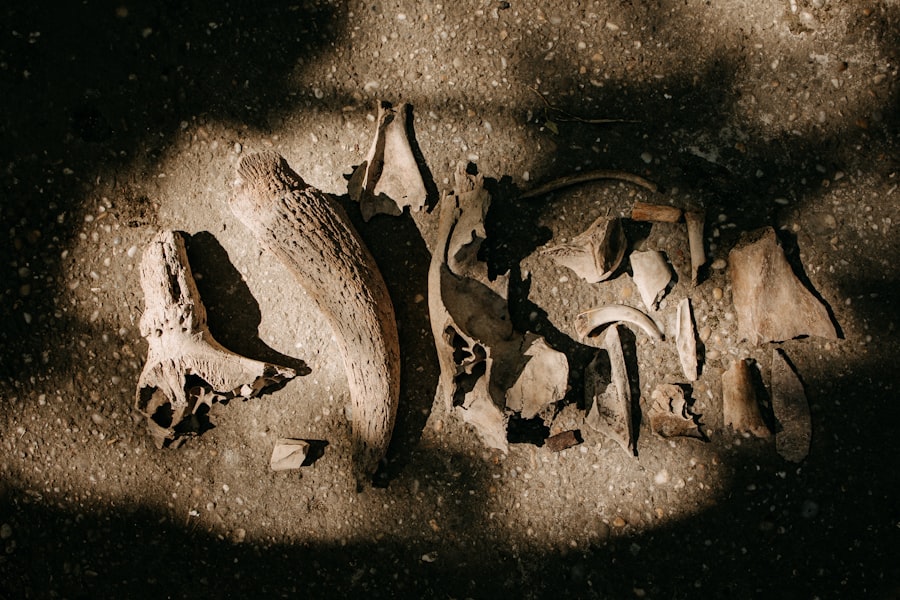
Prehistoric peoples were deeply intertwined with their environments. “Unearthing the Past” recognized that understanding their lives required understanding the natural world they inhabited, from the flora and fauna to the geological formations that shaped their existence.
Walking with Giants: The Pleistocene World
The documentary transported viewers to the dramatic landscapes of the Pleistocene epoch, a period characterized by ice ages and megafauna. Through CGI and expert reconstructions, viewers witnessed the vast savannas, the towering glaciers, and the formidable creatures that roamed these lands. This provided essential context for the challenges faced by early humans, their hunting strategies, and their adaptation to diverse and often harsh climates.
Adapting to the Elements: Human Resilience
The film highlighted the remarkable adaptability of early humans to a wide range of environmental conditions. From the ice-bound north to the tropical rainforests, prehistoric societies developed unique strategies for survival, including the development of clothing, sophisticated shelter construction, and the mastery of fire. This section underscored the resilience and ingenuity that allowed humans to spread across the globe.
The Hunt for Survival: Megafauna and the Early Hunter-Gatherer
The documentary explored the complex relationship between prehistoric humans and the large animals that shared their world. It examined hunting techniques, the tools used to bring down prey, and the social organization required for successful hunts. The film also touched upon the debate surrounding the role of humans in the extinction of some megafauna, presenting this as an ongoing area of scientific inquiry.
The Social Fabric: Community and Culture in the Deep Past
“Unearthing the Past” sought to move beyond the individual to explore the nascent social structures and cultural practices of prehistoric communities. It presented a vision of early humans not as solitary figures, but as beings who lived, loved, and organized themselves within groups.
Home and Hearth: The Dawn of Social Living
The documentary examined the evidence for early forms of habitation, from simple caves and rock shelters to more complex structures like huts and longhouses. It explored the concept of the hearth as a central gathering point, a place for cooking, warmth, and social interaction, suggesting the beginnings of domesticity and family units.
The Echoes of Ritual: Belief and Spirituality
The film delved into the intriguing evidence for prehistoric ritual and potentially spiritual beliefs. This included the analysis of ancient burial practices, the significance of grave goods, and the interpretation of cave art and carved figurines. The documentary posited that these practices indicated a developing sense of the sacred, a need to understand the mysteries of life and death, and a desire to connect with something beyond the material world.
The Threads of Connection: Kinship and Cooperation
The documentary explored the likely importance of kinship and cooperation in prehistoric societies. It suggested that larger social units were essential for survival, facilitating shared hunting expeditions, collective defense, and the transmission of knowledge. The film argued that the seeds of complex social organizations were sown in these early communities.
In the realm of Prehistoric archaeology, documentaries often shed light on the fascinating lives of our ancient ancestors, revealing their tools, art, and social structures. A particularly insightful article that complements this exploration is available at Preventing the Space Arms Race: International Cooperation, which discusses the importance of collaboration in understanding our past and ensuring a peaceful future. By examining how early human societies worked together, we can draw parallels to contemporary efforts in fostering international cooperation.
Legacy and Learning: What Prehistory Teaches Us Today
| Documentary Title | Release Year | Duration | Main Topics |
|---|---|---|---|
| Prehistoric Archaeology Revealed | 2019 | 60 minutes | Stone Age, Cave Paintings, Neanderthals |
| Unearthing the Past: Prehistoric Discoveries | 2020 | 45 minutes | Early Humans, Megalithic Structures, Tools and Artifacts |
| Mysteries of the Ice Age | 2018 | 90 minutes | Ice Age Animals, Human Migration, Climate Change |
The ultimate power of “Unearthing the Past: Prehistoric Archaeology Documentary” lay not just in its ability to illuminate the distant past, but in its capacity to offer profound lessons for the present and future. By understanding our earliest ancestors, the documentary argued, we gain a deeper appreciation for the journey of humanity and the enduring qualities that define us.
Echoes in the Modern World: Enduring Human Traits
The film emphasized the indelible threads that connect prehistoric humans to us today. Traits such as innovation, adaptability, curiosity, and the fundamental human need for connection and community were presented as constants throughout our history. The documentary suggested that by studying our origins, we can better understand these enduring aspects of human nature.
The Power of Innovation: From Stone to Science
A recurring theme was the remarkable capacity for innovation that characterized early human development. The documentary drew parallels between the ingenious use of stone and fire by our ancestors and the ongoing scientific and technological advancements in the modern world. It celebrated the human spirit of problem-solving and the relentless drive to improve our lives and our understanding of the world.
The Fragility of Civilization: Lessons from the Past
While celebrating human achievement, the documentary also offered a subtle but important caution. By examining the factors that may have led to the decline or disappearance of certain prehistoric groups, the film implicitly touched upon the fragility of even the most successful societies. It encouraged viewers to reflect on the challenges of sustainability, resource management, and social cohesion, themes that remain acutely relevant in the 21st century. “Unearthing the Past” wasn’t just a historical account; it was a compelling argument for drawing wisdom from the deepest wells of human experience, reminding us that the lessons of our prehistoric ancestors continue to resonate, offering guidance for navigating the complexities of our own time.

When the Ice Age Ended… Everything Changed
FAQs
What is prehistoric archaeology?
Prehistoric archaeology is the study of human history before the invention of writing systems. It involves the excavation and analysis of artifacts, structures, and other physical remains to understand the lives and cultures of ancient societies.
What is a prehistoric archaeology documentary?
A prehistoric archaeology documentary is a film or video production that explores the findings and research of prehistoric archaeologists. It typically showcases excavations, artifacts, and expert analysis to provide insights into the lives of ancient peoples and their civilizations.
What can viewers expect to learn from a prehistoric archaeology documentary?
Viewers can expect to learn about the daily lives, customs, and technologies of prehistoric societies. They may also gain insights into the social structures, religious beliefs, and artistic expressions of ancient cultures through the discoveries and interpretations presented in the documentary.
How are prehistoric archaeology documentaries created?
Prehistoric archaeology documentaries are typically created through a combination of on-site filming at archaeological excavations, interviews with experts in the field, and the use of computer-generated imagery to recreate ancient environments and civilizations. The production process involves extensive research and collaboration with archaeologists and historians.
Where can one watch prehistoric archaeology documentaries?
Prehistoric archaeology documentaries can be found on various streaming platforms, such as Netflix, Amazon Prime, and Hulu, as well as on educational channels and websites dedicated to history and archaeology. They may also be available for purchase or rental through online retailers or local libraries.