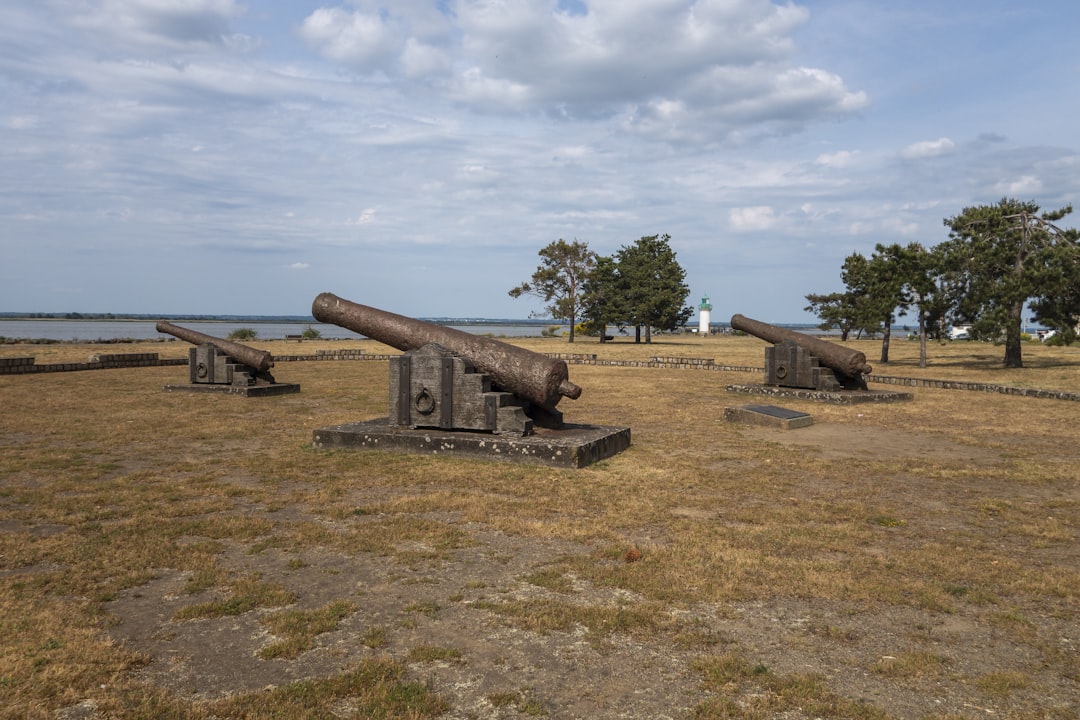
The Roman Empire, renowned for its military prowess and innovative strategies, relied heavily on a variety of artillery to maintain its dominance across vast territories. Roman field artillery played a crucial role in both offensive and defensive operations, providing the legions with the firepower necessary to overcome enemy fortifications and engage in open battle. This artillery was not merely an adjunct to the infantry; it was an integral component of Roman military doctrine, reflecting the empire’s commitment to technological advancement and tactical flexibility.
Field artillery in ancient Rome encompassed a range of siege engines and projectile-launching devices, including ballistae, onagers, and scorpions. These machines were designed to hurl stones, bolts, and other projectiles at enemy forces or fortifications, significantly enhancing the effectiveness of Roman legions. The development and deployment of these weapons marked a significant evolution in warfare, allowing the Romans to adapt to various combat scenarios and maintain their strategic edge over adversaries.
Key Takeaways
- Roman field artillery played a crucial role in ancient warfare, providing long-range firepower and strategic advantage on the battlefield.
- The evolution of Roman field artillery tactics saw the development of more sophisticated and effective techniques, including the use of different types of artillery and innovative siege warfare tactics.
- Roman field artillery included various types such as ballistae, onagers, and scorpions, each with specific functions and capabilities on the battlefield.
- The training and organization of Roman artillery units were highly disciplined and structured, with specialized training for artillery crews and efficient logistical support.
- Roman field artillery played a significant role in battles and campaigns, influencing military strategy and contributing to the success of famous Roman conquests and victories.
The Evolution of Roman Field Artillery Tactics
The tactics employed by Roman field artillery evolved significantly over the centuries, reflecting changes in warfare and advancements in technology. Initially, Roman artillery was primarily used for siege warfare, where it played a pivotal role in breaching enemy walls and fortifications. However, as the empire expanded and encountered diverse foes, the need for more versatile tactics became apparent.
The Romans began to integrate artillery into their field operations, using it to support infantry engagements and cavalry maneuvers. As military campaigns progressed, the Romans refined their artillery tactics to maximize effectiveness on the battlefield. They developed coordinated strategies that involved the simultaneous use of infantry and artillery, allowing for a more dynamic approach to combat.
This evolution was characterized by the ability to adapt artillery placement based on terrain and enemy formations, demonstrating a sophisticated understanding of battlefield dynamics. The Romans recognized that effective communication and coordination between different military units were essential for successful operations, leading to the establishment of standardized procedures for deploying artillery in various combat scenarios.
Types of Roman Field Artillery
Roman field artillery comprised several distinct types of siege engines, each designed for specific purposes and capable of launching various projectiles. The ballista, resembling a giant crossbow, was one of the most prominent types of artillery used by the Romans. It could launch large bolts or stones with remarkable accuracy over considerable distances, making it effective against both enemy troops and fortifications.
The ballista’s design allowed for rapid reloading and firing, which was crucial during intense battles. Another significant type of Roman artillery was the onager, a catapult that utilized torsion power to hurl projectiles. The onager was particularly effective for launching heavy stones or incendiary devices at enemy positions.
Its design allowed for a high degree of mobility, enabling Roman forces to reposition it quickly on the battlefield as needed. Additionally, the scorpion, a smaller but highly effective artillery piece, was used for precision strikes against enemy infantry. Its compact size made it easier to transport and deploy in various combat situations.
Training and Organization of Roman Artillery Units
| Training and Organization of Roman Artillery Units |
|---|
| 1. Training methods |
| 2. Types of artillery units |
| 3. Equipment and weaponry |
| 4. Organization within the Roman army |
| 5. Role in battles and sieges |
The effectiveness of Roman field artillery was not solely dependent on the machines themselves but also on the training and organization of the units that operated them. Artillery crews underwent rigorous training to master the operation of their respective machines, learning not only how to load and fire but also how to maintain and repair them in the field. This training ensured that crews could respond quickly and effectively during battles, maximizing the impact of their artillery on enemy forces.
In terms of organization, Roman artillery units were typically integrated into larger military formations rather than operating independently. This integration allowed for coordinated attacks that combined infantry advances with artillery support. Each legion had its own dedicated artillery contingent, which was responsible for providing fire support during engagements.
The hierarchical structure within these units facilitated effective communication and command, ensuring that artillery could be deployed strategically based on the evolving dynamics of battle.
The Role of Roman Field Artillery in Battle
Roman field artillery played a multifaceted role in battle, serving as both a psychological weapon and a means of inflicting physical damage on enemy forces. The mere presence of artillery could instill fear in opposing troops, often leading to disarray before any projectiles were even fired. This psychological advantage was crucial in many engagements, as it could demoralize enemies and disrupt their formations.
In addition to its psychological impact, Roman field artillery provided essential fire support during battles. Artillery units would often be positioned strategically on elevated terrain or behind infantry lines to maximize their effectiveness while minimizing exposure to enemy fire. By targeting key enemy formations or fortifications, Roman artillery could create openings for infantry assaults or weaken enemy defenses before a full-scale attack commenced.
This synergy between infantry and artillery exemplified the Romans’ tactical ingenuity and contributed significantly to their military successes.
Roman Field Artillery Tactics in Siege Warfare
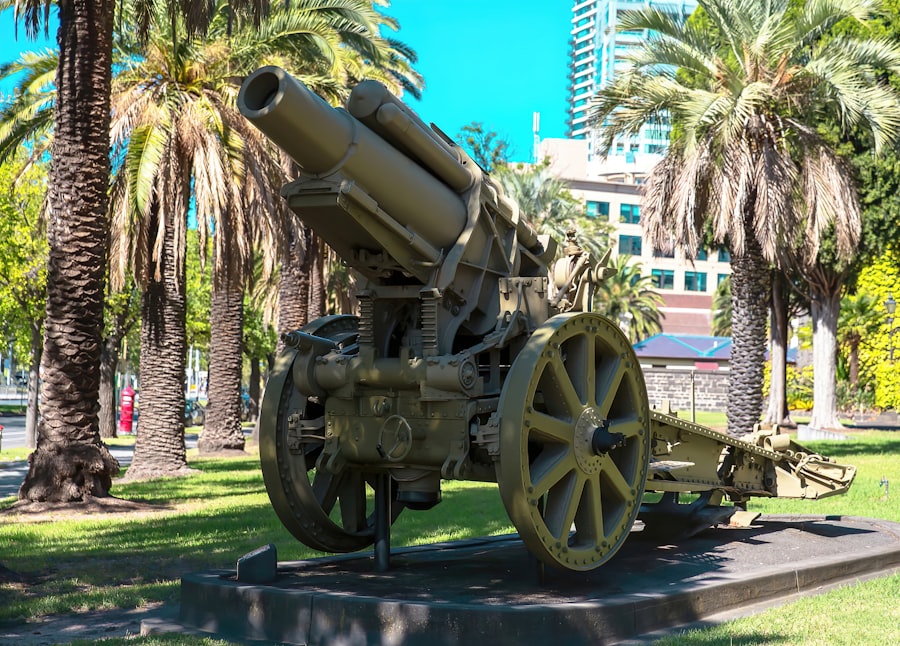
Siege warfare represented one of the most critical applications of Roman field artillery tactics. When besieging fortified cities or strongholds, Roman commanders relied heavily on their artillery to breach walls and create openings for infantry assaults. The use of ballistae and onagers allowed Roman forces to bombard enemy fortifications from a distance, softening defenses before launching ground assaults.
In addition to direct attacks on walls, Roman siege tactics often involved psychological warfare aimed at demoralizing defenders. Artillery would be used not only to destroy physical barriers but also to instill fear among those inside the fortifications. By demonstrating their firepower through sustained bombardment, Romans could compel defenders to surrender or weaken their resolve over time.
This combination of physical destruction and psychological pressure exemplified the effectiveness of Roman field artillery in siege scenarios.
Innovations and Advancements in Roman Field Artillery
The Romans were not content with merely adopting existing technologies; they actively sought innovations that would enhance their military capabilities. Throughout their history, they made significant advancements in the design and construction of field artillery. For instance, improvements in torsion technology allowed for more powerful and efficient engines capable of launching heavier projectiles over greater distances.
Additionally, the Romans experimented with various projectile types, including incendiary devices designed to cause chaos among enemy ranks or ignite structures during sieges. These innovations reflected a broader understanding of warfare that extended beyond mere brute force; they demonstrated an appreciation for strategy and tactics that could exploit weaknesses in enemy defenses or morale.
The Influence of Roman Field Artillery on Military Strategy
The impact of Roman field artillery extended beyond individual battles; it fundamentally influenced military strategy throughout the empire’s history. The ability to deploy effective artillery units allowed Roman commanders to dictate terms on the battlefield, shaping engagements according to their strengths rather than merely reacting to enemy movements. This strategic advantage enabled Rome to maintain control over vast territories while effectively managing diverse threats.
Moreover, the lessons learned from Roman field artillery tactics influenced subsequent generations of military leaders across Europe and beyond.
As armies around the world adopted similar tactics, they recognized the importance of combining infantry maneuvers with effective fire support from artillery units.
Famous Battles and Campaigns where Roman Field Artillery was Utilized
Throughout its history, the Roman Empire engaged in numerous battles where field artillery played a decisive role. One notable example is the Siege of Alesia in 52 BCE during Julius Caesar’s Gallic Wars. In this campaign, Caesar’s forces employed extensive use of ballistae and other siege engines to breach Vercingetorix’s fortified positions while simultaneously defending against Gallic reinforcements attempting to break the siege.
Another significant instance occurred during the Battle of Cannae in 216 BCE when Hannibal faced off against Roman legions led by Varro and Paullus. Although this battle is often remembered for Hannibal’s tactical genius in encirclement tactics, it also highlighted how Roman commanders utilized their field artillery to provide covering fire during critical moments of engagement.
Legacy of Roman Field Artillery Tactics
The legacy left by Roman field artillery tactics is profound and enduring. Their innovative approaches laid foundational principles that would shape military doctrine for centuries to come. The integration of artillery into combined arms operations became a hallmark of effective military strategy across various cultures and epochs.
Furthermore, many modern military forces still draw inspiration from Roman practices regarding training, organization, and deployment of artillery units. The emphasis on coordination between different branches—infantry, cavalry, and artillery—remains a cornerstone of contemporary military operations worldwide.
Modern Applications of Roman Field Artillery Tactics
In today’s military landscape, echoes of Roman field artillery tactics can be observed in modern warfare strategies employed by armed forces globally. The principles established by the Romans regarding effective communication between units continue to resonate within contemporary military organizations that prioritize joint operations among various branches. Moreover, advancements in technology have led to new forms of artillery that echo ancient designs while incorporating modern innovations such as precision-guided munitions and automated systems for targeting and firing.
These developments reflect an ongoing commitment to enhancing firepower while maintaining strategic flexibility—an ethos rooted deeply in the legacy left by ancient Rome’s mastery over field artillery tactics. In conclusion, Roman field artillery was not merely a collection of weapons; it represented a sophisticated approach to warfare that combined technology with strategic foresight. Its evolution over time reflects broader changes in military thought and practice while leaving an indelible mark on subsequent generations of military leaders worldwide.
The study of Roman field artillery secrets reveals fascinating insights into the military strategies of ancient Rome. For a deeper understanding of the historical context and technological advancements of this era, you can explore a related article that delves into the broader aspects of Roman warfare and its innovations. Check out the article [here](https://www.realloreandorder.com/sample-page/).
WATCH THIS! 15 Ancient Weapons That BROKE History (And Were Hidden)
FAQs
What were the Roman field artillery secrets?
The Roman field artillery secrets refer to the advanced techniques and technologies used by the Roman military in their artillery operations.
What types of artillery did the Romans use?
The Romans used a variety of artillery, including ballistae, onagers, and scorpions. These were used for both siege warfare and field battles.
What were some of the advanced techniques used by the Roman artillery units?
The Roman artillery units were known for their advanced techniques in aiming, range estimation, and projectile design. They also utilized tactics such as creating overlapping fields of fire and rapid reloading.
How did the Romans maintain their artillery equipment?
The Romans were meticulous in maintaining their artillery equipment, ensuring that the ballistae, onagers, and scorpions were kept in optimal condition for battle.
What impact did Roman field artillery have on their military campaigns?
The Roman field artillery played a crucial role in their military campaigns, providing long-range firepower and siege capabilities that were instrumental in their conquests and defense of their territories.