
Chemical warfare, often perceived as a modern phenomenon, has roots that stretch back to ancient civilizations. The strategic use of toxic substances to incapacitate or kill adversaries has been documented throughout history, revealing a dark yet fascinating aspect of human conflict. In ancient times, the understanding of chemistry was rudimentary, yet the ingenuity of early civilizations allowed them to harness natural toxins and poisons for military purposes.
This article delves into the early instances of chemical warfare, exploring its applications, implications, and the ethical considerations that surrounded its use. The motivations behind employing chemical agents in warfare were often tied to the desire for a tactical advantage.
Ancient armies sought innovative ways to undermine their enemies, leading to the development of various chemical weapons. The legacy of these early practices not only shaped military strategies of the time but also laid the groundwork for future developments in warfare.
Key Takeaways
- Chemical warfare has been used since ancient times, with early examples dating back to 600 BC.
- Ancient civilizations used poisoned arrows and projectiles as a form of chemical warfare.
- Biological agents, such as disease-ridden corpses, were also used in ancient warfare to spread illness among enemies.
- The development of ancient chemical weapons led to significant impacts on battle tactics and military strategy.
- The legacy of ancient chemical warfare continues to influence modern warfare and the continued threat of chemical warfare in the modern world.
Early Examples of Chemical Warfare in Ancient Civilizations
The use of chemical agents can be traced back to several ancient civilizations, each employing unique methods to gain an upper hand in battle. The Assyrians, for instance, are known to have utilized sulfur and bitumen to create noxious fumes that would disorient and incapacitate their foes. Historical records indicate that during sieges, they would set fire to these substances, releasing toxic smoke that would envelop enemy troops, causing chaos and confusion.
Such tactics exemplified an early understanding of the psychological impact of chemical agents on the battlefield. Similarly, the Greeks employed a variety of toxic substances in their military endeavors. The infamous historian Herodotus documented instances where the Greeks used a mixture of vinegar and sulfur to create a potent gas that could be unleashed upon their enemies.
This early form of chemical warfare not only showcased the Greeks’ innovative spirit but also highlighted their willingness to exploit nature’s resources for military gain. These examples illustrate that ancient civilizations were not only aware of the destructive potential of chemical agents but were also willing to integrate them into their warfare strategies.
The Use of Poisoned Arrows and Projectiles in Ancient Warfare

One of the most prevalent methods of chemical warfare in ancient times was the use of poisoned arrows and projectiles. Archers would dip their arrows in various toxic substances derived from plants or animal venom, creating a lethal weapon that could inflict harm from a distance. This practice was widespread across different cultures, from the Scythians in Central Asia to the indigenous tribes of South America.
The strategic advantage offered by poisoned projectiles allowed warriors to engage enemies without direct confrontation, often leading to devastating outcomes. The effectiveness of poisoned arrows lay not only in their immediate lethality but also in their ability to instill fear among adversaries. The knowledge that an enemy’s weapon could carry a hidden toxin created an atmosphere of dread on the battlefield.
This psychological warfare was as significant as the physical damage inflicted by these weapons. Moreover, the use of poisoned projectiles necessitated a deeper understanding of local flora and fauna, as warriors had to identify which substances would yield the most effective toxins. This blend of knowledge and strategy marked a significant evolution in ancient military tactics.
The Role of Biological Agents in Ancient Warfare
| Biological Agent | Origin | Effectiveness |
|---|---|---|
| Plague | Various regions | Highly effective in causing widespread illness and death |
| Anthrax | Asia, Europe, and Africa | Caused illness and death in both humans and animals |
| Ricin | Derived from castor beans | Highly toxic and lethal if ingested or inhaled |
In addition to chemical agents, biological warfare also played a role in ancient conflicts. The deliberate spread of disease among enemy populations was a tactic employed by various civilizations throughout history. For instance, during the Peloponnesian War, it is believed that the Athenians used contaminated water sources to weaken their adversaries.
This method not only incapacitated enemy soldiers but also had long-lasting effects on civilian populations, demonstrating a ruthless approach to warfare that extended beyond the battlefield. The use of biological agents was not limited to water contamination; ancient armies also resorted to more direct methods. Historical accounts suggest that during sieges, armies would hurl decaying corpses over city walls or into wells to spread disease and demoralize defenders.
This gruesome tactic served multiple purposes: it not only introduced pathogens into enemy territory but also instilled fear and despair among those under siege. Such actions reveal a chilling understanding of how disease could be weaponized, highlighting the lengths to which ancient civilizations would go to secure victory.
The Development of Ancient Chemical Weapons
The development of chemical weapons in ancient times was often a reflection of the technological advancements and scientific knowledge available to various civilizations. As societies progressed, so too did their ability to create more sophisticated and effective chemical agents. The Egyptians, for example, were known for their use of natron—a naturally occurring salt—combined with other substances to produce toxic fumes during warfare.
This innovation marked a significant step forward in the evolution of chemical weaponry. Moreover, the Romans are credited with developing early forms of incendiary devices that utilized chemical reactions to create fire and smoke on the battlefield. Their use of Greek fire—a mysterious substance that could ignite upon contact with water—demonstrated an advanced understanding of chemistry and its applications in warfare.
These developments not only enhanced the lethality of ancient armies but also set a precedent for future innovations in military technology.
The Impact of Chemical Warfare on Ancient Battle Tactics
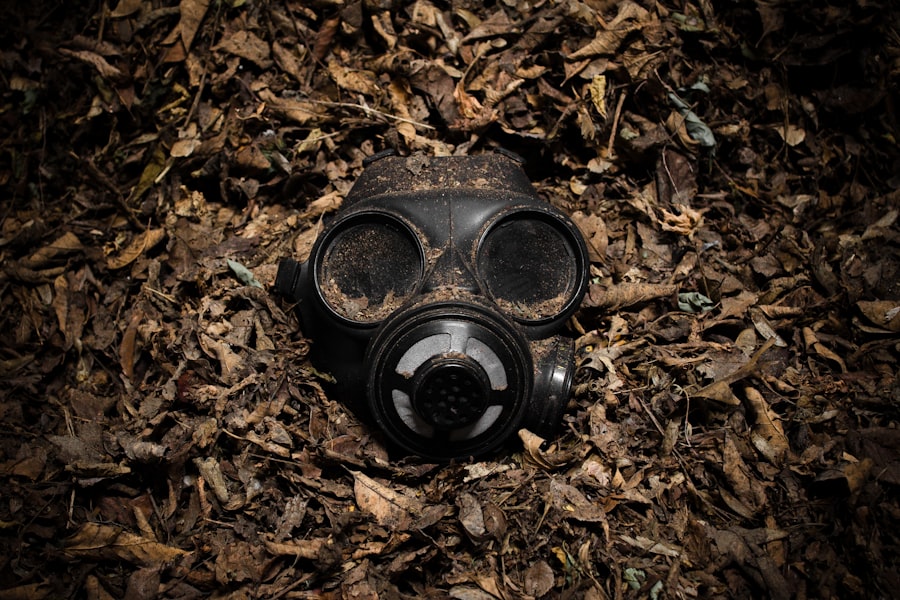
The introduction of chemical warfare fundamentally altered battle tactics in ancient times. Commanders began to incorporate these new weapons into their strategies, recognizing their potential to disrupt enemy formations and morale. The psychological impact of chemical agents often proved as significant as their physical effects, leading armies to adopt more cautious approaches when facing adversaries known for their use of toxins.
Additionally, the presence of chemical weapons necessitated changes in troop formations and battlefield logistics. Armies had to develop countermeasures against potential gas attacks or poisoned projectiles, leading to innovations in protective gear and tactics for engaging enemies at a distance. The integration of chemical warfare into military strategy marked a turning point in how battles were fought, emphasizing the importance of adaptability and innovation in ancient warfare.
Ethical and Moral Considerations of Chemical Warfare in Ancient Times
The use of chemical warfare in ancient times raised profound ethical and moral questions that resonate even today. While many civilizations embraced these tactics as legitimate means of achieving victory, others grappled with the implications of employing such brutal methods against fellow humans. Philosophers and military leaders alike debated the morality of using poison and disease as weapons, often weighing the potential benefits against the suffering inflicted on both combatants and civilians.
In some cultures, there existed a code of honor that dictated acceptable forms of warfare. The use of chemical agents often violated these principles, leading to condemnation from certain factions within society. This internal conflict highlighted a growing awareness of the humanitarian consequences associated with chemical warfare, foreshadowing future debates on the ethics of such practices in modern conflicts.
The Legacy of Ancient Chemical Warfare on Modern Warfare
The legacy of ancient chemical warfare is evident in contemporary military practices and international relations. The historical precedents set by early civilizations have influenced modern understandings of chemical weapons and their implications for global security.
Moreover, the lessons learned from ancient practices continue to inform military strategy today. Modern armies study historical instances of chemical warfare to understand its effects on troop morale and battlefield dynamics. This knowledge shapes contemporary approaches to conflict resolution and highlights the importance of ethical considerations in military planning.
The Influence of Ancient Chemical Warfare on Military Strategy
The influence of ancient chemical warfare extends beyond its immediate impact on battle tactics; it has also shaped broader military strategies throughout history. The recognition that psychological warfare could be as effective as physical combat led commanders to incorporate fear-inducing tactics into their overall strategies. This understanding has persisted into modern military doctrine, where psychological operations play a crucial role alongside conventional warfare.
Furthermore, the development and deployment of chemical weapons have prompted nations to invest heavily in research and development aimed at countering such threats. The historical context provided by ancient practices informs contemporary military leaders as they navigate complex geopolitical landscapes where chemical weapons remain a concern.
The Continued Threat of Chemical Warfare in the Modern World
Despite international efforts to ban chemical weapons, the threat they pose remains relevant in today’s world. Various conflicts have seen the resurgence of chemical agents as tools for oppression and terror, raising alarms about compliance with international treaties such as the Chemical Weapons Convention (CWC). The ongoing challenges associated with monitoring and enforcing these agreements underscore the persistent risk posed by chemical warfare.
Moreover, advancements in technology have made it easier for non-state actors to access and deploy chemical agents, complicating global security efforts. The lessons learned from ancient practices serve as a reminder that while humanity has made strides toward regulating such weapons, vigilance is essential in preventing their misuse.
Lessons Learned from Ancient Chemical Warfare
The exploration of chemical warfare in ancient times reveals critical lessons that continue to resonate today. As societies grapple with the ethical implications and potential consequences of employing such tactics, it becomes clear that history serves as both a warning and a guide for future generations. The legacy of ancient practices underscores the importance of balancing military objectives with humanitarian considerations—a challenge that remains relevant in contemporary conflicts.
Ultimately, understanding the historical context surrounding chemical warfare allows modern societies to reflect on their values and priorities when it comes to conflict resolution. By learning from the past, humanity can strive toward a future where warfare is conducted with greater respect for life and dignity—a goal worth pursuing as nations navigate an increasingly complex global landscape.
Chemical warfare has a long and complex history, with evidence of its use dating back to ancient times. One fascinating article that delves into this topic is found on the Real Lore and Order website, which explores various historical instances of chemical agents being employed in warfare. For more insights, you can read the article [here](https://www.realloreandorder.com/sample-page/). This resource provides a comprehensive overview of how ancient civilizations utilized toxic substances in battle, shedding light on the evolution of warfare tactics throughout history.
WATCH THIS! 15 Ancient Weapons That BROKE History (And Were Hidden)
FAQs
What is chemical warfare in ancient times?
Chemical warfare in ancient times refers to the use of toxic chemicals or poisonous substances as weapons in warfare. This could include the use of substances such as arsenic, sulfur, or plant-derived toxins to harm or incapacitate enemy forces.
What were some common chemical weapons used in ancient times?
Some common chemical weapons used in ancient times included arsenic, sulfur, and plant-derived toxins such as hemlock or ricin. These substances were often used to contaminate water sources, food supplies, or to create toxic fumes.
Which ancient civilizations used chemical warfare?
Several ancient civilizations are known to have used chemical warfare, including the Greeks, Romans, Persians, and Chinese. These civilizations used various toxic substances as weapons in warfare.
How were chemical weapons delivered in ancient times?
Chemical weapons in ancient times were often delivered through various means, including poisoning water supplies, contaminating food sources, or creating toxic fumes through the burning of certain substances.
What were the effects of chemical warfare in ancient times?
The effects of chemical warfare in ancient times could be devastating, causing illness, injury, or death among enemy forces. Chemical weapons could also create fear and panic among opposing armies, leading to strategic advantages for the users of these weapons.