
Ancient siege warfare represents a fascinating chapter in military history, characterized by the strategic and often brutal methods employed to capture fortified cities and strongholds. The art of siege warfare was not merely about brute force; it involved a complex interplay of tactics, technology, and psychological warfare. As civilizations grew and fortified their cities against invasions, the need for effective siege tactics became paramount.
From the towering walls of Babylon to the intricate fortifications of Rome, these structures were designed to withstand prolonged assaults, prompting besieging armies to innovate and adapt their strategies. Siege warfare was often a protracted affair, requiring not only military might but also logistical planning and resource management. Armies would lay siege for weeks or even months, cutting off supplies and attempting to starve the defenders into submission.
The psychological toll on both the besieged and the besiegers was immense, as hope dwindled and desperation set in. This context set the stage for the introduction of various forms of warfare, including the use of chemical agents, which would evolve over time and leave a lasting impact on military strategies.
Key Takeaways
- Ancient siege warfare involved the use of various chemical weapons and tactics to gain advantage over the enemy.
- The evolution of chemical weapons in ancient warfare included the use of poisoned arrows, Greek fire, and biological warfare.
- Greek fire was a significant development in siege warfare, as it could be used to set enemy ships and fortifications ablaze.
- The use of smoke and fumes as chemical weapons was also a common tactic in ancient battles, causing confusion and disorientation among the enemy forces.
- The legacy of ancient chemical warfare continues to impact modern warfare, with lessons learned from ethical, tactical, and archaeological perspectives.
The Evolution of Chemical Weapons in Ancient Warfare
The concept of chemical warfare can be traced back to ancient times when armies began to recognize the potential of using toxic substances to gain an advantage over their enemies. Early examples included the use of noxious fumes and other harmful agents that could incapacitate or kill opposing forces. The evolution of chemical weapons in ancient warfare was not a linear progression; rather, it was marked by experimentation and adaptation as different cultures sought to harness the destructive power of nature.
One of the earliest recorded uses of chemical agents occurred during the Peloponnesian War when the Spartans reportedly employed sulfur and other noxious substances to create a toxic environment for Athenian forces. This marked a significant shift in military tactics, as commanders began to understand that psychological and physiological effects could be just as devastating as traditional weaponry. The development of chemical weapons was not limited to one culture or region; various civilizations across the globe experimented with different substances, leading to a rich tapestry of chemical warfare practices that would influence future generations.
The Use of Poisoned Arrows and Projectiles

Poisoned arrows and projectiles were among the earliest forms of chemical weaponry utilized in ancient warfare. Archers would dip their arrows in toxic substances derived from plants or animal venom, creating a lethal projectile that could inflict harm long after the initial impact. This method allowed for a degree of stealth and surprise, as enemies could be incapacitated without direct confrontation.
The psychological impact of such weapons was profound; the fear of unseen death loomed large over battlefields where poisoned arrows were employed. Various cultures developed their own techniques for creating effective poisons. For instance, the Assyrians were known to use a mixture of plant toxins, while Native American tribes utilized venom from snakes and other creatures.
The effectiveness of poisoned projectiles lay not only in their immediate lethality but also in their ability to sow chaos among enemy ranks. As soldiers fell victim to these hidden threats, morale would plummet, leading to disarray and potential retreat. This tactic exemplified how ancient armies sought to exploit every advantage available to them, blurring the lines between conventional and unconventional warfare.
The Development of Greek Fire and its Impact on Siege Warfare
| Aspect | Details |
|---|---|
| Origin | Believed to have been developed by the Byzantine Empire in the 7th century |
| Composition | Contained flammable substances such as petroleum, quicklime, and sulfur |
| Delivery | Deployed using siphons or tubes, often launched from ships or siege engines |
| Impact | Revolutionized siege warfare, causing panic and devastation among enemy forces |
| Legacy | Remained a closely guarded secret of the Byzantine Empire for centuries |
Greek Fire stands out as one of the most infamous innovations in ancient siege warfare, representing a significant leap in the use of incendiary weapons. Developed by the Byzantine Empire, Greek Fire was a highly flammable substance that could ignite upon contact with water, making it particularly effective during naval battles and sieges. Its exact composition remains a mystery, but historical accounts suggest it was a combination of various oils, resins, and possibly quicklime.
The impact of Greek Fire on siege warfare was profound. Defenders could deploy it from ships or fortifications, creating a formidable barrier against attackers. The psychological effect was equally significant; the sight of flames engulfing enemy ships or siege engines instilled fear and uncertainty among besieging forces.
Greek Fire not only changed the dynamics of naval engagements but also forced armies to rethink their approaches to siege tactics. The threat of this devastating weapon led to innovations in siege machinery and strategies aimed at countering its effects.
The Role of Biological Warfare in Ancient Battles
Biological warfare, though less documented than its chemical counterpart, played a role in ancient battles through the deliberate spread of disease among enemy populations. Armies recognized that weakening an opponent’s morale and physical strength could be achieved through indirect means. Historical accounts suggest that besieging forces would contaminate water supplies or introduce pathogens into enemy camps, leading to outbreaks that could decimate entire populations.
The use of biological agents was often shrouded in secrecy, as armies sought to exploit vulnerabilities without direct confrontation. For instance, during the siege of Caffa in 1346, it is believed that Mongol forces catapulted plague-infected corpses over city walls, effectively introducing disease into the besieged population. This tactic not only weakened the defenders but also had far-reaching consequences for trade routes and populations beyond the immediate conflict.
The Use of Smoke and Fumes as Chemical Weapons
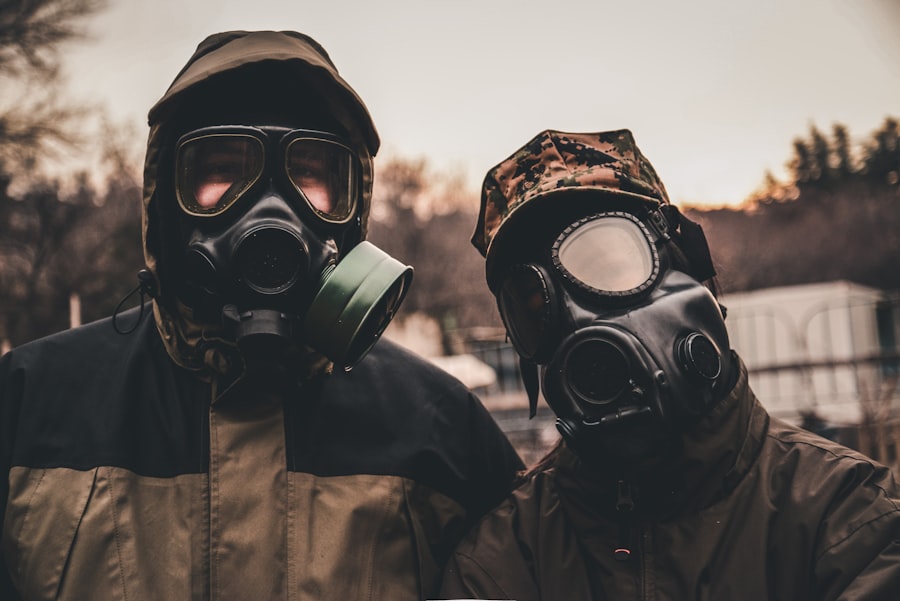
The use of smoke and fumes as chemical weapons can be traced back to ancient practices where armies sought to create confusion and disarray among enemy ranks. Smoke screens were employed to obscure movements during battles, allowing troops to advance or retreat without being detected. Additionally, various substances were burned to produce noxious fumes that could incapacitate or disorient opponents.
One notable example is the use of burning sulfur or other organic materials to create choking smoke during sieges. This tactic not only affected visibility but also had physiological effects on those exposed to the fumes. Soldiers caught in such clouds would experience difficulty breathing, leading to panic and disorder within their ranks.
The strategic deployment of smoke and fumes exemplified how ancient commanders sought to manipulate the battlefield environment to their advantage, showcasing an early understanding of psychological warfare.
The Ethical and Moral Considerations of Chemical Warfare in Ancient Times
The ethical implications surrounding chemical warfare in ancient times were complex and often overlooked in favor of military advantage. While many cultures recognized the devastating potential of chemical agents, there was also an inherent understanding that such tactics could lead to indiscriminate suffering among combatants and non-combatants alike. The moral dilemmas faced by commanders were often overshadowed by the urgency of victory.
In some cases, societies established codes of conduct that sought to limit the use of particularly cruel weapons. For instance, certain ancient texts suggest that there were prohibitions against using poison against enemies who had surrendered or were otherwise incapacitated. However, these codes were not universally adhered to, as desperation often led commanders to resort to any means necessary for success.
The ethical considerations surrounding chemical warfare highlight a tension between military necessity and humanitarian concerns that continues to resonate in modern discussions about warfare.
The Impact of Chemical Weapons on Siege Warfare Tactics
The introduction of chemical weapons significantly altered siege warfare tactics throughout history. Commanders began to incorporate these unconventional methods into their strategies, recognizing that they could achieve victory without relying solely on traditional siege engines or brute force. The psychological impact of chemical agents created an atmosphere of fear that could lead to quicker surrenders or disarray among enemy forces.
As armies adapted their tactics in response to the threat posed by chemical weapons, new forms of fortification emerged. Defenders sought ways to mitigate the effects of toxic agents by improving ventilation within their strongholds or developing countermeasures against smoke and fumes. This arms race between attackers and defenders underscored the dynamic nature of siege warfare, where innovation was driven by necessity and survival.
The Legacy of Ancient Chemical Warfare in Modern Warfare
The legacy of ancient chemical warfare continues to influence modern military strategies and ethical considerations surrounding conflict. While contemporary warfare has seen advancements in technology and weaponry, the fundamental principles behind chemical agents remain relevant today. The lessons learned from ancient practices serve as cautionary tales about the potential consequences of employing such weapons.
Modern international treaties, such as the Chemical Weapons Convention, reflect an ongoing commitment to prohibit the use of chemical agents in warfare—a principle rooted in historical experiences with their devastating effects. The ethical debates surrounding chemical warfare persist as nations grapple with the implications of using such weapons in contemporary conflicts. Understanding the historical context provides valuable insights into current discussions about military ethics and humanitarian law.
The Archaeological Evidence of Chemical Warfare in Ancient Battles
Archaeological evidence has played a crucial role in uncovering the practices surrounding chemical warfare in ancient battles. Excavations at various historical sites have revealed remnants of toxic substances used by ancient armies, providing tangible proof of their existence and application in warfare. For instance, residues found at battlefields have indicated the use of specific plant toxins or chemicals associated with incendiary devices.
Additionally, ancient texts and inscriptions have offered insights into the strategies employed by commanders who utilized chemical agents during sieges. These findings contribute to a more nuanced understanding of how ancient societies approached warfare and highlight the sophistication with which they developed their tactics. As researchers continue to explore these archaeological sites, new discoveries may further illuminate the complexities surrounding chemical warfare in antiquity.
Lessons Learned from Ancient Chemical Warfare for Modern Warfare
The study of ancient chemical warfare offers valuable lessons for contemporary military strategists and policymakers alike. As history has shown, the use of chemical agents can lead to devastating consequences not only for combatants but also for civilian populations caught in conflict zones. Understanding the ethical implications and historical context surrounding these practices is essential for fostering responsible decision-making in modern warfare.
Moreover, as nations navigate complex geopolitical landscapes today, the legacy of ancient practices serves as a reminder that innovation must be tempered with moral considerations. The horrors witnessed throughout history should inform current discussions about military ethics and humanitarian law, ensuring that lessons learned from ancient chemical warfare are not forgotten but rather integrated into contemporary frameworks for conflict resolution and peacekeeping efforts.
Ancient siege warfare often involved not only brute force but also cunning strategies, including the use of chemical weapons. A fascinating exploration of this topic can be found in the article on ancient military tactics, which discusses various methods employed by armies to gain the upper hand during sieges. For more insights into these historical practices, you can read the full article [here](https://www.realloreandorder.com/sample-page/).
WATCH THIS! 15 Ancient Weapons That BROKE History (And Were Hidden)
FAQs
What were ancient siege warfare chemical weapons?
Ancient siege warfare chemical weapons were substances used to harm or incapacitate enemy forces during a siege. These substances included toxic gases, incendiary materials, and other noxious compounds.
What types of chemical weapons were used in ancient siege warfare?
Chemical weapons used in ancient siege warfare included sulfur and pitch, which were used to create toxic fumes, as well as incendiary materials such as Greek fire. Other substances like quicklime and arsenic were also used to harm enemy forces.
How were ancient siege warfare chemical weapons deployed?
Ancient siege warfare chemical weapons were often deployed using various methods such as catapults, trebuchets, and other siege engines to hurl containers filled with the toxic or incendiary substances over the walls of a besieged city or fortress.
What were the effects of ancient siege warfare chemical weapons on soldiers and civilians?
The effects of ancient siege warfare chemical weapons on soldiers and civilians included respiratory issues, burns, blindness, and even death. These weapons were designed to create chaos and weaken the defenders of a besieged city or fortress.
Were there any regulations or restrictions on the use of ancient siege warfare chemical weapons?
During ancient times, there were no formal regulations or restrictions on the use of chemical weapons in siege warfare. The goal was to gain a tactical advantage by any means necessary, and the use of chemical weapons was considered a legitimate strategy.