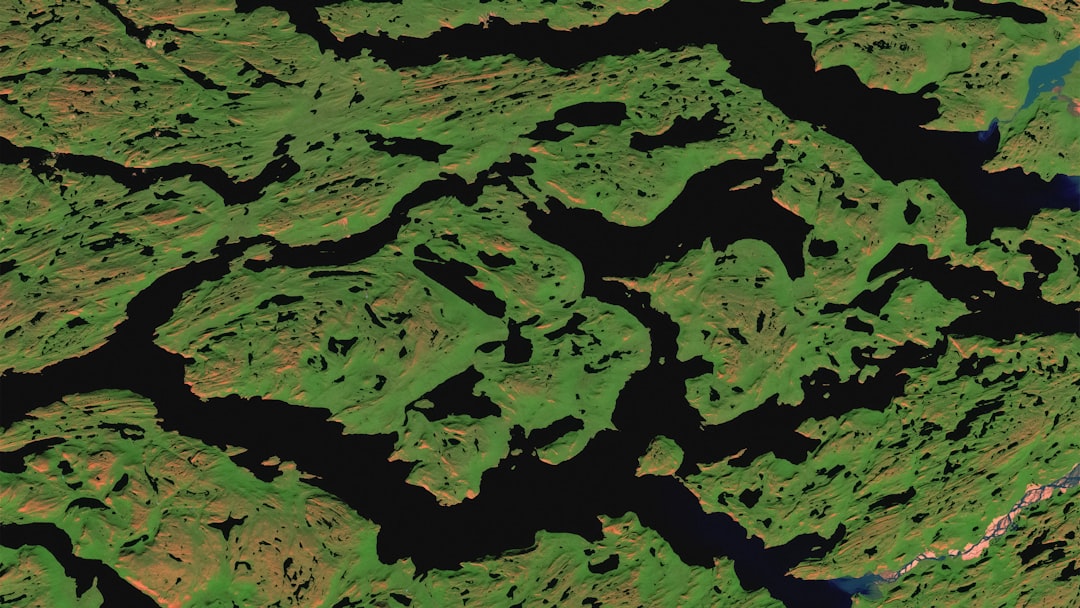
The vast, icy expanse of Greenland, a land sculpted by millennia of glacial forces, holds secrets far older and more dramatic than its frozen surface might suggest. Beneath its formidable ice sheets lie the scars of cosmic collisions, evidence of a violent past that has shaped not only our planet but potentially the very trajectory of life itself. A new documentary, tentatively titled “Greenland’s Impact Crater: A Chronicle of Cosmic Arrival,” promises to take viewers on an unprecedented journey to explore one of the most significant and recently discovered impact structures on Earth. This ambitious film delves into the scientific marvels of this hidden scar, unearthing the story of its formation, its profound geological and climatic implications, and the ongoing quest to understand its full impact.
The Discovery of a Continental Scar
For decades, the imposing ice sheet of Greenland served as a silent guardian, concealing a profound geological anomaly. It was not through traditional seismic surveys or geological mapping of exposed rock that the discovery was made, but through a combination of advanced radar technology and geophysical analysis. The documentary meticulously details the scientific detective work that led to the identification of this colossal impact structure, often referred to as the Hiawatha crater.
Early Anomalies and the Power of Radar
The film begins by recounting the initial tantalizing hints of something extraordinary hidden beneath the ice. Scientists, using airborne ice-penetrating radar systems, began to observe unusual features in the landscape beneath the thick ice cover. These anomalies did not conform to the typical geological formations sculpted by glaciers. Instead, they presented a distinct circular pattern, a signature that strongly suggested a non-terrestrial origin. The documentary showcases the awe and excitement that rippled through the scientific community as these early radar images were analyzed, igniting a quest for a definitive explanation.
The Technological Leap: Ice-Penetrating Radar
“Greenland’s Impact Crater: A Chronicle of Cosmic Arrival” dedicates a significant portion to explaining the sophisticated technology that made this discovery possible. Viewers are given an accessible, yet scientifically rigorous, explanation of how ice-penetrating radar works. This technology sends radio waves downwards, which then bounce back from the bedrock beneath the ice. By analyzing the time it takes for these waves to return and their altered frequencies, scientists can create detailed maps of the subglacial topography. The documentary highlights specific airborne radar expeditions, featuring interviews with the lead researchers and engineers who conceived and deployed these advanced instruments. The sheer scale of the Hiawatha crater, revealed through these radar scans, is presented as a revelation, showcasing a feature nearly 31 kilometers in diameter, one of the largest known impact craters on Earth.
Geophysical Signatures and the Confirmation of an Impact
Beyond the visual evidence provided by radar, the documentary delves into the geophysical characteristics that solidify the impact hypothesis. The circular depression itself is a strong indicator, but it is the accompanying geophysical signatures that leave little room for doubt.
Magnetic and Gravitational Clues
The film explains how variations in the Earth’s magnetic and gravitational fields can reveal buried structures. In the case of the Hiawatha crater, these geophysical surveys detected distinct patterns of magnetic anomalies and gravitational lows that are consistent with a large impact event. The impact would have significantly disrupted the local geology, creating a bowl-shaped depression and potentially ejecting vast quantities of rock, thus altering the local magnetic and gravitational fields in predictable ways. Experts in the film break down these complex concepts, using visualizations to illustrate how these subtle shifts in physical forces point to a colossal impact.
Rock Deformation and Impact Minerals
The documentary also explores the more direct geological evidence, even if it remains largely buried. While direct drilling into the deepest parts of the crater is an ongoing challenge, scientists have been able to infer the presence of impact-induced rock deformation and the formation of specific impact minerals. The immense pressures and temperatures generated by a hypervelocity impact would have fused and shattered rock, creating distinctive geological features like shatter cones and shocked quartz. The film interviews geologists who discuss the analysis of samples collected from the periphery of the crater, which show evidence of these tell-tale signs of impact.
The recent documentary on the Greenland impact crater has sparked significant interest in the intersection of ancient technology and modern challenges. For those intrigued by how historical innovations can inform our current resource scarcity issues, a related article titled “Unlocking Ancient Technology in Times of Scarcity” delves into this fascinating topic. You can read more about it by following this link: Unlocking Ancient Technology in Times of Scarcity.
The Cosmic Event: A Cataclysmic Arrival
The formation of the Hiawatha crater was not a gentle landing; it was a cataclysmic event that fundamentally reshaped the Greenlandic landscape. The documentary dedicates considerable time to reconstructing the monumental collision, drawing on the expertise of planetary scientists and astrophysicists.
The Impactor: Identity and Origin
A central question for any impact crater is the nature of the object that created it. “Greenland’s Impact Crater: A Chronicle of Cosmic Arrival” explores the prevailing scientific theories regarding the Hiawatha impactor. While direct remnants of the impactor are unlikely to have survived, scientific analysis of the crater’s morphology, ring structures, and ejected material provides clues about its size, composition, and trajectory.
Probing the Asteroid or Comet
The film introduces viewers to the concept of asteroid and comet composition, explaining how different materials would interact with Earth’s atmosphere and surface upon impact. Scientists discuss the estimated size of the Hiawatha impactor, likely an iron asteroid or a stony asteroid, and the immense kinetic energy it possessed. The documentary uses animated visualizations to depict the theoretical trajectory and the terrifying moments leading up to impact, emphasizing the sheer destructive power unleashed. The possibility of the impactor originating from specific regions of the asteroid belt or being a fragment from a larger comet is also discussed, painting a picture of the dynamic and often hazardous nature of our solar system.
The Moment of Impact: A Planet Transformed
The visual portrayal of the impact event itself is one of the most dramatic aspects of the documentary. Viewers are transported to a hypothetical ancient Greenland, a landscape vastly different from today’s icy wilderness, as the cosmic projectile hurtles towards the planet.
Hypervelocity Collision and Energy Release
The film meticulously recreates the instantaneous release of energy during the impact. Using sophisticated computer simulations based on established physics, the documentary illustrates the shockwaves that would have ripped through the Earth’s crust, the vaporized rock, and the explosive creation of the crater. The sheer force involved is conveyed through harrowing visuals of seismic activity, firestorms, and the expulsion of molten rock and debris for hundreds of kilometers. The scale of this energy release is often compared to multiple nuclear detonations, underscoring the catastrophic nature of the event.
The Immediate Aftermath: Blast Waves and Ejecta
The immediate aftermath of the impact is just as crucial to understanding its legacy. The documentary details the formation of the superheated blast wave that would have flattened everything in its path, followed by the immense plume of ejecta that was thrown into the atmosphere. The film shows how this pulverized rock and debris, some of it reaching orbital altitudes, would have rained back down on Earth, potentially causing widespread wildfires and dramatically altering the global climate for years, if not decades, to come.
Geological and Climatic Repercussions: A Global Reset
The formation of the Hiawatha crater was not merely a localized geological event; it had profound and far-reaching consequences for Earth’s climate and geological processes. The documentary explores these wider ramifications, highlighting the interconnectedness of planetary systems.
Reshaping the Landscape: Subglacial Features
The crater itself, a massive depression beneath kilometers of ice, continues to influence the subglacial environment in ways that are only beginning to be understood.
Water Flow and Geothermal Activity
The documentary investigates how the crater’s topography might affect subglacial water flow and potentially influence geothermal activity. The impact would have fractured the bedrock deep beneath the surface, potentially creating pathways for warm groundwater to ascend. This could have significant implications for the stability of the overlying ice sheet and the dynamics of ice melt. Scientists in the film discuss their ongoing research into these subglacial hydrological systems, using specialized probes and drilling techniques to gather data.
The Bedrock’s Story
The bedrock within and around the crater holds a direct record of the impact. The film features geologists working to understand the deformation and alteration of these rocks. The unique mineral assemblages and structural features found within the crater are discussed, providing insights into the immense pressures and temperatures that were generated. The documentary emphasizes that this buried landscape is a geological archive, waiting to be read.
Global Climatic Perturbations: A Planet in Flux
The most significant long-term impact of the Hiawatha crater, and indeed most large impact events, lies in their potential to trigger dramatic climatic shifts.
Dust and Gas in the Atmosphere
The documentary explains the overwhelming evidence that large impacts can inject vast quantities of dust and gases into the Earth’s atmosphere, blocking sunlight and triggering a period of global cooling. This atmospheric veil could have persisted for years, leading to crop failures, widespread famine, and significant ecological disruption. The film draws parallels with other known impact events, such as the Chicxulub impact that wiped out the dinosaurs, to illustrate the potential severity of such climatic changes.
Long-Term Climate Forcing
Beyond the immediate cooling effect, the documentary explores how the Hiawatha impact might have contributed to longer-term climate forcing. The release of greenhouse gases trapped within the impacted rock, or changes in oceanic circulation patterns due to the seismic disturbances, could have had lasting effects on the Earth’s climate system. Scientists in the film discuss ongoing research into the paleoclimate record, looking for evidence of such shifts that correlate with the estimated age of the Hiawatha crater.
Studying the Scar: Ongoing Research and Future Prospects
The discovery of the Hiawatha crater has opened a new frontier in Earth science, spurring a wave of research and technological innovation. The documentary highlights the critical work being done to unravel the full story of this cosmic encounter.
Drilling Expeditions: Peering into the Depths
Directly accessing the scientific treasures buried beneath kilometers of ice is a monumental undertaking, but it is essential for a complete understanding of the impact.
Technological Challenges and Innovative Solutions
The film showcases the immense technological challenges associated with drilling through thick ice sheets to reach these deeply buried geological formations. Viewers witness the cutting-edge technology employed in these expeditions, from specialized drill bits capable of penetrating ice and bedrock to sophisticated sampling equipment designed to extract pristine geological material. The documentary highlights the international collaboration and engineering ingenuity required for such complex projects.
Unearthing the Earth’s Secrets
The documentary features footage from actual drilling operations, offering a rare glimpse into the painstaking process of extracting core samples from the crater’s depths. The analysis of these core samples is crucial for dating the impact event, identifying the composition of the impactor, and understanding the sequence of geological events that followed. The film interviews the scientists who are poring over these precious samples, their excitement palpable as they uncover new clues about our planet’s turbulent past.
Interdisciplinary Approaches: A Holistic Understanding
The study of impact craters is inherently interdisciplinary, requiring the expertise of geologists, physicists, chemists, climatologists, and astronomers.
Collaboration Across Frontiers
“Greenland’s Impact Crater: A Chronicle of Cosmic Arrival” emphasizes the crucial role of international collaboration and interdisciplinary scientific approaches. The film showcases how researchers from different fields are working together, sharing data and expertise to build a comprehensive picture of the Hiawatha impact. This collaborative spirit is presented as a model for tackling complex scientific questions.
The Search for Life’s Origins
The documentary also touches upon the tantalizing possibility that impact events may have played a role in the origin of life on Earth. The delivery of organic molecules by comets or asteroids, or the creation of hydrothermal vents and unique chemical environments by impacts, could have provided the necessary ingredients and conditions for life to emerge. While not the primary focus, this aspect adds another layer of intrigue to the Hiawatha discovery, connecting the study of this ancient impact to fundamental questions about our existence.
In exploring the fascinating geological history of our planet, the recent documentary on the Greenland impact crater sheds light on the significant events that have shaped the Earth’s surface. For those interested in understanding the broader implications of geological formations and their impact on human history, a related article discusses the complexities of Kurdistan’s quest for independence, which highlights how geography and historical events intertwine to influence cultural identity. You can read more about this intriguing topic in the article here.
Echoes of the Cosmos: Lessons for the Future
The story of Greenland’s impact crater is more than just a tale of ancient destruction; it is a powerful reminder of our planet’s dynamic history and the potential threats from space.
The Threat of Asteroid Impacts: A Cosmic Reality
By studying ancient impact events like Hiawatha, humanity gains a better understanding of the ongoing threat posed by asteroid and comet impacts.
Planetary Defense Strategies
The documentary discusses the growing field of planetary defense, highlighting the efforts being made to detect, track, and potentially deflect near-Earth objects. The knowledge gleaned from studying impact craters provides crucial data for modeling potential future impact scenarios and developing effective mitigation strategies. The film shows how understanding the consequences of past impacts informs our efforts to safeguard our planet’s future.
Learning from the Past to Protect the Future
The Hiawatha crater serves as a stark reminder that Earth is not an isolated entity but a target in a vast and dynamic cosmos. The documentary aims to inspire a greater appreciation for our planet’s vulnerability and the importance of continued scientific exploration and cooperation. It underscores the idea that by understanding the lessons of such cataclysmic events, we can better prepare for the challenges that lie ahead, both terrestrial and extraterrestrial.
The “Greenland’s Impact Crater: A Chronicle of Cosmic Arrival” documentary promises to be a landmark production, bringing the story of this extraordinary geological feature to a global audience. Through stunning visuals, expert interviews, and accessible scientific explanations, it invites viewers to embark on an unforgettable journey to the heart of a cataclysmic cosmic event, revealing how even the most hidden scars on our planet hold stories that can redefine our understanding of Earth and our place within the universe.

This Crater Was Supposed to Rewrite Human History… It Didn’t
FAQs
What is the Greenland impact crater documentary about?
The Greenland impact crater documentary explores the discovery and scientific significance of the massive impact crater found beneath the Hiawatha Glacier in northwest Greenland. It delves into the geological and environmental implications of the crater and its potential connection to climate change.
Who is featured in the Greenland impact crater documentary?
The documentary features interviews with leading scientists and researchers who were involved in the discovery and analysis of the impact crater. These experts provide insights into the process of identifying and studying the crater, as well as the potential implications for our understanding of Earth’s history and future.
What are some key findings discussed in the Greenland impact crater documentary?
The documentary discusses the key findings related to the impact crater, including its estimated age, size, and potential effects on the surrounding environment. It also explores the implications of the discovery for our understanding of past climate events and the potential impact on future climate change.
How was the Greenland impact crater discovered?
The Greenland impact crater was discovered in 2015 by a team of scientists using satellite imagery and aerial surveys. The initial findings were later confirmed through extensive fieldwork and analysis, leading to the publication of the discovery in a scientific journal.
Where can I watch the Greenland impact crater documentary?
The Greenland impact crater documentary may be available for viewing on various streaming platforms, as well as through scientific and educational institutions. Check with your local documentary channels or streaming services for availability.