The colossal skeletons, unearthed from ancient seabeds and frozen permafrost alike, whisper tales of a lost world. Mammoth tusks, longer than a man is tall, and the shattered remnants of giant sloth claws speak of creatures so immense they dwarf anything that roams the Earth today. This is the realm of megafauna – animals weighing over 44 kilograms – that once dominated landscapes across continents. Yet, over a relatively short geological span, these giants vanished, leaving behind a profound mystery that has captivated scientists for generations: the unraveling of the megafauna extinction.
Before the advent of widespread human influence, the Earth was a very different place, teeming with an astonishing diversity of large animals. These creatures, from the woolly rhinoceros of Eurasia to the short-faced bears of North America and the Diprotodon of Australia, were not mere curiosities; they were integral components of their ecosystems. Their sheer size often meant they played vital roles in shaping their environments through grazing, seed dispersal, and even nutrient cycling.
Evolutionary Marvels in a Changing Climate
The megafauna that populated Earth during the Pleistocene epoch were, in many cases, products of significant evolutionary pressures. They had adapted to the fluctuating climates of the ice ages, developing thick fur, specialized digestive systems, and the sheer mass necessary to survive in harsh environments.
The Masters of the Ice Age: Adaptations for Survival
The Pleistocene was characterized by cycles of glacial and interglacial periods. During glacial periods, vast ice sheets covered much of the Northern Hemisphere, leading to drier climates and expansive grasslands in many regions. Megafauna like the woolly mammoth evolved thick, insulating fur coats, layers of subcutaneous fat, and specialized dental structures for grinding tough vegetation. Their enormous size also provided a survival advantage, allowing them to endure prolonged periods of food scarcity and extreme cold.
Mammoth and Mastodon: Distinct Grazers of a Bygone Era
While often conflated, mammoths and mastodons were distinct groups of proboscideans. Mammoths, characterized by their flat, grinding molars, were primarily grazers of grasslands, while mastodons, with their cone-shaped teeth, were browsers, feeding on leaves and twigs from trees. Their different dietary preferences allowed them to coexist and utilize varied food resources within their shared habitats.
Australian Giants: Marsupial Monoliths
Australia, isolated for millions of years, developed its own unique megafauna, dominated by marsupials. The Diprotodon, a wombat-like creature the size of a rhinoceros, and the giant kangaroo, Procoptodon, with its single large toe, were prominent herbivores. Their evolution on an island continent, without significant mammalian predators, shaped their distinct characteristics and later, their vulnerability.
The Global Tapestry of Large Mammals
Megafauna were not confined to specific regions; they were part of a global tapestry of large terrestrial mammals. From the ground sloths of South America to the cave bears of Europe and the giant deer of Asia, the sheer ubiquity of these creatures underscores the ecological richness of the pre-extinction world.
South American Colossi: Ground Sloths and Glyptodonts
The vast continents of the Americas harbored a remarkable array of megafauna. Giant ground sloths, some reaching the size of elephants, and the armored glyptodonts, resembling colossal armadillos, were common herbivores. Their presence highlighted the long evolutionary history of specialized mammal forms in these regions.
The Enigmatic Glyptodont: A Prehistoric Armored Vehicle
The glyptodont’s most striking feature was its massive, domed carapace, composed of fused bony plates that provided formidable protection. These herbivores likely browsed on vegetation, their size and armor offering a significant defense against any potential predators.
The Mythical Megaloceros: The Giant Deer of Ireland
The Irish Elk, or Megaloceros giganteus, is famed for its enormous antlers, spanning up to 3.6 meters. While not exclusive to Ireland, its remains are particularly abundant there. These magnificent deer were grassland specialists, their impressive antlers likely playing a role in sexual selection and dominance displays.
The extinction of megafauna has long puzzled scientists, with various theories proposed to explain this phenomenon. A related article that delves into the broader implications of environmental changes and human impact on wildlife can be found at Protecting Your Gold: Safeguarding Against Government Seizure. This piece discusses how societal shifts and government policies can affect not only our resources but also the ecosystems that support diverse species, including those that once roamed the Earth in massive forms.
The Great Vanishing: When the Giants Fell Silent
The question that echoes through paleontological halls is not simply that the megafauna disappeared, but why and when. The most dramatic losses occurred roughly between 10,000 and 40,000 years ago, a period that coincides with significant climatic shifts and, crucially, the expansion of Anatomically Modern Humans (AMH) across the globe. This correlation has led to the development of two primary, and often debated, hypotheses.
The Climate Change Conundrum
One of the earliest and most enduring explanations for the megafauna extinction points to the dramatic climatic fluctuations of the late Quaternary period. The end of the last glacial maximum, around 20,000 years ago, ushered in a period of rapid warming, significant sea-level rise, and changes in vegetation patterns.
The Shifting Landscapes: From Grasslands to Forests
As the ice retreated, vast expanses of open grassland, the primary food source for many megaherbivores, began to transition into forest and shrubland. This reduction in suitable habitat for grazing animals, coupled with increased rainfall and different plant compositions, could have severely impacted their ability to find sufficient food.
Habitat Fragmentation: Isolated Pockets of Survival
The changing climate didn’t just alter the overall landscape; it also led to habitat fragmentation. Previously contiguous grasslands could become broken up by forests, rivers, or expanding deserts, isolating populations of megafauna. This isolation could reduce gene flow, making them more susceptible to diseases and demographic collapse, especially for species with large dispersal needs.
The Role of Younger Dryas: A Brief Respite or a Death Knell?
The Younger Dryas stadial, a period of renewed cooling and aridification around 12,900 to 11,700 years ago, is a particularly intriguing event within this broader climatic shift. While some argue this event could have re-stressed populations already weakened by earlier changes, others suggest its impact was more localized or even beneficial for certain species. The precise role of the Younger Dryas in the megafauna extinction remains a subject of ongoing research and debate.
The Overkill Hypothesis: Humanity’s First Great Hunt
Coined by Paul S. Martin in the 1960s, the Overkill Hypothesis posits that human hunting was the primary driver of megafauna extinctions. As humans migrated into new continents, they encountered naive prey animals that had no evolutionary fear or effective defenses against this new, highly effective predator.
The Frontier of Extinction: Humans as Apex Predators
The theory suggests that humans, armed with sophisticated hunting tools and strategies, were able to rapidly deplete the populations of these large, slow-reproducing animals. As humans spread across continents, they essentially opened up new “frontiers” where megafauna were particularly vulnerable.
The Speed of the Vanishing: A Pattern of Coincidence?
A key piece of evidence for the Overkill Hypothesis is the observed timing of extinctions. In regions like the Americas and Australia, where humans arrived relatively recently, the disappearance of megafauna closely followed their arrival. This temporal correlation is a strong indicator of a causal link.
Evidence from Archaeology: Hunting Tools and Mega-Faunal Remains
Archaeological sites often provide tangible evidence of human-megafauna interaction. The discovery of stone projectile points embedded in megafauna bones, butchery marks on fossils, and the presence of megafauna remains in ancient human encampments all support the idea that humans were actively hunting these animals.
Clovis First and Beyond: Refining the Timeline
The “Clovis First” model, which suggested the Clovis culture of North America was the first to arrive and hunt megafauna, has been challenged by pre-Clovis sites. However, the general principle of humans arriving and impacting megafauna populations remains a central tenet of many extinction scenarios.
The Interplay of Factors: A More Nuanced Perspective

While the Overkill Hypothesis and the Climate Change Conundrum remain the two dominant narratives, most scientists today acknowledge that the reality is likely far more complex. The extinction of megafauna was probably not the result of a single cause, but rather a confluence of interacting factors that pushed these already stressed populations over the edge.
The Synergy of Climate and Humans: A Perfect Storm
Many researchers now advocate for a synergistic model, where climate change and human pressure acted in concert to bring about the extinctions. This hypothesis suggests that climate change weakened megafauna populations by altering their habitats and food availability, making them more susceptible to human hunting.
Indirect Impacts: Humans as Ecosystem Engineers
Beyond direct hunting, human activities could have had indirect impacts on megafauna populations. The introduction of new diseases, the disruption of traditional migratory routes, and even forest fires set by humans could have further stressed these already vulnerable animals.
Disease Transmission: A Silent Killer
The introduction of novel pathogens from domesticated animals or other human-associated microbes could have had devastating effects on megafauna populations that had no prior immunity. This is a hypothesis that gains traction when considering the rapid decline of certain populations after human arrival.
Dietary Shifts: Competition and Novel Foods
As human populations grew, they would have competed with megafauna for resources, not just through hunting but also through competition for plant matter. Furthermore, the introduction of agriculture and domesticated animals by humans could have altered landscapes in ways that further disadvantaged wild megafauna.
Small Populations, Big Problems: The Vulnerability of Giants
Regardless of the primary trigger, the characteristics of megafauna themselves made them inherently vulnerable to extinction. Their large body size, long generation times, and low reproductive rates meant that populations took a long time to recover from any form of significant decline.
Low Reproductive Rates: A Slow Bounce Back
Mammoths, for example, likely had gestation periods similar to modern elephants, which are around 22 months. They may have given birth only once every few years, meaning that even a small increase in mortality could have had a profound impact on population growth.
Slow Maturity and Extended Parental Care: Lifecycles of Giants
The long period of juvenile dependency and slow maturation in megafauna meant that a decimated adult population would struggle to replenish itself quickly. This extended lifecycle made them particularly susceptible to any factor that reduced adult survival rates.
Specialized Niches: A Lack of Adaptability
Many megafauna occupied very specific ecological niches. Certain species were highly adapted to particular vegetation types or climatic conditions. When these specialized niches disappeared or were fundamentally altered by climate change or human activities, these animals had little capacity to adapt to new circumstances.
The “K-Selected” Strategy: Investing in a Few, Well-Protected Offspring
Megafauna generally exhibited what biologists call “K-selected” life history traits. This means they invested heavily in a few offspring, providing extensive parental care and living long lives. While this is a successful strategy in stable environments, it makes populations less resilient to rapid environmental changes and increased mortality.
Examining the Evidence: Fossils, Genetics, and the Search for Answers
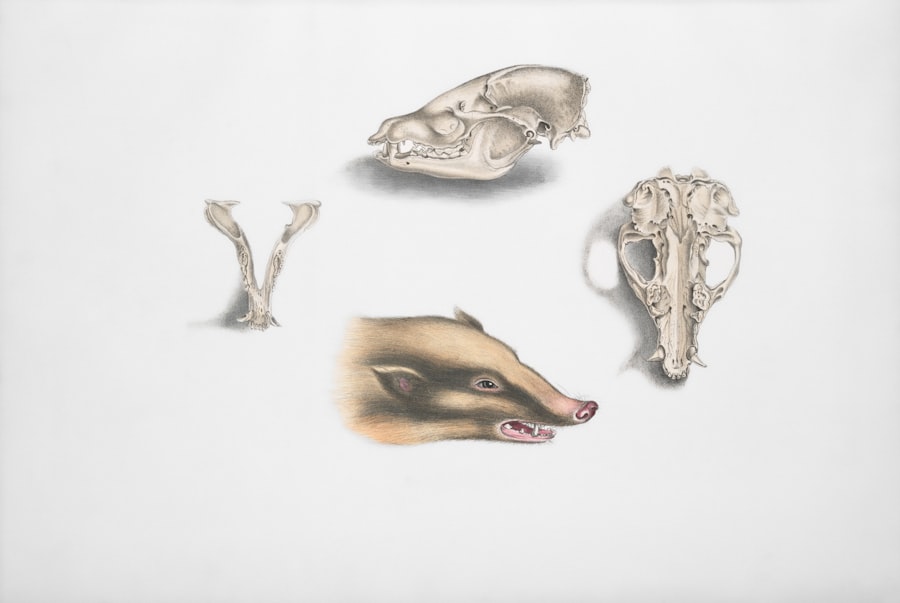
The ongoing quest to unravel the megafauna extinction relies on a multidisciplinary approach, drawing evidence from fossil records, ancient DNA, and paleoenvironmental reconstructions. Each piece of the puzzle contributes to a more comprehensive understanding of this ancient cataclysm.
Paleontological Evidence: The Fossil Record Speaks Volumes
The study of fossils remains the bedrock of megafauna extinction research. Fossils provide direct evidence of the existence, abundance, and geographical distribution of these extinct giants, as well as clues about their interactions with their environment and early humans.
Dating the Extinctions: Radiocarbon and Beyond
Radiocarbon dating has been instrumental in establishing the timing of megafauna extinctions. By dating the remains of extinct animals and associated archaeological materials, scientists can correlate extinction events with climatic shifts and human arrival. However, for older specimens beyond the reach of radiocarbon, other dating methods like luminescence and electron spin resonance are employed.
The Limits of Radiocarbon Dating: Older Than the Method Can Reach
Radiocarbon dating is effective for organic materials up to around 50,000 years old. For extinctions that occurred earlier, or for understanding species that existed for extended periods before this window, other dating techniques become crucial.
Fossil Distribution and Abundance: Mapping the Decline
The geographical distribution and abundance of megafauna fossils before and after the extinction period offer valuable insights. A declining fossil record in a particular region, coinciding with the arrival of humans, is a strong indicator of local extinction.
The North American Story: A Stark Depletion in the Late Pleistocene
The fossil record in North America is particularly compelling, showing a dramatic and widespread disappearance of megafauna species within a few thousand years after the appearance of humans. This stark depletion offers significant support to models that involve human impact.
The Genetic Revolution: Unlocking the Past Through DNA
The advent of ancient DNA (aDNA) analysis has revolutionized our understanding of extinct species. By extracting and sequencing genetic material from fossilized remains, scientists can now glean insights into population genetics, migration patterns, and even the genetic health of megafauna populations on the cusp of extinction.
Population Bottlenecks and Genetic Diversity: A Measure of Health
Analysis of aDNA can reveal if megafauna populations experienced “bottlenecks” – periods of severe reduction in size. A lack of genetic diversity within a population can indicate reduced ability to adapt to environmental changes and increased vulnerability to disease, providing critical clues about their demise.
The Effect of Reduced Gene Flow: Inbreeding and its Consequences
When populations become small and isolated, inbreeding can become a problem. This leads to a reduction in genetic diversity, which can result in decreased fitness and increased susceptibility to diseases, accelerating the path towards extinction.
Species Relationships and Evolutionary History: Putting Extinctions in Context
Genetic studies help clarify the evolutionary relationships between extinct and extant species, providing a broader context for understanding the megafauna extinction. It can help determine if the extinct species were unique lineages or closely related to modern animals, offering insights into their evolutionary trajectories.
Connecting the Dots: From Woolly Mammoths to Modern Elephants
Genetic studies have helped us understand the evolutionary lineage of mammoths and their relationship to modern elephants, illuminating the long evolutionary history of these iconic megafauna.
Paleoenvironmental Reconstruction: Recreating the Lost World
Understanding the environments in which megafauna lived and eventually disappeared is crucial. Paleoenvironmental reconstructions, using data from ice cores, sediment layers, and fossilized pollen, allow scientists to paint a picture of past climates, vegetation, and ecosystems.
Pollen Analysis: Indicators of Vegetation Change
Fossilized pollen grains preserved in sediments are invaluable indicators of past vegetation. By analyzing the types and relative abundance of pollen, scientists can reconstruct shifts from grasslands to forests, and other significant changes in plant communities that would have directly impacted megafauna diets.
The Expanding Forests of the Holocene: A Challenge for Grazers
As the Pleistocene gave way to the Holocene, pollen records often show a significant increase in tree pollen, indicating the encroachment of forests into areas that were once open grasslands. This habitat shift would have been a major challenge for grazing megafauna.
Isotope Analysis: Clues to Diet and Climate
Stable isotope analysis of fossilized teeth and bones can provide information about an animal’s diet and the isotopic composition of the water it drank, which can be linked to climate. This allows scientists to infer dietary shifts and changes in regional precipitation patterns.
Oxygen Isotopes and Past Temperatures: A Thermometer from the Past
Oxygen isotope ratios in fossilized carbonates, like those found in shells or teeth, can be used to reconstruct past temperatures and precipitation patterns, offering direct evidence of the climatic shifts that megafauna experienced.
The extinction of megafauna has long puzzled scientists, with various theories proposed to explain this phenomenon. A related article discusses the complexities of ecological changes and human impact on wildlife, providing insights that may shed light on the factors contributing to megafauna extinction. For a deeper understanding of these challenges, you can read more about it in this informative piece on shipping logistics and its implications for biodiversity.
The Never-Ending Story: Unanswered Questions and Future Directions
| Species | Time of extinction | Possible causes |
|---|---|---|
| Mammoth | 10,000 years ago | Climate change, human hunting |
| Saber-toothed cat | 10,000 years ago | Climate change, human hunting |
| Glyptodon | 10,000 years ago | Climate change, human hunting |
Despite decades of research, the mystery of megafauna extinction is far from fully unraveled. Many questions remain, and new avenues of inquiry continue to emerge, promising to shed further light on this ancient tragedy and offer valuable lessons for the future.
The Persistence of Debate: Refining the Models
The relative importance of climate change versus human impact continues to be a subject of vigorous debate and research. Future studies will likely focus on more precisely dating extinction events within specific regions and correlating them with detailed paleoenvironmental data and archaeological findings.
Regional Variations: Extinctions Were Not Uniform
It is increasingly recognized that the megafauna extinction was not a monolithic global event. Different regions experienced unique combinations of climatic and human pressures, leading to varied extinction timelines and species losses. Future research will likely delve deeper into these regional specificities.
The “Quaternary Extinction Event”: A Global Phenomenon with Local Causes
While often referred to as a single event, the Quaternary extinction event was a complex series of regional extinctions. Understanding the interplay of factors that led to these diverse outcomes remains a key challenge.
The “Lost Tribe” Hypothesis: Did Humans Arrive Earlier Than We Think?
Ongoing archaeological discoveries continuously push back the timeline of human arrival in various parts of the world. The possibility of earlier human migration into some regions could necessitate a re-evaluation of how long human populations and megafauna coexisted and interacted.
The Precautionary Principle: Lessons for Today’s Biodiversity Crisis
The study of megafauna extinction offers stark warnings about the fragility of biodiversity and the profound impact that large, slow-reproducing animals can have on ecosystems. As the world faces a modern biodiversity crisis, understanding the drivers of past extinctions is more critical than ever.
Modern Analogues: Learning from Similar Evolutionary Pressures
While direct analogues are rare, examining the pressures faced by modern large mammals, such as habitat loss, climate change, and human-wildlife conflict, can provide insights into the potential vulnerabilities of species today.
The Need for Conservation: Protecting Vulnerable Giants of Today
The lessons learned from the megafauna extinction highlight the urgent need for robust conservation efforts for large mammals facing similar threats in the 21st century. Understanding past failures can inform future successes.
The Future of Megafauna Research: Technological Advances and New Discoveries
Continued advancements in paleogenetics, isotope analysis, and remote sensing technologies will undoubtedly lead to new discoveries and a more refined understanding of megafauna extinction. The exploration of new fossil sites and the re-examination of existing collections will also yield valuable data.
The Role of Citizen Science: Engaging the Public in Discovery
Citizen science initiatives, where members of the public contribute to data collection and analysis, could play an increasingly important role in identifying new fossil sites and contributing to our understanding of megafauna.
The Enduring Allure of the Giants
The mystery of the megafauna extinction continues to fascinate because it speaks to a lost world, a period when Earth was shaped by creatures of unimaginable scale. It is a humbling reminder of the power of natural forces and the profound impact of our own species. As science continues to unravel the complexities of this ancient disappearance, the echoes of these colossal beings will continue to resonate, urging us to consider our place within the grand tapestry of life and the responsibility we bear for its future.

This Crater Was Supposed to Rewrite Human History… It Didn’t
FAQs
What is megafauna extinction?
Megafauna extinction refers to the widespread and rapid disappearance of large animals, such as mammoths, saber-toothed cats, and giant sloths, during the late Pleistocene epoch.
What caused the extinction of megafauna?
The extinction of megafauna is believed to have been caused by a combination of factors, including climate change, human hunting, and the introduction of new diseases by humans.
When did megafauna extinction occur?
The extinction of megafauna occurred during the late Pleistocene epoch, approximately 10,000 years ago.
What impact did megafauna extinction have on ecosystems?
The extinction of megafauna had significant impacts on ecosystems, including changes in vegetation, soil composition, and predator-prey dynamics.
Are there any surviving megafauna species today?
Yes, there are still surviving megafauna species today, such as elephants, rhinoceroses, and giraffes. However, many of the iconic megafauna species from the late Pleistocene epoch are now extinct.