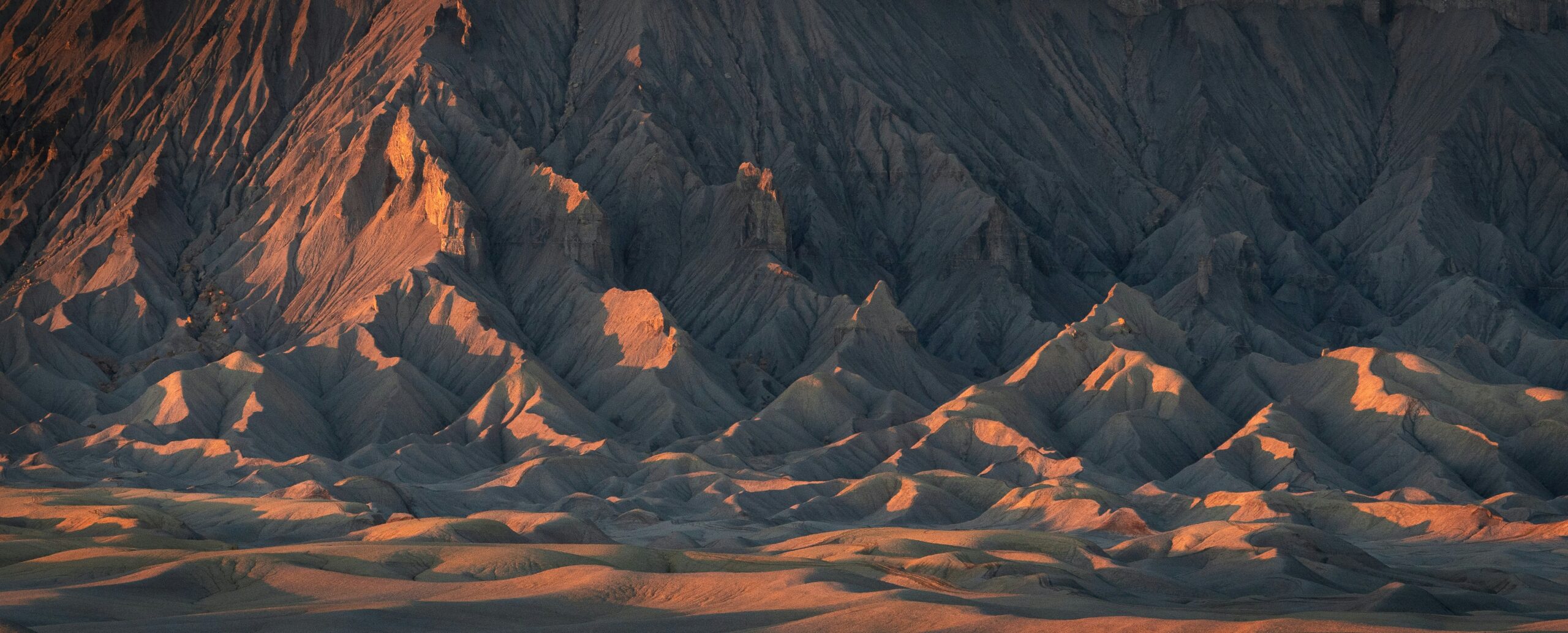
The screen flickered to life, casting a pale blue glow that promised a journey back in time, not through dusty archives or written chronicles, but through the raw, untamed landscapes revealed by dwindling glaciers and probing scientific inquiry. “Exploring the Ice Age: A Fascinating Documentary” invites viewers to step into a world sculpted by colossal sheets of ice, a realm of megafauna and dramatic climatic shifts that profoundly shaped the planet and our own evolutionary trajectory. This documentary is more than a historical survey; it is a visceral experience, a testament to the enduring power of nature and the remarkable resilience of life.
The documentary begins not with ancient history, but with the present, drawing a direct line from the glaciers that still cling to mountaintops to the vast ice sheets that once covered continents. This approach immediately grounds the viewer, emphasizing that the Ice Age is not a distant, abstract concept, but a period with tangible remnants and ongoing geological processes. The film highlights the immense forces that drove and retreated these ice masses, demonstrating their role as the primary sculptors of Earth’s surface.
The Great Continental Glaciers
- Unveiling the Scale of Ice: The initial segments vividly illustrate the sheer immensity of the ice sheets. Animated maps and breathtaking aerial footage showcase how glaciers, thousands of feet thick, once sprawled across North America, Europe, and Asia. The narrative explains how glacial advance and retreat were not uniform, but characterized by cycles of waxing and waning, each phase leaving a distinct geological signature. The documentary emphasizes that at its peak, the Ice Age was not a single event, but a series of glacial periods interspersed with warmer interglacial periods.
- The Power of Erosion and Deposition: Viewers are taken on a visual journey through the erosional power of ice. Glacial valleys, U-shaped and imposing, stand as enduring monuments to this force. Fjords, carved by glaciers into coastal landscapes, and the countless lakes scattered across formerly glaciated regions are presented as direct evidence of ice’s sculpting hand. Equally compelling is the depiction of glacial deposition, the vast plains of till and the distinctive drumlins and eskers that dot the post-Ice Age landscape. The documentary employs sophisticated CGI to visualize these processes in action, allowing viewers to witness the slow but relentless movement of ice and the landscape transformations it wrought.
- The Driving Forces: Orbital Cycles and Atmospheric Chemistry: The documentary delves into the scientific explanations behind the Ice Age. Milankovitch cycles, the subtle variations in Earth’s orbit, tilt, and wobble, are presented as the primary long-term drivers of glacial and interglacial periods. The film expertly uses clear graphics and concise explanations to illustrate how these celestial nudges influence the amount of solar radiation reaching different parts of the Earth, tipping the balance between glaciation and deglaciation. Furthermore, the role of atmospheric composition, particularly carbon dioxide and methane levels, is explored. Scientists discuss how changes in greenhouse gas concentrations, influenced by both natural factors and, in more recent interglacials, by nascent human activity, amplified or dampened the effects of orbital variations.
Evidence in the Landscape
- Moraines as Ice Age Diaries: The film takes viewers to key locations showcasing distinct glacial features. The terminal moraines, the piles of rock and debris deposited at the farthest reach of a glacier, are presented as concrete markers of past ice limits. Each moraine tells a story of a specific glacial advance, a snapshot in time frozen in stone. Field scientists featured in the documentary explain how studying the composition and layering of these moraines provides crucial data for reconstructing past ice movements and the climate conditions under which they occurred.
- Erratic Boulders: Travelers from Afar: The presence of “erratic boulders” – large rocks found far from their geological origin – is highlighted as another compelling piece of evidence. These enigmatic travelers, transported by glaciers over hundreds or even thousands of miles, serve as irrefutable proof of ice’s ability to move immense geological masses. The documentary follows geologists as they trace the origins of these erratics, linking them back to their parent bedrock and thereby mapping out ancient glacial flow paths, offering a tangible connection to the Ice Age past.
- Glacial Lakes: Witnesses to Meltwater: The formation of countless lakes, from the vast Great Lakes of North America to the smaller tarns nestled in mountains, is attributed to the meltwater left behind by retreating glaciers. The film explores how these lakes acted as nurseries for new ecosystems and provided vital water sources for early human and animal populations. The stratification found within lakebed sediments, with its distinct layers of organic matter and mineral deposits, also serves as a detailed archive of past environmental conditions, allowing scientists to reconstruct long-term climatic trends.
The Ice Age documentary provides a fascinating glimpse into the climatic changes and the evolution of species during one of Earth’s most significant periods. For those interested in understanding how historical events shape our present and future, a related article on international cooperation in preventing a space arms race can be found at this link. This article explores the importance of collaboration among nations to address global challenges, much like how species adapted and survived through cooperation during the Ice Age.
The Reign of Giants: Megafauna of the Ice Age
Once the awe-inspiring, yet seemingly barren, icy landscapes are established, the documentary pivots to the life that thrived within them. This section is a spectacular display of scientific reconstruction, bringing to life the colossal mammals that roamed the Earth during the Pleistocene epoch. The film masterfully blends cutting-edge CGI with fossil evidence to create a vivid and unforgettable portrayal of Ice Age wildlife.
Iconic Ice Age Mammals
- The Woolly Mammoth: An Icon Reimagined: The woolly mammoth takes center stage, and rightly so. The documentary presents the latest scientific understanding of these magnificent creatures, from their thick, insulating fur and short tusks to their evolutionary adaptations for extreme cold. Detailed animations show their daily lives, their grazing habits on the treeless plains, and their social structures. The film discusses ongoing research into mammoth genetics, including the ambitious attempts to resurrect them, raising fascinating questions about de-extinction and our relationship with the natural world.
- Saber-Toothed Cats and Their Prey: The fearsome saber-toothed cat, perhaps Smilodon, is depicted with visceral impact. The documentary explores the adaptations that made these predators so effective, from their elongated canines to their powerful physiques. Their interactions with their prey, including early horses and ground sloths, are brought to life through dynamic CGI sequences, offering a glimpse into the brutal realities of the Ice Age food chain. The challenges these predators faced in hunting large, well-defended herbivores are meticulously detailed.
- Other Majestic Beasts: Beyond the most famous, the film introduces a menagerie of other Ice Age marvels. The gigantic short-faced bear, the woolly rhinoceros, the Irish elk with its colossal antlers, and the giant ground sloth are all presented with a fascination that underscores the unique biodiversity of this era. Each creature is explained in terms of its ecological niche, its adaptations to the cold climates, and its eventual fate. The documentary poses the question of why so many of these large animals went extinct, a mystery that fuels much of the scientific inquiry presented.
Survival Strategies in a Frozen World
- Adaptations for Extreme Cold: The documentary meticulously details the physiological and behavioral adaptations that allowed these animals to survive in harsh, frigid environments. Thick fur, specialized circulatory systems to conserve heat, and efficient metabolisms are discussed as key evolutionary traits. The film also explores their migratory patterns, following vast herds as they traversed the icy plains in search of food and shelter. The strategies for enduring long, dark winters are a central theme.
- The Role of Vegetation: The documentary emphasizes that the Ice Age was not a perpetually barren wasteland. Extensive tundra steppes and boreal forests, though different from today’s ecosystems, supported these massive herbivores. Scientists discuss the composition of these ancient grasslands and how they provided enough sustenance for such large populations. The role of these herbivores in shaping the vegetation through grazing is also explored, creating a feedback loop between flora and fauna.
Humanity’s Ice Age Journey
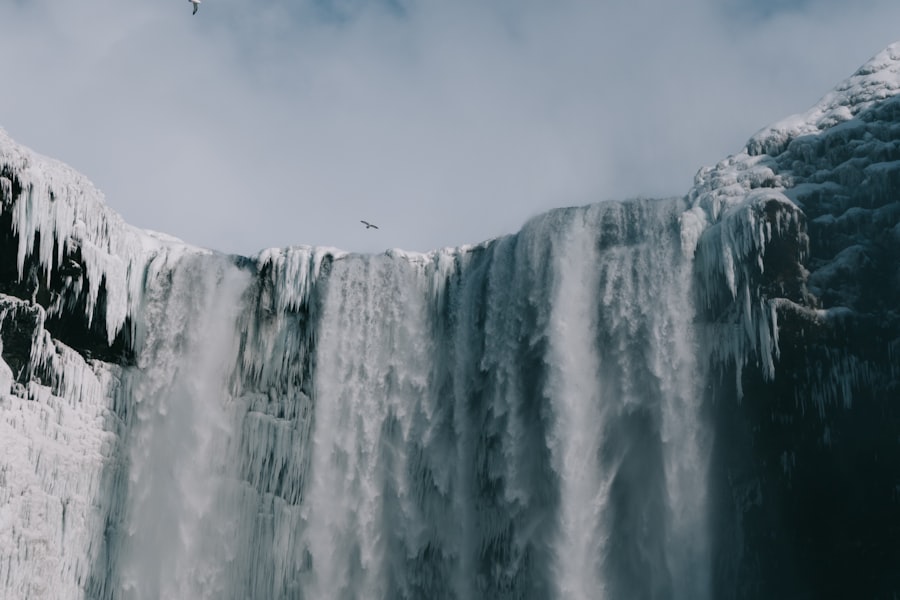
Perhaps the most compelling aspect of the documentary “Exploring the Ice Age” is its focus on the emergence and adaptation of Homo sapiens during this challenging epoch. It is a story of ingenuity, resilience, and the nascent beginnings of human civilization. The film charts the migration of early humans out of Africa and across the globe, charting their encounters with diverse Ice Age environments and their innovative solutions to survival.
Early Human Migrations and Settlements
- Out of Africa and Across Continents: The documentary traces the incredible journeys of early humans. Using genetic evidence and fossil discoveries, it illustrates how our ancestors spread from Africa, populating Asia, Europe, and eventually the Americas and Australia. The film highlights the immense geographical barriers and climatic challenges that these migrations entailed, emphasizing the remarkable tenacity of early hominins. The understanding of these migrations has been revolutionized by recent discoveries, and the documentary incorporates these latest findings.
- Adapting to Diverse Ice Age Environments: From the frozen north to the more temperate southern refugia, early humans encountered a startling array of Ice Age environments. The documentary showcases how different populations developed unique strategies for survival based on their local resources. Whether it was the hunting techniques in the Arctic or the foraging strategies in more diverse landscapes, the film emphasizes the adaptability of our species. The diversity of human cultural responses to similar environmental pressures is a recurring theme.
- The First Shelters and Settlements: Evidence of early human settlements, from cave dwellings to more sophisticated open-air structures, is presented. The documentary explores how these early shelters provided protection from the elements and predators, and how they served as centers for social life and resource management. The discovery of ancient hearths and tools offers tangible insights into the daily lives of these early inhabitants. The development of communal living and the establishment of more permanent or semi-permanent settlements are key milestones.
Innovation and Survival
- The Dawn of Toolmaking: The evolution of stone tools is a central focus, showcasing the increasing sophistication of human technology. From simple choppers and hand axes to the finely crafted blades and spear points of the Upper Paleolithic, the documentary illustrates how toolmaking was crucial for hunting, gathering, and processing resources. The film features demonstrations by modern-day flintknappers, providing a visceral understanding of the skill and effort involved.
- Mastering Fire: The control of fire is presented as a pivotal moment in human history. The documentary explains how fire provided warmth, light, protection from predators, and a means of cooking food, making otherwise indigestible items nourishing. The archaeological evidence for early hearths is discussed, and scientists explore the impact of fire on human evolution, diet, and social behavior. The transformative power of this discovery cannot be overstated.
- The Emergence of Art and Spirituality: The “art of the Ice Age” is a breathtaking revelation. The documentary showcases the stunning cave paintings of Lascaux, Chauvet, and Altamira, depicting animals with remarkable realism and artistic flair. The film explores the potential meanings and purposes behind these ancient artworks, from shamanistic rituals to mnemonic devices for hunting and storytelling. The emergence of abstract symbols and potential early forms of spirituality further highlights the complex cognitive abilities of Ice Age humans.
The End of the Ice Age and its Legacy

The documentary moves towards its conclusion by exploring the dramatic transition from the glacial epoch to the warmer Holocene, the period in which we currently live. This shift was not a gentle warming but a rapid and profound environmental transformation that had far-reaching consequences for both the natural world and human civilization.
The Great Thaw and Its Ramifications
- Rapid Climate Change: The film illustrates the accelerating rate of warming as the last great glaciers began to retreat. This period of rapid climate change led to significant shifts in vegetation, sea levels, and global weather patterns. The documentary uses paleoclimate data, such as ice cores and sediment records, to reconstruct the speed and magnitude of this transition, demonstrating that it was not a slow, gradual process but a series of dramatic shifts.
- Sea Level Rise and Landscape Transformation: The melting of ice sheets caused a dramatic rise in sea levels, redrawing coastlines and inundating vast areas of land. This transformation created new coastlines, altered river systems, and had a profound impact on the distribution of habitats and resources. The documentary shows how these changes reshaped the world, creating many of the geographical features we recognize today. The formation of new islands and the submersion of earlier human settlements are discussed.
- The Extinction Event: The end of the Ice Age coincided with a mass extinction of many of the megafauna that had characterized the Pleistocene. The documentary explores the contributing factors, including climate change, habitat loss, and human hunting pressure. The debate among scientists regarding the primary drivers of these extinctions is presented, offering a nuanced understanding of this complex ecological event. The loss of so many large animals fundamentally altered the ecosystems they inhabited.
The Dawn of Agriculture and Modernity
- New Opportunities in a Warmer World: The post-Ice Age landscape offered new opportunities for human development. The retreat of glaciers opened up new areas for settlement and agriculture, and the warming climate made plant cultivation more feasible. The documentary traces the transition from hunting and gathering to the development of settled farming communities. This shift represented a fundamental alteration in human lifestyle and societal organization.
- The Foundation of Civilization: The advent of agriculture laid the groundwork for the rise of civilization. Increased food security led to population growth, the development of surplus resources, and the emergence of specialized labor. The documentary connects the dots between the challenges and innovations of the Ice Age and the subsequent development of complex societies, cities, and the foundations of modern civilization. The technological and social innovations that arose in this period are discussed.
- Lessons from the Past: The documentary concludes by emphasizing the enduring relevance of understanding the Ice Age. By studying past climate change events and human adaptations, we gain invaluable insights into our planet’s vulnerability and our own species’ capacity for resilience. The film suggests that the lessons learned from the Ice Age can inform our approaches to contemporary environmental challenges, from climate change to biodiversity loss. The cyclical nature of Earth’s climate and the ability of life to adapt are powerful takeaways.
The Ice Age documentary provides a fascinating glimpse into the prehistoric world, showcasing the incredible adaptations of animals and the dramatic changes in climate. For those interested in the mysteries of ancient civilizations and their monumental achievements, a related article explores the enigmatic Baalbek stone blocks, which have puzzled historians and archaeologists alike. You can read more about this intriguing topic in the article titled Unraveling the Baalbek Stone Block Mystery, which delves into the construction techniques and the significance of these massive structures.
Revisiting the Ice Age: The Science Behind the Story
| Metrics | Data |
|---|---|
| Release Date | 2002 |
| Director | Chris Wedge, Carlos Saldanha |
| Box Office | 206.4 million |
| Runtime | 81 minutes |
| IMDb Rating | 7.5/10 |
The segment dedicated to the scientific methods employed in understanding the Ice Age serves as an illuminating postscript, demystifying the processes by which scientists reconstruct such ancient history. Viewers are given a behind-the-scenes look at the dedication and ingenuity required to piece together the puzzle of Earth’s frozen past.
Tools of Discovery
- Ice Cores: Frozen Archives of Climate: The documentary highlights the crucial role of ice cores. Scientists explain how they drill deep into glaciers and ice sheets, extracting cylindrical samples of ancient ice. Each layer of ice contains trapped air bubbles and dust particles that act as a direct record of atmospheric composition, temperature, and even volcanic activity from millennia past. The visual of scientists carefully extracting and analyzing these precious samples is both fascinating and awe-inspiring, showcasing the painstaking nature of paleoclimate research.
- Sediment Cores: Layers of Time on Land and Sea: Similar to ice cores, sediment cores from the ocean floor and lakebeds provide invaluable chronological data. The documentary shows how researchers analyze the fossilized remains of marine microorganisms, pollen grains, and rock fragments found in these cores to reconstruct past ocean temperatures, vegetation cover, and environmental conditions. The intricate patterns within these stratified layers are likened to a vast, undisturbed library of Earth’s history.
- Radiocarbon Dating: Unraveling Chronology: The film explains the principles of radiocarbon dating, a cornerstone technique for determining the age of organic materials. Scientists describe how they measure the decay of radioactive isotopes to establish the timelines of fossils, artifacts, and ancient plant and animal remains. This method, the documentary emphasizes, is crucial for anchoring the vast narrative of the Ice Age in a concrete chronological framework, allowing for the correlation of events across different geographical locations.
Interpreting the Evidence
- Paleontology: The Bones of the Past: The documentary revisits the fossil record, but with a renewed emphasis on the scientific interpretation of bones and teeth. Vertebrate paleontologists featured in the film discuss how they analyze the morphology of Ice Age fauna to understand their diet, locomotion, and evolutionary relationships. The study of wear patterns on teeth, the robustness of limb bones, and the presence of specialized anatomical features all contribute to a detailed understanding of these extinct creatures.
- Archaeology: Unearthing Human Histories: Archaeology takes center stage as the documentary explores how researchers meticulously excavate and analyze ancient human sites. The careful documentation of artifact distribution, the study of toolkits, and the analysis of faunal remains found at human settlements provide a rich tapestry of information about early human behavior, subsistence strategies, and social organization. The documentary showcases the interdisciplinary nature of this work, often linking archaeological findings with paleoclimatic data.
- Paleobotany and Palynology: Reconstructing Ancient Ecosystems: The study of fossilized plant remains (paleobotany) and pollen (palynology) is presented as essential for understanding the vegetation and environments of the Ice Age. Scientists explain how they identify ancient seeds, spores, and pollen grains to reconstruct the types of plants that grew in different regions and how these ecosystems changed over time. This data is crucial for understanding the food sources available to both animals and early humans.
The Evolving Scientific Landscape
- Advancements in Genetics and Genomics: The documentary touches upon the revolutionary impact of genetic and genomic research on Ice Age studies. The extraction and analysis of ancient DNA from fossils are opening up new avenues for understanding species evolution, population movements, and even the potential for de-extinction. This technology is allowing scientists to ask questions that were previously unanswerable, providing unprecedented insights into the biological history of the planet.
- Climate Modeling: Simulating Past Worlds: The film briefly explains how sophisticated computer models are used to simulate Ice Age climate conditions. By inputting data on orbital variations, atmospheric composition, and land surface characteristics, scientists can generate models that reproduce the glacial and interglacial cycles. These simulations help researchers test hypotheses, refine their understanding of climatic mechanisms, and predict potential future climate scenarios.
- Interdisciplinary Collaboration: A recurring theme throughout this segment is the vital importance of interdisciplinary collaboration. The documentary underscores that a comprehensive understanding of the Ice Age requires the combined expertise of geologists, paleontologists, archaeologists, climatologists, geneticists, and many other specialists. The integration of knowledge from these diverse fields is what allows for the robust and multifaceted narratives presented in the film.
“Exploring the Ice Age: A Fascinating Documentary” is a triumph of scientific communication. It transforms complex scientific theories and vast amounts of data into an engaging and accessible narrative. The film doesn’t just present facts; it inspires a sense of wonder and curiosity about our planet’s deep past. It reminds us that we are part of a long and epic story, shaped by colossal forces and the enduring spirit of life itself. The journey through glacial landscapes, alongside magnificent extinct creatures and our resilient ancestors, leaves the viewer with a profound appreciation for the dramatic history of Earth and our place within it. The documentary is a compelling invitation to continue exploring, questioning, and marveling at the frozen epoch that continues to shape our world.

This Crater Was Supposed to Rewrite Human History… It Didn’t
FAQs
What is the Ice Age documentary about?
The Ice Age documentary explores the geological and environmental changes that occurred during the last Ice Age, including the impact on flora, fauna, and human civilization.
Who produced the Ice Age documentary?
The Ice Age documentary was produced by [Production Company], and it features contributions from leading scientists and researchers in the field of paleoclimatology and paleontology.
What time period does the Ice Age documentary cover?
The Ice Age documentary covers the period known as the Last Glacial Maximum, which occurred approximately 20,000 years ago and lasted until around 10,000 years ago.
Where can I watch the Ice Age documentary?
The Ice Age documentary is available for streaming on [Streaming Platform] and may also be available for purchase or rental on various digital platforms.
What are some of the key topics discussed in the Ice Age documentary?
The Ice Age documentary delves into topics such as the formation of ice sheets, the migration of early humans, the extinction of megafauna, and the impact of climate change on the planet.