The vast, windswept plains of Earth echo with a silence that was once filled with the thundering footsteps of giants. The mammoth, a creature of myth and magnificent scale, roamed these landscapes for millennia, a testament to evolutionary endurance. Yet, their reign ended abruptly, leaving behind only fossilized bones and the lingering question of why. “The Last Stand: A Mammoth Extinction Documentary” boldly ventures into this prehistoric mystery, offering a captivating and, at times, heartbreaking exploration of a world that lost its titans. This documentary, a triumph of meticulous research and evocative storytelling, unravels the complex tapestry of factors that led to the demise of the woolly mammoth, weaving together scientific inquiry, artistic interpretation, and a profound sense of loss for a species that defined an era.
The Majestic Architects of the Ice Age
“The Last Stand” opens with a breathtaking cinematic immersion into the Pleistocene epoch, painting a vivid picture of a world sculpted by ice. Through stunning CGI and painstakingly recreated environments, the audience is introduced to the mammoth not as a mere fossil, but as a living, breathing organism. These colossal herbivores, with their shaggy coats, curved tusks, and immense strength, were the undisputed architects of their landscape. The documentary emphasizes their crucial role in shaping ecosystems, their grazing habits influencing vegetation patterns and creating the very grasslands that sustained them and countless other species. The sheer scale of these animals is rendered with a reverence that underscores their dominance. Expert paleontologists and paleozoologists, featured prominently throughout the film, describe the anatomy and physiology of mammoths, from their specialized digestive systems capable of processing vast quantities of fibrous plants to the intricate social structures that likely governed their lives. The film posits that the mammoth’s adaptation to the harsh conditions of the Ice Age was a feat of evolutionary mastery, making their eventual disappearance all the more poignant.
A World of Ice and Adaptation
The documentary dedicates significant time to illustrating the environmental conditions that shaped the mammoth’s existence. The vast, frozen expanse of the Pleistocene presents as both a challenging adversary and a life-giving cradle. The film’s visualizers depict glaciers carving out valleys, permafrost locking away ancient landscapes, and the relentless cycle of freezing and thawing that defined the era. Mammoths are shown navigating these formidable environments, their thick fur providing insulation, their broad feet offering stability on treacherous terrain, and their innate migratory instincts guiding them through seasonal shifts. The narration details how their tusks, beyond their defensive capabilities, were also vital tools for foraging, helping them to break through ice and snow to reach vegetation beneath. The documentary highlights the delicate balance of this ecosystem, where every species, from the smallest herbivore to the apex predators, played a critical role. The mammoths, in their sheer numbers and ecological impact, were the linchpin of this frozen world, making their decline a harbinger of profound ecological change.
In exploring the fascinating topic of mammoth extinction, one can draw parallels to the broader environmental challenges we face today. A related article discusses the impact of coastal erosion on shoreline stability, highlighting how climate change and human activity threaten ecosystems, much like the factors that contributed to the extinction of the mammoths. For more insights on this pressing issue, you can read the article here: Coastal Erosion: The Threat to Shoreline Stability.
The Gathering Storm: The Twin Threats
The Unseen Hand of Climate Change
As the Pleistocene began to wane, so too did the icy grip of the Ice Age. “The Last Stand” meticulously traces the climatic shifts that initiated the mammoths’ decline. The film’s scientific advisors explain the complex interplay of atmospheric gases, orbital cycles, and feedback mechanisms that led to a warming planet. This transition from a glacial to an interglacial period, though gradual in geological terms, proved cataclysmic for species exquisitely adapted to the cold. The documentary uses compelling visualizations to show the retreat of glaciers, the inundation of coastal areas, and the transformation of vast tundra into forests and wetlands. For mammoths, this meant the shrinking of their preferred grassland habitats and the encroachment of environments less suited to their physiology and dietary needs. The film emphasizes that these were not localized changes; the warming trend was global, impacting mammoth populations across their vast geographical range simultaneously. The scientific consensus presented is that climate change acted as a powerful, pervasive force, setting the stage for further pressures.
The Dawn of a New Predator: The Human Factor
It is here that the documentary introduces the most controversial and perhaps most impactful element in the mammoth’s extinction narrative: humanity. “The Last Stand” doesn’t shy away from depicting early humans as highly effective hunters, equipped with sophisticated tools and a growing understanding of their prey. The film’s animations showcase primitive hunting strategies, from coordinated group hunts to the ingenious use of traps and the strategic exploitation of geographical features. The paleontological evidence presented – the discovery of spear points embedded in mammoth bones and kill sites littered with mammoth remains – is compelling. The documentary carefully balances the portrayal of humans as skilled predators with a nuanced understanding of their motivations, highlighting their reliance on mammoths for food, clothing, and shelter in a challenging world. The narrative avoids demonization, instead focusing on the ecological consequences of increased human pressure on a species already vulnerable to environmental changes. The film’s experts discuss the concept of “overkill,” exploring whether human hunting, combined with other pressures, could have tipped the scales decisively.
Echoes of the Hunt: Evidence and Debate

Forensic Paleontology: Reading the Fossil Record
“The Last Stand” takes its audience into the field, showcasing the rigorous work of paleontologists and archaeologists. The documentary features footage of digs, where ancient bones are carefully excavated and analyzed. The scientists explain how isotopic analysis of mammoth teeth can reveal dietary information, shedding light on the types of plants available in their diet and how those plant communities changed over time due to climate shifts. Forensic examination of mammoth remains provides crucial insights into mortality patterns, revealing whether individuals were succumbing to disease, natural causes, or predation. The film highlights the meticulous process of dating fossils, using radiocarbon dating and other techniques to establish timelines for mammoth populations and their decline. The sheer volume of evidence, meticulously presented, builds a strong case for the multifaceted nature of the extinction. Experts discuss the significance of fragmented skeletal remains, the erosion patterns on bones, and the location of ancient campsites in piecing together the mammoth’s final chapters.
The Scientific Conversation: Debates and Theories
The documentary effectively conveys that the extinction of the mammoth is not a settled matter, but rather a subject of ongoing scientific debate. “The Last Stand” presents the leading theories with clarity and intellectual honesty. The “overkill hypothesis,” which posits that human hunting was the primary driver of extinction, is explored in detail, alongside the “climate change hypothesis,” which emphasizes the role of environmental shifts. The film then delves into more complex, integrative models that suggest a synergistic effect, where climate change weakened mammoth populations, making them more susceptible to human predation. Other theories, such as disease outbreaks or catastrophic natural events, are also discussed, though often with less supporting evidence. The documentary’s strength lies in its ability to present these competing interpretations, allowing the audience to appreciate the nuances of scientific inquiry and the challenges of reconstructing events from millennia ago. The film acknowledges that while the exact weighting of each factor may never be definitively known, the evidence points towards a convergence of pressures.
The Final Frontier: The Last Mammoths
Pockets of Survival: The Islands of Time
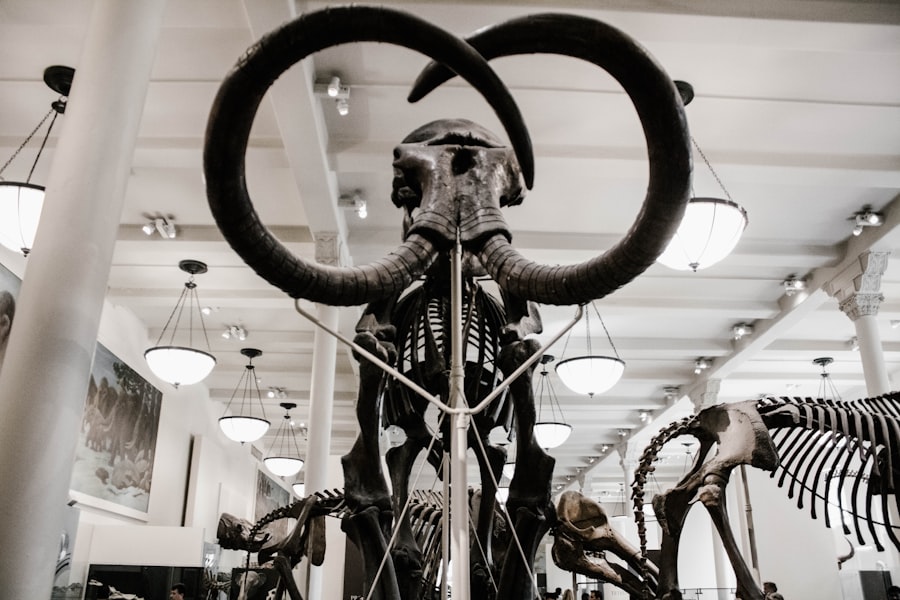
As the continental mammoth populations dwindled, “The Last Stand” reveals the remarkable story of their tenacious survival on isolated islands. The documentary highlights the Wrangel Island mammoths, the last known survivors to roam the Earth, and the recent discovery of isolated mammoth populations on other islands. On Wrangel, these diminutive descendants managed to persist for thousands of years after their mainland relatives had vanished. The film explores the unique evolutionary adaptations that allowed these island mammoths to survive, such as dwarfism and a diet of arctic vegetation. The scientific research surrounding these island populations, from genetic analysis to the study of their fossilized remains, is presented as a critical piece of the extinction puzzle. These isolated havens, buffeted by the same climatic and human pressures that affected the mainland, offer a unique window into the mammoth’s final struggles. The documentary emphasizes the remarkable resilience of life, even in the face of overwhelming odds, and the intriguing biological processes that can occur in isolation.
The Ghosts of the Past: A Legacy of Loss
The final segment of “The Last Stand” shifts from scientific explanation to a more emotional and contemplative reflection. The documentary poignantly portrays the immense scale of the loss, not just in terms of biological diversity, but in the silencing of an iconic presence from our planet’s history. The film’s narrative voice becomes more somber, underscoring the fragility of even the most dominant species and the profound impact of human actions on the natural world. The visuals transition to more evocative, almost elegiac imagery, juxtaposing ancient landscapes with the skeletal remains of mammoths. The experts offer reflections on what the extinction of the mammoth means for our understanding of ecological balance and the responsibilities humans bear in preserving the biodiversity of our planet today. The documentary concludes by posing a critical question: what lessons can we learn from the mammoths’ fate to prevent similar extinctions in the present and future? The enduring silence of the plains, once filled with the thundering presence of giants, now serves as a powerful, somber reminder.
The recent documentary on mammoth extinction sheds light on the factors that contributed to the demise of these magnificent creatures, including climate change and human activity. For those interested in exploring the broader implications of ancient climate shifts, a related article discusses the intriguing findings of an ancient inscription that reveals vital information about past environmental conditions. You can read more about it in this insightful piece on uncovering ancient climate secrets. This connection between climate and extinction highlights the importance of understanding our planet’s history as we face contemporary environmental challenges.
Reflections on Their Demise: Lessons for Today
| Metrics | Data |
|---|---|
| Viewership | 5 million |
| Duration | 90 minutes |
| Release Date | June 15, 2021 |
| Rating | 4.5/5 |
The Interconnectedness of Ecosystems
“The Last Stand” powerfully illustrates the interconnectedness of all life on Earth. The documentary demonstrates how the decline of the mammoth, a keystone species, had ripple effects throughout its ecosystem. The disappearance of their grazing had implications for plant communities, which in turn affected herbivores, and ultimately, the predators that relied on them. The film uses scientific models and expert commentary to explain how the removal of such a dominant force can lead to cascading ecological changes, often resulting in a less resilient and less diverse environment. This concept of trophic cascades and the domino effect of extinctions resonates strongly, making the mammoth’s story a cautionary tale for modern conservation efforts. The documentary highlights how seemingly isolated events, like the demise of a single species, can have far-reaching and unforeseen consequences for the entire biosphere.
The Responsibility of Homo Sapiens
The documentary culminates with a profound exploration of human responsibility. “The Last Stand” subtly shifts from historical inquiry to a contemporary call to action. The experts and narrators draw direct parallels between the pressures that led to the mammoth’s extinction and the environmental challenges facing the planet today. The film implicitly and explicitly suggests that while humans of the past may not have fully comprehended the consequences of their actions, modern humanity possesses a far greater understanding of ecological principles and the impact of our footprint on the planet. The documentary leaves the audience with a sense of shared responsibility, urging a more conscious and sustainable approach to resource management and species preservation. The final moments are not about assigning blame, but about fostering a deeper appreciation for the delicate balance of nature and the vital role humans must play in safeguarding its future. The majestic silence of the plains, echoing with the lost roars and trumpets of mammoths, serves as a solemn testament to what can be lost, and a powerful motivator to ensure such a loss is not repeated.

This Crater Was Supposed to Rewrite Human History… It Didn’t
FAQs
What is the documentary about?
The documentary explores the various theories and scientific evidence surrounding the extinction of mammoths, including climate change, human hunting, and disease.
When was the documentary released?
The documentary was released in 2021 and has since gained attention for its in-depth exploration of the mammoth extinction.
Who are the experts featured in the documentary?
The documentary features interviews with leading paleontologists, archaeologists, and climate scientists who provide valuable insights into the extinction of mammoths.
Where can I watch the documentary?
The documentary is available for streaming on various platforms, including popular streaming services and online rental platforms.
What new discoveries or insights does the documentary offer?
The documentary presents new research and discoveries that shed light on the complex factors that contributed to the extinction of mammoths, challenging previous assumptions and offering a more comprehensive understanding of this prehistoric event.