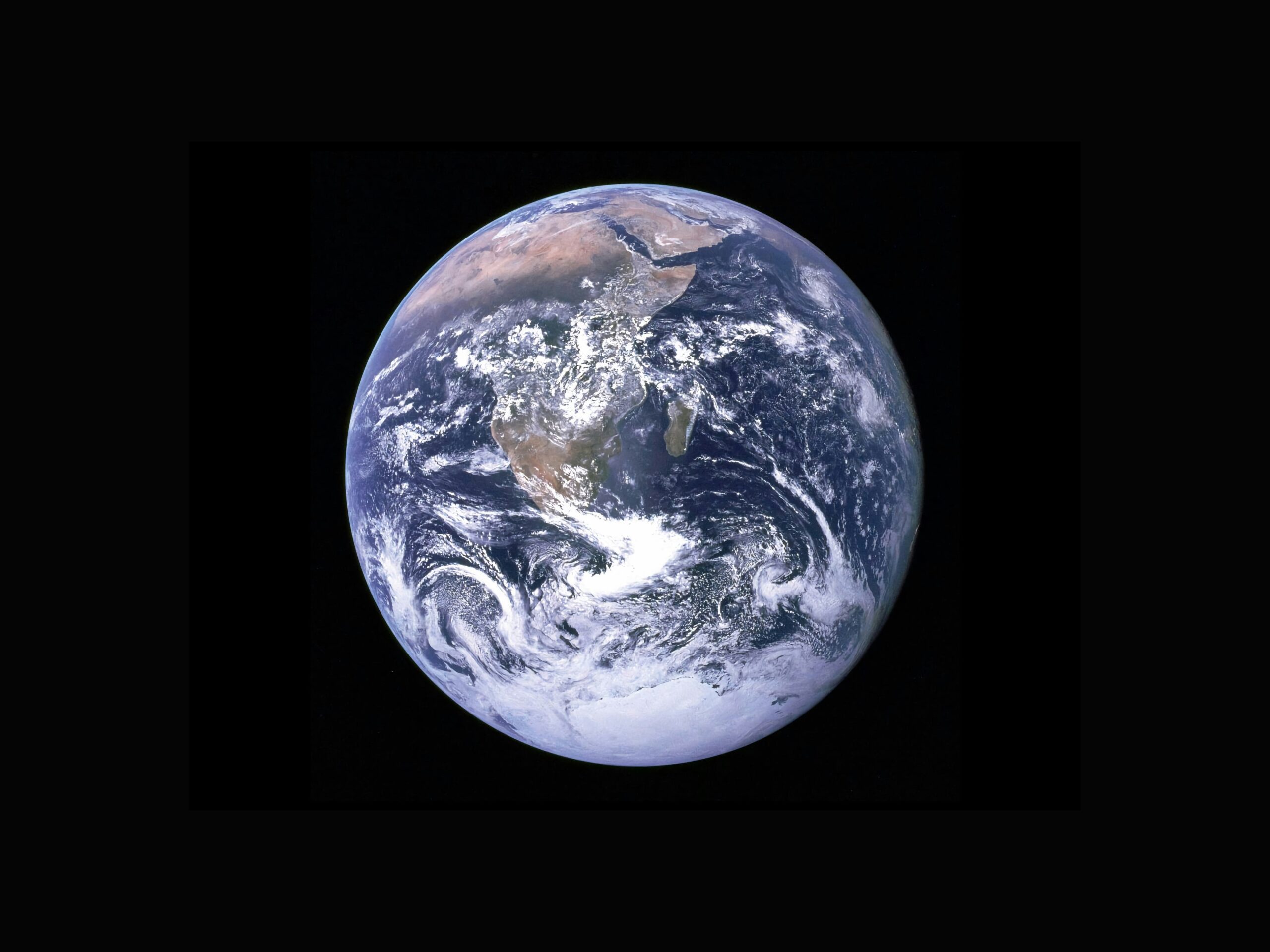
The vast expanse of Earth, its intricate ecosystems, and the awe-inspiring processes that shape it have captivated human curiosity for millennia. While direct exploration offers an unparalleled sense of discovery, the accessibility and depth provided by documentary filmmaking allow anyone with a screen to embark on extraordinary journeys. These visual narratives, often accompanied by expert narration and stunning cinematography, offer a profound understanding of our planet’s most remarkable phenomena. For the budding scientist, the armchair explorer, or simply the curious mind, a curated selection of science documentaries can unlock a universe of knowledge. This exploration into must-see science documentaries on Earth serves as a guide, highlighting films that not only educate but also inspire a deeper appreciation for our dynamic home.
The oceans, covering over 70% of our planet, remain one of the least explored frontiers. Their immense pressure, darkness, and sheer scale present formidable challenges to human access, yet they teem with life forms both bizarre and beautiful. Documentaries exploring our oceans offer a window into this submerged world, revealing ecosystems that function on principles vastly different from our terrestrial experience. These films often delve into the incredible adaptations of marine creatures, the ecological importance of oceanic currents, and the pressing threats facing these vital environments. The sheer diversity of life discovered, from the microscopic plankton that form the base of the food web to the colossal whales that traverse vast distances, is a testament to the ocean’s enduring power and mystery.
The Majesty of Whales: Giants of the Deep
Few documentaries have captured the awe-inspiring presence of whales quite like those that dedicate themselves to these magnificent marine mammals. Films exploring whale migration, their complex social structures, and their vital role in the ocean’s ecosystem offer a profound connection to these intelligent beings. Viewers are taken on journeys alongside pods of humpbacks as they breach, their immense bodies momentarily defying gravity, or witness the haunting songs of blue whales, the largest animals to have ever lived. These narratives often highlight the challenges faced by whales, from entanglement in fishing gear to the impacts of ocean noise pollution, fostering a sense of urgency for their conservation. The sheer scale of these creatures, coupled with their gentle nature and intricate communication, leaves an indelible impression.
Documentaries to Dive Into:
- “My Octopus Teacher” (2020): While focusing on a specific relationship, this Oscar-winning documentary offers an intimate glimpse into the intelligence and emotional capacity of an octopus, a creature that inhabits the ocean’s depths. It beautifully illustrates the complex interactions that can occur between humans and marine life, highlighting the wonders of the underwater world.
- “Blue Planet II” (2017): The iconic BBC series, with its breathtaking cinematography and David Attenborough’s masterful narration, provides an unparalleled survey of the world’s oceans. Specific episodes dedicated to the deep sea, coral reefs, and the Arctic and Antarctic oceans showcase an incredible array of marine life, from the bioluminescent creatures of the abyss to the playful penguins of the polar regions. The series also masterfully addresses the impact of human activity on these fragile environments.
- “Ocean Odyssey” (2017): This documentary, often featuring collaborations between renowned filmmakers and marine biologists, probes the latest scientific discoveries about oceanography and marine biology. It can explore topics like the impact of climate change on coral bleaching, the fascinating hunting techniques of orcas, and the largely unknown life forms inhabiting the deepest trenches.
Coral Reefs: Vibrant Cities Beneath the Waves
Coral reefs, often referred to as the “rainforests of the sea,” are among the most biodiverse ecosystems on Earth. These intricate underwater cities, built by tiny organisms over thousands of years, support an astonishing array of plant and animal life. Documentaries focusing on coral reefs often showcase the symbiotic relationships between corals and the fish, invertebrates, and other creatures they shelter. The vibrant colors and intricate structures of these reefs are a visual feast, but these films also serve as sobering reminders of their fragility. The devastating impact of climate change, manifested as coral bleaching events, is a recurring theme, underscoring the urgent need for conservation efforts.
Stories from the Reef:
- “Chasing Coral” (2017): This visually stunning and emotionally resonant documentary follows a team of divers, filmmakers, and scientists as they document the alarming disappearance of coral reefs around the world. It provides a powerful and urgent call to action, showcasing the beauty of these ecosystems and the dire threat they face.
- “Coral Reefs: Nature’s Underwater Cities” (various nature series): Many nature documentary series, such as those from National Geographic and the Smithsonian Channel, have dedicated episodes or entire segments to exploring the intricacies of coral reef ecosystems. These often delve into the fascinating biology of coral polyps, the diverse species that call the reef home, and the complex food webs that sustain them.
The Polar Realms: Frozen Worlds Abound
The Earth’s polar regions, the Arctic and Antarctic, represent some of the most extreme yet vital environments on the planet. These frozen landscapes, sculpted by ice and snow, are home to a unique array of wildlife adapted to the harsh conditions. Documentaries focusing on these regions offer a stark beauty, showcasing the resilience of life in sub-zero temperatures. They often highlight the intricate relationships between predators and prey, the remarkable migrations of animals like penguins and polar bears, and the profound impact of climate change on these delicate ecosystems. The thawing of glaciers and the shrinking of sea ice are visually compelling narratives that underscore the global implications of warming temperatures.
Cold Journeys:
- “Antarctica” (1999): While older, this IMAX film remains a visually arresting exploration of the Antarctic continent, capturing its vastness, its scientific research stations, and the iconic wildlife like penguins and seals. It offers a sense of the immense scale and pristine beauty of this remote region.
- “The Polar Bears of Churchill” (various nature documentaries): Numerous documentaries have focused on the plight of polar bears in their Arctic habitat, particularly in Churchill, Canada. These films often explore their hunting strategies, their social behavior, and the severe challenges they face as their sea ice hunting grounds diminish due to climate change.
If you’re interested in exploring the fascinating intersection of climate science and history, you might find the article on uncovering ancient climate inscriptions particularly enlightening. This piece delves into how ancient civilizations recorded climate patterns and how these inscriptions can provide valuable insights into our current climate challenges. For more information, you can read the article here: Uncovering the Secret Inscription of Ancient Climate.
Land of Giants: Exploring Earth’s Diverse Terrains
Beyond the oceans, Earth’s landmasses present an equally captivating tapestry of landscapes and inhabitants. From towering mountain ranges to vast deserts, from lush rainforests to sprawling grasslands, each biome hosts a unique set of evolutionary adaptations and ecological interactions. Documentaries that explore these terrestrial environments offer a profound appreciation for the planet’s geological history, the forces that shape its surface, and the incredible biodiversity that thrives in its varied climates. These narratives often weave together stories of evolution, migration, and the intricate balance of nature, highlighting both the resilience and vulnerability of these ecosystems.
The Frozen North: Life in the Arctic Wilderness
The Arctic, a vast expanse of frozen tundra, sea ice, and boreal forests, is a realm of stark beauty and remarkable resilience. Documentaries exploring this region often focus on the iconic wildlife that has adapted to its extreme conditions, such as polar bears, arctic foxes, and caribou. They delve into the challenges of survival in a land of perpetual darkness and prolonged cold, showcasing the intricate hunting strategies, denning behaviors, and migratory patterns of these animals. Furthermore, these films often highlight the impact of climate change on the Arctic, with the dramatic melting of sea ice posing an existential threat to many of its inhabitants. The scientific research conducted in this remote region, unraveling mysteries of past climates and future environmental shifts, is also often a compelling element.
Tales from the Tundra:
- “The Great Arctic Migration” (various nature series): Many documentary series feature segments dedicated to the epic migrations of Arctic animals, such as the massive caribou herds or the arduous journeys of whales through Arctic waters. These films capture the scale and dedication of these natural phenomena.
- “Ice Bear: The Polar Bear’s Way” (2019): This documentary offers an intimate look at the life of a polar bear mother and her cubs in the Arctic. It showcases the incredible adaptations of these apex predators and the challenges they face in a rapidly changing environment, driven by the loss of sea ice.
The Fiery Depths: Unraveling Volcanic Wonders
Volcanoes, the Earth’s dramatic geological vents, are powerful reminders of the planet’s molten interior and its constant state of flux. Documentaries exploring volcanism offer a fascinating glimpse into the science behind these awe-inspiring events, from the slow creep of lava to the explosive fury of eruptions. These films often feature stunning footage of volcanic landscapes, showcasing the unique ecosystems that can emerge in their fertile aftermath. They also delve into the geological processes that drive volcanic activity, the formation of new land, and the role volcanoes have played in shaping Earth’s history, including the potential for catastrophic past events and the ongoing monitoring of active sites for human safety.
Peaks of Power:
- “Volcanoes of the Deep” (various science channels): Some documentaries explore the less-understood underwater volcanoes, revealing the unique hydrothermal vent ecosystems that thrive in these extreme environments, teeming with life adapted to heat and darkness.
- “The Erupting Earth” (various geological documentaries): Many scientific documentaries dissect the mechanics of volcanic eruptions, illustrating plate tectonics, magma chambers, and the diverse types of volcanoes. They often use historical footage and expert interviews to explain both the destructive and creative forces at play.
The Emerald Jungles: Biodiversity in Rainforests
Rainforests, characterized by their dense vegetation and high levels of biodiversity, are Earth’s lungs and its most vibrant ecosystems. Documentaries exploring these lush environments often showcase the incredible array of plant and animal life, from the smallest insects to the largest predators. They delve into the intricate relationships within these complex food webs, illuminating symbiotic partnerships, unique hunting strategies, and the remarkable adaptations that allow species to thrive in such a competitive environment. These films also frequently address the urgent threats facing rainforests, including deforestation and habitat loss, emphasizing their critical role in global climate regulation and the preservation of species.
Canopy Chronicles:
- “The Hidden Kingdom” (various nature series): Several nature documentaries explore specific rainforests, such as the Amazon or the Borneo rainforest, offering in-depth examinations of their unique flora and fauna. They often reveal species that are rarely seen and highlight the delicate balance of these ecosystems.
- “When Animals Talk” (2020): This documentary, or similar explorations of animal communication, might feature segments highlighting the complex vocalizations and communication methods of rainforest animals, from the calls of birds to the roars of big cats, showcasing the intricate web of interaction within these environments.
The Unseen Forces: Understanding Earth’s Processes
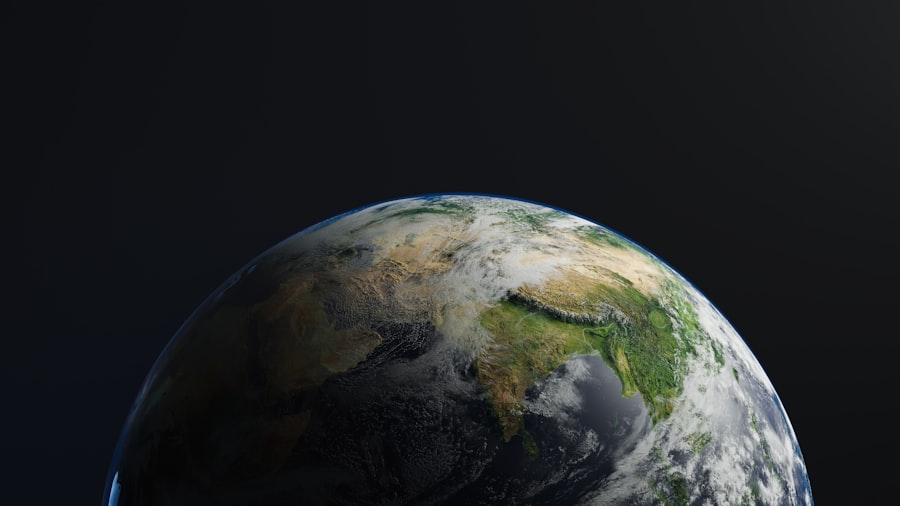
Beyond the visible landscapes and the remarkable creatures that inhabit them, Earth is governed by a multitude of unseen forces that constantly shape and reshape its surface. Plate tectonics, the water cycle, weather patterns, and the planet’s magnetic field are all fundamental processes that influence everything from geological formations to the distribution of life. Documentaries on these topics often employ sophisticated visual effects and scientific explanations to demystify complex phenomena, making them accessible and engaging for a broad audience. Understanding these underlying mechanisms provides a deeper appreciation for the interconnectedness of Earth’s systems and the dynamic nature of our planet.
The Dance of Continents: Plate Tectonics in Motion
The theory of plate tectonics, which explains the movement of Earth’s lithosphere, is a cornerstone of modern geology. Documentaries exploring this topic illustrate the vast forces at play beneath our feet, explaining how continents drift, mountains form, and earthquakes and volcanoes occur. These films often use animation and geological evidence to convey the immense timescales involved in these processes. They highlight the dynamic nature of Earth’s crust, revealing how its constant reshaping has influenced the distribution of landmasses, the formation of oceans, and the evolution of life itself. Understanding plate tectonics is crucial to comprehending the planet’s geological past, present, and future.
Shifting Sands:
- “The Earth’s Crust: A Living Surface” (various geological documentaries): Many documentaries dedicated to Earth science will feature segments on plate tectonics, illustrating the mechanisms of seafloor spreading, subduction zones, and continental drift. These often utilize compelling graphics and historical explanations.
- “When the Mountains Rise” (educational science series): This type of documentary might focus on the specific geological processes that lead to the formation of mountain ranges like the Himalayas or the Rockies, using animated sequences to show the collision of tectonic plates and the subsequent uplift of the Earth’s crust.
The Water Cycle: Lifeblood of the Planet
Water, in its various forms, is essential for all known life on Earth. The water cycle, a continuous process of evaporation, condensation, and precipitation, sustains ecosystems and shapes landscapes. Documentaries exploring this fundamental cycle often showcase its immense power and its vital role in regulating climate and supporting life. They might follow water’s journey from the oceans to the atmosphere, through clouds and rain, to rivers and groundwater, and back again. These narratives often highlight the beauty and wonder of phenomena like waterfalls, glaciers, and fog, while also addressing the impacts of drought, flooding, and the importance of water conservation in a changing world.
Liquid Journeys:
- “The Blue Planet: Oceans” (series): While primarily focused on marine life, the “Blue Planet” series often touches upon the water cycle as it relates to ocean currents, evaporation, and the impact of rainfall on coastal ecosystems.
- “Flow: For the Love of Water” (2008): This documentary explores the state of the world’s water resources, highlighting the critical importance of the water cycle and the challenges of water management in the face of growing demand and environmental changes.
The Breath of Life: Atmospheric Phenomena and Climate
Earth’s atmosphere is a dynamic and complex system, responsible for everything from the weather we experience daily to the long-term patterns of climate. Documentaries exploring atmospheric phenomena delve into the science behind clouds, storms, winds, and the intricate mechanisms that drive weather systems. They also increasingly address the critical issue of climate change, illustrating the evidence for global warming, its causes, and its far-reaching consequences for ecosystems and human societies. These films often use sophisticated visualizations and scientific data to explain complex concepts like the greenhouse effect and the interconnectedness of the Earth’s climate system.
Skies and Storms:
- “Chasing the Storm” (various weather documentaries): Many documentaries focus on extreme weather events such as tornadoes, hurricanes, and blizzards, offering scientific explanations for their formation and the incredible power they possess.
- “Our Planet: Climate Change” (series): Documentaries from nature series like “Our Planet” will dedicate significant segments to the impact of climate change, showcasing the melting ice caps, rising sea levels, and changing weather patterns across the globe, often with stark visual evidence.
The Microscopic Marvels: Life at the Smallest Scale

While we often focus on the grand spectacles of Earth’s landscapes and its larger inhabitants, the foundation of all life lies within the microscopic realm. Bacteria, viruses, fungi, and single-celled organisms, though unseen by the naked eye, are fundamental to nearly every ecological process on the planet. Documentaries that explore this hidden world offer a profound revelation, demonstrating the ingenuity of evolution at its smallest scale. These films often utilize advanced microscopy techniques to bring the vibrant and complex lives of microbes to the screen, revealing their roles in everything from decomposition to nutrient cycling and even our own bodies. They can also explore the microscopic causes of diseases and the ongoing battle to understand and combat them.
The Invisible Architects: Bacteria and Microbes
Bacteria and other microorganisms are the unsung heroes of Earth’s ecosystems. They are responsible for decomposition, nutrient cycling, and play crucial roles in everything from soil health to human digestion. Documentaries that focus on the microbial world reveal the sheer diversity and adaptability of these life forms. They showcase how microbes can thrive in extreme environments, from boiling hot springs to the depths of the ocean, and how they have shaped the evolution of life on Earth. The ongoing research into the human microbiome, the vast community of microbes living within us, is also a fascinating area of exploration, revealing their profound impact on our health and well-being.
Tiny Titans:
- “Microcosmos” (1996): This landmark French documentary uses incredible close-up photography to reveal the hidden world of insects and other invertebrates, many of which are microscopic or operate on a scale that makes them seem so. It’s a visual masterpiece that showcases the intricate lives happening all around us.
- “The Hidden Life of the Human Body” (science channels): Documentaries exploring human biology often include segments on the microbiome, illustrating the vast population of bacteria and other microbes that inhabit our bodies and their crucial roles in digestion, immunity, and even mood.
Fungal Networks: The Hidden Internet of the Forest
Fungi, often overlooked and sometimes feared, are essential to nearly every terrestrial ecosystem. Their vast underground networks, known as mycelium, act as a “wood wide web,” connecting plants, facilitating nutrient exchange, and decomposing organic matter. Documentaries that explore the fungal kingdom reveal the complex and often surprising roles these organisms play. They showcase the diverse forms of fungi, from the familiar mushrooms to the less visible but equally vital yeasts and molds. These films highlight the symbiotic relationships between fungi and plants, their potential for medicinal discovery, and their crucial role in forest health and regeneration.
Mycelial Mysteries:
- “Fantastic Fungi” (2019): This visually rich documentary explores the incredible world of fungi, highlighting their medicinal properties, their ecological importance, and their potential to solve some of humanity’s biggest challenges. It offers a fascinating look at the hidden networks that sustain our planet.
- “The Secret Life of Trees” (nature documentaries): While focused on trees, many documentaries exploring forest ecosystems will inevitably touch upon the crucial role of fungi in connecting trees, sharing nutrients, and facilitating communication within the forest, often referring to the underground mycelial networks as the forest’s “internet.”
If you’re interested in exploring the intricate connections between ancient civilizations and their trade practices, you might find a related article on the collapse of Bronze Age trade networks particularly enlightening. This piece delves into how economic shifts and environmental changes impacted societies during that era, providing a fascinating backdrop to the themes presented in great Earth science documentaries. To read more about this topic, you can check out the article here: collapse of Bronze Age trade networks.
The Cosmic Connection: Earth in the Universe
| Title | Director | Release Year | Runtime |
|---|---|---|---|
| Planet Earth | Alastair Fothergill | 2006 | 60 minutes per episode |
| Life | Martha Holmes | 2009 | 60 minutes per episode |
| Blue Planet II | James Honeyborne | 2017 | 60 minutes per episode |
Our planet, while vast and complex in its own right, is but a small speck in the grand expanse of the universe. Understanding Earth’s place within the cosmos offers a profound perspective on its uniqueness and the delicate balance that allows life to flourish. Documentaries that bridge the gap between terrestrial science and astronomy often explore the origins of Earth, the formation of the solar system, and the potential for life on other planets. These films not only celebrate the wonders of our own world but also inspire a sense of wonder about what lies beyond, reminding us of our shared cosmic heritage and the interconnectedness of all things.
Planetary Origins: Forging a World
The story of Earth’s formation, from a swirling cloud of dust and gas to a solid planet, is a narrative of immense geological and astronomical forces. Documentaries exploring planetary origins often utilize stunning CGI and scientific modeling to depict the violent processes of accretion, planetary differentiation, and the early bombardment that shaped our nascent world. They delve into the formation of the Moon, the volatile early atmosphere, and the eventual emergence of conditions suitable for life. These narratives provide a sense of deep time, reminding viewers of the incredible journey our planet has undertaken to become the vibrant and habitable world it is today.
Celestial Seeds:
- “The Day the Earth Exploded: Creation of the Moon” (science shows): While this might be a specific episode title or theme, many astronomy documentaries will explore the leading scientific theories regarding the formation of the Moon, often involving a colossal impact that played a pivotal role in shaping early Earth.
- “Earth: The Power of the Planet” (series): While focusing broadly on Earth, this series often includes episodes or segments dedicated to the planet’s formation and its early geological history, connecting its development to broader solar system processes.
The Search for Extraterrestrial Life: A Cosmic Quest
The question of whether life exists beyond Earth has long captivated human imagination. Documentaries exploring the search for extraterrestrial life delve into the scientific methods employed, from radio astronomy searching for signals to the exploration of exoplanets with potentially habitable conditions. These films often showcase the incredible discoveries being made by telescopes like the James Webb Space Telescope and the ongoing missions to Mars and other celestial bodies. They also explore the philosophical implications of finding life elsewhere, prompting reflection on humanity’s place in the universe and the potential diversity of life forms that might exist. This quest underscores our innate drive to understand our origins and our potential future.
Alien Horizons:
- “Cosmos: A Spacetime Odyssey” (2014): Neil deGrasse Tyson’s reboot of the iconic series features numerous episodes that touch upon the origins of life on Earth and the potential for life elsewhere in the universe, exploring exoplanets and the conditions necessary for life.
- “Are We Alone?” (various documentary series): Many documentary series, such as those produced by National Geographic or the Discovery Channel, dedicate entire episodes to the search for extraterrestrial intelligence (SETI) and the exploration of exoplanets for signs of life, often featuring interviews with leading scientists in the field.
In conclusion, the world of Earth science documentaries offers an inexhaustible well of knowledge and inspiration. From the deepest ocean trenches to the farthest reaches of space, these films invite viewers to explore, understand, and appreciate the intricate beauty and profound complexity of our planet. Whether delving into the vibrant life of coral reefs, the powerful forces of volcanism, the unseen world of microbes, or our connection to the cosmos, these must-see documentaries provide an accessible and engaging path to scientific understanding, fostering a deeper stewardship of the extraordinary planet we call home.

This Crater Was Supposed to Rewrite Human History… It Didn’t
FAQs
What are some popular Earth science documentaries?
Some popular Earth science documentaries include “Planet Earth,” “Blue Planet,” “Our Planet,” “Chasing Ice,” and “The Cove.”
What topics are typically covered in Earth science documentaries?
Earth science documentaries often cover topics such as climate change, natural disasters, wildlife conservation, geology, oceanography, and environmental issues.
Where can I watch Earth science documentaries?
Earth science documentaries can be found on streaming platforms such as Netflix, Amazon Prime Video, Hulu, and Disney+. They may also be available for purchase or rental on platforms like iTunes and Google Play.
Are Earth science documentaries educational?
Yes, Earth science documentaries are often educational as they provide in-depth information about the Earth’s natural processes, ecosystems, and the impact of human activities on the environment.
Who are some well-known Earth science documentary filmmakers?
Some well-known Earth science documentary filmmakers include David Attenborough, James Balog, Louie Psihoyos, and Jacques Perrin. These filmmakers have produced acclaimed documentaries that have raised awareness about environmental issues and Earth’s natural wonders.