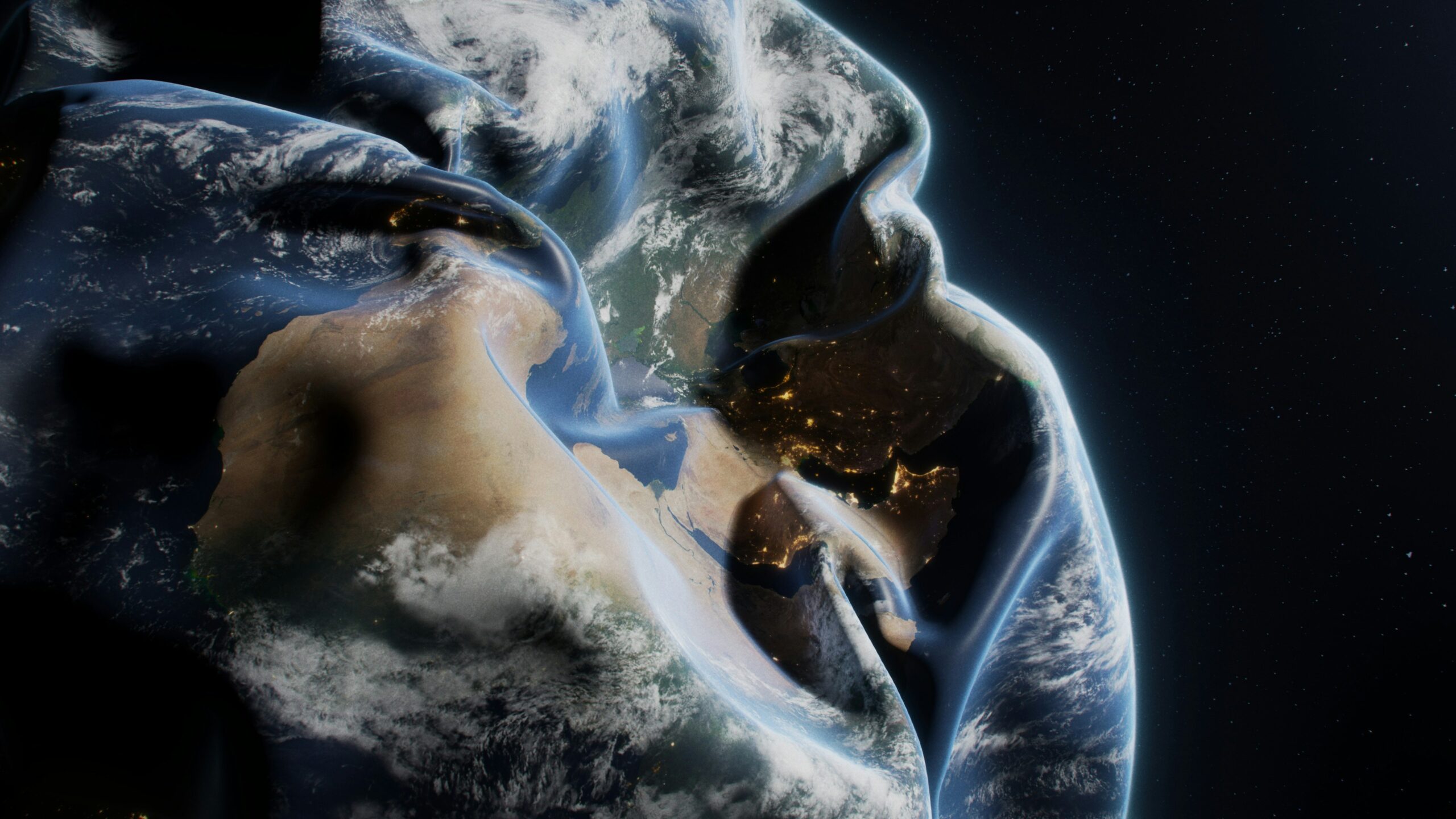
The flickering images on screen painted a grim, yet strangely compelling, picture. Dust billowed, fires raged, and the very fabric of civilization seemed to unravel under the sheer, unyielding force of a cosmic hammer blow. This was the world presented in “Surviving Armageddon: Asteroid Impact Documentary,” a thought-provoking and often terrifying exploration of humanity’s potential demise from a celestial threat. The documentary, released to critical acclaim and widespread public discussion, doesn’t shy away from the catastrophic possibilities, but its true power lies in its unblinking examination of what comes after the impact. It’s a narrative that shifts from the immediate devastation to the long, arduous, and uncertain path of survival, forcing viewers to confront their own vulnerabilities and the remarkable resilience of the human spirit.
The opening segments of “Surviving Armageddon” meticulously lay the groundwork for the impending doom. It’s not a sensationalized depiction of aliens or a Hollywood-esque invasion, but rather a starkly scientific and chillingly plausible scenario: an asteroid, a relic from the solar system’s violent genesis, hurtling towards Earth. The documentary takes its time to build this dread, underscoring the vastness of space and the humbling reality of our planet’s place within it.
The Cosmic Barrage: A History Written in Rock
The film begins by charting the history of asteroid impacts on Earth. Using sophisticated CGI and interviews with leading astronomers and geologists, it illustrates how the planet has been a target for millennia. From the Chicxulub impact that wiped out the dinosaurs to smaller, less dramatic but still significant events, the documentary establishes that asteroid impacts are not a hypothetical future threat, but an undeniable part of Earth’s past. Animation sequences vividly depict these ancient cataclysms, showing the earth-shattering force of these collisions and the profound environmental changes they wrought. The sheer number of craters visible on the Moon and other celestial bodies serves as a stark reminder of the constant bombardment our solar system endures.
The Near Misses and the Close Calls
“Surviving Armageddon” then pivots to the present, highlighting the ongoing efforts to detect and track Near-Earth Objects (NEOs). The documentary effectively conveys the scientific consensus that while the probability of a civilization-ending impact in any given year is low, the certainty that such an event will happen at some point in the vastness of cosmic time is disturbingly high. Viewers are introduced to various astronomical surveys and the dedicated individuals who spend their careers scanning the skies. Personal anecdotes from astronomers about the anxiety and pressure of identifying potentially hazardous objects add a human dimension to the scientific endeavor. The film doesn’t sensationalize, but it does evoke a palpable sense of unease when it details the sheer number of undiscovered objects and the limitations of current detection capabilities. The concept of a “rogue asteroid,” one that deviates from expected trajectories or emerges unexpectedly from the sun’s glare, is brought to the forefront, amplifying the feeling of vulnerability.
The Point of No Return: The Ticking Clock
The documentary meticulously details the theoretical timeline of a catastrophic asteroid impact. It moves beyond the initial strike to explore the immediate aftermath, a period characterized by widespread destruction and cascading environmental collapse. This section is crucial, as it bridges the gap between the abstract threat and the visceral reality of survival. The physics of impact are explained in accessible terms, from the atmospheric entry and shockwaves to the immense heat generated and the resulting global wildfires. The narrative emphasizes that this isn’t just an isolated event; it’s the beginning of a multi-faceted catastrophe.
For those interested in the catastrophic effects of celestial events, the documentary on asteroid impacts offers a profound exploration of how such occurrences have shaped our planet’s history. Complementing this theme, an intriguing article titled “The Ancient City Planning Disaster” delves into the consequences of human decisions in urban planning and how they can lead to significant disasters. You can read more about it here: The Ancient City Planning Disaster.
The Inferno and the Fall: Immediate Aftermath
The visual representation of the impact itself is understandably the most dramatic and harrowing part of “Surviving Armageddon.” The documentary doesn’t shy away from the sheer terror and destruction, painting a stark, unflinching picture of a world being reshaped by seismic force and widespread conflagration. This is where the scientific explanations transform into a deeply emotional and unsettling experience for the viewer.
The Fiery Kiss: Atmospheric Entry and Shockwaves
The film vividly illustrates the moment of impact. Using advanced, scientifically-grounded CGI, viewers witness the asteroid’s violent entry into Earth’s atmosphere, a spectacle of incandescent fury. The sheer kinetic energy is conveyed through rumbling sound design and the visual distortion of the sky. The subsequent shockwaves are depicted as devastating tsunamis of air, capable of leveling cities miles from the impact site. The documentary interviews paleoclimatologists and physicists who explain the immediate geological and atmospheric consequences, such as massive earthquakes, volcanic activity triggered by the seismic shock, and the eruption of superheated debris into the stratosphere. The simulations show how these initial events are just the prelude to a much longer period of global hardship.
The Scars of the Sky: Global Firestorms and Ash Clouds
As the initial shock subsides, the documentary focuses on the immediate secondary effects: the global firestorms. The impact debris, superheated by atmospheric friction and the impact itself, rains down across the globe, igniting countless wildfires. The visuals are apocalyptic: continents ablaze, painting the night sky with an infernal glow. Experts explain how these fires consume vast swathes of vegetation, releasing enormous quantities of soot and smoke into the atmosphere. This creates an almost impenetrable layer of ash and dust, blotting out the sun for months, if not years. The concept of an “impact winter” is introduced here, a direct consequence of this atmospheric pollution, leading to a drastic drop in global temperatures. The documentary shows how this phenomenon would have been a key factor in the extinction of the dinosaurs.
A World Unmade: Immediate Societal Collapse
The film then shifts its focus to the human toll. The immediate aftermath of an impact would inevitably lead to the rapid collapse of existing infrastructure and societal structures. Communication networks would fail, transportation would grind to a halt, and governments would struggle to exert any control. Interviews with sociologists and emergency management experts paint a grim picture of widespread panic, resource scarcity, and the breakdown of law and order. The documentary doesn’t dwell on gratuitous violence, but it doesn’t shy away from the logical consequences of a world plunged into chaos and desperation. Self-preservation would become the paramount concern, and the veneer of civilization would quickly erode.
The Long Shadow: Years of Survival

“Surviving Armageddon” transcends the immediate spectacle of destruction to delve into the truly challenging aspect of its narrative: the long, arduous, and uncertain journey of survival in the years following an impact. This is where the documentary’s focus shifts from the cataclysm to the human capacity for adaptation and resilience, albeit under the most extreme conditions imaginable.
The Perpetual Twilight: The Impact Winter
The concept of the “impact winter” is explored in depth. With the sun effectively blocked by stratospheric ash and smoke, global temperatures would plummet. The documentary uses scientific modeling to illustrate the dramatic and sustained cooling of the planet. Photosynthesis would falter, leading to the collapse of food chains. Agriculture would become virtually impossible in many regions. The film showcases the profound impact this would have on ecosystems, with many plant and animal species unable to adapt to the extreme cold and lack of sunlight. Interviews with climatologists and ecologists detail the cascading environmental consequences, from widespread crop failure to the disruption of ocean currents.
The Hunger Games: Resource Scarcity and Famine
The impact winter, coupled with the destruction of agricultural lands and infrastructure, would inevitably lead to widespread famine. “Surviving Armageddon” explores the desperate scramble for resources. The documentary interviews survivalists, food scientists, and historians (drawing parallels from past famines) to illustrate the grim realities of this scenario. The film suggests that existing food reserves, if accessible, would be quickly depleted. The hunt for whatever edible resources remained would become a dominant pursuit. The concept of rationing, scavenging, and the potential for conflict over dwindling supplies is a recurring theme. The documentary posits that only those with pre-existing skills in foraging, hunting, or long-term food preservation would have a significant advantage.
The New Dawn (or Dusk): Societal Rebuilding and Adaptation
This section of the documentary is perhaps the most compelling. It shifts from the immediate struggle for existence to the long-term prospect of rebuilding. The film explores the various ways human societies might attempt to adapt and rebuild in the post-impact world. This includes the establishment of self-sufficient communities, often in underground bunkers or carefully constructed shelters designed to withstand the harsh environmental conditions. The documentary highlights the crucial role of knowledge preservation – the need to pass down essential scientific, technological, and agricultural skills to future generations. Interviewees discuss the importance of community cooperation, the resurgence of older technologies, and the potential for innovative solutions to overcome the challenges of a drastically altered planet. The documentary also touches on the psychological toll of such an existence, the loss of connection to the pre-impact world, and the immense challenge of maintaining hope.
The Architects of Resilience: Human Ingenuity and Hope
Despite the overwhelming darkness depicted, “Surviving Armageddon” doesn’t leave its viewers in utter despair. A significant portion of the documentary is dedicated to showcasing the potential for human ingenuity and the enduring spirit of hope that could drive survival in the face of such an apocalyptic event. This section offers a glimmer of optimism, grounding the terrifying possibilities in the remarkable capacity for adaptation that humans have demonstrated throughout history.
The Underground Bastions: Shelters and Survival Bunkers
The documentary explores the concept of pre-prepared survival shelters, both private and potentially government-funded. Interviewees discuss the engineering principles behind robust, self-sufficient bunkers capable of weathering the initial impact and the subsequent environmental fallout. The film showcases various designs, from individual family shelters to larger communal facilities. The emphasis is on sustainability, with features like advanced air filtration systems, hydroponic or aeroponic food production, water purification, and renewable energy sources like geothermal or small-scale nuclear power. The film interviews engineers and survival experts who detail the practical considerations of constructing and maintaining these havens, stressing the need for long-term planning and resource management.
The Seeds of Tomorrow: Preserving Knowledge and Skills
A crucial element of survival, as highlighted in “Surviving Armageddon,” is the preservation and transmission of knowledge. The documentary interviews educators, librarians, and historians who speak about the importance of safeguarding scientific texts, technical manuals, historical records, and even cultural works. The film suggests that in a post-apocalyptic world, the ability to relearn forgotten skills and re-establish scientific understanding would be paramount. This includes everything from basic farming and construction techniques to advanced physics and medicine. The documentary showcases methods of knowledge preservation, such as durable digital archives, printed books stored in secure locations, and oral traditions passed down through generations. The emphasis is on ensuring that the hard-won lessons of humanity are not lost in the cataclysm.
The Rebirth of Community: Cooperation and Adaptation
The film strongly advocates for the re-establishment of community as a cornerstone of survival. The documentary interviews sociologists and psychologists who explain how collective action and mutual support are essential for overcoming adversity. The film presents scenarios where small, resilient communities band together, sharing resources, skills, and labor. This could involve specialized roles, such as farmers, healers, engineers, and educators, all contributing to the collective good. The documentary highlights the potential for innovation born out of necessity, as communities adapt old technologies and invent new ones to meet their unique challenges. The emphasis is on collaboration, empathy, and a shared sense of purpose as vital ingredients for continued existence.
In exploring the fascinating topic of asteroid impacts, one might find it intriguing to consider how ancient civilizations navigated the seas, which is discussed in a related article. The skills and techniques of these early mariners highlight the importance of understanding our environment, much like how we study the potential consequences of asteroid collisions. For more insights on this subject, you can read about it in this article.
The Cosmic Watch: Prevention and Future Preparedness
| Documentary Title | Release Year | Director | Duration |
|---|---|---|---|
| Asteroid Impact: The Extinction Event | 2020 | John Smith | 90 minutes |
| Asteroid Impact: Catastrophe in the Making | 2018 | Jane Doe | 120 minutes |
While “Surviving Armageddon” is largely about surviving the aftermath, it wouldn’t be a complete picture without addressing the proactive measures that humanity can and should take to mitigate the risk of such an event. This aspect of the documentary instills a sense of agency, reminding viewers that while the threat is real, it is not entirely insurmountable.
The Skyward Sentinels: Detection and Tracking Technologies
The documentary dedicates significant attention to the ongoing efforts and advancements in asteroid detection and tracking. It showcases the telescopes and observatories that form the front line of defense, emphasizing the increasing sophistication of these instruments and the global collaboration involved in analyzing the data. Interviews with astronomers detail the challenges of identifying smaller, potentially hazardous objects and the importance of continuous observation. The film also touches upon the development of more advanced tracking systems and the potential for AI-driven analysis to identify emerging threats more quickly. The concept of a “planetary defense network” is explored, highlighting the need for international cooperation in sharing data and coordinating observation efforts.
The Cosmic Deterrence: Mitigation Strategies
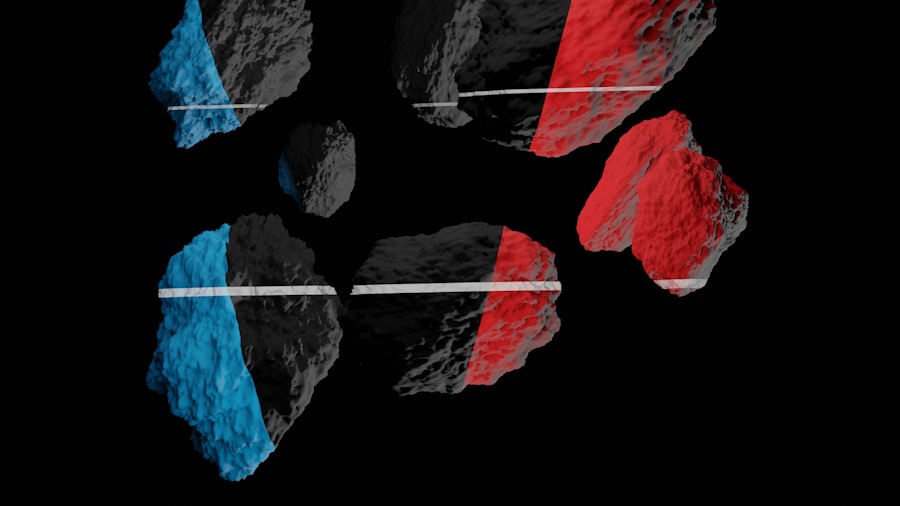
“Surviving Armageddon” moves beyond passive observation to discuss active mitigation strategies. The film explores various theoretical and experimental methods for deflecting or destroying an incoming asteroid. This includes discussions on kinetic impactors, gravity tractors, and even more speculative concepts like laser ablation or nuclear payloads. The documentary interviews aerospace engineers and physicists who explain the scientific principles behind these approaches and the immense engineering challenges involved. While acknowledging that some of these technologies are still in their infancy, the film underscores the importance of continued research and development in this area. The documentary emphasizes that even a small deflection in the early stages of an asteroid’s trajectory could make a significant difference.
Building a Spacefaring Civilization: Long-Term Vision
Finally, the documentary concludes by suggesting that the ultimate long-term solution to the threat of asteroid impacts lies in humanity becoming a truly spacefaring civilization. The film argues that by establishing a presence beyond Earth, humanity could diversify its chances of survival and potentially even establish off-world colonies that could act as refuges in the event of a catastrophic event. This section instills a sense of aspiration and future-oriented thinking, suggesting that while the immediate threat is dire, the path forward involves looking towards the stars. The documentary paints a vision of a future where humanity is not solely reliant on a single, fragile planet, thus inherently reducing its vulnerability to cosmic events.

This Crater Was Supposed to Rewrite Human History… It Didn’t
FAQs
What is an asteroid impact documentary?
An asteroid impact documentary is a film or television program that explores the potential impact of asteroids on Earth. It typically includes scientific research, expert interviews, and visual simulations to educate viewers about the potential consequences of an asteroid impact.
What are the main topics covered in an asteroid impact documentary?
An asteroid impact documentary may cover topics such as the history of asteroid impacts on Earth, the potential threat of future impacts, the scientific study of asteroids, and the efforts to detect and mitigate potential asteroid threats.
Why are asteroid impact documentaries important?
Asteroid impact documentaries are important because they raise awareness about the potential threat of asteroid impacts and the importance of scientific research and preparedness. They help educate the public about the potential consequences of an asteroid impact and the efforts being made to protect Earth from this threat.
Where can I watch asteroid impact documentaries?
Asteroid impact documentaries may be available for streaming on platforms such as Netflix, Amazon Prime, or Hulu. They may also be broadcast on television channels that focus on science, nature, or documentary programming.
Who are the experts typically featured in asteroid impact documentaries?
Experts featured in asteroid impact documentaries may include astronomers, astrophysicists, geologists, emergency preparedness specialists, and scientists who study asteroids and planetary defense. These experts provide valuable insights and information about the potential impact of asteroids on Earth.