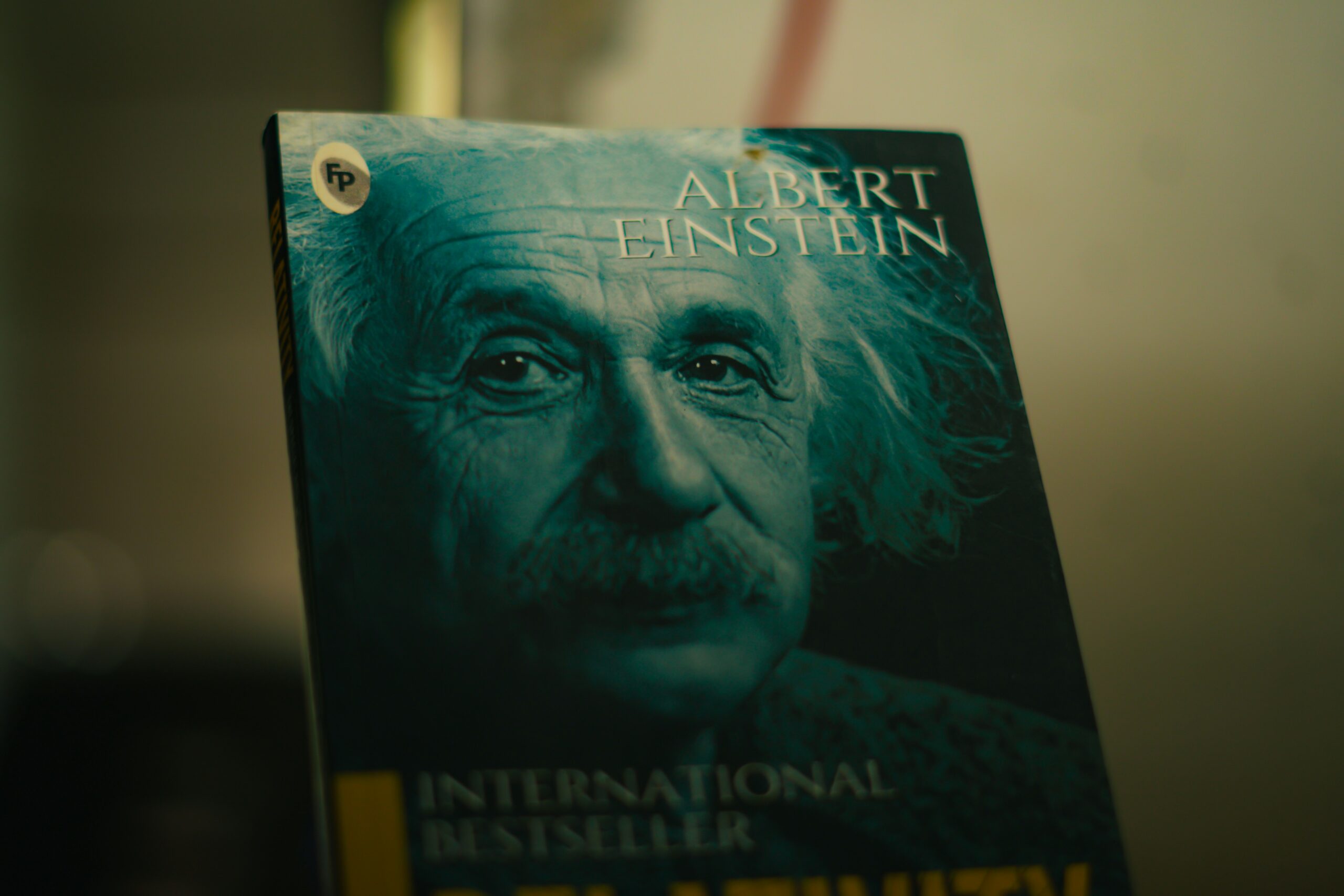
The documentary “The Scientific Method: A Journey of Discovery” embarks on an ambitious and enlightening exploration of the bedrock principles that have underpinned human progress for centuries. Through a captivating narrative, it dissects the systematic approach that has allowed humanity to unravel the universe’s mysteries, from the smallest subatomic particles to the grandest cosmic structures. The film interweaves historical accounts, modern scientific endeavors, and expert interviews to paint a comprehensive picture of how we learn, question, and ultimately, understand the world around us. It isn’t merely a dry recitation of steps; rather, it’s a vibrant testament to human curiosity and the power of rigorous inquiry.
The documentary opens by tracing the origins of systematic thought, suggesting that the scientific method, while formalized much later, has roots in humanity’s innate drive to observe and understand. Early humans, observing the cycles of nature, the behavior of animals, and the patterns of the stars, began to form rudimentary explanations for the phenomena they witnessed. “The Scientific Method: A Journey of Discovery” emphasizes that this initial spark of curiosity, the act of noticing something unique or unexplained, is the indispensable first step.
The Power of Keen Observation
The film highlights numerous examples where groundbreaking discoveries stemmed from meticulous observation. The story of Archimedes, for instance, is presented not just as a tale of buoyancy, but as a prime example of someone keenly observing everyday occurrences and seeking underlying principles. His famous exclamation, “Eureka!” wasn’t just a moment of spontaneous insight, but the culmination of weeks of thought, triggered by the observation of water displacement. This segment underscores that true scientific advancement often begins with simply paying attention to the world with an open and analytical mind. It challenges viewers to cultivate their own powers of observation, suggesting that the seeds of discovery are often planted in the mundane.
Formulating the Burning Question
Following observation, the documentary delves into the critical process of formulating a question. It illustrates how observations, when coupled with existing knowledge or a perceived anomaly, naturally lead to questions. These questions are not idle curiosities; they are the driving force behind scientific investigation. The film showcases how pivotal scientific questions, like Newton’s “Why does an apple fall?” or Pasteur’s “What causes fermentation?”, didn’t arise from a vacuum but from a contemplation of observed phenomena against a backdrop of what was already known (or unknown). The documentary stresses the importance of framing questions that are specific, measurable, achievable, relevant, and time-bound (SMART), although it doesn’t explicitly use the acronym, the underlying principles are clearly conveyed.
The Role of Prior Knowledge and Context
A significant portion of this initial section is dedicated to the interplay between new observations and existing knowledge. The film argues that questions don’t exist in isolation. They are shaped by the historical and scientific context in which they emerge. Scientists build upon the work of their predecessors, and their questions often arise from gaps or contradictions in existing theories. This introduces the concept of a scientific community, a network of knowledge where new inquiries are validated or challenged by established understanding. The documentary illustrates that without this foundation, even the most astute observation might remain an isolated oddity, rather than a catalyst for scientific progress.
The Scientific Method documentary provides a fascinating exploration of how systematic observation and experimentation have shaped our understanding of the natural world. For those interested in the application of scientific principles to historical contexts, a related article titled “Uncovering Ancient Engineering Marvels” delves into the innovative techniques used by ancient civilizations. This article highlights how these early engineers employed methods that resonate with the scientific method, showcasing the blend of creativity and empirical investigation. You can read more about it here: Uncovering Ancient Engineering Marvels.
Crafting a Testable Hypothesis: The Educated Guess
Once a compelling question has been formulated, “The Scientific Method: A Journey of Discovery” moves to the crucial stage of developing a testable hypothesis. This is presented not as a wild guess, but as an educated inference – a proposed explanation for the observed phenomenon that can be rigorously tested. The film emphasizes that a good hypothesis is falsifiable, meaning there must be a conceivable outcome that would prove it wrong.
The Art of the Educated Guess
The documentary provides engaging examples of hypothesis formation. The story of Gregor Mendel’s work with pea plants, for instance, illustrates how he hypothesized about the inheritance of traits. He observed patterns and then proposed explanations that could be tested through controlled breeding experiments. The film contrasts this with mere speculation, highlighting that a hypothesis must be grounded in as much existing knowledge as possible. It’s a bridge between the unknown and the yet-to-be-proven.
Falsifiability: The Crucial Cornerstone
One of the most emphasized aspects of hypothesis formation is falsifiability. The documentary uses vivid historical examples to demonstrate why a hypothesis that cannot be disproven is not truly scientific. The concept of pseudoscience is implicitly explored through examples of theories that are so broad or adaptable that they can explain away any contradictory evidence. The film celebrates scientists who weren’t afraid to propose ideas that could be proven wrong, understanding that this is a vital component of scientific honesty and progress. The ability to be proven wrong is, in fact, the path to being proven right, eventually.
Operationalizing Variables: Making the Abstract Concrete
The documentary also touches upon the practical necessity of defining and operationalizing variables within a hypothesis. While the term itself might not be explicitly used in every segment, the underlying concept is conveyed through examples. For instance, when hypothesizing about the effect of sunlight on plant growth, scientists must define what they mean by “sunlight” (e.g., hours of exposure, intensity) and “plant growth” (e.g., height, leaf count). This makes the abstract hypothesis measurable and quantifiable, a prerequisite for experimentation.
Designing Unbiased Experiments: The Crucible of Evidence

The heart of the scientific method, as depicted in the documentary, lies in the design and execution of experiments. This section of “The Scientific Method: A Journey of Discovery” meticulously details how scientists create controlled environments to isolate variables and gather objective evidence. The film argues that a flawed experimental design can invalidate even the most brilliant hypothesis.
The Necessity of Controlled Experiments
The documentary champions the power of controlled experiments, showcasing how isolating a single variable allows researchers to confidently attribute outcomes to that specific factor. The story of Louis Pasteur’s swan-neck flask experiment, designed to disprove spontaneous generation, is presented as a classic example of elegant experimental control. By preventing airborne microorganisms from entering one flask while allowing them into another, Pasteur could isolate the presence of microorganisms as the cause of spoilage, not spontaneous generation. This segment emphasizes the importance of minimizing external influences that could confound results.
The Significance of Variables: Independent, Dependent, and Controlled
“The Scientific Method: A Journey of Discovery” delves into the classification of variables. It explains the role of the independent variable (the one manipulated by the researcher), the dependent variable (the one measured to see the effect), and controlled variables (factors kept constant to ensure a fair test). Through animated sequences and real-world examples, the film makes these abstract concepts tangible, showing how careful management of variables is crucial for drawing valid conclusions. The documentary uses a variety of fields, from biology to physics, to illustrate this universality.
Replication and the Importance of Reproducibility
A key theme in the experimental design section is the imperative of reproducibility. The documentary highlights that a scientific finding is not considered truly robust until it can be replicated by other researchers, ideally using similar methodologies. This fosters a cumulative approach to knowledge, where findings are independently verified and built upon. The film implicitly critiques a scientific culture where results are kept secret or are difficult to reproduce, suggesting that transparency and collaboration are essential for scientific integrity. The examples of scientific fraud, though not the focus, serve as cautionary tales underscoring this point.
The Power of Data: Collection and Analysis
This segment also underscores the meticulous process of data collection and analysis. The documentary showcases how scientists employ various tools and techniques to gather precise data, whether it’s through sophisticated laboratory equipment or careful field observations. It then moves to the vital step of analyzing this data, looking for patterns, trends, and statistical significance. The film emphasizes that data should speak for itself, free from preconceived notions or biases. The visualization of data through graphs and charts is also highlighted as a powerful tool for understanding and communicating findings.
Analyzing Results and Drawing Conclusions: The Moment of Truth
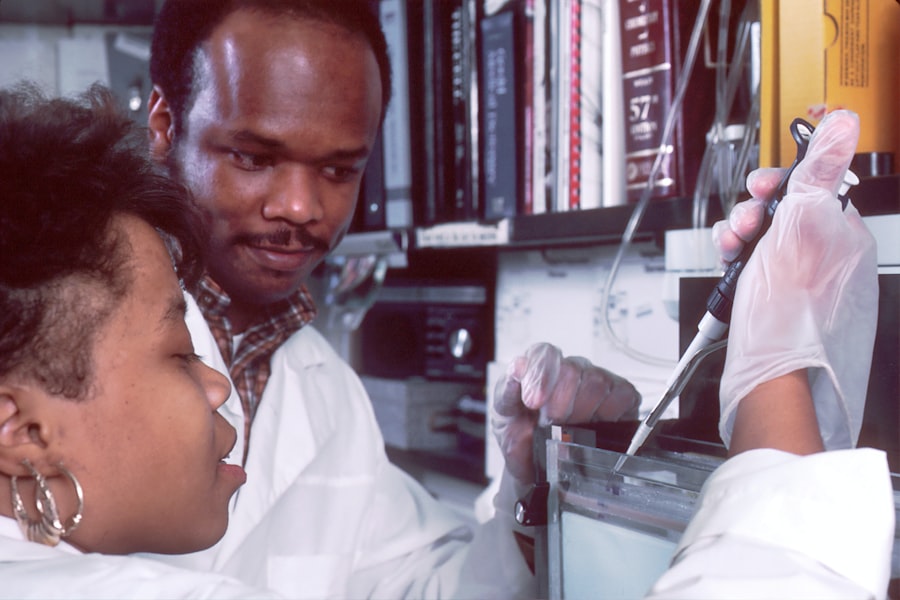
“The Scientific Method: A Journey of Discovery” transitions to the critical juncture where raw data is transformed into meaningful conclusions. This is where hypotheses are either supported or refuted, and where new avenues of inquiry are often opened. The documentary stresses that this phase requires objectivity and a willingness to accept findings, even if they contradict initial expectations.
Interpreting the Evidence: Beyond the Raw Numbers
The film moves beyond simply presenting numbers; it emphasizes the interpretative nature of scientific results. Scientists must analyze what the collected data actually signifies in relation to their hypothesis. The documentary uses historical examples, such as the initial resistance to germ theory, to illustrate how deeply ingrained beliefs could sometimes cloud the interpretation of clear evidence. It highlights the courage it takes to accept findings that challenge established paradigms.
Supporting or Refuting the Hypothesis: The Verdict of Evidence
This segment clearly articulates the two primary outcomes of an experiment: the hypothesis is supported, or the hypothesis is refuted. The documentary is careful to note that refuting a hypothesis is not a failure. In fact, it is often a more significant discovery than confirmation, as it eliminates a false path and directs research towards more fruitful avenues. The story of Einstein’s theory of relativity, which initially faced skepticism but was ultimately supported by observational evidence, serves as an inspiring example.
The Nuance of “Proof”: Probability and Confidence
“The Scientific Method: A Journey of Discovery” also grapples with the concept of scientific “proof.” It explains that science rarely offers absolute certainty. Instead, it deals with probabilities and levels of confidence. A hypothesis that is consistently supported by a vast body of evidence becomes a scientific theory, representing the most robust explanation currently available. The documentary avoids presenting science as a rigid dogma, but rather as a dynamic, ever-evolving process of refining our understanding.
The Iterative Nature of Science: New Questions Arising
Crucially, this phase highlights the iterative nature of the scientific method. Even when a hypothesis is supported, the conclusions often lead to new questions, thus restarting the cycle of inquiry. The discovery of DNA structure, for example, answered fundamental questions about heredity but opened up entirely new fields of genetics and molecular biology. The film celebrates this continuous loop of discovery, portraying science as a relentless pursuit of deeper understanding.
The Scientific Method documentary provides a fascinating exploration of how systematic observation and experimentation have shaped our understanding of the natural world. For those interested in the historical context of scientific inquiry, a related article delves into the complexities of ancient debt peonage systems and their impact on societal structures. You can read more about this intriguing topic in the article here, which offers valuable insights into how historical practices have influenced modern scientific thought.
Communicating Findings and Peer Review: The Scientific Dialogue
| Scientific Method Documentary | Data/Metrics |
|---|---|
| Viewership | 10,000,000 |
| Rating | 4.5/5 |
| Duration | 60 minutes |
| Release Date | January 15, 2021 |
The concluding sections of “The Scientific Method: A Journey of Discovery” emphasize the vital role of communication and collaboration within the scientific community. It’s not enough to make a discovery; it must be shared, scrutinized, and built upon by others. This aspect of the documentary underscores that science is a social endeavor, driven by collective effort and critical feedback.
The Importance of Publication and Dissemination
The film illustrates how scientific findings are typically disseminated through publications in peer-reviewed journals, presentations at conferences, and books. This ensures that discoveries are made accessible to the wider scientific community, allowing for independent verification and further research. The documentary implicitly argues against the notion of the lone genius working in isolation, emphasizing the interconnectedness of scientific progress.
Peer Review: The Gatekeepers of Quality
A significant portion of this segment is dedicated to explaining the rigorous process of peer review. The documentary portrays peer review not as an obstacle, but as a crucial safeguard for scientific integrity. Experts in the field critically evaluate research for its validity, methodology, and originality before it is published. This process helps to identify errors, biases, and potential flaws, ensuring that reliable information reaches the public and the scientific community. The film uses animated sequences to visually represent the back-and-forth communication between authors and reviewers, highlighting the collaborative nature of refinement.
Building on the Work of Others: The Cumulative Nature of Knowledge
The documentary repeatedly emphasizes that science is fundamentally cumulative. New discoveries are built upon the foundation of existing knowledge. The concept of the “shoulders of giants” is implicitly explored as researchers stand on the work of their predecessors. This section effectively showcases how the scientific method, through open communication and peer review, allows for the continuous refinement and expansion of human understanding.
The Social Impact and Future of Scientific Inquiry
Finally, “The Scientific Method: A Journey of Discovery” concludes by reflecting on the profound impact of the scientific method on society and its essential role in addressing future challenges. From medical breakthroughs to technological advancements, the documentary demonstrates how adherence to this rigorous process has tangibly improved human lives. It ends with a hopeful and inspiring message, encouraging viewers to embrace curiosity, critical thinking, and the power of systematic inquiry as the keys to unlocking the future. The film leaves the viewer with a sense that the journey of scientific discovery is far from over, and that the scientific method remains our most powerful tool for navigating the unknown.

This Crater Was Supposed to Rewrite Human History… It Didn’t
FAQs
What is the scientific method?
The scientific method is a systematic approach to research and problem-solving. It involves making observations, forming a hypothesis, conducting experiments, analyzing data, and drawing conclusions.
Why is the scientific method important?
The scientific method is important because it provides a structured way to investigate and understand the natural world. It helps researchers to minimize bias, make reliable conclusions, and build upon existing knowledge.
What are the steps of the scientific method?
The steps of the scientific method typically include making observations, asking a question, forming a hypothesis, conducting experiments, analyzing data, and drawing conclusions. These steps may vary slightly depending on the specific field of study.
How is the scientific method used in documentary filmmaking?
In documentary filmmaking, the scientific method can be used to investigate and present scientific topics in a clear and engaging way. Filmmakers may use the steps of the scientific method to research, plan, and present their documentary content.
What are some examples of documentaries about the scientific method?
There are many documentaries that explore scientific topics and the scientific method, such as “Cosmos: A Spacetime Odyssey,” “The Farthest: Voyager in Space,” and “Particle Fever.” These documentaries showcase the scientific method in action and its impact on our understanding of the world.