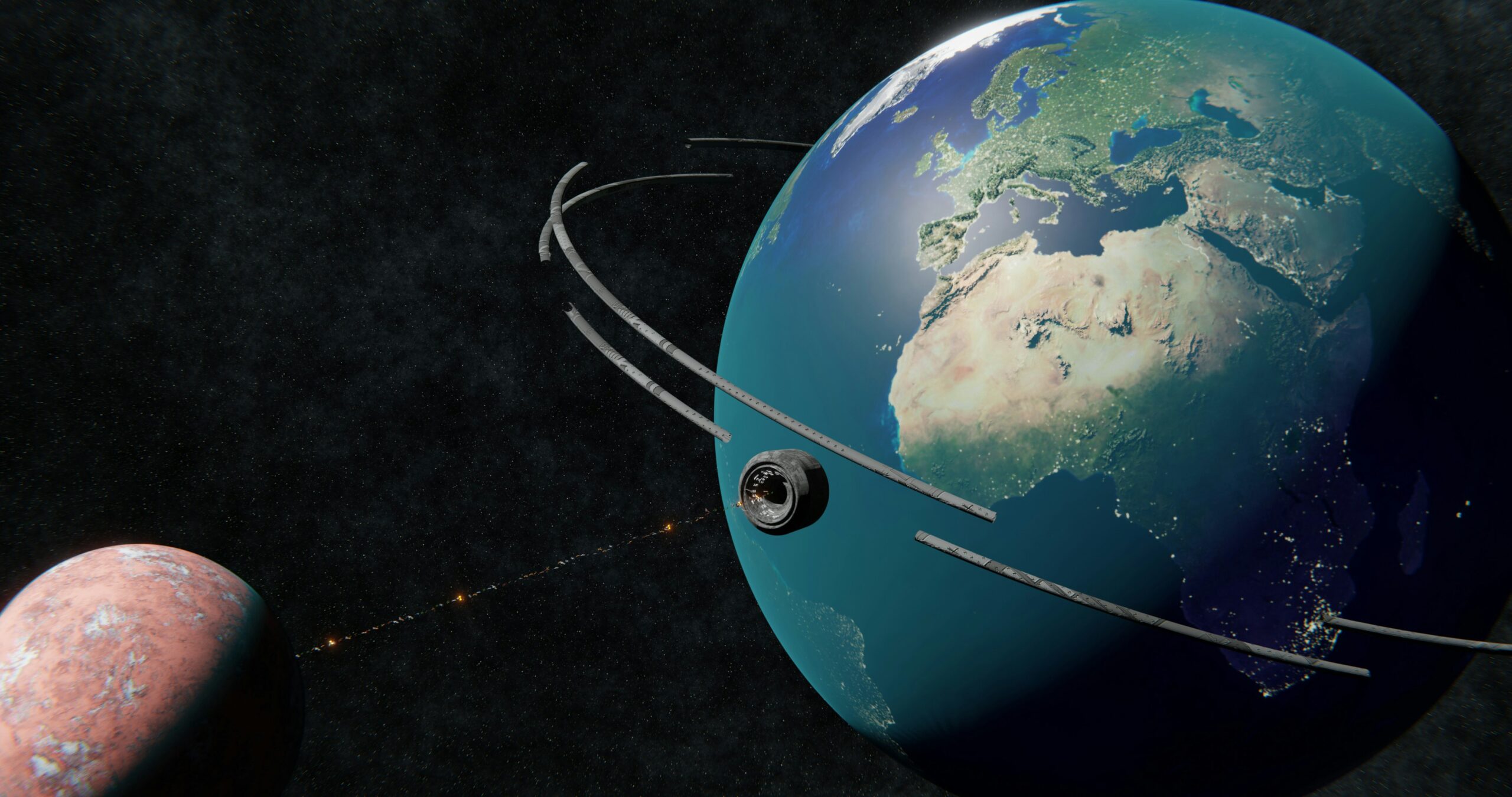
The universe, a canvas of infinite wonder, is perpetually splashed with hues of the unknown. For millennia, humanity has looked to the stars, the depths of the ocean, and the intricate workings of the human body, all while grappling with profound questions that whisper from the void. These are the great scientific mysteries, enigmas that have spurred countless hours of research, fueled imaginations, and driven innovation. Unraveling these profound puzzles is not merely an academic pursuit; it is an inherent human quest for understanding, a journey that pushes the boundaries of our knowledge and redefines our place in the cosmos.
Perhaps the most pervasive and perplexing mysteries in modern cosmology revolve around the invisible components that dominate the universe: dark matter and dark energy. These enigmatic entities, while unobservable directly, exert profound gravitational influence on the visible universe, accounting for approximately 95% of its total mass-energy content. For decades, astrophysicists and cosmologists have engaged in a tireless quest to decipher their true nature, employing an array of observational techniques and theoretical frameworks.
The Observational Evidence for Dark Matter
The hypothesis of dark matter emerged from discrepancies in galactic rotation curves. Astronomers observed that stars on the outer edges of galaxies were orbiting their galactic centers at speeds far too high to be explained by the gravitational pull of the visible matter alone. This suggested the presence of an unseen mass, a halo of invisible substance, that was providing the additional gravitational glue to hold these galaxies together.
Galactic Rotation Curves: A Forensic Clue
The pioneers of this observation, Vera Rubin and Kent Ford, meticulously studied the Doppler shifts of light emitted by stars in various galaxies. Their findings were revolutionary. Instead of exhibiting a decline in orbital velocity with distance from the galactic center, as predicted by Newtonian physics based on visible matter, the velocities remained remarkably constant or even increased. This anomaly strongly indicated the existence of a substantial amount of non-luminous matter, dubbed “dark matter.”
Gravitational Lensing: Bending the Light of the Unknown
Another compelling piece of evidence for dark matter comes from gravitational lensing. Massive objects, according to Einstein’s theory of general relativity, warp the fabric of spacetime, causing light from distant objects to bend as it passes by. The degree of this bending is directly proportional to the mass of the lensing object. Observations of distorted light from distant galaxies, when passing through galaxy clusters, reveal a mass far exceeding that of the visible gas and stars within the cluster. This excess mass is attributed to dark matter.
Cosmic Microwave Background Radiation: A Blueprint of the Early Universe
The cosmic microwave background (CMB) radiation, a faint afterglow of the Big Bang, provides a snapshot of the universe when it was only about 380,000 years old. The subtle temperature fluctuations observed in the CMB, as mapped by missions like COBE, WMAP, and Planck, reveal an imprint of the initial density variations in the early universe. The patterns of these fluctuations are exquisitely sensitive to the composition of the universe, and they strongly support a model where dark matter played a crucial role in the formation of the large-scale structure we observe today. Without dark matter’s gravitational scaffolding, the structures we see – galaxies, clusters, and superclusters – would not have had time to form.
The Mysterious Nature of Dark Matter Particles
While the observational evidence is abundant, the fundamental nature of dark matter particles remains elusive. Numerous candidates have been proposed, each with its own set of theoretical implications and experimental challenges.
Weakly Interacting Massive Particles (WIMPs): A Leading Contender
One of the most popular theoretical candidates for dark matter is the Weakly Interacting Massive Particle, or WIMP. These hypothetical particles are predicted by some extensions of the Standard Model of particle physics, such as supersymmetry. WIMPs are characterized by their massive nature and their weak interaction with ordinary matter, making them difficult to detect. Experiments like the Large Underground Xenon (LUX) and XENONnT are designed to directly detect WIMPs by searching for the faint recoil of atomic nuclei caused by a WIMP collision.
Axions: Light, Elusive Particles
Another intriguing possibility is the axion, a very light, hypothetical particle proposed to solve a problem in quantum chromodynamics. Axions interact even more weakly than WIMPs and would require extremely sensitive detectors to be observed. Various experiments, such as ADMX (Axion Dark Matter eXperiment), are actively searching for axions.
Sterile Neutrinos: The Unseen Cousins
Sterile neutrinos are hypothetical counterparts to the known neutrinos, but they do not interact via the weak nuclear force, making them even harder to detect. While evidence remains indirect, some observational anomalies in X-ray astronomy have led to speculation about their potential role in dark matter.
The Accelerating Expansion: The Puzzle of Dark Energy
If dark matter is the unseen scaffolding of the universe, dark energy is the mysterious force that appears to be pushing galaxies apart at an ever-increasing rate. This discovery, made in the late 1990s through studies of Type Ia supernovae, was revolutionary, challenging the prevailing understanding of a decelerating universe.
Type Ia Supernovae: Cosmic Distance Markers
Type Ia supernovae are powerful stellar explosions that occur when a white dwarf star accumulates too much mass from a companion star, exceeding a critical limit (the Chandrasekhar limit) and triggering a runaway nuclear fusion event. These supernovae are incredibly bright and have a remarkably consistent intrinsic luminosity, making them “standard candles” – objects whose absolute brightness is known. By measuring their apparent brightness, astronomers can determine their distance.
The Unexpected Deceleration: A Cosmic Surprise
By observing the redshift of light from distant Type Ia supernovae, astronomers can determine how fast they are receding from us. When these observations revealed that distant supernovae were fainter than expected, implying they were further away than they should be in a decelerating universe, it indicated that the expansion of the universe was, in fact, accelerating.
The Nature of Dark Energy: An Unknown Frontier
The cause of this cosmic acceleration is attributed to dark energy, a hypothetical form of energy that permeates all of space. Its properties are even less understood than those of dark matter.
The Cosmological Constant: Einstein’s Lingering Idea
One of the simplest explanations for dark energy is the cosmological constant, denoted by the Greek letter lambda ($Lambda$). Originally introduced by Albert Einstein in his equations of general relativity to represent a static universe, he later famously called it his “biggest blunder.” However, the concept of a constant energy density inherent in spacetime itself has been revived as a potential explanation for dark energy.
Quintessence: A Dynamic Field
Another proposed explanation is quintessence, a dynamic scalar field that pervades the universe and whose energy density can change over time. Unlike the cosmological constant, quintessence offers a more flexible framework for explaining the accelerating expansion.
Vacuum Energy: The Quantum Paradox
Quantum field theory suggests that even empty space, the vacuum, is not truly empty but is filled with virtual particles constantly popping in and out of existence. This “vacuum energy” could potentially behave like dark energy. However, theoretical calculations of vacuum energy yield a value vastly larger than what is observed, presenting a significant theoretical challenge known as the “cosmological constant problem.”
The quest to unravel the mysteries of dark matter and dark energy is ongoing, with new experiments and observations constantly refining our understanding. The implications of these discoveries are profound, shaping our understanding of the universe’s past, present, and ultimate fate.
One of the most intriguing aspects of ancient architecture is the alignment of the Giza Pyramids, which has puzzled researchers for centuries. The precision with which these monumental structures were constructed raises questions about the knowledge and technology of the civilization that built them. For a deeper exploration of this fascinating topic, you can read the article on the Giza Pyramid alignment mystery at this link.
The Origins of Life: From Primordial Soup to Living Organisms
The transition from non-living matter to the first self-replicating life forms on Earth remains one of the most profound and challenging scientific mysteries. This monumental leap, a process known as abiogenesis, is the fundamental question at the heart of biology and astrobiology. While a complete step-by-step account remains elusive, scientific research has made significant strides in outlining plausible pathways and identifying key ingredients.
The Early Earth Environment: A Crucible of Chemistry
Understanding the conditions on early Earth is crucial for comprehending how life might have arisen. The planet’s atmosphere, oceans, and geological processes during its formative billions of years played a critical role.
The Primordial Atmosphere: A Reactive Mixture
Unlike today’s oxygen-rich atmosphere, the early Earth’s atmosphere is thought to have been reducing, containing gases like methane ($text{CH}_4$), ammonia ($text{NH}_3$), water vapor ($text{H}_2text{O}$), and hydrogen ($text{H}_2$). Such an atmosphere, lacking free oxygen, would have been more conducive to the formation of organic molecules, as oxygen tends to break them down.
Energy Sources: Sparks of Creation
The early Earth was a dynamic place, bombarded by ultraviolet (UV) radiation from the Sun, frequent lightning strikes, volcanic activity, and meteor impacts. These energetic events could have provided the necessary energy to drive chemical reactions and synthesize complex organic compounds from simpler inorganic molecules.
The Miller-Urey Experiment: A Groundbreaking Demonstration
In 1953, Stanley Miller and Harold Urey conducted a landmark experiment that simulated the conditions of early Earth. They passed electrical sparks through a mixture of gases thought to be present in the primordial atmosphere, along with water, to simulate lightning. Within a week, the experiment produced several amino acids, the building blocks of proteins, and other organic molecules. This experiment provided compelling evidence that under the right conditions, complex organic molecules could arise spontaneously from inorganic precursors.
The Formation of Key Biomolecules: Building Blocks of Life
The next crucial step in abiogenesis is the formation of larger, more complex biomolecules, such as nucleotides (the building blocks of RNA and DNA), amino acids, and fatty acids, from the simpler organic molecules produced.
RNA: The Primordial Blueprint
Many scientists believe that RNA may have been the first genetic material, preceding DNA. This “RNA world” hypothesis suggests that RNA molecules possessed both the ability to store genetic information and to catalyze chemical reactions (ribozymes). This dual functionality would have made RNA a powerful candidate for the first self-replicating entities.
Polymerization Experiments: Linking the Chains
Researchers are actively investigating pathways for the polymerization of these basic building blocks into longer chains. Various environments, such as drying pools, mineral surfaces, and hydrothermal vents, are being explored as potential sites for this crucial step. For instance, clay minerals can concentrate organic molecules and act as catalysts, facilitating the formation of polymers.
The Emergence of Self-Replication and Metabolism: The Dawn of Life
The ultimate hallmarks of life are self-replication and metabolism – the ability to harness energy and carry out chemical processes for survival and reproduction.
Encapsulation and Protocells: The First Boundaries
For molecules to organize and interact effectively, they would have needed a boundary, a precursor to the cell membrane. Fatty acids can spontaneously form vesicles, or liposomes, in aqueous solutions. These structures could have encapsulated the early RNA or other organic molecules, forming “protocells” – primitive, cell-like entities.
The Development of Metabolism: Energy for Life
Once protocells formed, the development of metabolic pathways, even rudimentary ones, would have been essential. This could have involved harnessing energy from chemical gradients or simple redox reactions to drive the synthesis of more complex molecules and facilitate replication.
Alternative Origins: Hydrothermal Vents and Panspermia
While the “primordial soup” model on the Earth’s surface is a leading hypothesis, other environments are also being considered as potential cradles of life.
Hydrothermal Vents: Subsurface Laboratories
Deep-sea hydrothermal vents, with their rich chemical gradients and energy sources, are considered a promising environment for abiogenesis. The mineral surfaces around these vents could have provided catalytic sites for organic synthesis and encapsulation, offering a more stable and protected environment than the volatile surface.
Panspermia: Life from Beyond Earth?
The hypothesis of panspermia suggests that life did not originate on Earth but was transported here from elsewhere in the universe, perhaps on meteorites or comets. While this doesn’t solve the ultimate question of life’s origin, it opens up the possibility that life is a common phenomenon throughout the cosmos.
The quest to understand the origins of life is a multidisciplinary endeavor, drawing on chemistry, geology, biology, and physics. While the exact sequence of events remains a mystery, ongoing research continues to shed light on the plausibility of various pathways, bringing us closer to understanding how life, in all its diversity, first emerged on our planet.
The Mysteries of Consciousness: The Elusive Nature of Subjective Experience

Consciousness, the subjective experience of being aware, of having thoughts, feelings, and perceptions, is arguably the most profound and persistent mystery in science. Despite centuries of philosophical inquiry and decades of neuroscience research, a complete understanding of how the physical brain gives rise to the richness of conscious awareness remains elusive.
The Hard Problem of Consciousness: Explaining Qualia
Philosopher David Chalmers famously articulated the “hard problem” of consciousness, distinguishing it from the “easy problems.” The easy problems involve understanding the functional aspects of the brain, such as how we process information, learn, and react to stimuli. The hard problem, however, is explaining why and how these physical processes give rise to subjective experience – the “what it is like” to see red, to feel pain, or to taste chocolate. These subjective qualities are known as qualia.
Neural Correlates of Consciousness (NCCs): Searching for the Brain’s Signature
Neuroscience has made significant progress in identifying the neural correlates of consciousness, the minimal neural mechanisms jointly sufficient for any specific conscious percept. Researchers use various techniques to observe brain activity during conscious experiences.
Brain Imaging Techniques: Peering into the Active Mind
Functional magnetic resonance imaging (fMRI), electroencephalography (EEG), and magnetoencephalography (MEG) are powerful tools that allow scientists to observe brain activity in real-time. By comparing brain activity when a person is consciously aware of something versus when they are not, researchers can pinpoint areas and patterns of neural firing that are associated with particular conscious states.
Lesion Studies and Brain Stimulation: Evidence from Disruption
Studying individuals with brain damage (lesions) in specific areas, or using techniques like transcranial magnetic stimulation (TMS) to temporarily disrupt or enhance neural activity, can provide valuable insights into the role of certain brain regions in consciousness. For example, damage to specific areas of the temporal lobe can lead to disorders of object recognition that affect conscious perception.
Theories of Consciousness: Attempting to Bridge the Gap
Numerous theories have been proposed to explain consciousness, each offering a different perspective on how the brain might generate subjective experience.
Integrated Information Theory (IIT): Quantifying Awareness
Integrated Information Theory, developed by Giulio Tononi, proposes that consciousness is related to the amount of integrated information a system possesses. A system is conscious to the extent that it can integrate information, meaning information is both differentiated and unified. The theory offers a mathematical framework to quantify consciousness and predicts that systems with a high degree of integrated information, like the human brain, would be highly conscious.
Global Neuronal Workspace Theory (GNWT): The Spotlight of Attention
The Global Neuronal Workspace Theory, proposed by Bernard Baars and further developed by Stanislas Dehaene, suggests that consciousness arises when information becomes globally available to various specialized brain modules through a widespread network of neurons. This “global workspace” acts like a spotlight, broadcasting information to the rest of the brain, making it accessible for report and subsequent cognitive processing.
Higher-Order Thought Theories: Consciousness as Meta-Cognition
Higher-Order Thought (HOT) theories propose that a mental state becomes conscious when there is a higher-order thought or representation about that mental state. In essence, to be conscious of something, one must have a thought about that mental state. This implies a level of self-monitoring or meta-cognition.
The Mystery of Altered States of Consciousness
Understanding consciousness is further complicated by the existence of altered states of consciousness, such as dreaming, meditation, hypnosis, and the effects of psychedelic drugs. These states demonstrate the remarkable plasticity of conscious experience.
Dreams: The Nightly Theater
The subjective experience of dreaming, vivid and often bizarre, remains a mystery. While dreaming is thought to play a role in memory consolidation and emotional processing, its precise function and the neural mechanisms underlying its qualitative nature are still under investigation.
Psychedelics and Consciousness: Unlocking New Perspectives
Psychedelic substances, such as psilocybin and LSD, profoundly alter conscious experience, leading to hallucinations, ego dissolution, and intensified emotions. Studying the effects of psychedelics on the brain has provided valuable insights into the neurobiological underpinnings of consciousness and has opened up new avenues for therapeutic interventions for mental health conditions.
The Evolutionary Advantage of Consciousness: Why Did It Evolve?
If consciousness is so metabolically expensive and difficult to explain, why did it evolve? This question delves into the potential adaptive benefits of subjective awareness.
Enhanced Decision-Making and Planning
Consciousness may have provided an evolutionary advantage by enabling more flexible decision-making, long-term planning, and the ability to model complex social interactions.
Social Cognition and Empathy
The capacity for subjective experience may also be linked to social cognition, allowing individuals to understand the mental states of others, fostering empathy, cooperation, and complex social structures.
The mystery of consciousness continues to be a frontier of scientific exploration, pushing the boundaries of our understanding of the mind-brain relationship. Future research promises to shed more light on this fundamental aspect of our existence.
The Origin and Evolution of the Universe: From Singularity to Cosmic Tapestry

The grand narrative of the universe, from its fiery inception to its vast, intricate structure, is a story filled with profound mysteries that have captivated scientists and philosophers alike. Understanding the origin and evolution of the cosmos involves piecing together clues from its earliest moments and tracing the processes that shaped the galaxies, stars, and planets we observe today.
The Big Bang Theory: A Symphony of Expansion
The prevailing cosmological model describes the universe originating from an extremely hot, dense state approximately 13.8 billion years ago – the Big Bang. This theory, supported by a wealth of observational evidence, provides a framework for understanding the universe’s expansion and evolution.
The Expanding Universe: Receding Galaxies
In the early 20th century, Edwin Hubble’s observations of distant galaxies revealed that they were all moving away from us, and the further away they were, the faster they receded. This fundamental observation, known as Hubble’s Law, is strong evidence for an expanding universe.
Cosmic Microwave Background Radiation (CMB): Echo of the Beginning
As mentioned earlier, the CMB radiation is the faint thermal afterglow of the Big Bang. It is remarkably uniform across the sky, with tiny temperature fluctuations that represent the initial density variations in the early universe. These fluctuations are crucial for understanding the formation of large-scale structures.
Abundance of Light Elements: A Cosmic Recipe
The Big Bang theory accurately predicts the observed abundance of light elements, such as hydrogen, helium, and lithium, in the universe. The conditions in the immediate aftermath of the Big Bang were just right for the fusion of these elements.
Inflation: The Epoch of Rapid Growth
While the Big Bang theory describes the expansion, it doesn’t fully account for certain properties of the universe, such as its remarkable uniformity and flatness. Cosmic inflation, a hypothetical period of extremely rapid exponential expansion that occurred fractions of a second after the Big Bang, offers an elegant solution.
Solving the Horizon Problem: A Connected Universe
Inflation explains why distant regions of the universe, which have never been in causal contact, are so remarkably similar in temperature as seen in the CMB. During inflation, these regions were once close enough to interact and equilibrate.
Addressing the Flatness Problem: A Universe Poised on a Knife Edge
Inflation also explains why the universe appears to be so geometrically flat. In a non-inflating universe, even a slight deviation from perfect flatness in the early universe would have been amplified over time. Inflation essentially smoothed out these initial geodesic deviations.
Structure Formation: From Tiny Fluctuations to Cosmic Webs
The subtle density fluctuations detected in the CMB served as the seeds for the formation of all the large-scale structures we see today, including galaxies, galaxy clusters, and superclusters.
Gravity: The Architect of the Cosmos
Gravity played a pivotal role in amplifying these initial density variations. Regions with slightly higher density had a stronger gravitational pull, attracting more matter and eventually leading to the formation of stars, galaxies, and larger structures.
Dark Matter’s Crucial Role: The Unseen Scaffolding
As discussed earlier, dark matter’s gravitational influence was essential for accelerating the formation of structures. Without its unseen scaffolding, the visible matter would not have coalesced into the galaxies and clusters we observe within the age of the universe.
The Fate of the Universe: An Endless Expansive Horizon?
The ultimate fate of the universe hinges on the interplay between its expansion rate and its overall energy density, as well as the mysterious influence of dark energy.
The Big Freeze (Heat Death): A Gradual Cooling
If dark energy continues to dominate and the expansion accelerates indefinitely, the universe will eventually become cold, dark, and empty. Galaxies will drift apart, stars will burn out, and matter will decay, leading to a state of maximum entropy, often referred to as the “Big Freeze” or “Heat Death.”
The Big Rip: A Violent Dissolution
In a more extreme scenario, if dark energy’s density increases over time, it could eventually overcome all fundamental forces, tearing apart galaxies, stars, planets, and even atoms in a cataclysmic event known as the “Big Rip.”
The Big Crunch (Less Likely): A Cosmic Collapse
Previously, a scenario known as the “Big Crunch” was considered, where the expansion of the universe would eventually reverse, leading to a collapse back into a singularity. However, current observations of accelerating expansion make this scenario highly improbable.
The study of the universe’s origin and evolution is a continuous process of discovery, with ongoing observations and theoretical advancements constantly refining our understanding of this grand cosmic saga.
One of the great scientific mysteries that continues to captivate researchers is the potential for life beyond Earth, a topic that has gained renewed interest with the advent of new space exploration missions. As nations race to explore the Moon and beyond, understanding the implications of these discoveries becomes crucial. For instance, an article discussing Russia’s role in the new Moon race highlights how international collaboration and competition could shape our understanding of the cosmos. You can read more about this intriguing development in the article here.
The Mysteries of the Human Brain: The Most Complex Structure in the Known Universe
| Scientific Mystery | Description |
|---|---|
| Dark Matter | A type of matter that does not emit or interact with electromagnetic radiation, yet its existence is inferred from gravitational effects on visible matter. |
| Dark Energy | An unknown form of energy that is hypothesized to permeate all of space, causing the universe to expand at an accelerating rate. |
| Quantum Gravity | The unification of quantum mechanics and general relativity to describe the fundamental forces of nature at the smallest scales. |
| Origin of Life | The process by which life emerged from non-living matter, still a mystery despite various hypotheses and experiments. |
| Consciousness | The subjective experience of the mind and the relationship between physical processes in the brain and the experience of consciousness. |
The human brain, a mere three-pound organ composed of billions of neurons and trillions of connections, is arguably the most complex structure in the known universe. Its intricate network of electrochemical signals gives rise to thought, emotion, memory, perception, and the very essence of our individuality. Yet, despite remarkable advancements in neuroscience, many of its fundamental workings remain shrouded in mystery.
Neuronal Communication: The Language of Thought
The brain’s fundamental unit is the neuron, a specialized cell that transmits information through electrical and chemical signals. Understanding how these neurons communicate with each other is key to decoding the brain’s operations.
Synaptic Transmission: The Chemical Messenger System
When an electrical impulse reaches the end of a neuron (the axon terminal), it triggers the release of chemical messengers called neurotransmitters into the synaptic cleft, the tiny gap between neurons. These neurotransmitters then bind to receptors on the next neuron, either exciting or inhibiting its activity, thus passing the signal along.
Neural Networks: The Interconnected Web
Neurons rarely operate in isolation. They are interconnected in complex networks, forming intricate pathways that process different types of information. The pattern of these connections, known as the connectome, is unique to each individual and is thought to be crucial for cognitive abilities, personality, and memories.
Memory: The Tapestry of Our Past
Memory is a fascinating and complex phenomenon, allowing us to retain information, learn from experiences, and build our sense of identity. However, how memories are encoded, stored, and retrieved remains a significant area of research.
Synaptic Plasticity: The Basis of Learning
The ability of synapses (the connections between neurons) to strengthen or weaken over time, known as synaptic plasticity, is believed to be the fundamental mechanism underlying learning and memory formation. Repeated activation of a neural pathway can strengthen its connections, making it easier to recall that information.
Consolidation: From Short-Term to Long-Term
Memories are initially fragile and short-term, undergoing a process called consolidation to become stable, long-term memories. This process often involves the hippocampus, a region of the brain crucial for forming new declarative memories.
Forgetting: The Price of Information Overload
The phenomenon of forgetting is as important as memory itself, allowing us to filter out irrelevant information and prioritize what is important. The exact mechanisms of forgetting are still debated, with theories ranging from decay of neural traces to active interference from new information.
Emotions: The Colors of Our Experience
Emotions are complex psychological states that influence our behavior, decision-making, and perception of the world. While we can identify and categorize basic emotions like joy, sadness, anger, and fear, the neural basis of these experiences is still being unraveled.
The Limbic System: The Emotional Center
The limbic system, a collection of brain structures including the amygdala, hippocampus, and hypothalamus, plays a significant role in processing and regulating emotions. The amygdala, in particular, is associated with fear and threat detection.
The Interplay of Cognition and Emotion: A Reciprocal Relationship
It is increasingly recognized that emotions are not solely driven by subcortical regions but are deeply intertwined with cognitive processes. Thoughts and interpretations can significantly shape our emotional responses, and vice-versa. This complex interplay is central to understanding human behavior.
Neurological Disorders: When the Brain Goes Awry
The study of neurological disorders, such as Alzheimer’s disease, Parkinson’s disease, epilepsy, and schizophrenia, provides crucial insights into the brain’s healthy functioning by revealing what happens when certain processes break down.
Alzheimer’s Disease: The Erosion of Memory
Alzheimer’s disease, characterized by progressive memory loss and cognitive decline, is associated with the accumulation of amyloid plaques and tau tangles in the brain, disrupting neuronal communication and leading to neuronal death.
Parkinson’s Disease: The Loss of Movement Control
Parkinson’s disease is characterized by motor symptoms like tremors and rigidity, caused by the degeneration of dopamine-producing neurons in the substantia nigra, a region of the midbrain crucial for motor control.
Neurological Plasticity: The Brain’s Capacity for Change
Despite its complexity, the brain is remarkably adaptable. This phenomenon, known as neuroplasticity, allows the brain to reorganize itself by forming new neural connections throughout life, in response to learning, experience, and even injury. This inherent capacity for change offers hope for recovery from neurological damage and for improving cognitive function.
The human brain, a universe within itself, continues to be a source of boundless scientific inquiry. Each answer uncovered reveals new questions, pushing the boundaries of our understanding of ourselves and the very nature of consciousness. The journey to unravel its mysteries is an ongoing testament to human curiosity and ingenuity.

This Crater Was Supposed to Rewrite Human History… It Didn’t
FAQs
What are some examples of great scientific mysteries?
Some examples of great scientific mysteries include the nature of dark matter and dark energy, the origin of life on Earth, the existence of extraterrestrial life, the mechanism behind consciousness, and the true nature of time.
Why are these mysteries considered significant in the scientific community?
These mysteries are considered significant because they challenge our current understanding of the universe and have the potential to revolutionize scientific knowledge. Solving these mysteries could lead to groundbreaking advancements in various fields, such as physics, biology, and astronomy.
What are some current efforts to solve these mysteries?
Scientists are using a variety of approaches to solve these mysteries, including conducting experiments at particle accelerators to study dark matter, searching for signs of life on other planets, exploring the brain to understand consciousness, and developing new theories to explain the nature of time.
How do these mysteries impact society and everyday life?
Solving these mysteries could lead to technological advancements, such as new energy sources, medical breakthroughs, and a deeper understanding of the universe. Additionally, addressing these mysteries can inspire curiosity and innovation, driving progress in science and technology.
Are there any potential implications for solving these mysteries?
Solving these mysteries could have profound implications for our understanding of the universe, our place in it, and the potential for future exploration and discovery. It could also lead to paradigm shifts in scientific thinking and open up new frontiers for exploration and understanding.