The flickering screen brought to life a world long vanished, a tapestry woven from dust and bone, where giants once roamed and oceans teemed with alien life. “Exploring Ancient Worlds: A Paleontology Documentary” is more than just a film; it is a portal, an eloquent invitation to journey through the unfathomable depths of Earth’s history, guided by the tireless efforts of paleontologists who piece together the grand narrative of life’s evolution. This documentary, with its breathtaking visuals and insightful narration, manages to distill complex scientific inquiry into an accessible and utterly captivating experience for viewers of all ages.
The allure of the dinosaur has captivated human imagination for generations, and “Exploring Ancient Worlds” dives headfirst into the thrilling pursuit of these prehistoric titans. The film eloquently portrays the meticulous work involved in discovering and excavating dinosaur fossils, transforming barren landscapes into laboratories of the past. From the initial, often serendipitous, discovery of a fragment of bone to the painstaking removal of tons of rock, the documentary showcases the raw physical and intellectual dedication that underpins paleontological fieldwork.
From Shovel to Skeletal Reconstruction
The process begins with the keen eye of a paleontologist, trained to spot the subtle telltale signs of fossilized remains. The documentary illustrates how a chance encounter with a weathered bone fragment, protruding from a cliff face or embedded in a riverbed, can spark a monumental excavation. Scenes of excavators carefully working with small brushes and chisels, delicately chipping away at the surrounding matrix, are interspersed with wider shots of large-scale operations, highlighting the dual nature of this work – precision at the micro-level and brute force at the macro. The narrative emphasizes that a single fossil is rarely found fully exposed. Instead, it is a testament to patience and careful systematic excavation that allows the complete anatomy of these ancient creatures to be revealed.
The transition from a battlefield of rock and sediment to the pristine environment of a laboratory is dramatically depicted. Here, the real magic of reconstruction begins. Viewers witness the painstaking process of cleaning, stabilizing, and piecing together hundreds, even thousands, of fossilized fragments. The documentary explains the scientific methods used to identify each bone, understand its placement within the skeletal structure, and deduce the overall form and posture of the animal. It’s a puzzle on an epic scale, solved by a blend of scientific knowledge, intuition, and advanced technological tools.
The World of the Theropods and Sauropods
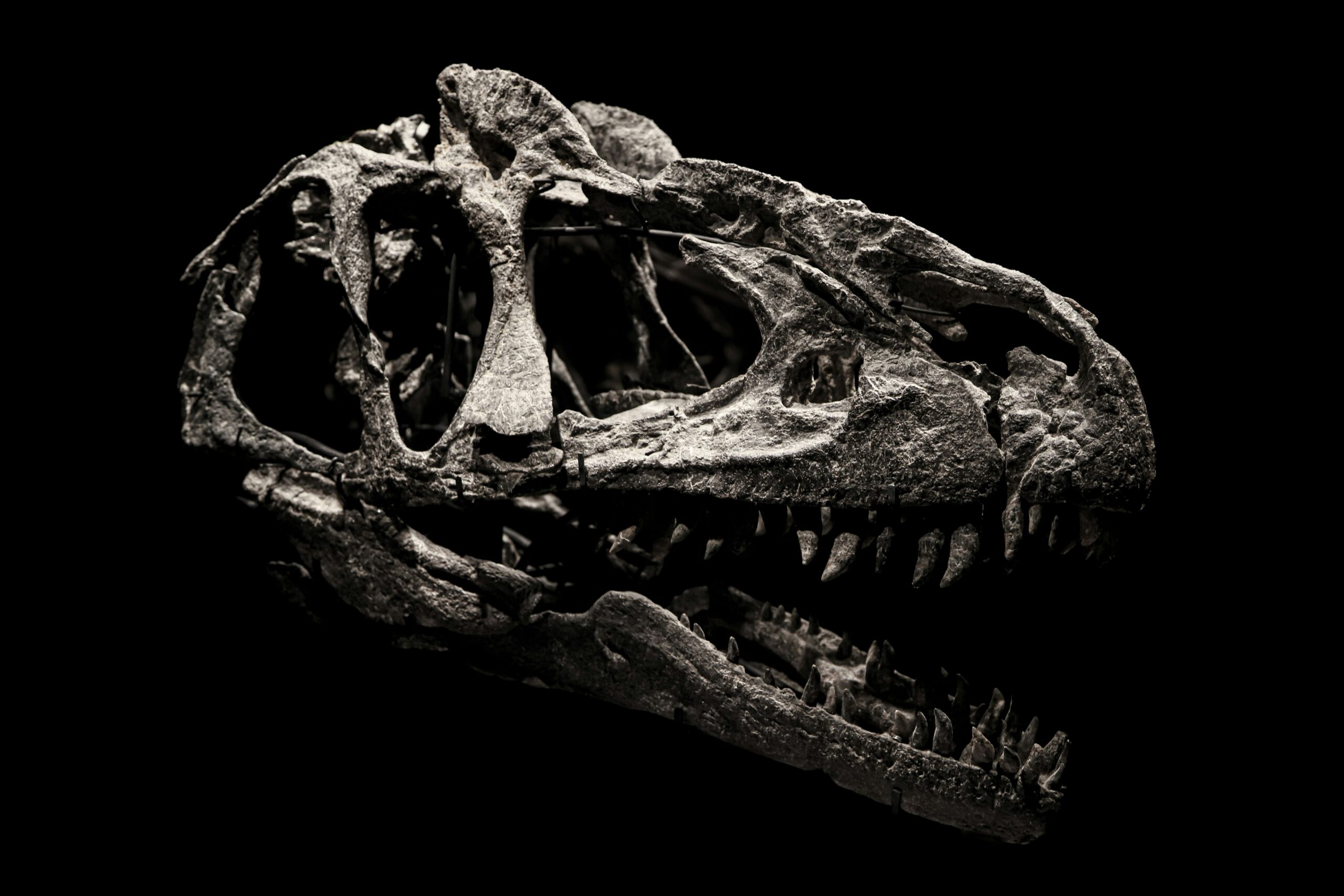
“Exploring Ancient Worlds” dedicates significant time to exploring the diverse array of dinosaurian life. The fearsome predatory theropods, like the iconic Tyrannosaurus Rex and the agile Velociraptor, are brought to life through both fossil evidence and stunning CGI recreations. The documentary delves into the functional morphology of their teeth, claws, and jaws, explaining how paleontologists infer their hunting strategies and diets. The sheer power and predatory prowess of these creatures are palpable, leaving viewers with a true sense of their dominance in the Mesozoic era.
Conversely, the gentle giants, the herbivorous sauropods such as Brachiosaurus and Diplodocus, are presented with equal fascination. The sheer scale of these colossal beings is emphasized, with visual comparisons to modern-day structures and animals underscoring their immense size. The film explores the challenges of their existence, such as the immense energy required to sustain their bodies and the adaptations that allowed them to thrive on plant matter, from their long necks reaching for high foliage to their massive digestive systems. The documentary doesn’t just present these creatures; it humanizes them, exploring the intricacies of their lives, their social structures, and their inevitable demise.
In the fascinating realm of paleontology, the exploration of ancient life forms often intersects with broader themes of discovery and the unknown, much like the insights presented in the article “The Secret Military Agenda of Space Exploration.” This article delves into the hidden motivations behind space missions, prompting readers to consider how our quest for knowledge extends beyond Earth. For those intrigued by the connections between our planet’s past and the mysteries of the universe, this piece offers a thought-provoking perspective. You can read the article here: The Secret Military Agenda of Space Exploration.
Life Before the Dinosaurs: The Dawn of Complex Organisms
Before the reign of the dinosaurs, Earth’s biosphere was undergoing a profound transformation. “Exploring Ancient Worlds” takes viewers further back in time, to the Precambrian and Paleozoic Eras, revealing a world sculpted by entirely different forces and inhabited by life forms that challenge our modern understanding of biology. This section of the documentary is crucial in establishing the evolutionary lineage that ultimately led to the emergence of more complex life, including the dinosaurs themselves.
The Enigmatic Ediacaran Biota
The film shines a spotlight on the enigmatic Ediacaran biota, some of the earliest known complex multicellular organisms. These strange, frond-like, and disc-shaped fossils, discovered in rocks dating back over 600 million years, present a significant paleontological puzzle. The documentary highlights the ongoing debate among scientists regarding their classification – are they early animals, fungi, or something entirely different? The visual reconstructions, based on limited fossil evidence and informed speculation, offer a glimpse into a truly alien ecosystem, devoid of hard skeletons or recognizable predatory structures. Their very existence forces viewers to reconsider the definition of “life” and the vastness of evolutionary experimentation.
The challenges in studying these organisms are evident. Unlike later fossils, they often lack mineralized parts, making them notoriously difficult to preserve and interpret. The documentary showcases the advanced imaging techniques, such as synchrotron X-ray microscopy, that paleontologists employ to reveal subtle features within these delicate impressions, offering new clues to their biology and ecological roles. The narrative emphasizes the importance of these early forms as crucial stepping stones towards the Cambrian explosion, a period of rapid diversification that would redefine life on Earth.
The Cambrian Explosion: A Burst of Biodiversity
The Cambrian Explosion, a period approximately 541 million years ago, marks a pivotal moment in Earth’s history, and “Exploring Ancient Worlds” dedicates a substantial segment to this extraordinary event. The documentary vividly illustrates how, over a relatively short geological timescale, a staggering diversity of new life forms emerged, many with hard shells, skeletons, and complex body plans. The fossil record from this era, particularly from Lagerstätten like the Burgess Shale, provides an unparalleled window into this evolutionary radiation.
The film introduces viewers to iconic Cambrian creatures such as the trilobites, the armored arthropods that dominated the seas, and the fearsome Anomalocaris, a fearsome predator with grasping appendages. The documentary explains how the development of hard parts, such as exoskeletons and mineralized teeth, played a crucial role in the diversification of life, influencing predator-prey relationships and opening up new ecological niches. The visuals are stunning, with these ancient creatures animated to demonstrate their movement, feeding habits, and interactions within their prehistoric marine environments. The narrative explores the various theories attempting to explain the cause of this rapid diversification, from rising oxygen levels to the evolution of new genes.
The Marine Realm: Oceans Teeming with Prehistoric Life

The oceans have always been a cradle of life, and “Exploring Ancient Worlds” ventures deep beneath the waves to explore the extraordinary creatures that once inhabited Earth’s ancient seas. The fossil record of marine life is often exceptionally well-preserved, offering a rich tapestry of evolutionary history that predates and coexists with terrestrial life. This section of the documentary highlights the immense biodiversity that flourished in these prehistoric waters.
The Reign of Marine Reptiles
The documentary immerses viewers in the world of marine reptiles, creatures that adapted to the oceanic environment and became formidable predators and inhabitants of the ancient seas. The imposing Mosasaurus, with its powerful jaws and massive size, is a prime example, rendered with chilling realism through CGI. The film explores their evolutionary lineage, tracing their terrestrial ancestry to their marine adaptations, including the development of flippers and streamlined bodies. The documentary also features other fascinating marine reptiles like the long-necked Plesiosaurus and the agile Ichthyosaurus, showcasing their unique survival strategies and positions within the ancient food web.
The fossil evidence for these creatures often comes from exceptionally preserved specimens, allowing paleontologists to reconstruct their musculature, digestive contents, and even their reproductive strategies. The documentary details how these discoveries have reshaped our understanding of marine ecosystems and the complex interactions that occurred within them. The sheer variety of forms and adaptations among marine reptiles underscores the immense evolutionary power of natural selection acting within a rich and dynamic environment.
The Age of Ammonites and Ancient Fish
Beyond the more dramatic marine reptiles, “Exploring Ancient Worlds” also celebrates the success of other significant marine groups. The ammonites, ancient cephalopods with distinctive coiled shells, are presented as ubiquitous and diverse inhabitants of the Mesozoic seas. The documentary highlights the immense variety in their shell shapes, sizes, and ornamentation, illustrating how these fossils are not only beautiful but also invaluable for relative dating of rock layers. The narrative explains their evolutionary history, their eventual extinction alongside the dinosaurs, and the scientific insights their fossils provide.
The film also delves into the fascinating world of ancient fish. From the lobe-finned fish, the ancestors of terrestrial vertebrates, to the placoderms, armored fish that dominated the Devonian seas, the documentary showcases the evolution and diversity of piscine life. The fossil record of these early fish provides crucial evidence for the transition of life from water to land. The documentary employs detailed fossil analysis and CGI to illustrate the unique anatomical features of these ancient fish, explaining how paleontologists interpret their biology and ecological roles. The sheer abundance and variety of fossil fish found throughout geological history offer a testament to their enduring success as a dominant group of animals.
The Tools of the Trade: Unraveling the Past with Modern Science

“Exploring Ancient Worlds” goes beyond simply showcasing prehistoric creatures; it provides a compelling insight into the scientific methodologies and technological advancements that allow paleontologists to reconstruct these ancient worlds. This section of the documentary is crucial for demystifying the scientific process and highlighting the innovation that drives paleontological research.
Beyond the Pickaxe: Advanced Imaging and Analysis
The documentary emphasizes that modern paleontology is a far cry from simply digging with a pickaxe. Viewers are introduced to a suite of advanced technologies that are transforming the field. High-resolution CT scanners and synchrotron X-ray imaging are showcased as tools that can reveal incredible detail within fossils without damaging the specimens. This allows paleontologists to visualize internal structures of bones, teeth, and even soft tissues that would otherwise remain hidden. The film illustrates how these techniques enable the creation of highly accurate 3D models, facilitating detailed studies of biomechanics, growth patterns, and even disease.
Furthermore, the documentary explores the application of geochemical analysis. Techniques like stable isotope analysis are explained, demonstrating how scientists can study the elemental composition of fossilized remains to infer ancient diets, climates, and migratory patterns. For instance, analyzing the isotopic ratios of oxygen or carbon in fossilized bone or teeth can provide clues about the temperature of ancient waters or the types of plants an animal consumed, painting a richer picture of their environment and lifestyle. This analytical rigor transforms fossils from static relics into dynamic windows into past ecosystems.
Computational Paleontology and 3D Biomechanics
The integration of computing power into paleontology is a major theme within the documentary. “Exploring Ancient Worlds” highlights how sophisticated software and algorithms are used to reconstruct fossilized specimens from fragmented data, even virtually rebuilding missing parts of a skeleton. This is particularly crucial when dealing with incomplete or damaged fossils, allowing for the creation of more complete and scientifically accurate representations.
The docuementary also delves into the exciting field of 3D biomechanics. By creating detailed 3D models of fossilized skeletons, paleontologists can use advanced computer simulations to analyze how ancient animals moved, ran, and interacted with their environment. They can test hypotheses about muscle attachments, joint articulation, and the forces exerted during locomotion or feeding. This allows for a dynamic understanding of extinct creatures, moving beyond static representations to dynamic, functional reconstructions that reveal the secrets of their ancient lives. The visualisations of these simulations, showing a dinosaur galloping or a marine reptile diving, are both informative and breathtaking.
In the fascinating world of paleontology, documentaries often provide a captivating glimpse into the lives of ancient creatures that once roamed the Earth. For those interested in understanding the broader implications of survival and adaptation, a related article discusses the importance of being prepared for unexpected challenges in modern life. You can read more about this essential topic in the article on financial preparedness, which highlights strategies for navigating unforeseen circumstances. To explore this further, visit financial emergency planning.
The Great Extinctions: Catastrophes That Reshaped Life
| Documentary Title | Release Year | Duration | Director |
|---|---|---|---|
| Walking with Dinosaurs | 1999 | 180 minutes | Tim Haines |
| Dinosaur 13 | 2014 | 95 minutes | Todd Douglas Miller |
| Prehistoric Park | 2006 | 60 minutes per episode | Mat King |
No exploration of ancient worlds would be complete without acknowledging the cataclysmic events that have punctuated Earth’s history, leading to mass extinctions and drastically reshaping the course of evolution. “Exploring Ancient Worlds” dedicates significant time to these pivotal moments, highlighting both the devastating scale of these events and the remarkable resilience of life.
The K-Pg Event: The Dinosaur Killer
The most famous mass extinction, the Cretaceous-Paleogene (K-Pg) event that wiped out the non-avian dinosaurs, is meticulously explored. The documentary presents the compelling evidence for an asteroid impact, focusing on the Chicxulub crater and the geological layers containing iridium anomalies worldwide. Visuals depicting the catastrophic chain of events – the initial impact, the ensuing wildfires, the global dust clouds, and the subsequent climate change – are both scientifically accurate and profoundly dramatic. The film explains how this event not only ended the reign of dinosaurs but also opened up ecological space for the diversification of mammals, ultimately paving the way for the evolution of humans.
The documentary also touches upon the ongoing scientific debate surrounding the contributing factors to the K-Pg extinction, acknowledging that while the asteroid impact is widely accepted as the primary cause, other geological events may have also played a role. The careful synthesis of evidence from geology, paleontology, and astrophysics underscores the interdisciplinary nature of scientific inquiry. The sheer scale of this extinction event, both in terms of the loss of biodiversity and its long-term evolutionary consequences, is a stark reminder of the fragility of life on Earth.
Beyond the Dinosaurs: Other Extinction Events
“Exploring Ancient Worlds” broadens its scope to encompass other significant mass extinction events that have profoundly impacted Earth’s biosphere. The Permian-Triassic extinction, often referred to as the “Great Dying,” is highlighted as the most severe extinction event in Earth’s history, wiping out an estimated 96% of marine species and 70% of terrestrial vertebrate species. The documentary explores the likely causes of this cataclysm, focusing on massive volcanic activity in the Siberian Traps and the resulting climate change, ocean acidification, and widespread anoxia.
The film also briefly touches upon other extinction events, such as the Triassic-Jurassic extinction, underscoring the cyclical nature of these profound planetary shifts. The documentary emphasizes that these periods of devastation, while tragic for the life forms that perished, also represent periods of opportunity for surviving lineages. They are the crucibles in which future evolutionary pathways are forged, demonstrating the complex interplay between environmental change, extinction, and the emergence of new forms of life. The cumulative lesson from these discussions is one of constant change and adaptation at a grand geological scale.
“Exploring Ancient Worlds: A Paleontology Documentary” is a triumph of scientific communication. It takes viewers on an awe-inspiring journey through time, revealing the extraordinary diversity of life that has graced our planet and the relentless forces that have shaped its evolution. By showcasing the dedication of paleontologists and the power of modern scientific tools, the film instills a profound appreciation for the deep history of life and our place within it. It is a testament to the enduring human curiosity that drives us to explore, to understand, and to ultimately, to connect with the ancient worlds that lie beneath our feet.

This Crater Was Supposed to Rewrite Human History… It Didn’t
FAQs
What is paleontology?
Paleontology is the scientific study of the history of life on Earth through the examination of plant and animal fossils.
What is a paleontology documentary?
A paleontology documentary is a film or television program that explores the study of prehistoric life, including the work of paleontologists, fossil discoveries, and the reconstruction of ancient ecosystems.
What can viewers expect to learn from a paleontology documentary?
Viewers can expect to learn about the process of fossil discovery, the methods used by paleontologists to study ancient life, and the significance of paleontology in understanding the history of life on Earth.
Are there any famous paleontology documentaries?
Yes, there are several famous paleontology documentaries, including “Walking with Dinosaurs,” “Dinosaur Planet,” and “The Rise of the Mammals.”
Where can I watch paleontology documentaries?
Paleontology documentaries can be found on streaming platforms such as Netflix, Hulu, and Amazon Prime, as well as on television channels that feature science and nature programming.