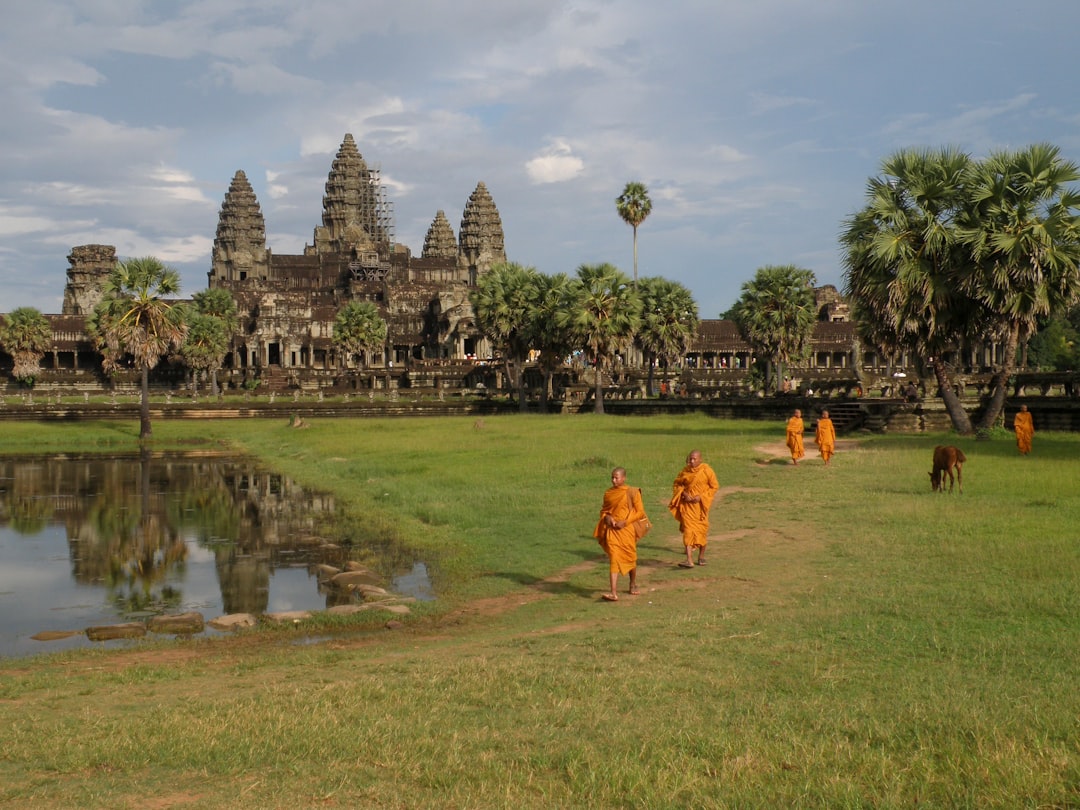
Angkor Wat stands as an enigmatic testament to human ingenuity and spiritual devotion, a sprawling temple complex that emerged from the dense jungles of Cambodia centuries ago. More than just a collection of ancient stones, it represents an engineering marvel, a sophisticated fusion of religious philosophy, astronomical observation, and groundbreaking architectural techniques that continue to astound modern minds. Its sheer scale, intricate detail, and enduring presence speak volumes about the advanced civilization that conceived and constructed it, a civilization that achieved an extraordinary level of understanding in hydraulics, astronomy, and monumental construction. This article delves into the profound engineering achievements that underpin Angkor Wat, exploring the science, artistry, and sheer will that brought this iconic structure to life.
The very bedrock upon which Angkor Wat rests is a testament to foresight and meticulous planning. Understanding the ecological realities of the region, the builders did not simply choose a plot of land but instead engaged in a complex process of site preparation and foundational engineering that ensured the longevity of their monumental undertaking. This involved not only structural considerations but also a deep understanding of hydrology and the management of water, a critical element in the tropical Cambodian environment.
The Hydraulic Masterclass: Managing Water for Stability and Grandeur
The moats surrounding Angkor Wat are not merely decorative features; they are integral to the structural integrity and the symbolic representation of the universe. These vast water enclosures served a crucial purpose in managing the water table, preventing ground saturation that could undermine the sandstone foundations over time. The builders expertly channeled water through an intricate network of canals and reservoirs, a sophisticated hydraulic system that predated similar European advancements by centuries. This system was designed to both drain excess water during the monsoon season and to store it for the dry periods, ensuring a consistent water source and a stable substrate. The precise engineering behind the water management involved understanding gravity, flow rates, and the capacity of the natural landscape, all manipulated to serve the temple’s needs. The engineering of the moats themselves, with their carefully constructed banks and overflow channels, demonstrates a profound understanding of fluid dynamics.
The Subterranean Infrastructure: A Hidden Network of Support
Beneath the visible splendor of Angkor Wat lies a complex network of underground structures and drainage systems. This was not an afterthought but a deliberate design element to ensure the building’s stability and to manage the immense weight of the stone structures. archaeologist have uncovered evidence of extensive sand, silt, and gravel layers that acted as shock absorbers, dissipating ground vibrations and mitigating the effects of potential seismic activity. The clever integration of these subterranean elements highlights a sophisticated understanding of soil mechanics and load-bearing principles, essential for constructing a monument of such immense size and enduring the test of time.
Site Selection and Preparation: Aligning with Nature’s Flow
The choice of location was far from arbitrary. The builders likely conducted extensive geological surveys to identify areas with stable soil conditions. Furthermore, the orientation of Angkor Wat itself speaks to a deep understanding of astronomical alignments and the natural landscape. The temple is aligned precisely with the cardinal points, a feat that required sophisticated surveying techniques. This alignment also often corresponds with the natural topography, suggesting an effort to integrate the man-made structure with the existing environment in a harmonious and stable manner.
The construction of Angkor Wat, one of the most magnificent temple complexes in the world, has long fascinated historians and archaeologists alike. A related article that delves into the intricacies of ancient engineering and cartography can be found at this link: Piri Reis Map Analysis: A Study by the US Air Force. This article explores how ancient civilizations, much like those who built Angkor Wat, utilized advanced techniques and knowledge to create structures and maps that have stood the test of time.
The Monumental Architecture: Lifting Mountains of Stone
The construction of Angkor Wat represents a feat of scale and precision that is breathtaking even by modern standards. The sheer volume of sandstone, quarried and transported over considerable distances, speaks to an unparalleled logistical and labor management system. The construction process itself involved innovative techniques for lifting and placing massive blocks, pushing the boundaries of what was then technologically possible.
Quarrying and Transportation: The Colossal Undertaking
The sandstone for Angkor Wat was quarried from the Kulen Mountains, approximately 40 kilometers away. This massive undertaking involved extracting millions of cubic meters of stone, a process that required skilled labor and a deep understanding of rock mechanics to avoid fracturing the blocks prematurely. The subsequent transportation of these colossal stones, some weighing as much as tons, across land and potentially water routes, showcases an extraordinary logistical prowess. While the exact methods remain a subject of debate, it is theorized that the use of elephants, oxen, and perhaps even ingenious wooden rollers and ramps played a significant role. The sheer organization required to coordinate such an endeavor, including the provision of food, shelter, and tools for thousands of laborers over decades, is a testament to the administrative capabilities of the Khmer Empire.
The Art of the Arch and the Vault: Bridging Spaces with Precision
Angkor Wat features numerous corbelled arches and vaults, a technique that predates the true arch in many other cultures. While not a true keystone arch, the corbelled vault, where each successive layer of stone is projected inwards until the gap is bridged, requires immense precision and careful calculation of weight distribution. The builders understood how to balance the stones to prevent collapse, creating vast interior spaces that were both structurally sound and aesthetically pleasing. The repetitive application of these vaulting techniques on such a grand scale demonstrates a mastery of the principles of structural mechanics and a nuanced understanding of how to manage compressive forces.
The Precision of the Masonry: A Seamless Assembly
The individual stones at Angkor Wat are cut with exceptional precision, fitting together with incredibly tight joints. In many areas, mortar was not used, relying entirely on the weight and interlocking nature of the blocks for stability. This meticulous stone dressing and fitting required highly skilled stonemasons and a rigorous quality control process throughout the construction. The fact that centuries of weathering have not significantly dislodged these stones speaks to the unparalleled accuracy of their craftsmanship and the sheer force of gravity expertly harnessed. This precision extended to the intricate bas-reliefs, where entire narratives were carved into the sandstone with remarkable detail, implying a sophisticated understanding of material properties and carving techniques.
The Astronomical Observatory: Decoding the Cosmos
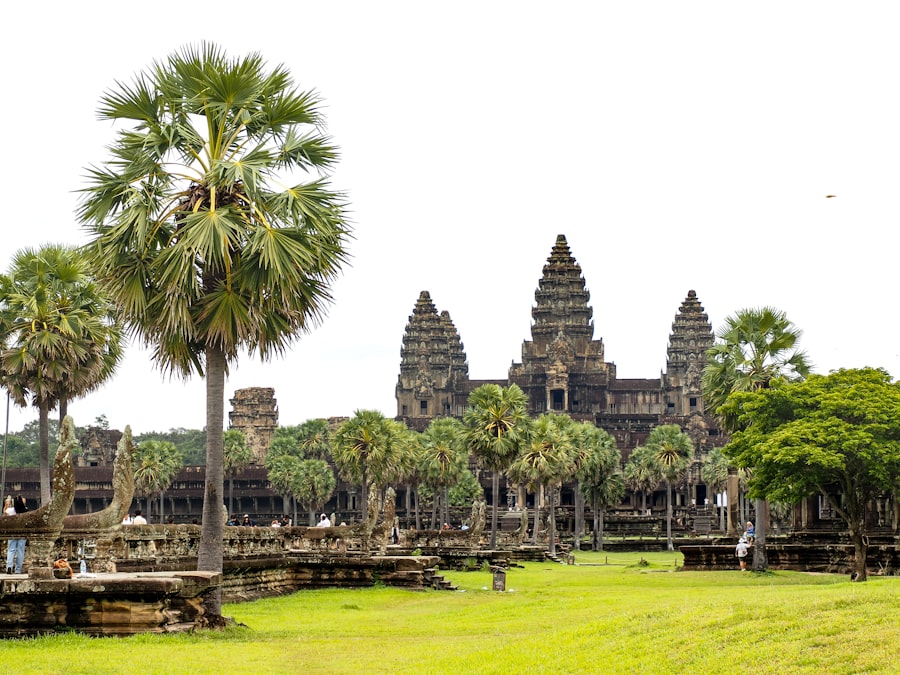
Beyond its structural magnificence, Angkor Wat is deeply interwoven with astronomical observations and celestial alignments. The temple’s orientation, specific chambers, and recurring motifs all point to an advanced understanding of the cosmos and its influence on human affairs, a worldview that informed architectural decisions.
Celestial Alignment: A Sacred Geometry of the Heavens
The precise alignment of Angkor Wat with the cardinal points and its orientation towards the rising sun on the vernal equinox are undeniable proofs of advanced astronomical knowledge. This alignment was not merely symbolic; it was functional, allowing for the tracking of solstices and equinoxes, crucial for agricultural cycles and religious festivals. The precise angle of the central towers, known as the quincunx, is thought to represent Mount Meru, the cosmic mountain at the center of the Hindu and Buddhist universe, with its four surrounding towers representing the cardinal directions. This integration of celestial geometry into architecture reveals a society that saw the cosmos as an intrinsic part of their earthly realm and their spiritual beliefs.
Lunar Cycles and Solar Paths: Architects of Time
Evidence suggests that the builders of Angkor Wat were keen observers of lunar cycles and solar paths. The intricate bas-reliefs often depict scenes that correlate with astronomical events, and certain architectural features may have been designed to capture specific celestial phenomena. The repetition of motifs and patterns within the temple can also be interpreted as reflections of recurring celestial cycles. This understanding of timekeeping and celestial mechanics was essential for guiding agricultural practices, determining auspicious dates for religious ceremonies, and reinforcing the divine order that the temple was meant to embody.
The Observatory as a Spiritual Tool: Connecting Earth and Sky
For the Khmer people, the cosmos was not just a matter of scientific curiosity but a vital spiritual force. Angkor Wat, in its astronomical design, served as a bridge between the earthly realm and the divine. The temple’s alignment and observational features were intended to facilitate a deeper connection with the celestial deities and to ensure cosmic harmony. The very act of constructing a building so meticulously aligned with the heavens was a form of worship, a physical manifestation of their reverence for the cosmic order.
The Symbolic Language of Stone: A Mathematical and Philosophical Blueprint
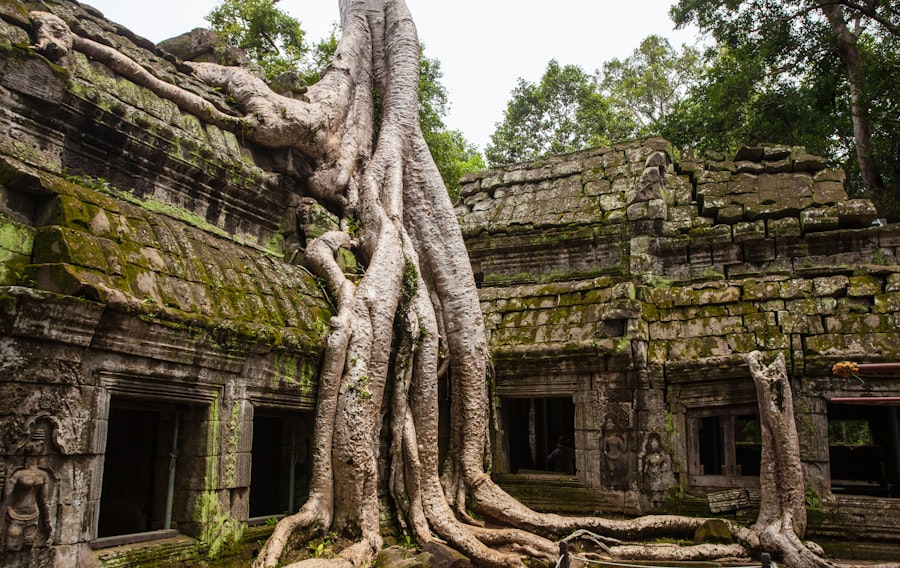
The design of Angkor Wat is replete with symbolic meaning, not just in its iconography but also in its underlying mathematical principles and philosophical underpinnings. Every element, from the recurring numbers to the spatial arrangements, speaks to a carefully considered blueprint that reflects the cosmology and worldview of its creators.
The Sacred Numerology of the Temple: Harmony in Numbers
The presence and repetition of specific numbers throughout Angkor Wat are not accidental. The number five, for instance, is frequently observed, often representing the five peaks of Mount Meru or the five spiritual elements. The number seven is also significant, possibly relating to seven heavens or heptagonal structures. These numerical patterns are not merely decorative; they represent a sophisticated understanding of sacred geometry and its ability to imbue a structure with spiritual power. The architects likely saw these numbers as fundamental building blocks of the universe, and their careful incorporation into the temple’s design was intended to create a microcosm of cosmic order.
The Mandalas of Space: Representing the Universe in Stone
The layout of Angkor Wat, particularly the concentric galleries and courtyard system, can be interpreted as a terrestrial mandala, a symbolic representation of the cosmos. The central sanctuary, representing Mount Meru, is surrounded by increasingly outward layers, symbolizing the earthly plane and the surrounding oceans. This deliberate spatial organization demonstrates a profound understanding of symbolic representation and its power to convey complex philosophical ideas through architectural form. The journey through the temple mirrors a spiritual ascent, moving from the mundane to the sacred.
The Golden Ratio and Harmonic Proportions: An Ancient Aesthetic
While direct evidence is scarce, scholars have noted potential applications of what appears to be the Golden Ratio in the proportions of Angkor Wat. This mathematical constant, which appears frequently in nature and is known for its aesthetic appeal, may have been intuitively understood and applied by the Khmer architects. If true, this would indicate an advanced understanding of aesthetic principles and their mathematical basis, further enhancing the temple’s visual harmony and its perceived perfection. The pleasing proportions and balance seen throughout the structure suggest a sophisticated approach to design that transcends mere functionality.
The construction of Angkor Wat, a marvel of ancient engineering, has fascinated historians and archaeologists for years, shedding light on the ingenuity of the Khmer Empire. To understand the broader context of ancient civilizations and their remarkable achievements, one can explore how other historical mysteries, such as the Piri Reis map, have sparked intrigue and debate. For a deeper dive into this topic, you can read more about it in this insightful article on the Antarctic Conspiracy.
The Legacy of Innovation: Enduring Influence and Modern Admiration
| Construction Period | 12th century to 13th century |
|---|---|
| Construction Time | 37 years |
| Construction Material | Sandstone blocks |
| Size | 162.6 hectares |
| Architectural Style | Khmer |
| Construction Techniques | Corbelling and vaulting |
The engineering achievements of Angkor Wat have left an indelible mark on history, influencing subsequent architectural developments and continuing to inspire awe and respect in the modern era. Its enduring presence is a testament to the brilliance of its creators and the profound understanding of engineering principles that guided its construction.
A Precursor to Advanced Engineering: Unforeseen Discoveries
The complex hydraulic systems, precise stone masonry, and astronomical alignments found at Angkor Wat demonstrate a level of engineering sophistication that was unparalleled for its time. These achievements laid the groundwork for future advancements in architecture and civil engineering, even if their direct influence on later civilizations is difficult to fully trace. The temple stands as a standalone marvel, hinting at a lost chapter of human ingenuity.
The Challenge to Modern Understanding: Continuous Study and Admiration
Even with modern technology, fully deciphering the engineering secrets of Angkor Wat remains an ongoing challenge. Conservationists and engineers continue to study its construction techniques, striving to understand how such a monumental edifice was erected with the tools and knowledge available in the 12th century. The sheer scale, intricate detail, and enduring resilience of the temple continue to captivate and humble those who study it.
A Global Icon of Human Endeavor: Inspiring Generations
Angkor Wat is more than just an archaeological site; it is a global icon that symbolizes the pinnacle of human achievement in architecture, engineering, and spiritual expression. Its enduring beauty and profound complexity serve as a constant reminder of the extraordinary capabilities of past civilizations and inspire current generations to push the boundaries of innovation and creativity. The temple remains a powerful testament to what can be achieved when human ambition, scientific understanding, and artistic vision converge.

The Machine That Kept Angkor Alive
FAQs
1. What is Angkor Wat?
Angkor Wat is a temple complex in Cambodia and is the largest religious monument in the world. It was originally built as a Hindu temple dedicated to the god Vishnu, but later transformed into a Buddhist temple.
2. When was Angkor Wat built?
Angkor Wat was built in the early 12th century, during the reign of King Suryavarman II. Construction is estimated to have taken around 30 years to complete.
3. How was Angkor Wat built?
Angkor Wat was built using a combination of sandstone blocks and laterite, a type of clay-rich soil. The sandstone blocks were quarried from a mountain about 40 kilometers away and transported to the construction site using a network of canals and roads.
4. Who built Angkor Wat?
Angkor Wat was built under the direction of King Suryavarman II, who was a powerful and ambitious ruler of the Khmer Empire. He is credited with commissioning the construction of the temple complex and overseeing its completion.
5. What is the significance of Angkor Wat?
Angkor Wat is not only a significant religious site, but also a symbol of Cambodia and its cultural heritage. It is a UNESCO World Heritage site and attracts millions of visitors each year who come to marvel at its architectural and artistic achievements.