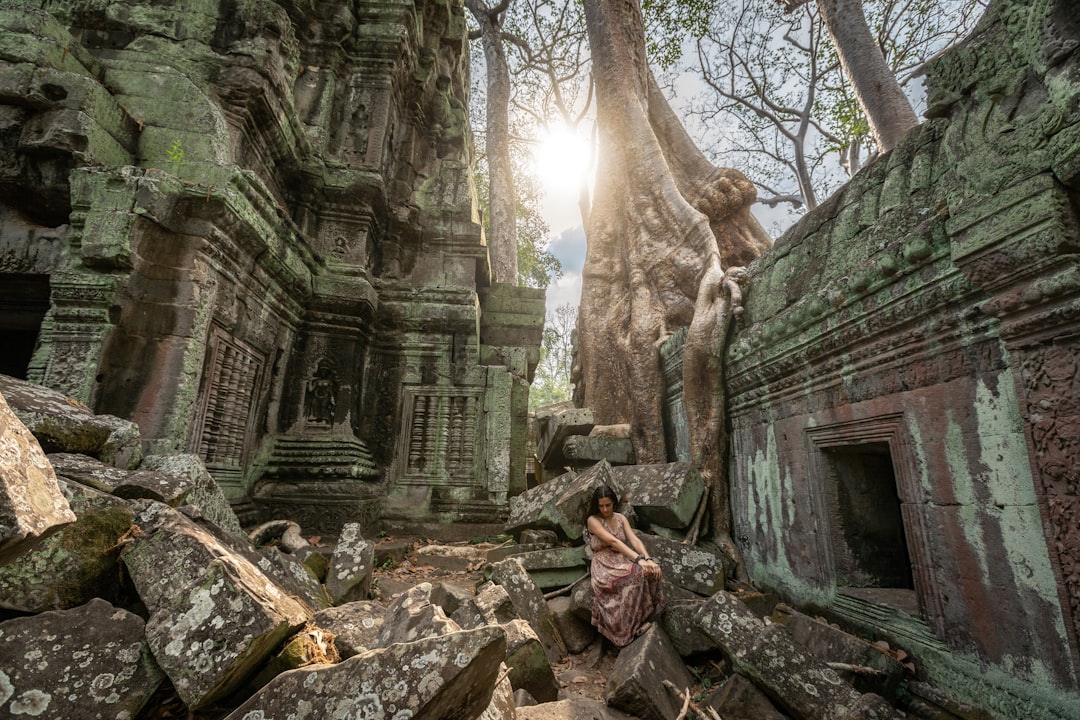
The sheer scale and intricate artistry of Angkor Wat are testaments to the enduring spirit of the Khmer people, a spirit mirrored in the ancient temple complex itself. For centuries, Angkor Wat has stood against the vagaries of time, conflict, and the encroaching jungle, a silent sentinel guarding the history and soul of Cambodia. Its resilience is not merely a matter of stone and mortar; it is a profound narrative etched in bas-reliefs, whispered in the wind that rustles through its corridors, and felt in the awe it inspires in all who walk its hallowed grounds. This remarkable endurance, against all odds, has cemented Angkor Wat’s place not just as a UNESCO World Heritage site, but as a powerful symbol of national identity and human perseverance.
A Celestial City on Earth
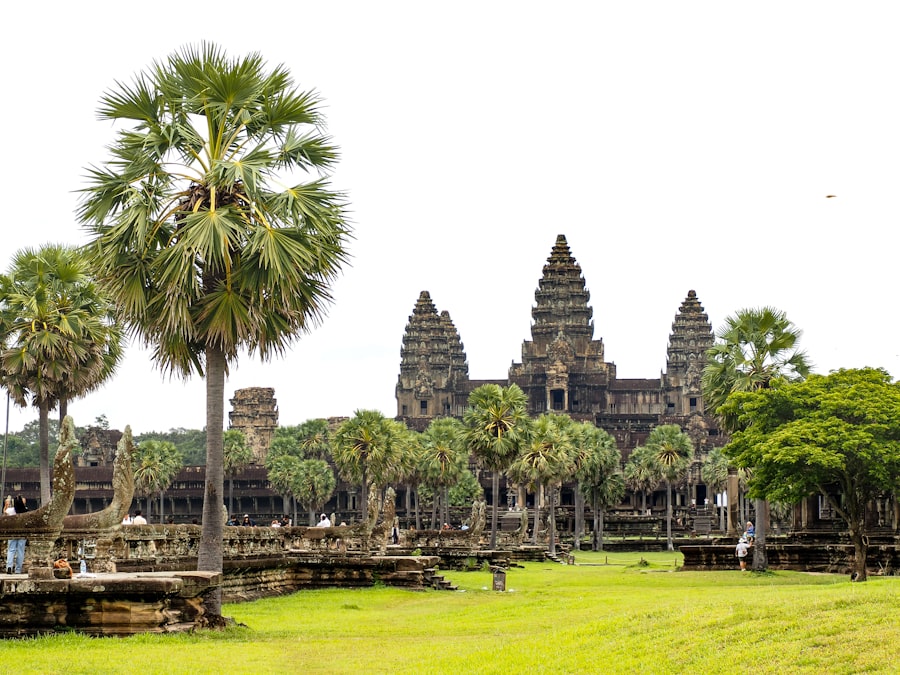
Angkor Wat, meaning “City of Temples,” is a breathtaking monument to the zenith of the Khmer Empire, built in the early 12th century under the reign of King Suryavarman II. It was originally conceived as a Hindu temple dedicated to Vishnu, reflecting the empire’s cosmopolitan religious landscape. The architects and artisans of the era possessed an unparalleled understanding of engineering and aesthetics, creating a structure that was both awe-inspiring and deeply symbolic. The temple’s layout is a meticulously designed cosmic map, with its five towers representing Mount Meru, the mythical abode of gods, surrounded by a moat symbolizing the cosmic ocean. The sheer ambition of its construction, undertaken without modern machinery, speaks volumes about the organizational prowess and sheer manpower of the Khmer civilization.
Architectural Prowess and Symbolic Resonance
The architectural brilliance of Angkor Wat is undeniable. Built primarily of sandstone, the temple complex spans an incredible area, with towering walls, intricate galleries, and the iconic central quincunx of towers. The precision with which these massive blocks were quarried, transported, and meticulously fitted defies easy explanation. Each element of the design is laden with meaning, from the celestial motifs in the carvings to the specific orientation of the temple towards the west, a direction associated with the setting sun and often with Vishnu. The detailed bas-reliefs that adorn the gallery walls are a visual encyclopedia of Hindu mythology, historical events, and the daily life of the Khmer people. These narratives, preserved in stone, offer an invaluable glimpse into a civilization at its peak, showcasing its beliefs, its conflicts, and its aspirations. The durability of the sandstone itself, chosen for its strength and adaptability, has been a key factor in its longevity, allowing it to withstand centuries of weathering.
The Khmer’s Devotion to Vishnu
The dedication of Angkor Wat to Vishnu, one of the principal deities of Hinduism, underscores the significant influence of Indian religious and cultural traditions on the Khmer Empire. The intricate depictions of Vishnu and his avatars, along with scenes from the Ramayana and the Mahabharata, are central to the temple’s iconography. This religious focus was not merely a matter of personal piety; it was integral to the political ideology of the Khmer kings, who often presented themselves as divine rulers or representatives of the gods on earth. The grandeur of Angkor Wat served to legitimize their authority and project the power and glory of their empire to both their subjects and the wider world. The careful integration of religious symbolism into every aspect of the temple’s design demonstrates a profound understanding of how architecture could be used to convey spiritual and political messages.
Angkor Wat, the magnificent temple complex in Cambodia, continues to stand as a testament to the ingenuity and resilience of the Khmer Empire, attracting millions of visitors each year. Its enduring presence can be attributed to a combination of robust architectural techniques, the use of local materials, and the dedication of preservation efforts over the years. For a deeper understanding of how historical structures like Angkor Wat can influence modern economic trends, you might find it interesting to read about the impact of nearshoring on inflation in this related article: The Impact of Nearshoring on Inflation.
The Vagaries of Time and Conflict
The Shift to Buddhism and Neglect
As the Khmer Empire’s fortunes waned, so too did the prominence of Angkor Wat as a center of Hindu worship. The rise of Theravada Buddhism in the region led to a gradual transformation of the temple. While not entirely abandoned, its significance shifted, and its upkeep, particularly in the face of natural forces and subsequent political instability, began to decline. The encroaching jungle, with its relentless roots and vines, started to reclaim the magnificent stone structures, creating a dramatic and haunting spectacle. This period of neglect, though detrimental in some respects, paradoxically helped to protect certain areas of the temple from more direct human-induced damage. The jungle acted as a natural camouflage, shielding Angkor Wat from the prying eyes and destructive intentions of later invaders for a time.
The Scars of War and Occupation
The history of Cambodia is fraught with periods of intense conflict, and Angkor Wat bears the indelible marks of these struggles. Following periods of decline and the eventual abandonment of Angkor as the capital city, the site experienced further turmoil. Although it largely escaped the systematic destruction seen in other ancient monuments in different parts of the world, it was not untouched. During periods of Siamese (Thai) invasion and occupation, and later during the French colonial era and the devastating Khmer Rouge regime, fragments of its carvings were sometimes looted or damaged. The most profound disrespect, however, was the deliberate attempt by the Khmer Rouge to erase Cambodia’s rich past and its cultural heritage, which included the desecration and neglect of sites like Angkor Wat. The resilience of the temple, therefore, is not just a story of physical survival, but also a testament to its ability to endure psychologically and emotionally through periods of profound national trauma.
The Silent Witness to Change
Despite the turmoil, Angkor Wat remained a silent witness to the ebb and flow of Cambodian history. It saw the rise and fall of dynasties, endured invasions, and weathered the silent spread of nature. Each epoch left its subtle imprint, a testament to the continuous, albeit often difficult, human experience within its shadow. Even when not the primary focus of worship or political power, the colossal structure continued to exert a gravitational pull, drawing people to its presence for solace, for remembrance, and for a connection to their ancestral past. Its enduring physical presence provided a constant reminder of a glorious history, even when that history was shrouded in hardship. The sheer persistence of the structures, even in a state of decay, served as a beacon of hope and a symbol of continuity.
The Jungle’s Embrace and Restoration’s Triumph
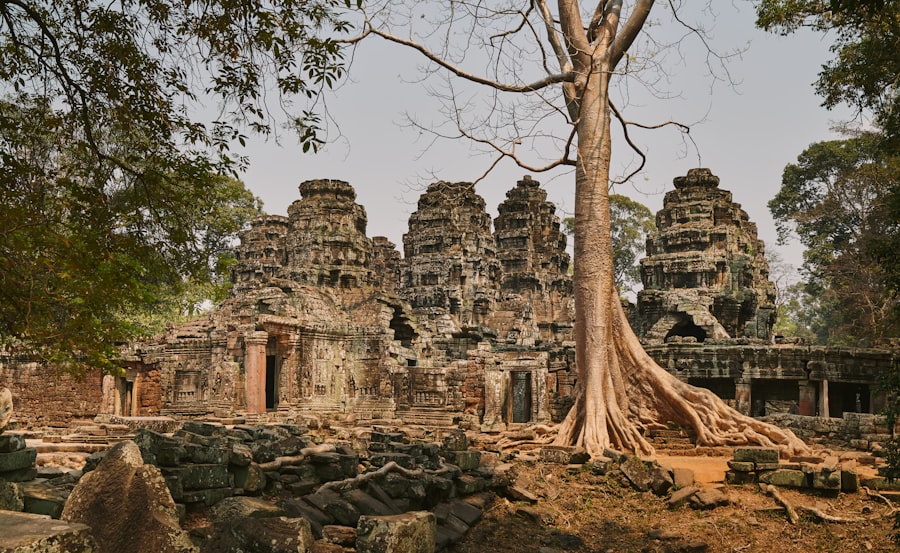
Nature’s Slow Reclamation
The story of Angkor Wat’s resilience is deeply intertwined with the power of nature. For centuries, the jungle was allowed to weave its verdant embrace around the temple’s stone arteries. Massive trees grew through courtyards, their roots prying apart ancient blocks, and thick vines draped over galleries like spectral tapestries. This process of reclamation, while visually stunning and adding to the mystique of the site, also posed significant threats to the structural integrity of the buildings. The moisture retained by the vegetation, coupled with the physical pressure of roots, contributed to erosion and the weakening of stone. Yet, this same embrace also acted as a shield, concealing the temples from those who might have sought to exploit or destroy them. The jungle’s patient work created a unique ecosystem that, in a strange way, preserved the essence of Angkor Wat by deterring more vigorous human intervention for a considerable period.
The Dawn of a New Era: Conservation Efforts
The late 19th and early 20th centuries marked a pivotal turning point with the advent of systematic conservation efforts. French archaeologists, captivated by the grandeur of Angkor, began the arduous task of clearing the jungle and stabilizing the structures. This was not a simple act of clearing; it required a deep understanding of the temple’s construction and a delicate hand to avoid further damage. The work was painstaking, involving the removal of overgrowth, the reinforcement of crumbling walls, and the meticulous cataloging of every stone and carving. This marked the beginning of a dedicated, albeit often interrupted, journey to preserve Angkor Wat for future generations. The success of these early efforts laid the groundwork for ongoing international collaboration in heritage preservation.
The Challenge of Modern Threats
Despite the triumphs of restoration, Angkor Wat continues to face modern threats. Mass tourism, while economically vital, places immense pressure on the ancient stones through foot traffic and environmental impact. Climate change, with its unpredictable weather patterns and rising temperatures, also poses new challenges. Furthermore, the ongoing need for skilled conservators and adequate funding remains a constant concern. The battle for Angkor Wat’s preservation is a continuous one, requiring vigilance, innovation, and a global commitment to safeguarding this irreplaceable treasure. The delicate balance between allowing visitors to experience the wonder of Angkor and protecting its fragile ecosystem is a perpetual challenge for its custodians.
A Symbol of Enduring Spirit
The Rebirth of a Nation
For Cambodia, Angkor Wat is more than just an archaeological site; it is the pulsing heart of its national identity. Following decades of suffering and destruction, the temple has become a potent symbol of the nation’s resilience and its unwavering spirit. As Cambodia rebuilt itself, Angkor Wat stood as a proud reminder of its glorious past and a beacon of hope for the future. Its image graces the national flag, a constant visual affirmation of shared heritage and national pride. The restoration and protection of Angkor Wat have become synonymous with the nation’s own journey towards recovery and self-determination, embodying the collective will of the Khmer people to overcome adversity and rebuild their civilization.
The Inspiration for Art and Culture
The artistic marvels of Angkor Wat have inspired generations of artists, scholars, and storytellers. The intricate carvings, the harmonious proportions, and the sheer imaginative power of its creators continue to resonate. Contemporary Cambodian artists draw inspiration from its forms and motifs, finding new ways to express their cultural heritage in modern mediums. Writers and historians delve into its bas-reliefs, seeking to unlock deeper understandings of the Khmer past. The temple’s enduring presence fuels a vibrant cultural landscape, ensuring that the legacy of Angkor Wat is not confined to stone but lives on in the creative expressions of its people. This constant reinterpretation keeps the spirit of Angkor alive and relevant.
A Global Cultural Beacon
Angkor Wat’s significance extends far beyond Cambodia’s borders. As a UNESCO World Heritage site, it represents a shared human heritage, a testament to the ingenuity and artistic achievements of past civilizations. It attracts visitors from all corners of the globe, fostering cross-cultural understanding and appreciation. Its story of resilience against the odds serves as a universal reminder of the importance of preserving cultural heritage and the enduring capacity of humanity to create beauty and meaning even in the face of adversity. The global community, through its support for conservation efforts, has recognized Angkor Wat as a treasure belonging to all, a reminder of our interconnectedness and our shared responsibility to protect such wonders.
Angkor Wat, a testament to the ingenuity of ancient Khmer architecture, continues to captivate visitors with its grandeur and resilience. The temple complex has withstood the test of time, largely due to its robust construction techniques and the natural environment that has both challenged and protected it. For a deeper understanding of how historical sites can endure or succumb to the forces of nature and human intervention, you might find it interesting to explore the article on the challenges faced by archaeological sites in “The Curse of the Mummy’s Tomb: The Dig That Should Have Stayed Buried” available here.
The Unfolding Narrative of Resilience
“`html
| Reasons | Explanations |
|---|---|
| Engineering | The temple was built with a sophisticated drainage system and a cleverly designed foundation to withstand the region’s monsoon rains. |
| Materials | The use of durable sandstone blocks and a special type of mortar contributed to the structural integrity of Angkor Wat. |
| Religious significance | The spiritual and cultural importance of the temple motivated continuous maintenance and preservation efforts over the centuries. |
| Conservation | Ongoing restoration and conservation projects have helped to protect and maintain the temple’s structural stability. |
“`
From Ruin to Renaissance
The journey of Angkor Wat from a partially ruined, jungle-overgrown relic to a meticulously conserved architectural masterpiece is a profound narrative of resilience. It is a story that began with the audacious vision of ancient kings, endured centuries of neglect and conflict, and is now sustained by the dedicated efforts of conservators and the enduring pride of the Cambodian people. This continuous process of rediscovery, preservation, and reinterpretation ensures that Angkor Wat remains a living monument, not a static relic. Each generation adds its chapter to its ongoing story, highlighting its adaptability and its capacity to inspire anew. The sheer fact that we can still marvel at its splendor is a testament to the enduring power of its initial creation and the subsequent commitment to its survival.
The Echoes of the Past, the Promise of the Future
The stones of Angkor Wat hold within them the echoes of a glorious past, the whispers of forgotten rituals, and the tales of a powerful empire. But they also offer a promise for the future. They stand as a testament to what humanity can achieve when driven by vision, skill, and a deep connection to their heritage. The resilience of Angkor Wat is not just a historical fact; it is a living lesson, a profound source of inspiration, and a powerful reminder that even in the face of immense challenges, beauty, culture, and the human spirit can endure and ultimately triumph. The ongoing conservation efforts ensure that these echoes will continue to resonate for centuries to come, guiding and inspiring future generations of Cambodians and the world at large.
The Enduring Power of Stone and Spirit
Ultimately, the timeless resilience of Angkor Wat lies in the potent combination of its magnificent stone architecture and the indomitable spirit of the Khmer people. The physical structure, though battered by time and conflict, has proven remarkably enduring. Yet, it is the unwavering pride, the profound cultural connection, and the continuous dedication to its preservation that truly imbue Angkor Wat with its lasting power. It is a monument that speaks not only of ancient glories but also of the enduring strength of a civilization that refuses to be erased. The enduring quality of the sandstone, meticulously shaped by hands centuries ago, coupled with the persistent spirit of a nation, makes Angkor Wat a truly exceptional and enduring wonder of the world. Its very existence is a whisper of eternity against the fleeting nature of human endeavors.

The Machine That Kept Angkor Alive
FAQs
1. What is Angkor Wat?
Angkor Wat is a temple complex in Cambodia and is the largest religious monument in the world. It was originally built in the early 12th century as a Hindu temple, and later transformed into a Buddhist temple.
2. How was Angkor Wat constructed?
Angkor Wat was constructed using sandstone blocks quarried from the Kulen mountains and transported to the site using a network of canals. The blocks were then carved and fitted together without the use of mortar.
3. Why does Angkor Wat still stand today?
Angkor Wat still stands today due to the advanced engineering and construction techniques used by the Khmer Empire. The temple’s stability is also attributed to its symmetrical design, which helps distribute the weight of the structure evenly.
4. What are some of the challenges facing Angkor Wat’s preservation?
Some of the challenges facing Angkor Wat’s preservation include environmental factors such as humidity, vegetation growth, and erosion. Additionally, tourism and visitor traffic can also contribute to wear and tear on the monument.
5. What efforts are being made to preserve Angkor Wat?
Efforts to preserve Angkor Wat include ongoing restoration and conservation projects, as well as the implementation of visitor management strategies to minimize the impact of tourism on the site. Additionally, research and monitoring initiatives are being conducted to better understand and address the preservation needs of the monument.