The allure of harnessing nature’s colossal power has captivated human ingenuity since the dawn of civilization. Among the most potent and enduring forces available, water has consistently played a pivotal role, shaping societies, fueling economies, and enabling remarkable feats of engineering. The story of water-powered civilizations is not simply a collection of historical anecdotes; it is a testament to humanity’s capacity for innovation, adaptation, and the profound reliance on the dynamic energy of rivers, streams, and tides. From the earliest rudimentary waterwheels to sophisticated hydraulic systems that sustained sprawling metropolises, the journey of water as a force for progress has been both awe-inspiring and transformative.
The story of water-powered civilizations begins with the fundamental human need to lighten labor and amplify productivity. Early societies, primarily agrarian, recognized the potential of flowing water long before they could precisely quantify its energy. The initial applications were often simple yet revolutionary, marking the first conscious steps towards harnessing nature’s might.
The Dawn of Mechanical Advantage: The Waterwheel’s Emergence
The invention and widespread adoption of the waterwheel represent a seminal moment in human history. While its exact origins remain debated, evidence suggests its emergence in the Hellenistic period of ancient Greece and its subsequent Flourishing in the Roman Empire. The principle was elegant: the kinetic energy of moving water was used to rotate a wheel, which in turn powered simple mechanisms.
Types of Early Waterwheels and Their Functionality
The earliest waterwheels were typically undershot, meaning the wheel was placed in a stream, and the current pushed against the paddles from below. This design was relatively simple to construct but relied on the consistent flow of water. As technology advanced, overshot and breastshot wheels were developed.
Undershot Wheels: Simplicity and Ubiquity
Undershot wheels were the workhorses of early mechanical power. Their simplicity made them accessible and adaptable to a wide range of environments. They were primarily used for grinding grain, a foundational task in any settled society. The constant motion of the wheel, driven by the relentless push of the river, allowed for continuous operation, significantly reducing the manual labor required for milling. This freed up human and animal resources for other agricultural and craft activities, contributing to surplus production and population growth.
Overshot Wheels: Efficiency and Power Augmentation
Overshot wheels, a later innovation, captured water at the top of the wheel, allowing gravity to add its considerable force to the rotation. This design was significantly more efficient than the undershot wheel, capable of generating more power with a smaller water source. The construction of an aqueduct or a millrace to channel water to the top of the wheel was a more complex undertaking, but the increased output justified the effort. These were crucial for powering heavier machinery and more demanding tasks.
Breastshot Wheels: A Hybrid Approach
Breastshot wheels occupied a middle ground, receiving water at the midpoint of the wheel. They offered a balance of efficiency and construction simplicity, making them a versatile option for various applications. Their adaptability made them a common sight in many early industrial settings.
The Impact on Agriculture and Food Production
The proliferation of watermills had a profound and often understated impact on agricultural output. The ability to efficiently grind grain into flour meant that larger quantities of food could be processed, supporting growing populations and contributing to food security. This also had social implications, as the ownership and operation of milling facilities became sources of wealth and influence. The transition from manual grinding with querns to water-powered mills was a monumental leap in productivity, a cornerstone of early civilization’s growth.
Beyond Milling: Early Applications of Water Power
While milling was undoubtedly the most widespread application, early engineers recognized the broader potential of water power. Simple gears and shafts could be attached to waterwheels to drive other mechanisms, laying the groundwork for more sophisticated applications.
Pumping and Irrigation Systems
The ability to move water was as crucial as the ability to grind grain. Early civilizations developed rudimentary water-lifting devices powered by waterwheels, such as Archimedes’ screws or chain pumps, to irrigate crops and supply water to settlements. This was particularly vital in arid and semi-arid regions, where agricultural productivity depended on the ability to manage water resources effectively. The development of these systems allowed societies to expand into less fertile lands and increase overall food yields.
Early Metalworking and Craftsmanship
The consistent power generated by waterwheels also found application in early metalworking. Water-powered bellows could be used to stoke furnaces for smelting ores, and trip hammers powered by waterwheels could flatten and shape metal more effectively than manual methods. This enabled the production of stronger tools, weapons, and decorative objects, contributing to technological advancement and the development of specialized crafts.
Throughout history, water has been a vital resource for the development of civilizations, influencing agriculture, trade, and urban planning. An intriguing exploration of how water shaped societies can be found in the article about the Topkapi Palace and the Piri Reis map. This piece delves into the significance of water routes and their impact on the Ottoman Empire, highlighting how access to water sources facilitated trade and cultural exchange. For more insights on this topic, you can read the article here: Exploring Topkapi Palace with Piri Reis Map.
Roman Engineering and the Grandeur of Hydraulic Systems
The Roman Empire stands as a paramount example of a civilization that masterfully integrated water power into its infrastructure and societal functioning. Their engineers were not just builders; they were innovators who understood the principles of hydraulics and applied them on an unprecedented scale. The aqueducts, bathhouses, and industrial mills of Rome are enduring testaments to their sophisticated understanding and application of water’s forces.
Aqueducts: The Arteries of Roman Life
Roman aqueducts are marvels of ancient engineering, a testament to their ability to transport vast quantities of water over long distances. While gravity was the primary force driving the water, the meticulous planning and construction, often involving tunneling and bridges, required a deep understanding of water flow and pressure.
Gravity-Fed Systems: The Foundation of Roman Water Supply
The Romans understood that water naturally flows downhill. Their aqueduct systems were designed with a gentle, consistent gradient, allowing water to be transported from distant springs and rivers to urban centers. This gravity-fed system was remarkably efficient and sustainable, providing a constant flow of clean water for drinking, sanitation, and public fountains.
The Engineering Behind Aqueduct Construction
The construction of these monumental structures involved sophisticated surveying techniques, precise stone cutting, and the use of concrete. Engineers had to account for terrain, elevation changes, and potential blockages to ensure a continuous water supply. The commitment to maintaining these systems was equally impressive, with dedicated workers ensuring their functionality.
The Social and Economic Impact of Accessible Water
The ample supply of water provided by aqueducts had a transformative impact on Roman society. It enabled the construction of elaborate public baths, essential for hygiene and social interaction. It also supported large urban populations, facilitating sanitation and reducing the incidence of waterborne diseases. Industrially, this water supply powered mills and facilitated various manufacturing processes, contributing to the economic prosperity of the empire.
Roman Mills and Industrial Applications
Beyond public works, the Romans were adept at employing water power for industrial purposes. Their mills were not confined to grain grinding; they extended to various manufacturing processes, showcasing a nascent industrial revolution.
Early Industrial Mills: Beyond Grain
Roman engineers utilized water power to drive machinery for a variety of industries. This included sawmills for timber, fulling mills for cleaning wool, and paper mills for producing parchment. The ability to mechanize these processes significantly increased their output and efficiency, laying the groundwork for future industrial development.
The Pompeii Mills: A Glimpse into Roman Industry
The well-preserved mills of Pompeii offer invaluable insights into Roman milling technology. These establishments, powered by waterwheels, demonstrate the scale and sophistication of Roman industrial endeavors. Evidence suggests a complex network of mills operating within the city, catering to the needs of its inhabitants.
Water-Powered Workshops and Manufacturing
The application of water power extended to workshops where artisans and craftspeople utilized waterwheels to drive tools like lathes, drills, and polishing machines. This enabled the creation of more intricate and mass-produced goods, influencing trade and the development of specialized industries.
The Use of Water in Roman Metallurgy and Mining
Water played a crucial role in Roman metallurgy and mining operations. Waterwheels powered pumps to drain mines, making deeper extraction possible. They also powered bellows for furnaces, increasing temperatures and efficiency in metal smelting.
Draining Mines and Expanding Resource Extraction
The Roman mining industry was ambitious, and water posed a significant challenge. Waterwheels were ingeniously used to power pumps that removed water from deep mine shafts, allowing access to previously unreachable mineral deposits. This expansion of resource extraction was vital for supplying the empire’s needs for metals, precious stones, and other raw materials.
Punic Wars and the Silver Mines of Spain
The silver mines of Roman Spain, particularly those exploited after the Punic Wars, were a significant source of wealth for the empire. The efficient draining of these mines, facilitated by water-powered pumping systems, was critical to their productivity and the empire’s economic strength.
Medieval Marvels: The Flourishing of Water Power in Europe

Following the decline of the Roman Empire, the momentum of water power did not cease but rather evolved and spread throughout medieval Europe. Monasteries, with their focus on self-sufficiency and agricultural production, became centers of innovation, while towns and cities increasingly relied on watermills for their economic sustenance.
The Monastic Network and Agricultural Revolution
Medieval monasteries were not only spiritual centers but also economic powerhouses. Their often large landholdings and commitment to agricultural self-sufficiency drove the widespread adoption and refinement of watermill technology.
The Benedictine Contribution: Efficiency in Production
The Benedictine Order, in particular, played a significant role in disseminating watermill technology. Their emphasis on the phrase “ora et labora” (pray and work) encouraged the mechanization of laborious tasks, and watermills became indispensable tools for monasteries to achieve this.
Corn Milling and Food Security
The establishment of watermills within monastic estates greatly improved the efficiency of corn milling, a critical aspect of food production. This surplus grain contributed to the sustenance of the monastic community and often supported local populations, enhancing food security during a period of frequent instability.
Beyond Grain: Diversifying Mill Functions
Monasteries recognized the multifaceted utility of water power. They established mills not only for grinding grain but also for fulling cloth, tanning leather, and even crushing olives for oil. This diversification fostered a more self-sufficient and economically robust monastic system.
Urban Growth and Industrialization
As medieval towns and cities grew, so did their demand for goods and services. Watermills became the engines of this burgeoning urban economy, supporting a range of industries and contributing to the rise of a merchant class.
The Guilds and Water-Powered Crafts
Medieval guilds, which organized artisans and craftspeople, often invested in and regulated the use of watermills. These mills provided the power necessary for numerous crafts, from metalworking and woodworking to cloth production and papermaking.
Iron Forging and Blacksmithing
Water-powered trip hammers revolutionized iron forging. The immense force of these hammers, driven by waterwheels, allowed for the efficient shaping and strengthening of iron, leading to the production of better tools, weapons, and agricultural implements, crucial for a developing economy and military.
Paper and Textile Production: Innovations in Manufacturing
The invention of paper mills in the late medieval period, powered by waterwheels, marked a significant leap in the production of written materials, facilitating the spread of knowledge. Similarly, fulling mills, which cleansed and thickened woolen cloth, dramatically increased the output and quality of textiles, a vital commodity in medieval trade.
The Development of Water Lifts and Drainage Systems
The challenges of managing water, especially in low-lying or flood-prone areas, spurred further innovation in water-lifting and drainage technologies powered by water.
Industrial Drainage and Land Reclamation
Watermills were adapted to power pumps for draining marshlands and reclaiming land for agriculture. This was particularly important in regions like the Netherlands, where vast areas of land were below sea level and required constant management of water.
The Dutch Windmills: A Familiar Image, But With Water Roots
While often associated with wind power, the engineering principles behind many Dutch windmills, particularly those used for drainage, were deeply rooted in water-management technologies that had water-powered predecessors. The transition to wind power in some regions was a response to geographical limitations or the availability of resources.
Water Power in Asia: Ancient Traditions and Enduring Ingenuity

While European advancements in water power are often highlighted, Asian civilizations have a rich and ancient history of harnessing water’s force, with innovations that predated or paralleled those in the West. Their approaches often blended technological prowess with a deep respect for the natural environment.
Ancient Chinese Water-Powered Innovations
China boasts a remarkably long and sophisticated history of utilizing water power, with inventions that were centuries ahead of their time. Their focus on irrigation, navigation, and industrial machinery demonstrates a profound understanding of hydraulic principles.
The Water-Powered Spinning Wheel and Loom
Ancient China developed highly efficient water-powered spinning wheels and looms, significantly mechanizing textile production. These innovations allowed for the mass production of silk and other fabrics, a cornerstone of China’s economy and trade.
Silk Production and Economic Dominance
The mechanization of silk production through water power played a crucial role in China’s economic dominance for centuries. The ability to produce vast quantities of high-quality silk made it a highly sought-after commodity along trade routes like the Silk Road.
Sophisticated Irrigation Systems and Canal Technology
The development of elaborate irrigation systems, often powered by waterwheels or ingenious water-lifting devices, was central to Chinese agricultural success. The Grand Canal, a gargantuan feat of engineering, relied heavily on water management and water locks to facilitate trade and transportation.
The Evolution of Water Clocks and Astronomical Devices
Beyond practical applications, the Chinese also developed intricate water-powered devices for scientific observation, such as water clocks and astronomical instruments. These demonstrated a sophisticated understanding of precise water flow and its potential for accurate measurement.
Water Power in the Indian Subcontinent: From Irrigation to Industry
The Indian subcontinent also has a long and varied history of using water power, particularly for agriculture and in the development of early industrial processes.
Irrigation and Agricultural Productivity
Ancient Indian civilizations developed advanced irrigation techniques, including water-lifting devices powered by waterwheels and lever systems, to support agricultural production in diverse climatic conditions. This was essential for sustaining large populations and fostering economic stability.
The Role of Waterwheels in Rice Cultivation
In regions where rice cultivation was prevalent, waterwheels were crucial for irrigating paddy fields, ensuring consistent water supply for this water-intensive crop. This directly contributed to the food security and prosperity of these communities.
Early Industrial Applications and Craftsmanship
Evidence suggests the use of water power in early Indian metallurgy and craft industries, similar to developments in other parts of the world. Water-powered bellows for smelting and hammers for metalworking likely played a role in their technological advancements.
Water Power in the Islamic World: Transmission and Refinement
Following the rise of Islam, the rich traditions of water power from conquered territories were integrated, refined, and disseminated throughout the Islamic world. Scholars and engineers made significant contributions to the understanding and application of hydraulics.
Water-Powered Mills and Agricultural Engineering
Islamic engineers excelled in building and maintaining water-powered mills for grinding grain, pressing oil, and fulling cloth. Their expertise in irrigation and water management was crucial for sustaining agriculture in often arid or semi-arid regions.
The Ingenuity of Water-Raising Machines
The Islamic world saw significant advancements in water-raising machines, including the development of more efficient versions of the noria (a large waterwheel with buckets) and other complex pumping systems. These were vital for supplying water to cities and irrigating agricultural lands.
Hydromechanical Devices and Scientific Inquiry
Islamic scholars also explored the scientific principles behind water power, contributing to the fields of hydraulics and mechanics. They developed complex hydromechanical devices for various purposes, showcasing a blend of practical engineering and theoretical inquiry.
Throughout history, many civilizations have thrived by harnessing the power of water, utilizing advanced technologies to manage this vital resource. For instance, the ancient Romans developed intricate aqueduct systems that not only supplied their cities with fresh water but also showcased their engineering prowess. To explore more about the fascinating technologies that ancient societies employed to control their environments, you can read this insightful article on ancient control technology. These innovations played a crucial role in the sustainability and growth of various cultures, demonstrating the profound impact of water management on civilization development.
The Gradual Shift: From Water to Steam and Beyond
| Civilization | Location | Water Power Usage |
|---|---|---|
| Ancient Egypt | Nile River Valley | Used water wheels to lift water for irrigation |
| Ancient Mesopotamia | Tigris-Euphrates River Valley | Utilized water channels and canals for irrigation |
| Ancient China | Yellow River Valley | Developed water-powered mills for grinding grain |
| Roman Empire | Various locations | Constructed aqueducts to transport water for cities and agriculture |
For millennia, water has been the dominant source of motive power for human civilization. However, the Industrial Revolution, beginning in the 18th century, heralded a profound shift, gradually de-emphasizing the primary reliance on water and ushering in new eras of power generation.
The Rise of Steam Power: A New Engine of Industry
The invention and subsequent refinement of the steam engine marked a paradigm shift in power generation. Steam engines, fueled by burning coal, could be deployed anywhere, independent of rivers and water flow, liberating industry from geographical constraints.
Unshackling Industry from Natural Waterways
The portability and scalability of steam engines were revolutionary. Factories could now be built in cities, near raw materials, or close to markets, leading to rapid urbanization and the growth of industrial centers far from traditional water sources. This gradually diminished the strategic importance of riverside locations for large-scale manufacturing.
The Impact on River Cities and Transportation
While the decline of water-powered mills might seem to suggest a decline in the importance of rivers, their role in transportation persisted and even grew with the advent of steamboats. However, the economic engine of production began to shift away from being directly tied to the presence of flowing water.
The Efficiency and Versatility of Steam
Steam engines offered a consistent and controllable source of power, capable of driving increasingly complex machinery. This allowed for the mechanization of tasks that had previously been too demanding or impractical for water power, leading to unprecedented levels of industrial output.
The Challenge of Water Access and Flow Variability
Despite the inherent advantages of water power, its reliability was always subject to the vagaries of nature. Droughts could cripple mills, and floods could damage their infrastructure, creating periods of forced inactivity.
The Unpredictability of Nature
The dependence on a consistent and sufficient water flow meant that water-powered civilizations were vulnerable to climatic changes. Periods of drought could lead to famine and economic hardship, underscoring the inherent limitations of harnessing such a variable natural force for all needs.
Navigating Droughts and Seasonal Variations
Throughout history, civilizations have developed strategies to mitigate the impact of variable water flow, such as building reservoirs, managing water allocation, and diversifying power sources. However, these were often temporary solutions to an ongoing challenge.
Hydroelectricity: The Modern Resurgence of Water Power
While steam power dominated the Industrial Revolution, the fundamental principle of harnessing water’s energy never truly disappeared. The 20th century witnessed a significant resurgence of water power with the advent of electricity generation.
The Development of Dams and Turbines
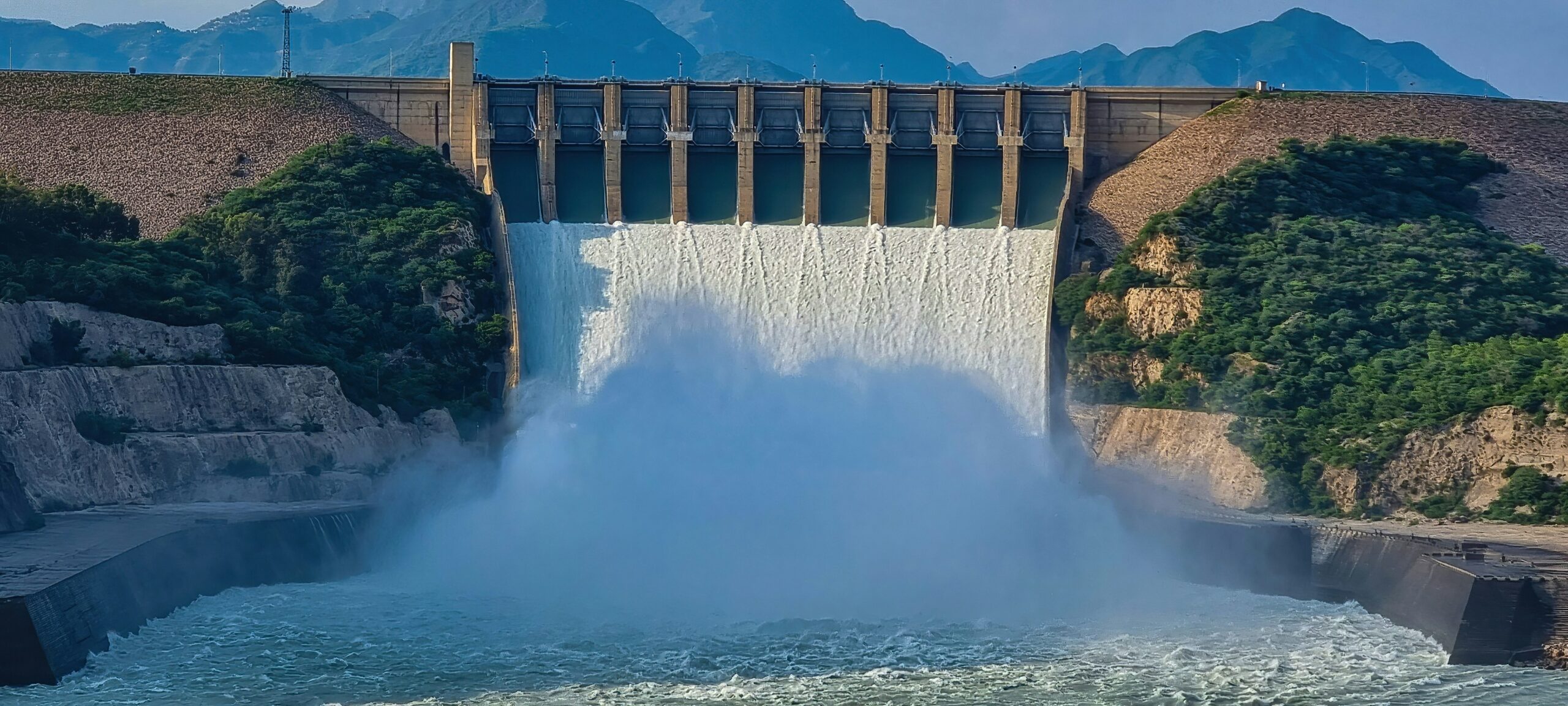
The construction of dams created artificial reservoirs, providing a controlled and consistent flow of water. Modern turbines, far more efficient and powerful than ancient waterwheels, could convert the kinetic energy of falling water into electrical energy on a massive scale.
The Hoover Dam and the Scale of Modern Hydropower
Iconic structures like the Hoover Dam exemplify the immense power that can be harnessed through modern hydroelectric dams. These projects provide electricity for entire regions, supporting industries and powering millions of homes.
A Renewable and Sustainable Power Source
In an era increasingly concerned with the environmental impact of energy production, hydroelectricity stands out as a renewable and relatively clean energy source. While large dams can have ecological consequences, the harnessed power of water continues to be a vital component of the global energy mix. The long arc of water-powered civilizations, therefore, continues into the modern era, albeit in a transformed and technologically advanced fashion.
The story of water-powered civilizations is a continuous narrative of human ingenuity interacting with the immense forces of nature. From the humble waterwheel turning a grindstone to the colossal dams generating electricity for modern cities, water has consistently been a catalyst for progress, shaping economies, fostering innovation, and enabling the very foundations of civilization to be built and sustained. The lessons learned from these historical endeavors continue to inform our present and future relationship with the dynamic and indispensable power of water.

The Machine That Kept Angkor Alive
FAQs
What is a water powered civilization?
A water powered civilization is a society that utilized the power of water, such as rivers, streams, and waterfalls, to drive machinery, power tools, and provide irrigation for agriculture.
What are some examples of water powered civilizations in history?
Some examples of water powered civilizations in history include the ancient civilizations of Mesopotamia, Egypt, and China, as well as the medieval water mills and water wheels in Europe.
How did water power contribute to the development of these civilizations?
Water power contributed to the development of these civilizations by providing a reliable source of energy for various industrial processes, such as grinding grain, sawing wood, and forging metal. It also facilitated the development of irrigation systems for agriculture, leading to increased food production and population growth.
What are some key innovations of water powered civilizations?
Some key innovations of water powered civilizations include the invention of water mills, water wheels, and aqueducts, which allowed for the efficient harnessing and distribution of water power for various purposes.
What is the legacy of water powered civilizations in modern society?
The legacy of water powered civilizations in modern society can be seen in the continued use of hydroelectric power plants, irrigation systems, and water mills for generating electricity, providing water for agriculture, and powering various industrial processes.