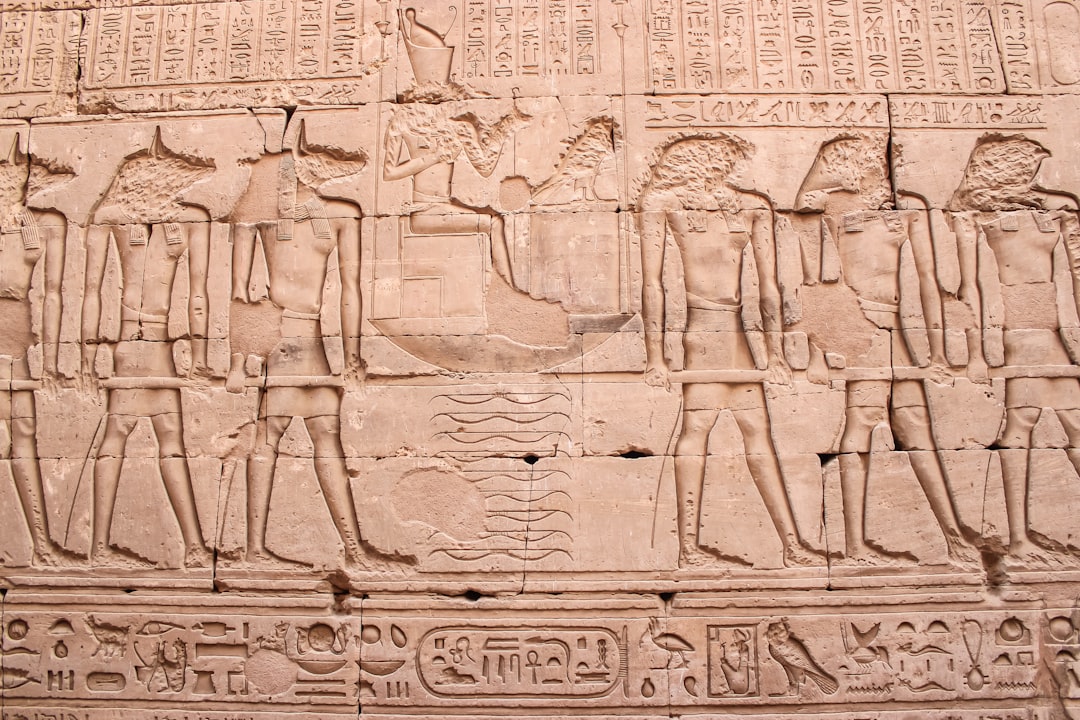
The whisper of wind through desiccated canyons and the murmur of a receding floodplain are not modern anxieties; they are echoes from humanity’s deep past. Long before the advent of industrialization, ancient civilizations faced the relentless challenge of a changing climate. Their survival, and indeed their flourishing, depended on their ingenuity, their deep understanding of natural systems, and their remarkable capacity for adaptation. These societies, scattered across diverse landscapes and eras, developed sophisticated strategies to cope with fluctuations in temperature, rainfall, and sea levels, offering invaluable lessons for our present-day struggle against anthropogenic climate change. Their stories are not merely historical footnotes but a testament to human resilience and a powerful reminder that adaptation is an inherent part of our species’ journey.
The availability of water has always been a cornerstone of civilization. Ancient peoples, keenly aware of its preciousness, developed elaborate systems to capture, store, and distribute water, particularly in regions prone to drought. Their methodologies ranged from grand engineering feats to subtle adjustments in agricultural practices, all aimed at mitigating the impact of water scarcity. These strategies were not abstract theories but lived realities, critical for sustaining populations, producing food, and maintaining social order. The absence of sufficient water could spell the demise of a settlement, leading to migration, conflict, or decline. Therefore, the ability to predict, manage, and conserve water was paramount.
Irrigation Systems: Engineering Life from Arid Lands
One of the most ubiquitous and impactful adaptations to water scarcity was the development of sophisticated irrigation systems. These were not simply ditches dug to channel rain; they represented a profound understanding of hydrology, topography, and soil science. From the Mesopotamians to the Incas, civilizations harnessed the power of rivers and groundwater to transform arid and semi-arid landscapes into fertile breadbaskets.
The Canals of Mesopotamia: Taming the Tigris and Euphrates
Mesopotamian civilizations, situated in the fertile crescent between the Tigris and Euphrates rivers, were pioneers in large-scale irrigation. Between the 4th and 3rd millennia BCE, they constructed vast networks of canals, dikes, and reservoirs. These systems, often managed communally or by priestly classes, diverted water from the main rivers to irrigate fields of barley, wheat, and dates. The construction and maintenance of these canals required immense labor and organized cooperation, forming the backbone of their political and social structures. The sheer scale of these projects is staggering, demonstrating a long-term vision and a deep commitment to agricultural sustainability. The success of Mesopotamian civilization, and its eventual struggles with soil salinization, are inextricably linked to its mastery and eventual over-reliance on these water management techniques.
The Nile River and Egyptian Agriculture: A Predictable Cycle
Ancient Egypt’s relationship with water was unique, centered on the predictable annual inundation of the Nile. While not as reliant on complex canal networks as Mesopotamia, Egyptians developed sophisticated water-lifting devices and flood control measures to maximize the benefits of the flood. Shadufs, simple lever systems, were used to lift water from the Nile to higher fields, extending the reach of irrigation. Basin irrigation, where fields were divided into basins that filled during the flood and then drained slowly, allowed for controlled watering and sediment deposition. The Egyptians’ understanding of the Nile’s rhythm was so profound that their calendar was based on its cycles, further integrating their lives with this life-giving force. The regularity of the inundation, influenced by climatic patterns in distant Ethiopia, made Egyptian agriculture remarkably stable for millennia.
Inca Terracing and Water Management: Engineering the Andes
The Inca Empire, renowned for its architectural prowess, also developed extraordinary water management systems in the challenging terrain of the Andes. Their famous agricultural terraces, or andenes, were not just for preventing soil erosion; they were integral to a complex hydrological system. Water was channeled from mountain springs and snowmelt through intricate networks of aqueducts, often carved directly into stone. These aqueducts fed the terraces, allowing for the cultivation of crops at high altitudes. The Incas also developed underground channels to protect water from evaporation and used sophisticated reservoir systems to store water. This mastery allowed them to sustain a large population in a region that would otherwise be inimical to widespread agriculture. The careful engineering ensured that water was distributed efficiently and equitably across vast distances and steep slopes.
Water Harvesting and Storage: Capturing Every Drop
In regions with inconsistent rainfall, ancient civilizations developed ingenious methods for harvesting and storing water. These techniques often involved maximizing the natural landscape to capture and retain precious precipitation.
Cisterns and Reservoirs: Ancient Water Banks
From the arid Mediterranean to the rocky hills of the Levant, cisterns and reservoirs were vital for water storage. In Minoan Crete, for example, large rock-cut cisterns collected rainwater from rooftops and surrounding slopes. The Nabataeans, masters of desert survival, built elaborate cisterns and dams to capture flash floods in Wadi Musa, the valley leading to Petra. These structures not only provided water for consumption but also for agriculture and livestock, enabling settlements to thrive in seemingly inhospitable environments. The careful construction of these reservoirs, often lined with waterproof plaster, ensured minimal leakage and longevity.
Fog Catching and Dew Harvesting: Subtle but Effective
In certain coastal and mountainous regions, ancient peoples may have utilized more subtle methods of water harvesting. While direct archaeological evidence can be scarce, ethnographic parallels suggest that communities in areas with frequent fog or significant dewfall may have developed techniques to capture these atmospheric moisture sources. Structures designed to condense fog – perhaps porous materials or specially shaped surfaces – could have provided small but vital amounts of water, particularly during dry spells. Similarly, collecting dew from plants or specially laid surfaces could have been a supplementary water source in certain climates. These methods, while not on the scale of grand irrigation projects, represent a nuanced understanding of microclimates and a resourceful approach to obtaining water.
Ancient civilizations demonstrated remarkable adaptability to their changing climates, employing innovative strategies to ensure their survival and prosperity. For instance, the Maya civilization developed advanced water filtration systems to manage their water resources effectively, which is discussed in detail in the article titled “Pure Water: The Power of Maya Filtration.” This resource highlights how the Maya ingeniously adapted their technology to cope with the challenges posed by their environment. To learn more about their remarkable engineering and its significance in sustaining their society, you can read the article here: Pure Water: The Power of Maya Filtration.
Adapting Agricultural Practices to Environmental Shifts
The success of any civilization is intimately tied to its ability to produce food. When climate patterns shifted, ancient peoples were compelled to adapt their agricultural techniques, often with remarkable success. This involved a deep understanding of crop resilience, soil management, and shifts in planting seasons.
Crop Diversification and Selection: Choosing the Right Seeds
One of the most fundamental adaptive strategies was the diversification and careful selection of crops. Instead of relying on a single staple, ancient civilizations cultivated a variety of crops, some of which were inherently more tolerant to drought, salinity, or temperature fluctuations. This genetic diversity acted as a buffer against famine.
The Millets and Sorghums of Africa and Asia: Drought-Resistant Staples
In the semi-arid regions of Africa and Asia, ancient peoples cultivated drought-resistant grains like millet and sorghum for millennia. These crops thrived in environments where wheat and barley would struggle, forming the dietary foundation for countless communities. Their ability to survive extended dry periods and produce a yield with less water made them crucial for regional food security. The domestication and widespread cultivation of these hardy grains represent a significant adaptation to climatically challenging environments.
Legumes and Tubers: Resilience in the Face of Uncertainty
Beyond grains, the cultivation of legumes (beans, lentils) and tubers (potatoes, yams) offered further diversification. Legumes, through nitrogen fixation, actually improve soil fertility, a vital advantage in less-than-ideal conditions. Tubers, often grown underground, are protected from extreme weather and can be harvested over longer periods. These crops provided essential nutrients and a degree of resilience against the vagilcmatic variability. The Maya, for example, relied heavily on maize but also cultivated beans and squash, a practice known as the “three sisters,” which created a mutually beneficial agricultural ecosystem.
Shifting Cultivation Cycles and Techniques: Working with Nature’s Rhythms
When climate patterns changed, ancient farmers often adjusted their planting and harvesting schedules, or adopted entirely new cultivation techniques to align with the altered environment.
Slash-and-Burn and Rotational Farming: Managing Land in Dynamic Climates
In some tropical and subtropical regions, ancient agriculturalists employed slash-and-burn techniques followed by periods of fallow, or rotational farming. This method involved clearing land by burning vegetation, allowing the ash to fertilize the soil, and then cultivating for a few seasons before allowing the land to recover. While unsustainable at high population densities or with short fallow periods, when practiced with long regeneration cycles and lower population pressures, it allowed for sustainable agriculture in areas with nutrient-poor soils and variable rainfall. This approach recognized the natural cycles of land regeneration and adapted cultivation practices to work with them.
Elevated Fields and Raised Beds: Adapting to Flooding and Waterlogging
In areas prone to periodic flooding or waterlogging, such as the lake regions of Mesoamerica, ancient civilizations developed innovative solutions. The Aztec chinampas, or “floating gardens,” were artificial islands created by layering mud and vegetation in shallow lakebeds. These highly fertile and well-watered plots allowed for intensive agriculture, even in environments subject to fluctuating water levels. Similarly, in flood-prone river valleys, ancient peoples might have constructed raised fields or mounds to elevate crops above the water level during inundation periods, ensuring crop survival.
Architectural and Urban Planning for Climate Resilience

The built environment of ancient civilizations offers a profound testament to their understanding of climate and their strategies for mitigating its effects. From the orientation of buildings to the materials used, ancient architecture was often designed with climatic considerations in mind, providing passive cooling, heating, and protection from the elements.
Passive Cooling and Ventilation: Beating the Heat
In hot and arid or hot and humid climates, ancient urban planners and architects developed ingenious ways to keep interiors cool without resorting to artificial means.
Courtyards and Atriums: Creating Microclimates
The use of courtyards and atriums was a common feature in the architecture of many hot climates, from the Roman domus to the Islamic riwaq. These central open spaces, often featuring fountains or vegetation, created cooler microclimates through evaporation and shading. The surrounding rooms would then benefit from the cooler air circulating from the courtyard, providing a natural form of air conditioning. The open nature of these spaces also facilitated cross-ventilation.
Thick Walls and Small Windows: Insulating Against Extremes
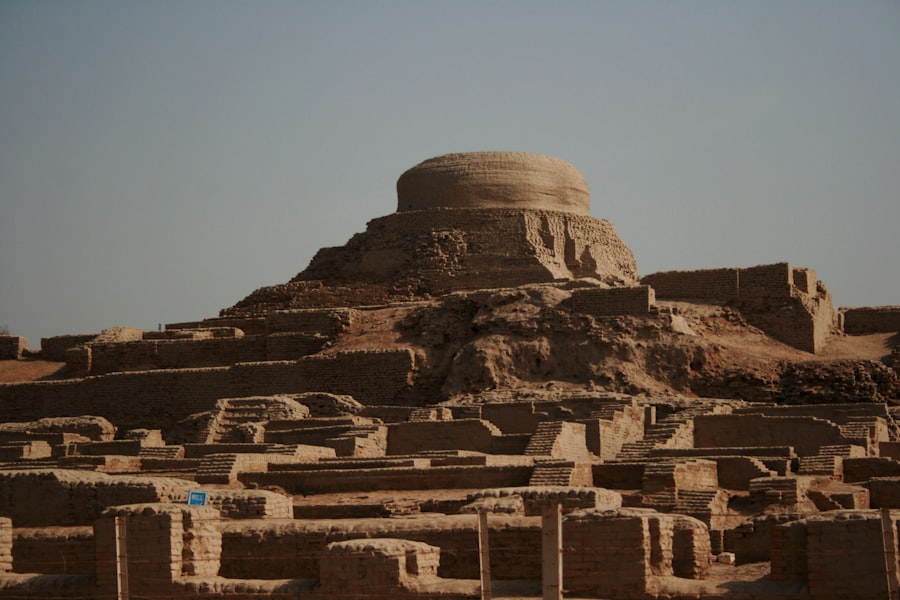
In arid regions, civilizations like the ancient Egyptians and those of the Indus Valley civilization employed thick mud-brick or stone walls. These massive structures provided excellent thermal mass, absorbing heat during the day and slowly releasing it at night, moderating interior temperatures. They also typically featured small, strategically placed windows to minimize direct solar gain and prevent excessive heat penetration. This passive insulation was remarkably effective in maintaining comfortable living conditions.
Windcatchers and Shading Devices: Harnessing Natural Airflow
In some regions, particularly those with consistent breezes, ancient peoples developed sophisticated windcatchers, or badgirs. These architectural elements, often towers rising from rooftops, captured prevailing winds and directed them down into the buildings, providing natural ventilation and cooling. Shading devices, such as deep eaves, awnings, and colonnades, were also integral to preventing direct sunlight from reaching building interiors, further contributing to passive cooling.
Material Selection and Construction Techniques: Building for Durability and Adaptation
The choice of building materials and construction techniques played a crucial role in a civilization’s ability to withstand and adapt to climatic challenges.
Adobe and Rammed Earth: Utilizing Local Resources
In arid and semi-arid regions, adobe (sun-dried brick made from clay, sand, and water) and rammed earth construction were prevalent. These materials are abundant, locally sourced, and possess excellent thermal properties, insulating against both heat and cold. Their use reflects a deep understanding of the local environment and a resourcefulness in utilizing what was available. The thick walls of adobe structures provided natural insulation, buffering interior temperatures against extreme fluctuations.
Stone and Thicker Walls: Resilience Against the Elements
In regions with greater seismic activity or more extreme weather events, stone construction was often favored for its durability and stability. Ancient builders developed sophisticated techniques for quarrying, shaping, and fitting stones, creating structures that could withstand centuries of exposure to the elements. The sheer mass of stone also provided thermal stability, similar to adobe. Civilizations like the Incas and the ancient Greeks, in earthquake-prone zones, demonstrated remarkable skill in creating durable and resilient stone structures that have endured for millennia.
Elevated Foundations and Drainage: Counteracting Waterlogged or Flood-Prone Areas
In areas susceptible to flooding or with high water tables, ancient settlements often incorporated elevated foundations or built on mounds. This was a crucial strategy to protect dwellings and infrastructure from water damage. Furthermore, sophisticated drainage systems, often made of stone or earthenware pipes, were implemented to channel away excess water and prevent waterlogging of agricultural lands and urban areas. The intricate drainage systems of the Indus Valley cities like Mohenjo-Daro are a prime example of this foresight.
Societal Organization and Knowledge Transmission: The Pillars of Resilience
Beyond physical infrastructure and agricultural techniques, the success of ancient civilizations in adapting to climate was deeply rooted in their societal organization and their ability to transmit knowledge across generations. This allowed for collective action, innovation, and the perpetuation of adaptive strategies.
Resource Management and Conservation: A Collective Responsibility
The management of vital resources, particularly water and land, was often a collective undertaking, overseen by social or religious institutions. This ensured that resources were distributed equitably and managed sustainably for the long-term benefit of the community.
Communal Labor and Cooperatives: Building and Maintaining for Survival
The construction and maintenance of large-scale irrigation systems, terraced fields, and defensive structures often required immense communal labor. Societies organized themselves into cooperatives or depended on corvée labor systems, where citizens contributed their time and effort to public works. This shared responsibility fostered a sense of collective ownership and ensured the upkeep of vital infrastructure that was essential for survival in a challenging climate. The success of these projects was a direct outcome of social cohesion and coordinated effort.
Taboos and Religious Sanctions: Enforcing Sustainability
In many ancient societies, resource conservation was intertwined with religious beliefs and practices. Taboos against over-farming, over-hunting, or wasteful water use were often enforced through social pressure and religious sanctions. These cultural norms helped to prevent the depletion of natural resources, acting as an informal regulatory system that promoted long-term sustainability, even in the face of climatic pressures that might otherwise incentivize immediate exploitation.
Knowledge Transmission Across Generations: Preserving Adaptive Wisdom
The ability to pass down accumulated knowledge and adaptive strategies from one generation to the next was crucial for long-term resilience. This occurred through various channels, ensuring that lessons learned from past climatic challenges were not lost.
Oral Traditions and Storytelling: Embedding Knowledge in Culture
Oral traditions, myths, and legends played a vital role in transmitting ecological knowledge, agricultural techniques, and survival strategies. Stories of past droughts, floods, or successful harvests served as mnemonic devices, embedding practical wisdom within the cultural fabric of a society. These narratives provided instructions, warnings, and examples that guided future actions.
Apprenticeship and Skilled Craftsmen: Passing Down Technical Expertise
The transmission of technical skills, such as those involved in irrigation engineering, stonemasonry, or pottery making (crucial for water storage vessels), often occurred through apprenticeships. Experienced craftsmen trained younger generations, ensuring the continuity of essential techniques and furthering innovation within these fields. This hands-on approach guaranteed the practical application of learned knowledge.
Written Records and Observation: Documenting and Learning from the Past
When writing systems developed, they provided a more direct means of recording observations, agricultural calendars, and historical events, including periods of climatic hardship and the responses to them. While not always explicitly focused on climate change, these records offer invaluable insights into the challenges faced by ancient societies and the strategies they employed. The meticulous astronomical observations of the Maya, for example, were linked to their agricultural cycles and calendar, providing a framework for predicting and responding to environmental variations.
Ancient civilizations demonstrated remarkable adaptability to changing climate conditions, which often dictated their agricultural practices, settlement patterns, and social structures. For instance, the way these societies managed resources and developed technologies to cope with droughts or floods is a fascinating topic. A related article that delves into the complexities of historical systems is available at Uncovering Ancient Debt Peonage Systems: A Historical Perspective, where you can explore how economic factors intertwined with environmental challenges in shaping ancient communities.
Lessons from the Past for a Changing Future
| Civilization | Adaptation |
|---|---|
| Ancient Egypt | Utilized irrigation systems to manage water scarcity |
| Mesopotamia | Constructed canals and levees to control flooding |
| Inca Empire | Developed terraced farming to cope with mountainous terrain |
| Indus Valley Civilization | Built sophisticated drainage and sewage systems to manage monsoon floods |
The strategies employed by ancient civilizations to adapt to climate change are not mere historical curiosities; they offer profound lessons for our present-day challenges. Their success stemmed from a deep interconnectedness with their environment, a willingness to innovate, and a capacity for collective action. As we face unprecedented climatic shifts, we can draw inspiration and practical guidance from their ingenuity.
The Importance of Localized and Integrated Solutions
Ancient adaptations were inherently localized and integrated with their specific environments. They did not rely on single, technological fixes but on a multifaceted approach that combined engineering, agricultural science, social organization, and cultural practices. This underscores the need for context-specific solutions to climate change, rather than one-size-fits-all approaches. Understanding the unique ecological and social dynamics of a region is paramount.
Building Resilience Through Diversity and Redundancy
The diversification of crops, the variety of water management techniques, and the multiplicity of building materials all point to the power of diversity as a strategy for resilience. Redundancy in essential systems – having multiple sources of water, different types of crops, and varied construction methods – provided a buffer against unforeseen events. This highlights the importance of fostering biodiversity and building redundant infrastructure.
The Role of Social Cohesion and Knowledge Sharing
The success of ancient societies in adapting to climate crises was often contingent on their social cohesion and their ability to share knowledge effectively. This suggests that addressing climate change requires strong community engagement, effective communication, and mechanisms for sharing best practices and lessons learned, both within and across communities. The preservation and transmission of traditional ecological knowledge should also be prioritized.
A Call for Humility and Long-Term Thinking
Ancient peoples lived in direct and often intimate relationship with their environment. Their survival was a testament to their ability to observe, learn, and adapt over long periods. As we grapple with climate change, we need a renewed sense of humility regarding our own impact on the planet and a commitment to long-term thinking, moving beyond short-term economic gains to ensure the sustainability of our civilizations for generations to come. Their legacy reminds us that adaptation is not a sign of weakness, but a testament to the enduring strength of the human spirit in the face of a dynamic planet.

The Machine That Kept Angkor Alive
FAQs
1. How did ancient civilizations adapt to climate changes?
Ancient civilizations adapted to climate changes by developing agricultural techniques suited to their specific climate, building infrastructure to manage water resources, and creating resilient housing and clothing.
2. What were some common agricultural techniques used by ancient civilizations to adapt to climate changes?
Ancient civilizations used techniques such as terracing, crop rotation, and irrigation to adapt to climate changes. These methods allowed them to grow food in challenging environments and manage water resources effectively.
3. How did ancient civilizations manage water resources to adapt to climate changes?
Ancient civilizations built systems such as canals, reservoirs, and aqueducts to manage water resources. These structures allowed them to store and distribute water for agricultural and domestic use, even in arid or unpredictable climates.
4. What types of resilient housing and clothing did ancient civilizations develop to adapt to climate changes?
Ancient civilizations developed housing and clothing suited to their specific climate. This included using materials such as adobe or stone for insulation, building homes with natural ventilation, and creating clothing from breathable and insulating fabrics.
5. How did ancient civilizations use knowledge of climate patterns to adapt to their environment?
Ancient civilizations observed and recorded climate patterns, allowing them to predict seasonal changes and plan their agricultural activities accordingly. This knowledge also informed their construction of infrastructure and development of resilient technologies.