The flickering candlelight cast long shadows across the dusty excavation site, illuminating the weathered faces of archaeologists and engineers as they painstakingly brushed away centuries of accumulated earth. This was the scene that opened “Uncovering Ancient Infrastructure: A Documentary,” a groundbreaking new film that promised to unearth the forgotten marvels of early human ingenuity. The documentary, a collaborative effort between renowned historical preservationist Dr. Eleanor Vance and veteran filmmaker Marcus Holloway, delves into the intricate and often overlooked systems that formed the backbone of ancient civilizations, challenging long-held assumptions about their technological capabilities.
The initial episodes of “Uncovering Ancient Infrastructure” meticulously laid the groundwork for the film’s central thesis: that ancient societies were not merely builders of monumental structures, but sophisticated engineers who mastered complex logistical and structural challenges. The documentary eschewed the typical focus on temples and palaces, instead turning its lens towards the often-invisible networks that sustained urban life.
Water, the Lifeblood of Empire
One of the most compelling segments focused on the vital role of water management in the rise and fall of civilizations. Viewers were transported to the sun-baked plains of Mesopotamia, where ancient Sumerians, driven by the necessity of agriculture, developed sophisticated irrigation systems thousands of years before their commonly recognized contemporaries.
The Tigris and Euphrates: Rivers of Innovation
The film highlighted how these early civilizations, nestled between the Tigris and Euphrates rivers, learned to harness their power. Using satellite imagery and detailed CGI reconstructions, “Uncovering Ancient Infrastructure” showed how intricate networks of canals, reservoirs, and diversion dams were constructed by hand, requiring an understanding of hydrology and fluid dynamics that was remarkably advanced for the era. Dr. Vance, with her characteristic passion, explained, “These weren’t haphazard ditches. They were meticulously planned arteries, designed to feed arid lands and support burgeoning populations. The sheer scale of labor and organization involved is staggering.”
Roman Aqueducts: Engineering for Eternity
The documentary then shifted to the Roman Empire, a civilization synonymous with its impressive aqueducts. However, “Uncovering Ancient Infrastructure” went beyond the iconic arches, presenting a more nuanced picture. It explored the ingenious use of gravity, surveying techniques precise enough to maintain a consistent gradient over miles, and the development of specialized concrete that allowed for durable, waterproof conduits. Holloway’s cinematography captured the grandeur of these structures, but also the hidden complexity of their construction, from the quarrying of stone to the skilled labor of legions of workers.
The Art of Sanitation: Beyond the Surface
The film argued that sanitation was another critical, yet often disregarded, aspect of ancient urban planning. While modern society often associates advanced sanitation with the 19th and 20th centuries, “Uncovering Ancient Infrastructure” revealed that some ancient cultures possessed surprisingly effective systems.
Minoan Civilization: Early Adopters of Hygiene
The Minoans of Crete provided a fascinating case study. Archaeological digs on the island unearthed evidence of elaborate drainage systems and even primitive flush toilets within the palaces of Knossos. The documentary posited that their advanced understanding of hygiene contributed to their seemingly long-lived and prosperous society. The visual reconstructions of these Minoan sanitation systems, though less visually dramatic than Roman aqueducts, were no less impressive in their implied understanding of public health.
The Roman Cloaca Maxima: A Monument to Waste Management
The Roman Cloaca Maxima, the Great Sewer of Rome, was presented not just as a conduit for waste, but as a testament to their commitment to urban cleanliness. The film explored how this massive undertaking, begun as an open drain and later covered and expanded, played a crucial role in preventing disease outbreaks and making densely populated cities more habitable. The sheer engineering feat of tunneling and constructing such a subterranean network, often under difficult geological conditions, was emphasized by the film’s expert interviews.
In exploring the fascinating world of ancient infrastructure, one cannot overlook the insights provided by the article titled “Uncovering the Map That Rewrites History.” This piece delves into the groundbreaking discoveries that challenge our understanding of ancient civilizations and their engineering marvels. For those interested in how maps and archaeological findings intersect to reshape historical narratives, this article is a must-read. You can find it here: Uncovering the Map That Rewrites History.
Transportation Networks: Connecting the Ancient World
“Uncovering Ancient Infrastructure” dedicated significant time to the sophisticated transportation networks that facilitated trade, communication, and military movements across vast empires. These were not mere paths worn by foot traffic; they were meticulously planned and constructed thoroughfares.
Roman Roads: The Arteries of Empire
The Roman road system, often cited as a marvel of engineering, was explored in depth. The documentary highlighted the distinct layers of construction, from the foundational excavation and drainage to the carefully laid stones and gravel, all designed for durability and efficient travel.
Precision Engineering at its Finest
The film emphasized the precision involved in surveying these roads, often remarkably straight lines that traversed challenging terrain. Using modern surveying equipment alongside historical accounts, the documentary demonstrated how Roman engineers achieved such accuracy, minimizing inclines and descents to make them suitable for heavy traffic and military formations. The visual demonstration of how these roads were built, layer by layer, provided a tangible understanding of the immense labor and expertise involved.
Beyond the Military: Trade and Communication
While the military impetus for road construction was acknowledged, the documentary also underscored their role in fostering trade and the rapid dissemination of information throughout the Roman Empire. The speed at which messages could travel along these paved arteries was unprecedented, contributing to the empire’s administrative efficiency and economic prosperity.
Incan Roads: High-Altitude Engineering
The Incan road system, stretching across the formidable Andes Mountains, presented a different set of engineering challenges. “Uncovering Ancient Infrastructure” showcased the ingenuity required to build roads that climbed impossibly steep slopes, traversed treacherous ravines, and endured harsh weather conditions.
Adapting to the Terrain
The film illustrated how the Incas masterfully adapted their road construction to the natural landscape. They utilized existing natural features, incorporated sophisticated drainage systems to prevent erosion, and even built suspension bridges made of woven fibers to cross canyons. The sheer audacity of building such a network in such an unforgiving environment left viewers in awe. The visual effects demonstrating the construction of these bridges and the methods used to stabilize the roads on steep inclines were particularly captivating.
The Qhapaq Ñan: A Network for Governance
The documentary presented the Qhapaq Ñan, the Incan road network, as an essential tool for governance and administration. Its extensive reach allowed for the rapid movement of officials and resources, enabling the Inca Empire to maintain control over its vast territories. The film explored the logistical challenges of maintaining such a network, including the use of Chasquis, relay runners who could transmit messages across hundreds of miles in remarkably short times.
The Architecture of Survival: Defensive and Public Spaces

“Uncovering Ancient Infrastructure” also delved into the engineering behind ancient defensive structures and the planning of public spaces, revealing a deep understanding of societal needs beyond mere survival.
The exploration of ancient infrastructure provides fascinating insights into the engineering marvels of past civilizations, and it can be further enriched by examining modern advancements in technology. For instance, a recent article discusses the innovative approaches being taken to secure the lunar power grid development, which reflects how ancient techniques can inspire contemporary solutions. You can read more about this intriguing connection in the article found here. This blend of history and modernity highlights the enduring legacy of infrastructure development throughout human history.
Fortifications: Walls Against the World
The construction of formidable defensive walls and fortifications was a common feature of ancient urbanism. The documentary explored the principles of siege warfare and how ancient engineers countered them.
Strategic Placement and Design
From the ramparts of Babylon to Hadrian’s Wall, the film examined the strategic placement of fortifications, taking into account natural defenses and lines of sight. The documentaries’ CGI reconstructions detailed the engineering principles behind their construction, including thick, high walls, strategically placed towers, and fortified gateways designed to withstand prolonged sieges. The analysis of materials used, such as interlocking stone blocks and robust mortar, highlighted the longevity of these structures.
The Psychology of Defense
Beyond the purely mechanical, the film touched upon the psychological impact of these defenses, aiming to project power and deter attackers. The sheer scale and impregnability of these structures were as much a testament to their engineering as to their symbolic importance.
Public Spaces: The Heart of the City
The documentary recognized that ancient cities were not just about defense and infrastructure, but also about community. The planning and construction of public spaces played a vital role in social cohesion and civic life.
Amphitheaters and Arenas: Entertainment and Social Order
The grand amphitheaters of the Roman world, such as the Colosseum, were presented as not just venues for entertainment, but as sophisticated pieces of engineering designed to accommodate tens of thousands of spectators. The film explored the intricate network of corridors, staircases, and seating arrangements, all designed for efficient crowd management and flow. The use of retractable awnings to provide shade was also a surprising highlight.
Agoras and Forums: Centers of Governance and Commerce
The film also highlighted the importance of agoras in Greek city-states and forums in Roman cities. These open spaces served as hubs for political discourse, economic exchange, and social interaction. The documentary showcased how their design, often featuring colonnades, statues, and surrounding public buildings, was intended to foster a sense of community and civic pride. The meticulous planning of these spaces, with consideration for accessibility and sunlight, demonstrated a sophisticated understanding of urban planning principles.
The Legacy of Ingenuity: Lessons for the Future
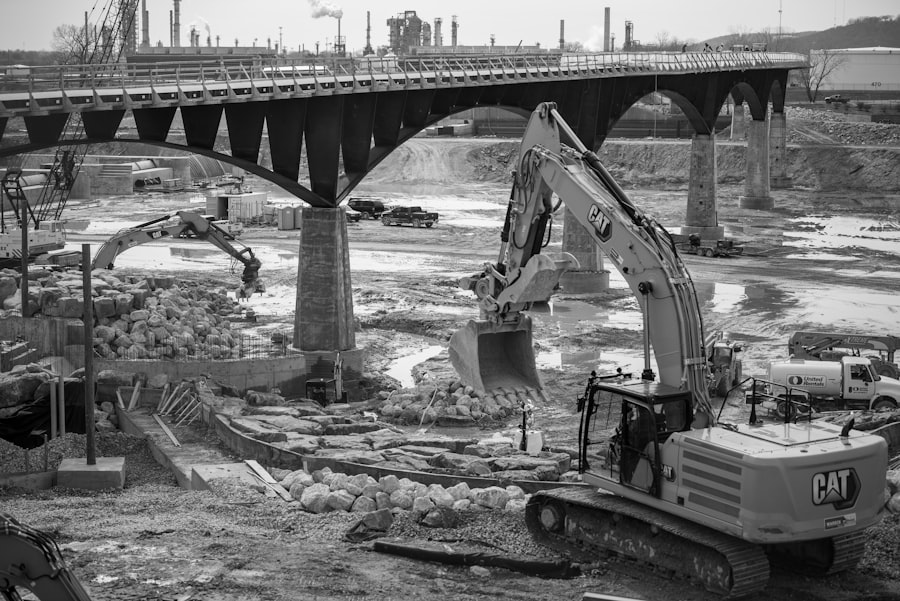
The concluding episodes of “Uncovering Ancient Infrastructure” shifted towards the enduring relevance of ancient engineering. Dr. Vance and Holloway argued that the lessons learned from these ancient builders are not merely historical footnotes but hold valuable insights for contemporary challenges, particularly in the realm of sustainable development and resource management.
Timeless Principles of Sustainability
The documentary emphasized that many ancient infrastructure projects, though built with seemingly rudimentary tools, were remarkably sustainable. Their water management systems, for instance, were designed to work in harmony with natural cycles, minimizing waste and maximizing efficiency. The film highlighted how ancient societies often understood the long-term consequences of their engineering choices, a stark contrast to some modern practices.
Material Innovation and Resourcefulness
The film showcased the incredible resourcefulness of ancient builders, who often utilized local materials and developed innovative techniques to overcome limitations. The use of natural materials like wood, stone, and earth, combined with a deep understanding of their properties, allowed for the construction of structures that have stood the test of time. Holloway’s cinematography beautifully captured the textures and durability of these ancient materials.
Adapting Ancient Wisdom to Modern Needs
“Uncovering Ancient Infrastructure” concluded with a call to action, urging viewers and policymakers to re-examine the often-forgotten achievements of ancient civilizations. The documentary suggested that by understanding the principles behind these ancient marvels, we can gain valuable perspectives on how to build more resilient, sustainable, and equitable societies for the future. The film left audiences with a profound appreciation for the enduring power of human ingenuity, a testament to the fact that even the most ancient structures can offer profound lessons for the modern world. The final scenes, returning to the excavation site bathed in the soft hues of dawn, symbolized the ongoing process of discovery and the timeless nature of the human drive to build, to connect, and to endure.

The Machine That Kept Angkor Alive
FAQs
What is the ancient infrastructure documentary about?
The ancient infrastructure documentary explores the engineering marvels of ancient civilizations, showcasing their advanced knowledge and techniques in building roads, bridges, aqueducts, and other structures.
Which ancient civilizations are featured in the documentary?
The documentary features ancient civilizations such as the Romans, Greeks, Egyptians, and Mesopotamians, highlighting their innovative infrastructure projects and the lasting impact they have had on modern engineering.
What are some of the key infrastructure projects discussed in the documentary?
The documentary discusses key infrastructure projects such as the construction of the Roman roads, the building of the Great Wall of China, the development of the Egyptian pyramids, and the creation of the Mesopotamian irrigation systems.
What can viewers learn from watching the ancient infrastructure documentary?
Viewers can learn about the advanced engineering and construction techniques used by ancient civilizations, as well as the ways in which these infrastructure projects have shaped the development of modern societies.
Where can I watch the ancient infrastructure documentary?
The ancient infrastructure documentary may be available for streaming on various platforms such as Netflix, Amazon Prime, or through educational channels and websites. Viewers can also check with local libraries or educational institutions for access to the documentary.