
Water engineering in ancient times stands as a testament to human ingenuity and an early understanding of the fundamental principles of physics and hydraulics. Long before modern steel, concrete, and sophisticated pumps, ancient civilizations tackled the challenges of water management with remarkable innovation, shaping landscapes, sustaining populations, and fostering the growth of empires. These early engineers, driven by necessity and a deep appreciation for this vital resource, developed technologies and systems that continue to inspire and inform contemporary practices. Their achievements, though often unrecognized in the shadow of grander architectural marvels, laid the groundwork for many of the water systems we rely on today.
The earliest human settlements were intrinsically linked to the availability of fresh water. River valleys, in particular, became cradles of civilization due to the reliable water sources they provided for drinking, agriculture, and transportation. The challenges faced by these nascent communities were significant: ensuring a consistent supply of potable water, managing seasonal floods, and devising methods for irrigation to support growing populations. The solutions they developed were not the result of theoretical treatises but of practical experimentation and observation of natural phenomena.
Early Irrigation Techniques
One of the most crucial advancements in ancient water engineering was the development of irrigation. Without consistent rainfall, communities in arid and semi-arid regions would have struggled to cultivate crops and sustain themselves. Early irrigation systems were often rudimentary, relying on the natural flow of rivers and streams.
Shadufs and Archimedean Screws
The shaduf, a lever-based device for lifting water, is one of the earliest known mechanical aids for irrigation. Originating in ancient Egypt, it allowed laborers to lift water from the Nile River or canals to higher ground for watering crops. While labor-intensive, the shaduf represented a significant step beyond simply carrying water in vessels. Later, in the Hellenistic period, the Archimedean screw, attributed to the Greek mathematician Archimedes, offered a more continuous and efficient method for lifting water. This screw, enclosed within a cylinder, rotated by hand or animal power, scooping water upwards as it turned. The principles behind these simple machines demonstrate an early grasp of leverage and mechanical advantage.
Basin and Ditch Irrigation
More sophisticated irrigation involved channeling water from rivers into strategically designed basins or networks of ditches. In Mesopotamia, for instance, early Sumerian civilization developed elaborate canal systems to divert water from the Tigris and Euphrates rivers for agricultural purposes. These systems required careful planning to ensure even distribution of water to fields and to prevent waterlogging. The construction of these canals involved considerable labor and coordination, highlighting the organizational capabilities of early societies.
Water Storage and Collection
Beyond irrigation, ancient peoples also recognized the importance of storing water for times of scarcity and for use within settlements.
Cisterns and Reservoirs
The construction of cisterns, underground or partially underground reservoirs, was a widespread practice. These were often carved into rock or lined with waterproof materials like clay or plaster. In regions with limited surface water, cisterns collected rainwater from rooftops and paved areas, providing a vital supply during dry seasons. Major cities and fortresses frequently incorporated large cisterns to ensure water security. The ancient city of Petra in Jordan, for example, is renowned for its sophisticated water management system, which included numerous rock-cut cisterns designed to capture precious rainfall.
Qanats and Foggara Systems
In regions such as Persia (modern-day Iran) and North Africa, an ingenious system known as the qanat (or foggara in some regions) emerged. This involved a series of underground tunnels that tapped into groundwater sources in mountainous areas and conveyed water by gravity to lower-lying settlements and agricultural lands over considerable distances. The construction of qanats was a massive undertaking, requiring geological knowledge to identify suitable water tables and precise surveying to maintain a consistent, gentle slope for water flow. These systems often extended for miles, employing vertical shafts at intervals for ventilation, excavation, and maintenance. The qanat system not only provided water but also helped to prevent evaporation, a significant issue in arid climates.
Water engineering has a rich history that predates modern technology, showcasing the ingenuity of ancient civilizations in managing water resources. One fascinating aspect of this history is the engineering feats achieved in ancient Antarctica, where evidence suggests advanced techniques were employed to harness and distribute water long before contemporary methods were developed. For more insights into this intriguing topic, you can read the article on the secrets of Antarctica before the ice age at this link.
Masters of Water Flow: Aqueducts and Distribution
The ability to transport water over long distances and distribute it efficiently within settlements marks a significant leap in ancient water engineering. This was a challenge that required understanding gravity, hydraulics, and advanced construction techniques. The aqueduct, perhaps the most iconic symbol of Roman engineering, was a marvel of its time.
The Roman Aqueduct: A Monument to Hydraulic Engineering
The Romans are justly famous for their aqueducts, a network of channels, tunnels, and bridges designed to bring fresh water into their cities from distant springs and rivers. These structures are not merely feats of architecture but sophisticated hydraulic systems. While often depicted as grand arcaded structures, much of the Roman aqueduct system was underground or at ground level, with the iconic bridges used only where valleys or depressions needed to be crossed.
Principles of Gravity Flow
The fundamental principle behind Roman aqueducts was gravity. Engineers meticulously surveyed the terrain to ensure a constant, gentle downward gradient from the source to the destination. This gradient was crucial; too steep, and the water would flow too fast, causing erosion within the channels; too shallow, and the water would become stagnant or fail to reach its destination. The typical gradient for Roman aqueducts was around 1:3000, a testament to their precision.
Materials and Construction Techniques
Roman aqueducts were built using a variety of materials, including stone, brick, and concrete. Roman concrete, a remarkably durable material, was essential for constructing waterproof channels and supporting structures. The channels themselves were often lined with opus signinum, a waterproof mortar made from lime, crushed brick, and pozzolana (volcanic ash). This lining was crucial for preventing water loss and maintaining water quality. The construction of aqueducts involved extensive labor, often utilizing thousands of workers, many of them slaves, overseen by skilled engineers and architects. The ability to mobilize such large workforces and organize complex engineering projects speaks volumes about the Roman state’s capabilities.
Water Distribution within Cities
Once the water reached the city, it was distributed through a network of lead pipes (though clay and stone conduits were also used) to public fountains, baths, latrines, and private residences of the wealthy. The Fontes Caesaris in Rome, for example, was a significant distribution point. Managing this complex urban water supply system required sophisticated planning and maintenance. The construction of public baths, a hallmark of Roman society, further demonstrates their commitment to water infrastructure, requiring vast amounts of water for their operation.
Beyond Rome: Other Notable Aqueduct Systems
While the Romans are most renowned, other ancient civilizations also developed impressive aqueduct systems.
Hellenistic Aqueducts
Greek cities, particularly in the Hellenistic period, also constructed aqueducts. Pergamum in modern-day Turkey boasted a remarkable aqueduct that brought water from a distant mountain source, using inverted siphons to cross valleys – an impressive feat of engineering that involved carefully designed pipes to withstand the pressure. The use of siphons demonstrated a more advanced understanding of pressure dynamics in water flow.
Ancient Persian Waterworks
As mentioned earlier, ancient Persia was a pioneer in underground water management, with their qanat systems functioning similarly to long, low-gradient aqueducts. However, they also constructed exposed conduits and reservoirs. The infrastructure associated with the Persian civilization was extensive and vital to their economy and societal structure.
Sanitation and Wastewater Management: Public Health Pioneers
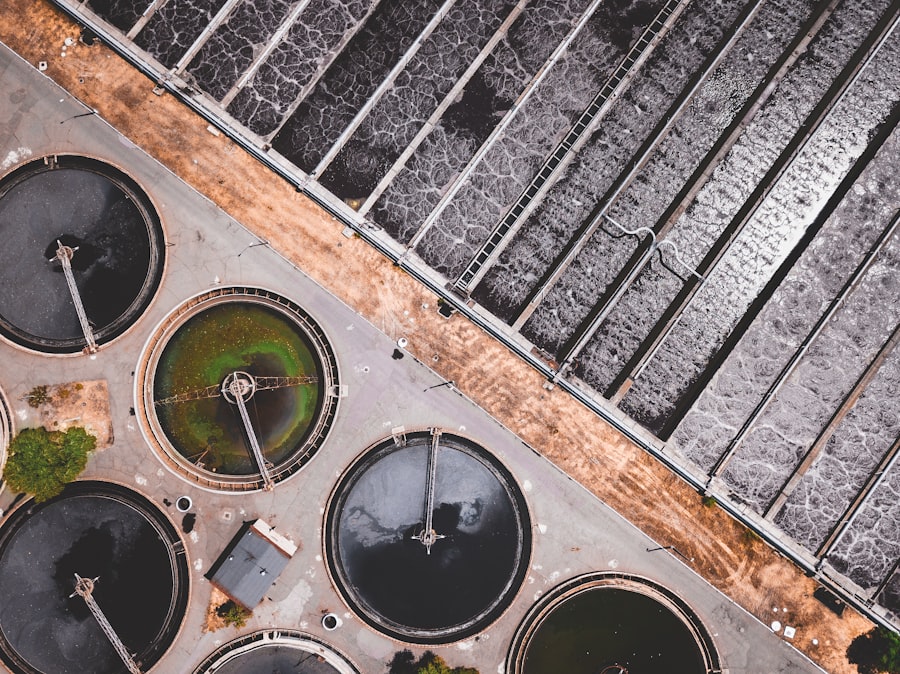
The ancient world’s concern for water extended beyond its provision; they also developed early systems for sanitation and wastewater removal, recognizing the link between water quality and public health. While their understanding of germ theory was non-existent, the empirical observation that foul water led to disease was evident.
Early Sewer Systems
The development of urban centers necessitated solutions for waste disposal. Early sewer systems, though often rudimentary, were crucial for urban hygiene.
The Cloaca Maxima of Rome
Perhaps the most famous example is the Cloaca Maxima in Rome, initially constructed in the 6th century BCE as an open drain but later covered and expanded into a sophisticated sewer system that drained marshy areas and carried waste away from the city into the Tiber River. This massive undertaking involved extensive underground construction and demonstrated a clear understanding of the need to remove waste from populated areas. The Cloaca Maxima served the city for centuries and remains a testament to Roman engineering prowess.
Mesopotamian Drainage
In ancient Mesopotamia, evidence suggests the existence of covered drainage channels and cesspits, particularly in more advanced urban centers like Ur. These systems, while not as grand as the Cloaca Maxima, indicate an early awareness of the importance of removing waste and preventing its accumulation within settlements.
Public Latrines and Water Supply Integration
The integration of water supply with sanitation facilities was a significant development. Many Roman cities featured public latrines, communal spaces with running water to wash away waste. These latrines were often connected to the city’s sewer systems. The use of running water in latrines provided a more hygienic solution compared to dry sanitation methods. This integration highlighted a more holistic approach to water management, considering both supply and disposal.
Hygiene and Disease Prevention
While the theoretical underpinnings were absent, the practical outcomes of these sanitation systems were undeniable. Cities with better drainage and waste removal systems generally experienced fewer outbreaks of waterborne diseases, even if the specific causes were not understood. This empirical evidence likely drove the continued development and refinement of these systems.
Water Power and Mechanics: Harnessing Nature’s Force

Beyond providing drinking water and managing waste, ancient civilizations also began to harness the kinetic energy of water for practical purposes, marking the early beginnings of water-powered machinery.
Water Wheels and Their Applications
The water wheel, a device that converts the energy of moving water into mechanical energy, represented a significant technological advancement.
Early Evidence and Development
While the exact origins are debated, evidence suggests the development of large-scale water wheels emerged in the Hellenistic period and became more widespread during the Roman Empire and beyond. Early forms likely utilized existing water channels and simple paddles.
Grinding Grain and Sawing Wood
The most common application of water wheels was in milling grain. Water-powered mills could grind far more grain than human or animal power, significantly increasing food production and urban support capabilities. Beyond milling, water wheels were also employed for tasks such as sawing wood, fulling cloth (a process of cleaning and thickening woolen fabric), and powering bellows for metalworking. These applications demonstrated a growing understanding of how to leverage natural forces for increased efficiency and productivity.
Hydraulic Mining and Engineering Applications
The power of water was also harnessed for more specialized engineering tasks, particularly in mining.
Hydraulic Mining Techniques
In Roman times, particularly in Spain, a method known as hydraulic mining or hushing was employed to extract minerals. This involved diverting large volumes of water, often from miles away via purpose-built channels and reservoirs, and then releasing it in torrents to wash away large quantities of earth and rock, exposing the desired ore. This technique, while resource-intensive in terms of water, was incredibly effective for large-scale open-pit mining. It showcased a remarkable understanding of fluid dynamics and the erosive power of directed water.
Pumping and Lifting Systems
While sophisticated pumps were scarce, simple mechanisms often driven indirectly by water power did exist. In some instances, water wheels might have been used to power lifting mechanisms. The principles observed in early lifting devices like the shaduf were also applied in more complex systems, though direct water-powered pumping as we understand it today was largely absent. However, the understanding of leverage and mechanical advantage, often applied in conjunction with water flow, was clearly being developed.
Water engineering has a rich history that predates modern technology, with ancient civilizations developing sophisticated systems to manage and distribute water. For instance, the aqueducts built by the Romans are a remarkable example of early engineering that facilitated the transportation of water over long distances, showcasing their ingenuity in addressing water supply challenges. If you’re interested in exploring how advancements in technology have shaped various fields, you might find this article on advancements in counter-space weapons intriguing, as it highlights the evolution of engineering in a different context.
Legacy and Enduring Influence: Lessons from the Past
| Technology | Advancement |
|---|---|
| Irrigation | Use of canals and ditches to transport water to crops |
| Water Storage | Construction of reservoirs and cisterns to store water for later use |
| Water Distribution | Development of aqueducts to transport water over long distances |
| Water Filtration | Use of sand and gravel to filter impurities from drinking water |
The water engineering innovations of ancient times, though born from necessity and built with simpler tools, have left an indelible mark on human history. Their legacy resonates not only in the surviving structures but also in the fundamental principles that continue to guide modern water management.
Enduring Principles of Design and Construction
Many of the core concepts employed by ancient water engineers remain relevant today. The understanding of gravity flow, the importance of precise gradients, the need for durable and waterproof construction materials, and the strategic use of channeling and distribution networks are all foundational to modern hydraulic engineering. The Roman mastery of arches and their ability to span valleys for aqueducts, for example, still informs structural engineering principles.
The Importance of Site-Specific Solutions
Ancient engineers were acutely aware that there was no one-size-fits-all solution to water management. They adapted their methods to the local geography, climate, and available resources. The qanat systems of arid lands are a prime example of a highly localized and effective solution. This principle of tailoring engineering to specific environmental conditions is a vital lesson for contemporary sustainable development.
Inspiration for Future Innovations
The ingenuity displayed in ancient water systems continues to inspire. Researchers and engineers often look to these historical achievements for insights into low-tech, sustainable solutions. The efficiency of gravity-fed systems, the resilience of ancient materials, and the long lifespan of many of these structures offer valuable lessons in robustness and resourcefulness.
The Sustainability of Antiquity
In an era increasingly concerned with sustainability, the ancient world offers a compelling case study. Many of these systems were built with local materials, managed with relatively low energy inputs, and designed for longevity. While the scale of modern demands is different, the underlying philosophy of working with natural systems rather than against them, coupled with careful planning and construction, offers a powerful model for the future of water resource management. Their ability to support large populations for extended periods by intelligently managing a fundamental resource is a testament to their foresight and engineering acumen. The very survival of many of these ancient water systems, often operating for centuries with minimal modern intervention, speaks volumes about their robust design and the enduring wisdom of their creators.

The Machine That Kept Angkor Alive
FAQs
What is water engineering?
Water engineering is the practice of designing and constructing infrastructure to manage water resources, such as irrigation systems, dams, and canals, to meet the needs of society.
What were some traditional water engineering techniques before modern technology?
Before modern technology, traditional water engineering techniques included the construction of aqueducts, water wheels, and water mills to transport and harness water for various purposes such as irrigation, milling, and powering machinery.
How did ancient civilizations practice water engineering?
Ancient civilizations such as the Romans, Egyptians, and Mesopotamians practiced water engineering by building elaborate irrigation systems, canals, and reservoirs to support agriculture and provide water for drinking and sanitation.
What were some challenges faced in water engineering before modern technology?
Challenges in water engineering before modern technology included limited access to advanced materials and machinery, as well as the reliance on manual labor for construction and maintenance of water infrastructure.
What impact did traditional water engineering have on society?
Traditional water engineering played a crucial role in the development of early civilizations by providing access to water for agriculture, transportation, and industrial processes, ultimately contributing to the growth and prosperity of societies.