The echoes of ancient civilizations are often found in their monumental architecture, their intricate art, and their philosophical treatises. Yet, perhaps the most profoundly impactful legacy they left behind lies in their sophisticated understanding and management of water. Long before modern engineering marvels, ancient peoples across the globe developed remarkable innovations and ingenious solutions to harness, store, distribute, and conserve this vital resource, shaping their societies and enabling their very survival. These ancient water management systems, born out of necessity and honed by generations of experience, offer invaluable lessons for contemporary challenges.
The story of civilization is inextricably linked to the stories of rivers, springs, and rainfall. Early human settlements naturally gravitated towards water sources, recognizing their essential role in agriculture, sustenance, and hygiene. However, reliance on ephemeral or unpredictable water sources presented a constant threat. Periods of drought could decimate crops, leading to famine and societal collapse, while excessive rainfall could cause destructive floods. It was this dynamic interplay between abundance and scarcity that spurred the earliest and most fundamental innovations in water management.
From Nomadic Scavenging to Sedentary Strategies
Initially, nomadic or semi-nomadic populations would follow water sources, adapting their movements to the seasons and the availability of rainfall. This inherent understanding of hydrological cycles was the first form of water management, albeit a responsive one. The transition to settled agriculture, however, demanded a more proactive and engineered approach. The ability to reliably irrigate crops became paramount for food security and population growth. This shift necessitated the development of techniques to capture and store water for use during dry spells.
Early Evidence of Water Engineering
The earliest archaeological evidence of deliberate water manipulation dates back thousands of years. In regions like Mesopotamia, the cradle of civilization, the Tigris and Euphrates rivers provided lifelines, but also presented challenges in terms of flooding and distribution. Ancient Sumerians, for instance, developed sophisticated canal systems to divert river water to their fields, transforming arid lands into fertile agricultural landscapes. These early canals were not merely ditches; they were carefully designed channels, often lined with clay or stone, demonstrating an understanding of flow dynamics and embankment stability. The sheer scale of these early irrigation networks points to a complex social organization capable of planning, construction, and maintenance.
The Significance of Storage: Ponds, Cisterns, and Reservoirs
The need to buffer against unpredictable rainfall and seasonal river flows led to the development of various water storage solutions. Simple ponds and dugouts were likely among the earliest forms of artificial water retention. As societies grew more complex, so did their storage capabilities. In arid regions, cisterns, often carved into rock or constructed with masonry, were used to collect rainwater from rooftops and courtyards. The Nabataeans, for example, were masters of water harvesting in the Negev Desert, creating intricate systems of cisterns and channels to capture even the scantest rainfall, allowing their city of Petra to flourish in an inhospitable environment. Larger-scale reservoirs, impounding water from rivers or streams, also emerged, requiring significant engineering skill and labor. These were not just simple dams but often complex structures designed to withstand pressure and regulate water release.
Water management in the ancient world was crucial for the development of civilizations, as societies relied heavily on effective irrigation systems and water storage techniques to sustain agriculture and support growing populations. A related article that delves into contemporary challenges and solutions regarding water scarcity can be found at Addressing Global Water Scarcity: Challenges and Solutions. This article highlights how lessons from ancient practices can inform modern strategies to manage water resources sustainably in the face of increasing demand and climate change.
Harnessing the Flow: Irrigation and Distribution Networks
The ability to move water from its source to where it was needed was as crucial as its storage. Ancient civilizations developed elaborate irrigation and distribution networks that were marvels of their time, enabling the expansion of agriculture beyond the immediate vicinity of rivers and springs. These systems were not only functional but also often integrated with the social and political structures of the societies that built them.
The Grandeur of Mesopotamian Canals
Mesopotamia, as mentioned, stands out for its extensive canal systems. The Sumerians, Akkadians, Babylonians, and Assyrians all contributed to the development and expansion of these networks. These canals varied in size, from small channels irrigating individual fields to massive arteries that transported water across vast distances. The construction and maintenance of these canals required significant labor coordination, often managed by kings or temple authorities. The salinization of agricultural land due to poor drainage was an early challenge, and subsequent generations of engineers developed strategies to mitigate this problem, demonstrating an evolving understanding of soil science and hydrological processes.
Roman Aqueducts: Engineering Prowess and Urbanization
The Roman Empire is perhaps most famous for its aqueducts, monumental structures that carried fresh water from distant sources to urban centers. These aqueducts, often featuring graceful arches that spanned valleys and plains, were a testament to Roman engineering skill. The gradient of these channels was meticulously calculated to ensure a steady, gravity-fed flow of water over many miles. Beyond their practical function, aqueducts symbolized Roman power and sophistication, supplying public baths, fountains, and private residences, thereby transforming the urban landscape and improving public health. The Romans also understood the importance of water quality, often incorporating settling basins and filtration systems into their designs.
The Ingenuity of Smaller-Scale Systems
While aqueducts and grand canals often capture the imagination, countless smaller-scale irrigation systems were vital to the success of many ancient societies. In hilly or terraced agricultural regions, gravity-fed irrigation channels, often lined with stones, were ingeniously designed to serve plots of land at different elevations. The development of the shaduf, a simple lever-and-bucket mechanism, allowed for the lifting of water from rivers or wells to higher ground, a widely adopted technology across the ancient Near East and beyond. The efficiency of these systems, often built and maintained by local communities, highlights a deep practical understanding of fluid mechanics and resource management.
Conquering the Arid Lands: Water Harvesting in Deserts
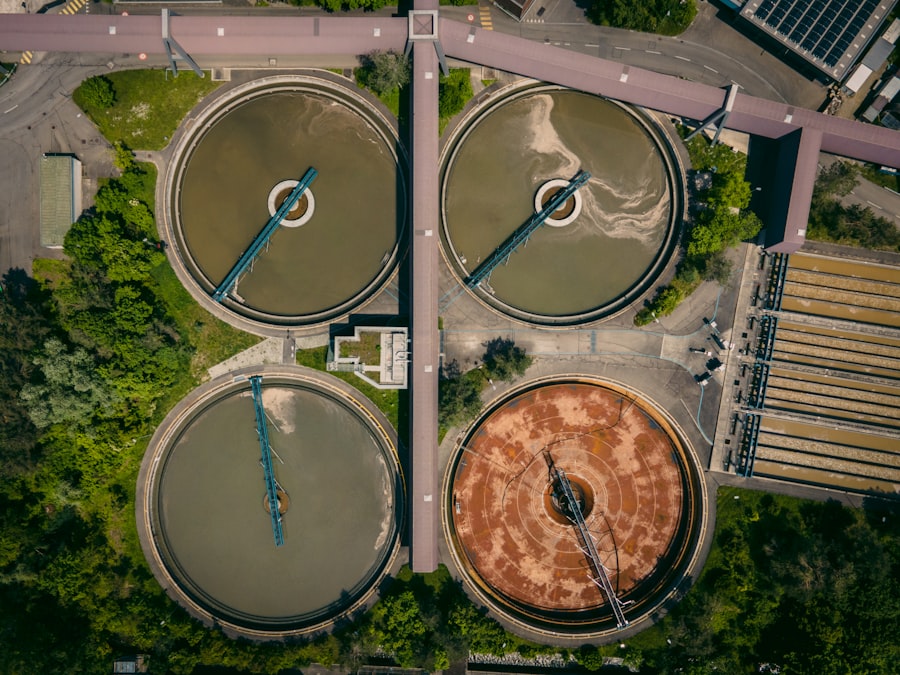
Some of the most remarkable ancient water management systems were developed in the world’s driest regions, where the perpetual threat of drought spurred extraordinary innovation. These civilizations learned to capture every drop of rainfall, dew, and even infrequent floodwaters, sustaining life and building prosperous communities in seemingly impossible environments.
The Nabataeans and the Art of Desert Water Harvesting
The Nabataeans, who established their kingdom in the arid regions of present-day Jordan, Israel, and Saudi Arabia, are prime examples of masters of desert water management. Their city of Petra, carved into the sandstone cliffs, is a testament to their ingenuity. They extensively utilized rock-cut cisterns, collecting rainwater from natural wadis and artificial channels. Their system also involved sophisticated diversionary dams and small spillways designed to channel flash floodwaters into designated reservoirs. The control and allocation of these precious water resources were central to their society and economy, influencing trade routes and urban planning.
Ancient Indian Water Harvesting Traditions
Across the Indian subcontinent, particularly in the arid and semi-arid western regions, ancient traditions of water harvesting have persisted for millennia. The construction of stepwells (baolis) is a notable example. These are multi-story structures with steps leading down to the water level, providing access to groundwater and serving as community gathering spaces. Rajasthan, in particular, is dotted with numerous baolis, some of which are remarkably ornate and complex. Beyond stepwells, communities also built numerous check dams, percolation tanks, and rooftop rainwater harvesting systems, demonstrating a profound understanding of local hydrology and a commitment to water self-sufficiency.
The Inca’s Embrace of Mountain Springs
In the high Andes, the Inca civilization developed sophisticated systems to manage water in a challenging mountainous terrain. They ingeniously channeled water from high-altitude springs and glaciers through a network of stone-lined aqueducts. These aqueducts often incorporated sharp bends and drops to regulate flow and prevent erosion. The Inca also utilized terracing extensively, not only for agriculture but also for water management, creating miniature reservoirs and drainage systems within their agricultural landscapes to capture and distribute water effectively. Their understanding of microclimates and the hydrological cycle in mountainous environments was exceptional.
Preserving Purity and Preventing Pollution: Sanitation and Water Quality
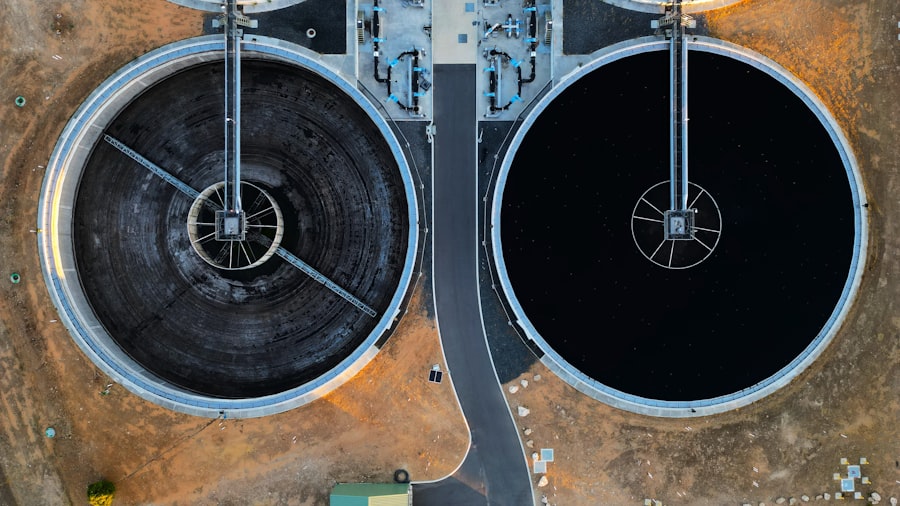
Ancient peoples understood that simply having access to water was not enough; the water needed to be clean and safe for consumption. While not always achieving modern standards of sanitation, they developed various methods to improve water quality and manage waste, understanding the link between water and public health.
Early Sanitation Systems: Drains and Sewers
Some of the earliest evidence of organized sanitation systems comes from ancient urban centers. The Indus Valley Civilization, with its well-planned cities like Mohenjo-Daro and Harappa, featured elaborate drainage systems and underground sewers. Houses were connected to these main lines, indicating a sophisticated understanding of waste disposal and its potential impact on public health. The Minoan civilization on Crete also had advanced plumbing and drainage systems.
Roman Public Baths and Water Purification
The Romans, with their love of bathing, developed large public bath complexes that required a constant and substantial supply of fresh water. While the primary focus was often on convenience and social interaction, these complexes also indirectly contributed to public hygiene. Some Roman water systems incorporated settling tanks, designed to allow sediment to settle out of the water before it reached the consumers. While not advanced filtration, this process would have improved the clarity of the water, reducing the presence of suspended particles.
Traditional Methods for Water Clarification
Across various cultures, simple yet effective methods were employed to clarify and purify water. Filtering water through layers of sand, gravel, and charcoal was a common practice. Boiling water was also understood to make it safer for consumption, though its widespread application as a systematic purification method is harder to ascertain. The use of specific plants or natural coagulants to settle impurities was also likely practiced in some regions.
In exploring the complexities of water management in the ancient world, one can draw fascinating parallels to modern practices. The intricate systems developed by civilizations such as the Maya and the Romans highlight the importance of sustainable water use for agriculture and urban living. For instance, the article on Mexico’s demographic edge and labor advantage discusses how contemporary societies continue to grapple with similar challenges in resource management. This connection underscores the enduring relevance of ancient techniques in today’s context. To learn more about these modern implications, you can read the article here.
Enduring Legacies: Lessons from Ancient Water Management
| Region | Water Management System | Notable Feature |
|---|---|---|
| Mesopotamia | Irrigation canals and levees | First known use of irrigation in agriculture |
| Ancient Egypt | Nile River irrigation and water storage | Utilized annual flooding of the Nile for agriculture |
| Ancient China | Canal systems and water conservation | Implemented water conservation techniques |
| Ancient Rome | Aqueducts and public baths | Constructed extensive aqueducts for water supply |
The study of ancient water management systems is not merely an academic exercise in historical curiosity. It offers a rich tapestry of lessons, innovations, and solutions that remain profoundly relevant in the face of contemporary water challenges such as increasing demand, climate change, and water scarcity. These ancient practices underscore the importance of understanding local hydrogeology, adapting designs to specific environmental conditions, and fostering community involvement in water resource management.
The Power of Simplicity and Sustainability
Many ancient water management techniques, such as rainwater harvesting, traditional irrigation methods, and simple filtration, are remarkably sustainable and low-impact. They often rely on gravity, natural materials, and communal effort, minimizing the need for energy-intensive infrastructure. The long lifespan of many of these ancient systems speaks to their inherent resilience and adaptability. They demonstrate that effective water management does not always require complex, high-tech solutions.
Integrated Systems and Holistic Approaches
Ancient water management was rarely an isolated discipline. It was often integrated with agriculture, urban planning, waste disposal, and even religious or social practices. This holistic approach recognized the interconnectedness of water resources with the broader environment and societal needs. Modern water management can learn from this integrated perspective, moving away from siloed approaches towards more comprehensive and collaborative strategies.
The Importance of Local Knowledge and Community Participation
The success of many ancient water systems was deeply rooted in local knowledge of the environment and the active participation of the communities that relied on them. These systems were often built, maintained, and regulated by the people who used them, fostering a sense of ownership and responsibility. In an era where large-scale infrastructure projects can sometimes disconnect communities from their water sources, the emphasis on local knowledge and participatory governance is a crucial lesson.
Adapting Ancient Solutions for Modern Challenges
The principles of ancient water management are not relics of the past but offer practical blueprints for addressing 21st-century water issues. Rainwater harvesting systems, similar to those developed by the Nabataeans and ancient Indians, are being revitalized as a sustainable approach to urban water supply and drought mitigation. The study of Roman aqueducts can inform the design of efficient water conveyance systems. Traditional water conservation techniques, honed over millennia, can provide valuable insights for building resilience in a changing climate. By examining and adapting these ancient innovations, we can glean wisdom that is both timeless and vital for securing a sustainable water future.

The Machine That Kept Angkor Alive
FAQs
1. What were some ancient civilizations known for their advanced water management systems?
Ancient civilizations such as the Mesopotamians, Egyptians, and Romans were known for their advanced water management systems. The Mesopotamians built canals and irrigation systems to control the flow of the Tigris and Euphrates rivers, while the Egyptians developed intricate irrigation systems to harness the power of the Nile River. The Romans constructed aqueducts to transport water over long distances to their cities.
2. What were some common water management techniques used in the ancient world?
Common water management techniques used in the ancient world included the construction of canals, dams, reservoirs, and irrigation systems. These techniques allowed ancient civilizations to control the flow of water, store it for future use, and distribute it to agricultural fields and urban areas.
3. How did ancient civilizations use water management for agricultural purposes?
Ancient civilizations used water management techniques to support agricultural activities such as irrigation, which involved diverting water from rivers or streams to water crops. They also built reservoirs to store water during dry periods and constructed drainage systems to prevent waterlogging in agricultural fields.
4. What impact did water management have on the development of ancient cities?
Water management played a crucial role in the development of ancient cities by providing a reliable water supply for drinking, sanitation, and industrial activities. The construction of aqueducts and reservoirs allowed cities to expand and thrive, while irrigation systems supported agricultural production, leading to population growth and urbanization.
5. What are some examples of ancient water management infrastructure that still exist today?
Some examples of ancient water management infrastructure that still exist today include the Roman aqueducts in Segovia, Spain, and the ancient irrigation systems in the Indus Valley, Pakistan. These structures serve as a testament to the ingenuity and engineering prowess of ancient civilizations in managing water resources.