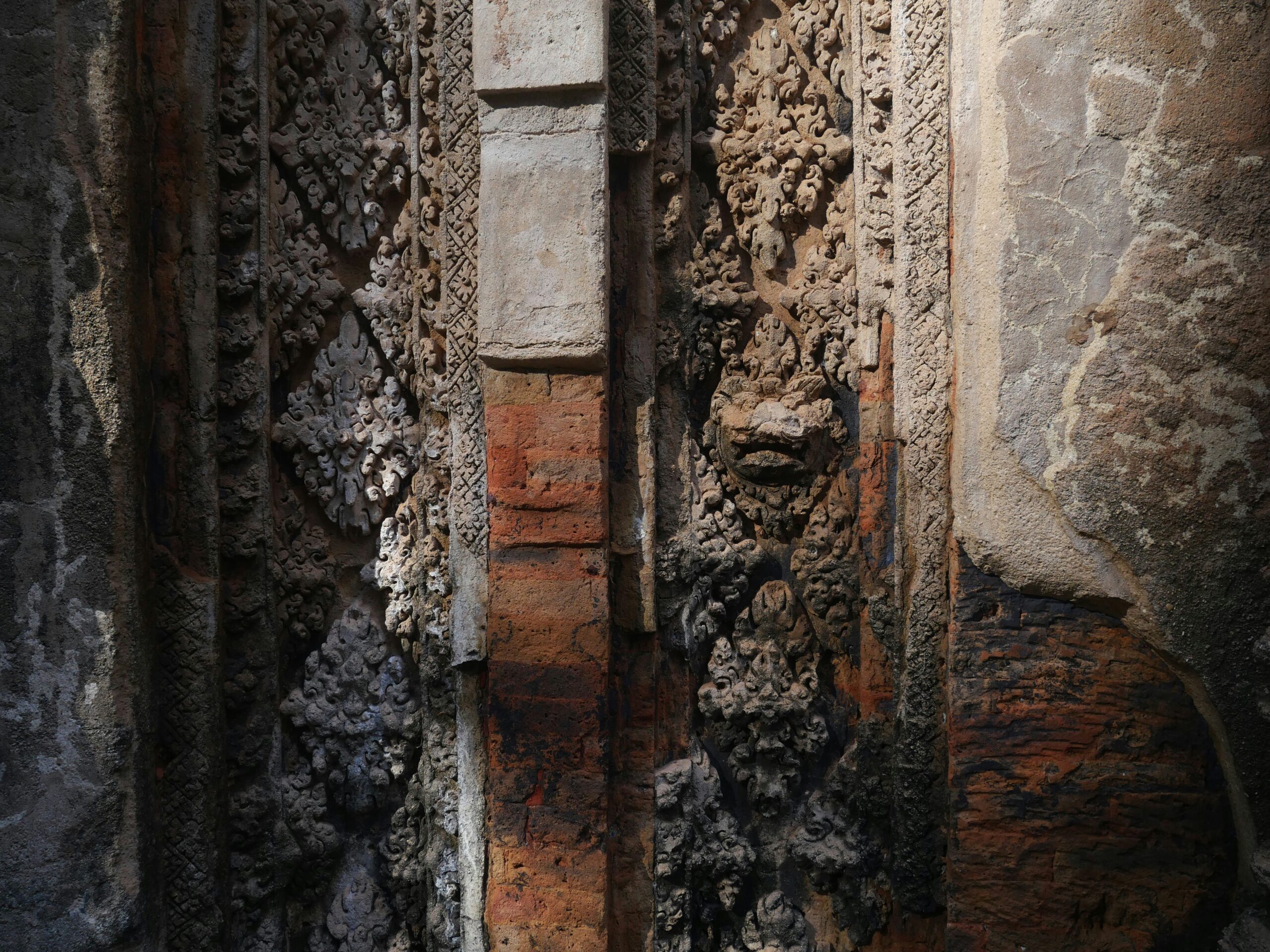
The colossal stone temples of Angkor, shrouded for centuries in the embrace of the Cambodian jungle, stand as an enduring testament to the Khmer civilization’s artistic and architectural prowess. For generations, their existence was a whispered legend, a ghost in the verdant wilderness. The story of their rediscovery and subsequent meticulous excavation is a captivating saga, intricately woven with threads of adventure, scientific inquiry, colonial ambition, and the dedication of countless individuals. This is the history of how archaeology peeled back the layers of time and foliage to reveal the grandeur of Angkor, transforming a lost city into one of the world’s most significant archaeological treasures.
This exploration delves into the historical journey of uncovering Angkor, tracing the initial encounters, the evolution of archaeological methods, the challenges faced, and the profound insights gained into the civilization that built these magnificent structures.
The history of Angkor archaeology is a fascinating subject that delves into the rise and fall of one of Southeast Asia’s most remarkable civilizations. For those interested in exploring how environmental factors, such as drought, influenced ancient societies, a related article titled “Unearthing Ancient Drought: Biblical Evidence in Amos 4:7” provides valuable insights. You can read more about this intriguing connection by visiting the article here: Unearthing Ancient Drought: Biblical Evidence in Amos 4:7.
Early Encounters and the Dawn of Interest
The rediscovery of Angkor is not a singular event but rather a gradual process, marked by sporadic reports and growing curiosity. Before the advent of systematic archaeological exploration, the temples existed in a liminal space: known to local populations who sometimes revered them, but largely absent from the European consciousness.
The Mythical City and the First Western Eyes
The legend of a magnificent, abandoned city in the heart of Southeast Asia had circulated in fragmented tales for centuries. However, it was the mid-19th century that saw a surge of European exploration in the region, fueled by trade, conquest, and the insatiable desire to map and understand the unknown.
Henri Mouhot and the Spark of Imagination
The French naturalist and explorer Henri Mouhot is often credited with bringing Angkor to wider international attention. In 1859 and 1860, during his expeditions in Cambodia, Mouhot stumbled upon the ruins of Angkor Wat and Angkor Thom. His vivid descriptions, published posthumously in Travels in Siam, Cambodia, and Laos, painted a picture of awe-inspiring scale and artistry. Mouhot’s accounts, accompanied by his sketches, captured the imagination of the European public and ignited a broader interest in the forgotten Khmer empire. While his initial writings were sometimes embellished and influenced by prevailing European biases about “primitive” cultures, they nevertheless served to document and publicize the existence of these monumental structures.
The Role of Early Missionaries and Travellers
Beyond Mouhot, a handful of other Westerners had encountered the ruins prior to and around the same time. Missionaries and colonial administrators, venturing into the interior, sometimes reported their findings. These accounts, though less sensationalized than Mouhot’s, contributed to a growing body of knowledge about the existence of ancient ruins in the region. They provided early, albeit unscientific, descriptions that hinted at something extraordinary hidden within the jungle.
The Colonial Context: Ambition and Preservation
The late 19th and early 20th centuries were a period of intense colonial expansion across Asia. French Indochina, which included Cambodia, was under French control. This political reality significantly influenced the approach to Angkor. While colonial powers often engaged in plunder, they also, paradoxically, took on roles as custodians and disseminators of cultural heritage, albeit through a lens of self-interest and a desire to legitimize their presence.
French Colonial Administration and the École Française d’Extrême-Orient
The École Française d’Extrême-Orient (EFEO), founded in 1898, became the primary institution responsible for the scientific study and preservation of Angkor. Under French patronage, the EFEO assembled a team of scholars, architects, and archaeologists who began the arduous task of documenting, clearing, and restoring the temples. This period marked a crucial shift from mere discovery to systematic study and intervention. The French administration invested significant resources, driven partly by a desire to uncover and showcase the grandeur of Angkor as a symbol of a glorious past that could, in turn, enhance the prestige of French colonial rule.
Early Conservation Efforts: The Challenges of De-forestation
The initial efforts focused on “de-forestation” – the monumental task of clearing the dense jungle that had reclaimed much of the temple complex. This involved painstakingly cutting back vegetation, removing root systems that threatened to destabilize the stonework, and creating accessible pathways. This process, while essential for visibility and study, was also inherently disruptive and, in some early instances, lacked the nuanced understanding of ecological relationships that would later be appreciated.
The Rise of Scientific Archaeology at Angkor

The early work at Angkor, while driven by interest and a desire for preservation, was often characterized by descriptive rather than analytical approaches. The true dawn of scientific archaeology at the site arrived with the implementation of more rigorous methodologies and interdisciplinary collaborations.
Early Methodologies: Description, Mapping, and Restoration
The initial phase of archaeological work was heavily focused on architectural study and monumental restoration. Architects played a prominent role, meticulously documenting the layout, construction techniques, and decorative elements of the temples.
Architectural Surveys and Detailed Renderings
Prominent figures like Étienne Aymonier and Georges Groslier undertook extensive architectural surveys. They produced detailed plans, elevations, and section drawings of the major temples. These renderings were invaluable for understanding the scale and complexity of the sites and served as the foundational documentation for future research. The meticulous recording of architectural styles and motifs also offered early clues to the dating and chronological development of the temple complexes.
The “Anastylose” Technique: Reassembling the Past
A significant part of the early restoration work involved the technique of anastylose. This involved disassembling and reassembling fallen stones and architectural fragments to their original positions. While this process brought many structures back into a recognizable form, it also raised questions about the authenticity of the restored elements and the extent to which modern interpretations influenced the reconstruction. Debates surrounding the “ideal” state of the ruins and the ethical implications of decontextualizing individual architectural elements remain relevant to this day.
The Influence of Archaeology as a Discipline
As archaeology developed as a formal academic discipline globally, its principles and methodologies began to be applied more rigorously at Angkor. The shift from purely architectural description to a more scientific inquiry into human behavior and societal organization was a gradual but significant evolution.
Excavation Techniques and Stratigraphy
While large-scale excavations were not the primary focus in the early stages due to the immense scale of stonework and the challenges of excavation within the temple complexes themselves, more systematic approaches to uncovering buried features and understanding site formation processes began to emerge. The principles of stratigraphy – the study of layers of soil and debris to reconstruct a chronological sequence – though difficult to apply uniformly at such a monumental site, started to inform the understanding of the development and occupation of the wider Angkorian landscape.
Artifact Analysis and Chronology
The meticulous recording and analysis of artifacts, even if initially focused on decorative items and architectural fragments, contributed to the establishment of rough chronologies. The identification of stylistic changes in sculpture, bas-reliefs, and pottery provided crucial evidence for dating different phases of construction and occupation within the Angkorian period.
Thematic Investigations and Deeper Understanding

With the basic documentation and structural stabilization achieved, archaeological research at Angkor began to delve deeper, focusing on specific themes and attempting to reconstruct the social, political, and economic life of the Khmer empire.
Reconstructing Society: Religion, Politics, and Daily Life
The temples themselves, carved with narratives and adorned with divine imagery, offered profound insights into the religious beliefs and political ideologies of the Khmer rulers. However, archaeological efforts expanded beyond the monumental to understand the broader societal context.
Religious Iconography and Temple Function
The intricate bas-reliefs at Angkor Wat, depicting scenes from Hindu and Buddhist mythology, as well as historical events, became primary sources for understanding Khmer religious practices and cosmology. Archaeologists and art historians meticulously cataloged and interpreted these images, revealing the syncretic nature of Khmer religion and the divine right of kings. The orientation and design of the temples also provided clues to their ritualistic and astronomical functions.
The Angkorian State: Infrastructure and Administration
Beyond the temples, archaeological work began to explore the surrounding infrastructure that supported such a vast civilization. The monumental hydraulic systems – the vast network of canals, reservoirs (barays), and irrigation channels – were recognized as crucial to Angkor’s success, enabling intensive rice cultivation and supporting a large population. Understanding these engineering feats shed light on the administrative capacity and organizational power of the Khmer state.
Evidence of Urbanism and Settlement Patterns
While Angkor Wat and Angkor Thom are the most visually striking results, archaeological investigations also sought to understand the urban fabric and settlement patterns of the wider Angkorian city. Excavations in areas surrounding the central temple complexes have revealed evidence of residential areas, markets, and other ancillary structures, providing a more complete picture of urban life and the spatial organization of the capital.
Beyond the Sacred: Uncovering the Ordinary
The classical period of Angkorian archaeology often focused on the grand temples. However, a more recent shift has emphasized understanding the lives of ordinary people, the farmers, artisans, and laborers who built and sustained this civilization.
Excavations in Residential Areas and Agricultural Landscapes
Modern archaeological projects have increasingly focused on excavating less prominent sites, including residential areas, workshops, and agricultural areas. These excavations have unearthed pottery, tools, and building materials that offer tangible evidence of daily life, economic activities, and social stratification among the wider population. The study of ancient agricultural techniques and land use patterns has also been crucial for understanding the sustainability of the Angkorian civilization.
The Impact of Environmental Factors on Angkorian Society
A growing area of research is the interplay between Angkorian society and its environment. Archaeological data, combined with paleoclimatic research, has begun to illuminate how fluctuations in rainfall, monsoon patterns, and the degradation of the hydraulic system may have contributed to the decline and eventual abandonment of the capital. This interdisciplinary approach moves beyond viewing Angkor as a static monument to understanding it as a dynamic civilization shaped by environmental forces.
The history of Angkor archaeology is a fascinating subject that reveals the complexities of the Khmer Empire and its monumental achievements. Researchers continue to uncover new insights into the ancient city, shedding light on its architectural marvels and cultural significance. For those interested in exploring related topics, an intriguing article discussing the implications of historical preservation can be found here: property seizure in national emergencies. This piece offers a unique perspective on how modern legal frameworks can impact the preservation of historical sites like Angkor.
Challenges and Controversies in Angkorian Archaeology
| Year | Event |
|---|---|
| 1860 | Henri Mouhot rediscovers Angkor |
| 1907 | École Française d’Extrême-Orient (EFEO) begins systematic exploration |
| 1953 | Angkor becomes part of independent Cambodia |
| 1992 | Angkor is designated a UNESCO World Heritage Site |
| 2015 | Lidar technology reveals extensive urban landscape around Angkor |
The study and preservation of Angkor have never been without their challenges and controversies. From the practical difficulties of working in a tropical environment to ethical debates surrounding restoration and interpretation, the history of Angkorian archaeology is marked by ongoing discussions.
The Enduring Impact of War and Political Instability
Cambodia has endured significant periods of conflict and political turmoil, which have profoundly impacted archaeological work at Angkor.
The Khmer Rouge Era and the Stolen Heritage
The brutal regime of the Khmer Rouge (1975-1979) saw a devastating loss of life, intellectual expertise, and cultural heritage. Many archaeologists and scholars were killed or forced into exile, and the systematic destruction of cultural sites across Cambodia, though not always targeting Angkor directly, represented a profound setback for the nation’s historical understanding. The looting of archaeological sites, both before and during this period, resulted in the illicit trafficking of priceless artifacts, a challenge that continues to plague the region.
Post-Conflict Reconstruction and International Collaboration
In the aftermath of the Khmer Rouge regime, the international community has played a vital role in assisting with the reconstruction, preservation, and study of Angkor. Numerous UNESCO World Heritage sites within the complex have benefited from ongoing international collaborations, bringing much-needed expertise, funding, and technological advancements to the field. However, the legacy of conflict also means that much archaeological potential may have been lost to looting and neglect.
Debates in Restoration and Modern Intervention
The very act of restoring and presenting the temples has been a subject of ongoing debate within the archaeological community.
The Ethics of Anastylose and Authenticity
As mentioned earlier, the anastylose technique, while visually impressive, has raised questions about what constitutes an “authentic” representation of the past. Critics argue that the process can create a modern interpretation that obscures the original layers of history and decay. Balancing the need for structural stability and visitor access with the imperative to preserve the genuine archaeological context remains a delicate act.
The Role of Tourism and Sustainable Management
Angkor is now a major global tourist destination, drawing millions of visitors each year. This influx of tourism presents both economic opportunities and significant challenges for preservation. The physical impact of millions of footsteps, the need for infrastructure development, and the potential for commodification of heritage are all issues that contemporary Angkorian archaeology must grapple with. Sustainable tourism management and responsible visitor engagement are becoming increasingly critical components of preserving Angkor for future generations.
The history of Angkor archaeology reveals the complexities of the Khmer Empire and its monumental achievements, which have captivated researchers and historians alike. A fascinating article that explores the intersection of ancient civilizations and modern interpretations can be found in the context of military strategies, as seen in the documentary titled “Guardians of the Moon.” This piece delves into how historical narratives shape our understanding of past societies, much like the archaeological studies of Angkor. For more insights, you can read the article here.
The Future of Uncovering Angkor
The story of uncovering Angkor is far from over. As technology advances and new generations of archaeologists bring fresh perspectives, the potential for further discovery and deeper understanding remains immense.
Emerging Technologies and New Frontiers in Research
Modern archaeological science offers powerful new tools to explore Angkor.
LiDAR and Landscape Archaeology
The application of Light Detection and Ranging (LiDAR) technology has revolutionized our understanding of the Angkorian landscape. LiDAR can penetrate the dense jungle canopy to reveal subtle topographic features, such as the extensive network of roads, canals, and settlement mounds that were previously hidden. This technology is allowing archaeologists to map the full extent of the Angkorian urban complex and its associated infrastructure with unprecedented detail, revealing the vast scale of human modification of the environment.
Geophysical Survey and Non-Invasive Techniques
Geophysical survey methods, such as ground-penetrating radar and magnetometry, are increasingly being used to identify subsurface features without the need for extensive excavation. These techniques can reveal the presence of foundations, walls, and other buried structures, helping archaeologists to target future research more effectively and to understand site formation processes in a non-destructive manner.
Interdisciplinary Approaches and Global Significance
The future of Angkorian archaeology lies in its continued integration with other disciplines and its recognition of its global significance.
Collaboration with Environmental Scientists and Anthropologists
The ongoing interdisciplinary research into the environmental factors that influenced Angkor’s rise and fall, as well as studies of social complexity and historical demography, will continue to shape our understanding. Collaboration with environmental scientists, climatologists, and anthropologists is crucial for providing a holistic view of this ancient civilization.
Angkor as a Global Heritage Site: Preservation and Education
As a UNESCO World Heritage site, Angkor’s preservation and study have implications far beyond Cambodia. It serves as a vital case study for understanding urbanism, state formation, hydraulic engineering, and the complex relationship between human societies and their environments. The ongoing work at Angkor contributes to a global dialogue about heritage management, the ethics of archaeological intervention, and the importance of preserving the material evidence of human history for future generations. The continuous “uncovering” of Angkor, therefore, is not merely the excavation of stone and earth, but the ongoing revelation of a profound human story.

The Machine That Kept Angkor Alive
FAQs
What is the history of Angkor archaeology?
The history of Angkor archaeology dates back to the mid-19th century when French explorers and scholars began to study and document the ancient ruins of the Khmer Empire in present-day Cambodia.
Who were the key figures in the history of Angkor archaeology?
Key figures in the history of Angkor archaeology include French scholars and explorers such as Henri Mouhot, Louis Delaporte, and Étienne Aymonier, who played significant roles in the initial exploration and documentation of the Angkor temples.
What were the major discoveries in Angkor archaeology?
Major discoveries in Angkor archaeology include the identification and documentation of the Angkor Wat temple complex, the Bayon temple with its iconic stone faces, and the extensive network of ancient water management systems.
How has Angkor archaeology contributed to our understanding of the Khmer Empire?
Angkor archaeology has contributed significantly to our understanding of the Khmer Empire by providing insights into its architectural achievements, religious practices, urban planning, and complex hydraulic engineering systems.
What are the current challenges and future directions in Angkor archaeology?
Current challenges in Angkor archaeology include conservation efforts to preserve the ancient temples and infrastructure, as well as ongoing research to further unravel the mysteries of the Khmer Empire and its legacy. Future directions may involve interdisciplinary approaches and the use of advanced technologies to continue exploring and interpreting the archaeological remains at Angkor.