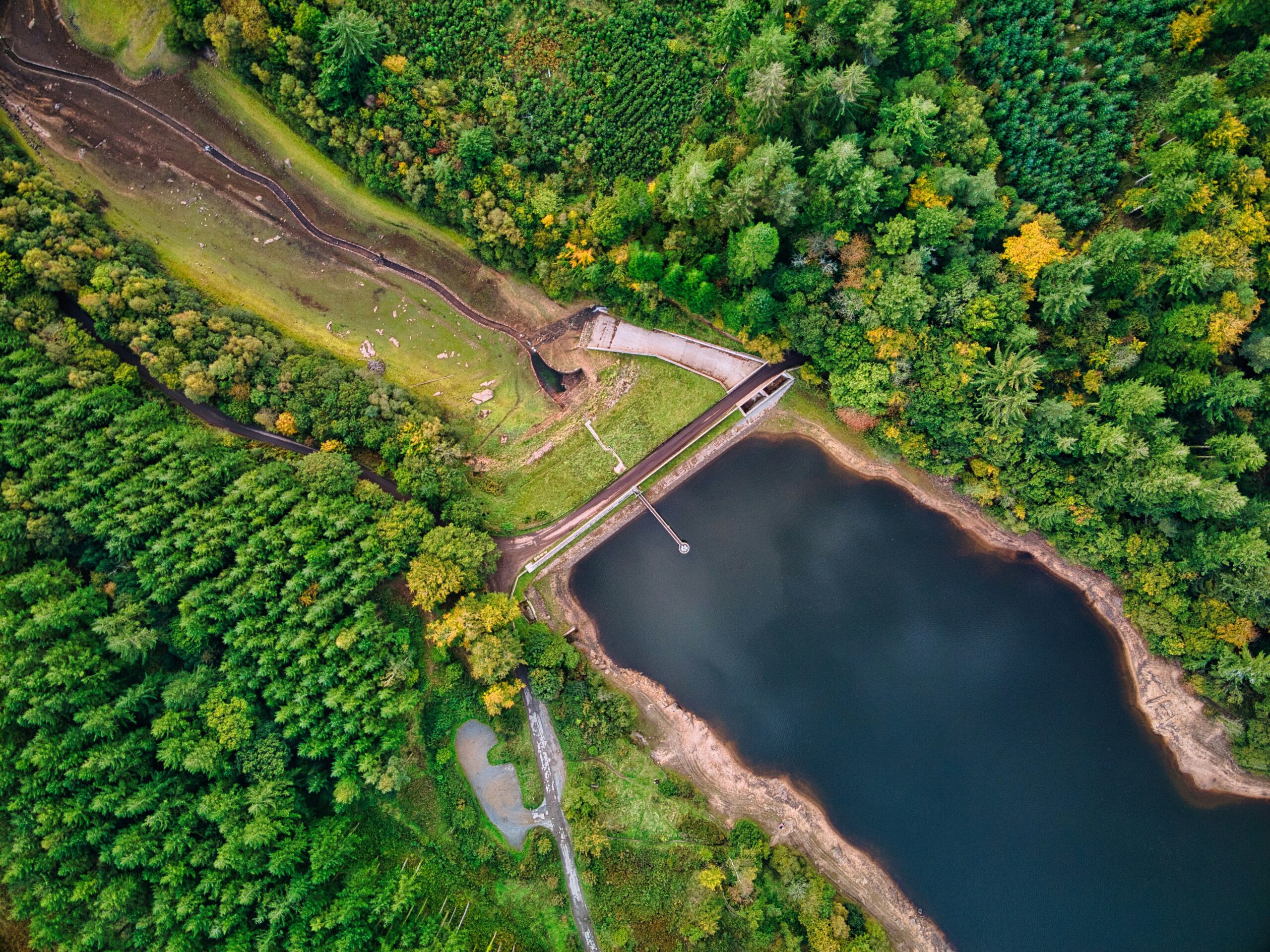
The relentless sun beat down on the parched earth, a familiar adversary to civilizations that dared to flourish in arid lands. For millennia, humanity has engaged in a delicate dance with drought, mastering the art of capturing, storing, and distributing water. The deciphering of ancient reservoirs and irrigation systems represents a profound unraveling of this enduring relationship, offering not only a glimpse into the ingenuity of past peoples but also invaluable lessons for contemporary water management. These monumental feats of engineering, often hidden beneath layers of time and sediment, speak of societies that understood the vital pulse of water and dedicated immense resources to its control, shaping landscapes and sustaining populations.
From the earliest human settlements, the quest for reliable water sources was paramount. This fundamental need spurred the development of rudimentary yet effective methods of capturing and storing water, laying the groundwork for more sophisticated systems. The most basic approaches involved readily accessible water, but as populations grew and settlements became more permanent, the limitations of natural sources became clear.
Natural Adaptations and Simple Collection
The first steps in water management were almost certainly observational. Early humans would have noticed natural depressions that collected rainwater, or areas where water surfaced during wetter seasons. These natural features became the focal points of early settlements.
Rainwater Harvesting in Natural Basins
Small, hollowed-out rocks or natural depressions in the ground served as rudimentary reservoirs. Rainwater would pool in these areas, providing a vital, albeit scarce, supply. The selection of settlement locations often implicitly favored proximity to such natural collection points. Evidence of this can be found in archaeological sites where early dwellings are situated near natural rock overhangs or depressions.
Exploiting Springs and Seeps
Natural springs and seeps, where groundwater naturally emerges at the surface, were highly prized. Settlements often sprang up around these perennial water sources. While not strictly “reservoirs” in the constructed sense, these natural springs were often managed or subtly enhanced to improve their yield or accessibility. This might have involved clearing debris or digging small channels to guide water flow.
Early Attempts at Storage: Pits and Cisterns
As communities transitioned to more settled lifestyles, the need for more substantial and reliable water storage became apparent. This led to the first intentional efforts to create artificial water catchments.
Simple Excavated Pits
The most straightforward artificial storage method involved digging pits into the ground. These pits would collect rainwater and, in some cases, could be lined with clay to reduce seepage. The size and depth of these pits would vary depending on the local rainfall patterns and the community’s needs. Archaeological evidence for such pits can manifest as distinct soil discolorations or unlined depressions in excavated areas.
The Emergence of Lined Cisterns
A significant advancement was the lining of these pits, most commonly with clay or compacted earth. This clay lining, when fired or properly treated, created a more watertight barrier, significantly reducing water loss through infiltration into the surrounding soil. These early lined cisterns represent a crucial step towards the more complex reservoir systems that would follow. Discoveries of fragments of fired clay within depressions often point to the existence of these early, sealed water storage.
Ancient reservoirs and irrigation systems played a crucial role in the development of early civilizations, allowing them to thrive in arid environments. These engineering marvels not only facilitated agricultural productivity but also showcased the ingenuity of ancient societies in managing water resources. For a deeper understanding of how ancient cultures interacted with their environment, you can explore the fascinating topic of archaeoacoustics, which examines the acoustic properties of historical sites and their significance. To learn more, check out this related article: Uncovering the Mysteries of Archaeoacoustics.
The Monumental Engineers: Reservoir Construction Through the Ages
The development of larger, more enduring reservoirs marks a profound shift in human capacity to manage water. These were not simply holes in the ground but carefully designed and constructed structures capable of holding vast quantities of water, transforming arid landscapes and enabling the growth of complex societies. The scale and sophistication of these ancient reservoirs are a testament to human engineering prowess and organizational skill.
Mesopotamian Innovations: The Cradle of Civilization’s Water Management
Mesopotamia, the land between the Tigris and Euphrates rivers, is often considered the “cradle of civilization” and a prime example of early water management. The region’s arid climate necessitated sophisticated irrigation and storage solutions to support its burgeoning agricultural societies.
The Tigris and Euphrates: Rivers as Lifelines and Sources
The great rivers of Mesopotamia were both a blessing and a challenge. While providing a water source, their unpredictable flooding patterns required careful management. Ancient Mesopotamians developed techniques to harness these rivers, diverting water for irrigation and storing excess during flood seasons.
Early Canal Networks and Associated Reservoirs
The construction of extensive canal networks, beginning as early as the Ubaid period, was intrinsically linked to reservoir development. Water was diverted from the rivers into these canals, and strategically placed reservoirs were used to store water for periods of low flow or to regulate the release of water for irrigation. These reservoirs often served as central hubs in the landscape, allowing for water distribution to surrounding fields.
Evidence of Large-Scale Earthworks and Dams
Archaeological investigations have revealed evidence of significant earthworks, including the construction of rudimentary dams to create artificial lakes and reservoirs. These dams, often made of packed earth and gravel, would impound water from seasonal wadis or rivers. The sheer scale of these projects suggests a highly organized society with the ability to mobilize significant labor.
Ancient Egypt: Nourishing the Nile’s Gift
The civilization of ancient Egypt was intrinsically tied to the Nile River. While the annual inundation provided fertile silt and water, effective storage and distribution were crucial for maximizing agricultural productivity and ensuring survival during drier periods.
Basin Irrigation and Flood Control: Storing the Nile’s Bounty
Egyptians developed a sophisticated system of basin irrigation, where the floodwaters of the Nile were intentionally channeled into large, rectangular basins. The water would then be held within these basins for a period, allowing the silt to settle and the land to become saturated. When the water was no longer needed, it was drained back into the river or used to irrigate further fields. This system implicitly relied on the landscape acting as a natural reservoir, but it was highly managed.
The Creation of Artificial Wadis and Retention Basins
Beyond the natural floodplains, Egyptians also constructed artificial basins and modified wadis (dry riverbeds) to capture and store water. These structures, often lined with mud brick or stone, served to extend the period of water availability for agriculture.
The Role of Lakes and Their Management
Natural lakes in Egypt, such as those in the Fayyum Oasis, were also managed and expanded to serve as vital water reserves. The construction of canals and dikes connected these lakes to the Nile, allowing for controlled water transfer.
The Indus Valley Civilization: Master of Water
The Indus Valley Civilization, with its remarkably advanced urban planning, also demonstrated exceptional mastery of water management, particularly in the construction of reservoirs.
Mohenjo-Daro and Harappa: Cities Built Around Water
The cities of Mohenjo-Daro and Harappa, along with numerous smaller settlements, reveal an intricate understanding of water. The presence of elaborate drainage systems, wells, and what appear to be carefully constructed reservoirs highlights the civilization’s priorities.
Large Reservoirs for Water Supply and Defense
Notable discoveries include large, man-made reservoirs, such as the famous Great Bath at Mohenjo-Daro, which, while its exact function is debated, speaks to an emphasis on water management. However, other larger, more functional reservoirs are also evidenced by excavated structures. These reservoirs likely served multiple purposes, including water supply for the burgeoning urban populations and potentially for defense by providing a water buffer.
Sophisticated Construction Techniques and Materials
The Indus civilization employed sophisticated construction techniques, utilizing standardized bricks and skilled masonry. The lining of reservoirs with impermeable layers ensured efficient water retention.
The Lifelines of Civilization: Ancient Irrigation Systems
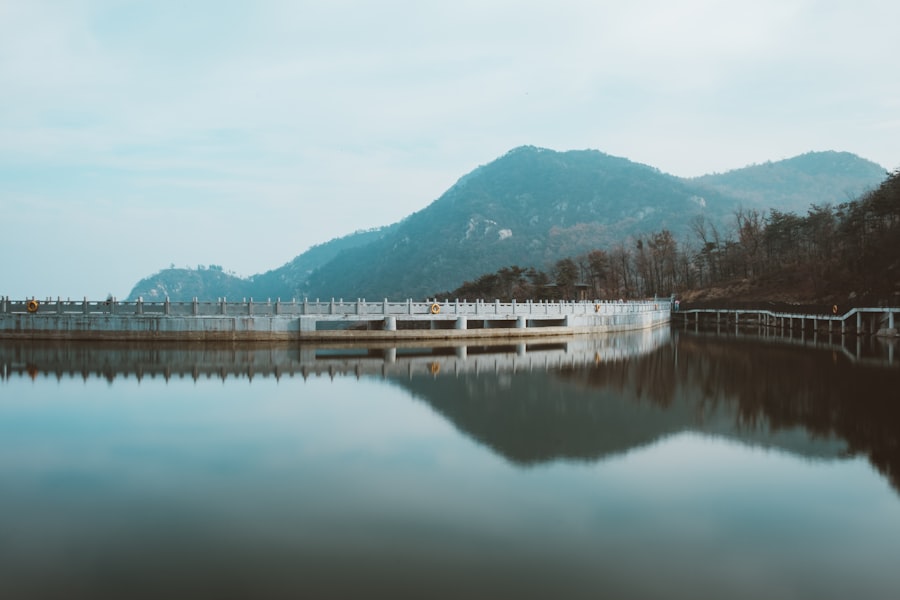
The ability to store water in reservoirs was only one part of the equation. The true transformative power of these ancient water management systems lay in their capacity to distribute this water effectively to agricultural lands. Ancient irrigation systems were elaborate networks designed to bring life-sustaining water from sources to where it was most needed.
The Dawn of Irrigation: From Simple Diversion to Complex Networks
The earliest forms of irrigation were likely very basic, involving simple diversions of natural water flows. Over time, these methods evolved into some of the most complex and extensive engineering projects of the ancient world.
Simple Diversion Channels and Flooding Techniques
The most basic irrigation involved digging shallow channels to divert water from rivers or streams directly onto adjacent fields. This allowed for controlled flooding of agricultural land, saturating the soil and enabling crop growth.
The Rise of Gravity-Fed Canal Systems
As societies developed, so too did their ability to move water over greater distances. Gravity-fed canal systems became the hallmark of ancient irrigation. These canals, expertly engineered to maintain a consistent, gentle slope, could transport water from distant sources to fields that were otherwise too far from natural water bodies.
The Importance of Headworks and Control Structures
The success of these canal systems depended on sophisticated headworks – structures at the point of diversion that controlled the flow of water into the canals. Ancient engineers meticulously designed these structures to regulate intake, prevent excessive flooding, and protect the canals from silting.
The Greeks and Romans: Masters of Aqueducts and Distribution
The Greeks and Romans, renowned for their engineering achievements, left an indelible mark on the history of irrigation and water management with their sophisticated aqueduct systems.
Greek Hillside Terracing and Water Channels
The Greeks, particularly in mountainous regions, developed innovative systems for managing water on terraced hillsides. They constructed channels and conduits to collect and distribute rainwater and spring water for both domestic use and agriculture.
Roman Aqueducts: Engineering Marvels of Water Transport
The Roman Empire is perhaps most famous for its monumental aqueducts. These impressive structures, often made of stone and concrete, carried fresh water over vast distances, serving cities and providing water for extensive irrigation projects. The Romans understood hydraulics and engineered their aqueducts with precise gradients to ensure a continuous flow of water.
Distribution Systems within Roman Cities and Countryside
Beyond the main aqueducts, the Romans also developed intricate distribution networks within their cities and surrounding countryside. This included smaller canals, pipes, and reservoirs to ensure water reached individual homes, public baths, and agricultural areas.
The Khmer Empire: The Water Cities of Southeast Asia
In Southeast Asia, the Khmer Empire, centered in what is now Cambodia, built a civilization that was profoundly shaped by water management, creating some of the most extensive hydraulic systems known to have existed.
The Barays of Angkor: Colossal Reservoirs for Agriculture and Religion
The most iconic of the Khmer water management feats are the barays – enormous artificial reservoirs, such as the West Baray and East Baray. These colossal structures, some spanning several kilometers, held vast quantities of water, often fed by intricate networks of canals and diverted rivers.
Complex Canal Networks for Rice Cultivation
These barays were integral to a sophisticated irrigation system that supported the Khmer’s intensive rice cultivation. A web of canals extended from the barays and other water sources, allowing for the controlled flooding and draining of rice paddies, enabling multiple harvests per year and supporting a large population.
Water Management for Urban Life and Religious Sites
The water systems also served the urban needs of the Khmer capitals, such as Angkor Wat, and played a significant role in religious practices and cosmology, with water often being a symbol of purity and life.
Unearthing the Past: Archaeological Methods and Discoveries

The uncovering of these ancient reservoirs and irrigation systems is a painstaking process, relying on a combination of historical texts, remote sensing technologies, and meticulous archaeological excavation. Each discovery sheds new light on the sophistication and scale of these ancient endeavors.
The Power of Terrestrial Archaeology: Excavation and Interpretation
Traditional archaeological methods remain fundamental to understanding these water systems. Excavations reveal the physical remains of reservoirs, canals, dams, and related structures.
Identifying Submerged Structures and Sediment Layers
Archaeologists look for distinct soil discolorations, changes in sediment composition, and the presence of man-made materials that indicate the former presence of water. The careful excavation of sediment layers can reveal the construction phases and operational history of these systems.
Analyzing Construction Materials and Techniques
The study of materials used in construction, such as bricks, stones, and clay linings, provides insights into the technological capabilities of the ancient builders. Analyzing the way these materials were employed reveals their engineering knowledge.
Reconstructing the Function and Evolution of Systems
Through careful mapping and analysis of excavation data, archaeologists can reconstruct the layout, function, and evolutionary stages of these water management systems, understanding how they were built, modified, and eventually abandoned or repurposed.
Remote Sensing and Geophysics: Seeing Beneath the Surface
In recent decades, advanced remote sensing and geophysical techniques have revolutionized the discovery and study of ancient landscapes, including hidden water infrastructure.
Satellite Imagery and Aerial Photography: Unveiling Patterns
Satellite imagery and aerial photographs, especially when analyzed with specialized software, can reveal subtle patterns in the landscape that are indicative of ancient human activity. Features like faint outlines of canals, dried-up reservoir beds, and the geometry of past field systems become visible from above.
LiDAR (Light Detection and Ranging): Peeling Back the Vegetation
LiDAR technology has been particularly transformative. By firing laser pulses at the earth’s surface, LiDAR can penetrate dense vegetation, revealing the underlying topography and even subtle earthworks that would otherwise remain hidden, making it invaluable for mapping extensive irrigation networks in jungle environments.
Ground-Penetrating Radar (GPR): Mapping Subsurface Features
Ground-penetrating radar (GPR) allows archaeologists to image subsurface features without physical excavation. It can detect the presence of buried canals, reservoir walls, and other structures, helping to guide targeted excavations and providing a non-destructive way to survey large areas.
Citizen Science and Oral Histories: Community Involvement in Discovery
While often overlooked, the contributions of local communities and the preservation of oral histories can be crucial in pinpointing potential sites and understanding the historical context of water management.
Local Knowledge and Folklore: Guiding the Search
In many regions, local populations hold centuries of knowledge about the landscape, including the locations of ancient water-related features. This folklore and traditional knowledge can be invaluable for directing archaeological investigations.
The Role of Community Archaeology Projects
Engaging local communities in archaeological projects not only aids in discovery but also fosters a sense of stewardship and ownership of these historical sites.
Ancient reservoirs and irrigation systems played a crucial role in the development of early civilizations, enabling them to thrive in arid environments. These innovations not only supported agriculture but also facilitated the growth of urban centers. For a deeper understanding of how such advancements were integral to ancient societies, you can explore a related article that discusses the clues unearthed about pre-flood civilizations. This insightful piece can be found here.
Lessons from the Past: Modern Applications and Future Directions
| Reservoir | Location | Capacity (cubic meters) | Age |
|---|---|---|---|
| Quanat Fir’aun | Jericho, West Bank | 2,000 | 3,000 years |
| Wadi Faynan Reservoir | Jordan | 1,000,000 | 6,000 years |
| Qanat system | Iran | 10,000,000 | 3,000 years |
The study of ancient reservoirs and irrigation systems is not merely an academic pursuit. The ingenuity and resilience demonstrated by our ancestors offer a wealth of practical lessons for addressing contemporary water challenges and shaping a more sustainable future.
Sustainable Water Resource Management: Ancient Wisdom for Modern Needs
The long-term sustainability of ancient water systems speaks volumes about the ecological understanding of these past societies.
Understanding Water Scarcity and Drought Resilience
Ancient peoples faced similar challenges of water scarcity and extreme weather events. Their solutions, developed over centuries, offer models for building resilience into our own water management strategies. This includes a deep understanding of local hydrology and the importance of water conservation.
Harmonizing Human Needs with Natural Ecosystems
Many ancient systems were integrated with their surrounding environments, utilizing natural water flows and minimizing ecological disruption. Relearning these principles can guide us towards more environmentally sound water practices.
Advancements in Agricultural Productivity and Food Security
The ability to reliably irrigate land was a cornerstone of ancient agricultural productivity, directly impacting food security and enabling population growth.
Maximizing Arable Land in Arid Environments
The construction of reservoirs and irrigation systems allowed civilizations to cultivate land that would otherwise be unfarmable, transforming arid and semi-arid regions into breadbaskets. This demonstrates the transformative potential of intelligent water management for agriculture.
Strategies for Crop Diversification and Yield Enhancement
The controlled application of water enabled greater control over crop cycles and allowed for the cultivation of a wider variety of crops, enhancing dietary diversity and overall food security.
The Enduring Legacy: Inspiration for Future Generations
The study of these ancient water marvels inspires us to approach water challenges with creativity, innovation, and a deep respect for the natural world.
Rethinking Infrastructure and Community Engagement
The collaborative efforts required to build and maintain ancient water systems highlight the importance of community involvement and shared responsibility in water management today.
The Ethical Dimensions of Water Access and Governance
The history of ancient water systems also raises questions about equitable access to water and the governance of water resources, issues that remain highly relevant in our world. The study of how water was controlled and distributed in the past can inform our contemporary debates about water rights and stewardship.
In conclusion, the uncovering of ancient reservoirs and irrigation systems represents a continuous journey of discovery, revealing the profound impact of water management on the trajectory of human civilization. These monumental achievements are not just relics of the past but living testaments to human ingenuity, resilience, and our enduring connection to the vital resource that sustains life. By deciphering these ancient water narratives, we not only gain a deeper appreciation for our ancestors but also acquire invaluable insights to navigate the complex water challenges of the 21st century and beyond.

The Machine That Kept Angkor Alive
FAQs
What are ancient reservoirs?
Ancient reservoirs are man-made structures used to store water for various purposes such as irrigation, drinking water, and industrial use. They were built by ancient civilizations using various materials such as stone, clay, and concrete.
How were ancient reservoirs constructed?
Ancient reservoirs were constructed using manual labor and basic tools such as shovels, picks, and baskets. The construction process involved digging a large pit or creating a dam to collect and store water. Some reservoirs also featured intricate systems of channels and pipes to distribute water to surrounding areas.
What was the purpose of ancient irrigation systems?
Ancient irrigation systems were used to distribute water from reservoirs to agricultural fields in order to support crop growth. These systems allowed ancient civilizations to cultivate crops in arid and semi-arid regions, increasing food production and supporting larger populations.
Which ancient civilizations are known for their advanced irrigation systems?
Several ancient civilizations are known for their advanced irrigation systems, including the Sumerians in Mesopotamia, the Egyptians along the Nile River, the Indus Valley civilization in South Asia, and the ancient Chinese along the Yellow River.
What is the significance of ancient reservoirs and irrigation systems?
Ancient reservoirs and irrigation systems played a crucial role in the development and sustainability of ancient civilizations. They allowed for the efficient use of water resources, supported agricultural productivity, and facilitated the growth of urban centers. Additionally, the knowledge and techniques developed by these civilizations continue to influence modern irrigation practices.