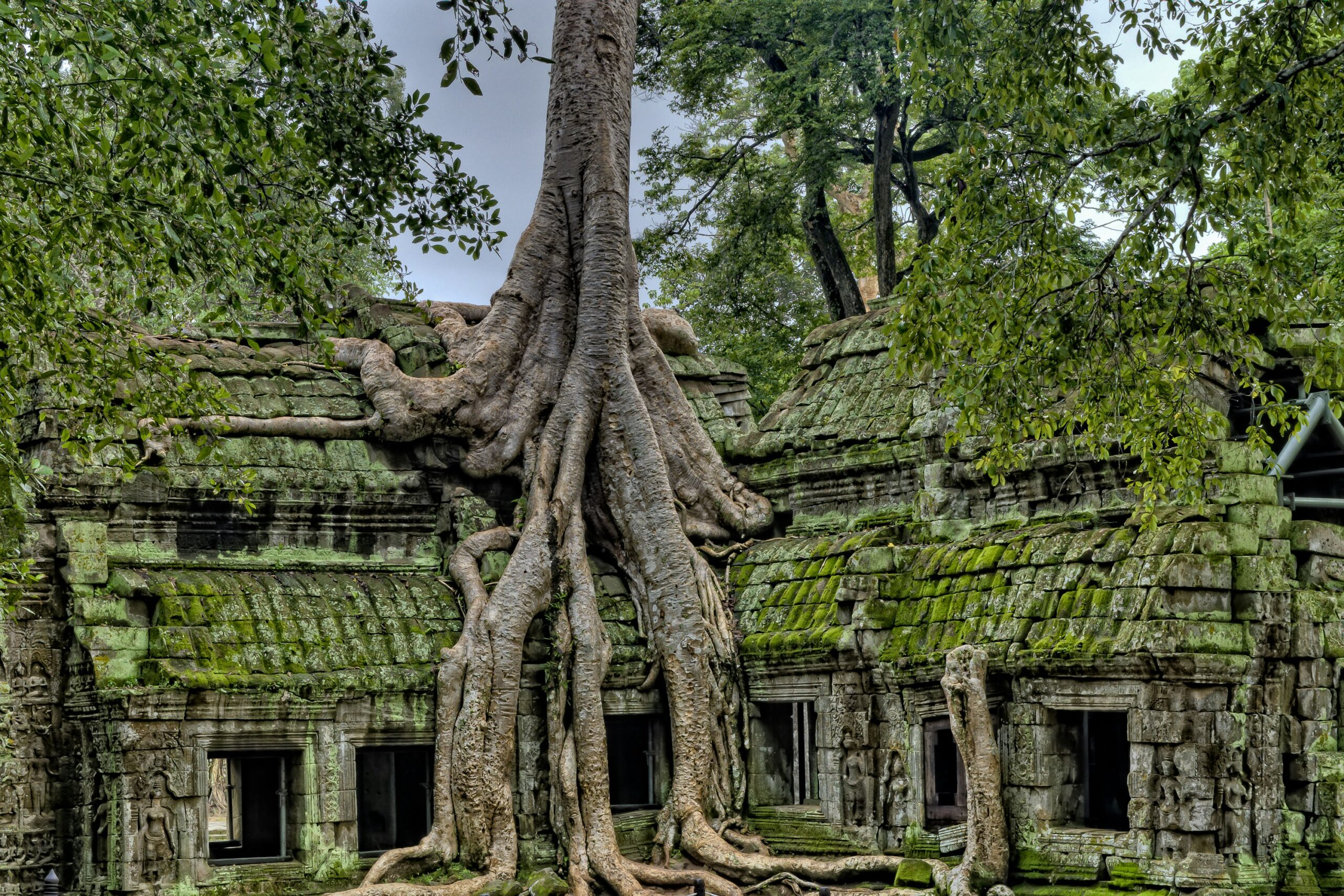
Angkor Wat, a name that evokes images of awe-inspiring ancient architecture and a rich tapestry of history, stands as a testament to the ingenuity and spiritual fervor of the Khmer Empire. Nestled amidst the verdant Cambodian landscape, this colossal temple complex, once the heart of a mighty civilization, continues to captivate the imagination of visitors and scholars alike. To truly Uncovering the Secrets of Angkor Wat is to embark on a journey through time, deciphering the intricate carvings, understanding the profound symbolism, and piecing together the rise and fall of a once-dominant empire.
The creation of Angkor Wat is a monumental undertaking, reflecting the deep-seated religious beliefs and the ambitious vision of its architect-king. The sheer scale of the construction and the meticulous planning involved point to a society with a highly organized structure and an advanced understanding of engineering and astronomy. Understanding this foundational aspect is crucial to appreciating the subsequent layers of meaning and mystery that surround the complex.
The Vision of Suryavarman II
The driving force behind Angkor Wat was King Suryavarman II (reigned circa 1113–1150 CE), a powerful monarch who sought to solidify his reign and elevate his divine status through this grand architectural project. Built as his state temple and final resting place, Angkor Wat was intended to embody the cosmic mountain, Mount Meru, the mythical abode of the gods in Hindu cosmology. This choice of imagery was not merely aesthetic but a profound statement of royal power and legitimacy, linking the king directly to the divine realm.
The Philosophical Underpinnings
The temple’s design is deeply rooted in Hindu philosophy, particularly the worship of Vishnu, to whom the temple was originally dedicated. The layout, the orientation, and the iconography all reflect key tenets of Hinduism, including the concept of the universe, the cycle of creation and destruction, and the divine order. The careful placement of each element, from the central towers to the surrounding moats, was designed to create a microcosm of the Hindu cosmos on Earth.
Engineering Marvels of the 12th Century
The construction of Angkor Wat, with its massive sandstone blocks, intricate bas-reliefs, and sophisticated water management systems, is an engineering marvel, especially considering the tools and technology available in the 12th century. The sheer logistical challenge of quarring, transporting, and lifting millions of tons of stone, and assembling them with such precision without the use of modern machinery, continues to astound experts. Their achievements speak volumes about the organizational capacity and ingenuity of the Khmer people.
The secrets of Angkor Wat, a magnificent testament to the ingenuity of the Khmer Empire, continue to captivate historians and archaeologists alike. For those interested in exploring the broader context of ancient urban development and decline, a related article titled “Uncovering Ancient City Abandonment Trends” provides valuable insights into the factors that led to the abandonment of significant historical sites. You can read more about this intriguing topic by visiting this link.
Decoding the Sacred Architecture
The architectural grandeur of Angkor Wat is not simply for show; each element serves a specific purpose, imbued with symbolic meaning. The journey through the temple’s galleries and courtyards offers a visual narrative, a meticulously crafted story etched in stone, waiting to be interpreted by those who observe closely.
The Cosmic Mount Meru
At the heart of Angkor Wat lies the iconic five-towered sanctuary, representing Mount Meru. These towers, resembling lotus buds, are arranged in a quincunx pattern, symbolizing the five peaks of the sacred mountain. The central tower, the highest, represents the celestial king, while the surrounding four represent the four cardinal directions and the lesser deities. The entire temple complex, with its concentric galleries and moats, acts as a representation of the cosmic ocean surrounding Mount Meru, further reinforcing its sacred significance.
The Galleries of Narrative
The galleries that form the outer and inner walls of Angkor Wat are adorned with some of the most extensive and detailed bas-reliefs in the world. These intricately carved panels depict epic tales from Hindu mythology, historical events, and scenes of daily life during the Khmer Empire. Walking through these galleries is akin to flipping through the pages of an ancient storybook, revealing the values, beliefs, and historical consciousness of the civilization that built it.
The Symbolism of the Waterways
The moats and canals surrounding Angkor Wat are not just decorative features; they are integral to the temple’s sacred design, representing the cosmic ocean. They also served a practical purpose, managing water for irrigation and sanitation, demonstrating the Khmer’s sophisticated understanding of hydraulics and their connection to the natural world. The reflective quality of the water was also seen as a mirror to the heavens, enhancing the spiritual atmosphere of the complex.
The Stories Etched in Stone: The Bas-Reliefs

The bas-reliefs of Angkor Wat are arguably its most captivating feature, offering an unparalleled window into the world of the Khmer Empire. These detailed narratives, carved into the sandstone walls, are a primary source of information for understanding their history, mythology, and social structure. Deciphering these stone chronicles is a key to Uncovering the Secrets of Angkor Wat.
The Churning of the Ocean of Milk
One of the most famous and extensive bas-reliefs depicts the Hindu myth of the Churning of the Ocean of Milk. This scene, a vibrant and dynamic narrative, illustrates the cosmic struggle between the gods (devas) and the demons (asuras) to obtain the nectar of immortality. The sheer scale and artistry of this panel, with its hundreds of figures in action, highlight the importance of this myth in Khmer belief and its representation of cosmic balance and eternal struggle.
The Battles of Suryavarman II
Interspersed with mythological scenes are depictions of historical battles, most notably those believed to represent the campaigns of King Suryavarman II. These reliefs offer valuable insights into Khmer military tactics, weaponry, and the organization of their armies. They also serve to glorify the king’s reign and legitimize his authority through martial prowess. The meticulous detailing of armor and formations provides a glimpse into the military sophistication of the era.
Scenes of Heavenly and Earthly Life
Beyond the epic narratives, the bas-reliefs also offer charming vignettes of everyday life in the Khmer Empire. Scenes of processions, markets, and agricultural activities provide a human touch, grounding the divine and mythological within a tangible reality. Some panels also depict celestial dancers (apsaras) and warriors, further blurring the lines between the earthly and the divine, creating a sense of constant spiritual presence. The everyday details offer a unique perspective on the social fabric and cultural practices of the time.
From Hindu Temple to Buddhist Sanctuary
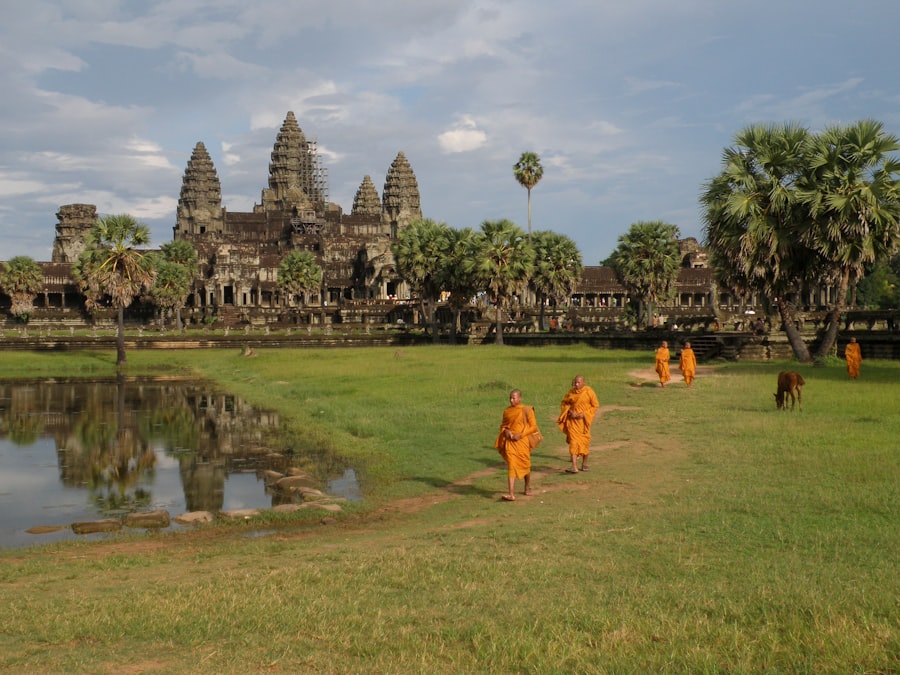
The profound religious transformation that Angkor Wat underwent is a crucial chapter in its enduring story, showcasing the adaptability and syncretic nature of religious beliefs in Southeast Asia. This shift signifies not just a change in worship but also a reinterpretation of the temple’s purpose and symbolism.
The Arrival of Buddhism
As Buddhism gained prominence in the region, Angkor Wat, originally dedicated to Vishnu, began to incorporate Buddhist iconography and practices. This transition was not a violent overthrow but a gradual integration, with Buddhist deities and symbols appearing alongside Hindu ones. The temple essentially became a multi-faith site, reflecting the evolving religious landscape of the Khmer Empire.
The Reinterpretation of Symbolism
The shift to Buddhism led to a reinterpretation of the existing symbols and narratives within Angkor Wat. While the architectural framework remained, the spiritual focus shifted. Buddhist deities like the Buddha began to be depicted, and the cosmic mountain symbolism began to be viewed through a Buddhist lens, often associated with enlightenment rather than solely with Hindu gods.
Evidence of Later Buddhist Influence
Later inscriptions and added structures within the complex provide clear evidence of Buddhist influence. These additions, though sometimes less grand than the original Khmers’ work, demonstrate the continued veneration of Angkor Wat and its adaptation to new religious imperatives. The presence of stupas and Buddhist statues within the temple grounds testifies to this evolution.
The secrets of Angkor Wat extend beyond its stunning architecture and intricate carvings, revealing a complex system of hydraulic engineering that supported the vast Khmer Empire. For those interested in exploring this fascinating aspect further, a related article delves into the ancient hydraulic marvels that were crucial for sustaining the civilization’s agricultural needs. You can read more about these innovative techniques in the article on uncovering ancient hydraulic engineering marvels. This connection highlights how the ingenuity of the Khmer people was not only evident in their monumental temples but also in their ability to manipulate water resources effectively.
Unraveling the Mysteries and Enduring Legacy
| Aspect | Details |
|---|---|
| Location | Siem Reap, Cambodia |
| Construction Period | 9th to 15th centuries |
| Architectural Style | Khmer |
| Significance | UNESCO World Heritage Site |
| Size | 162.6 hectares |
| Religious Importance | Originally Hindu, later Buddhist |
Despite centuries of study, Angkor Wat continues to hold a mystique, with numerous questions still unanswered and secrets yet to be fully revealed. Its enduring legacy extends far beyond its architectural brilliance, influencing art, culture, and national identity in Cambodia and beyond.
The Lost City and Rediscovery
For centuries, Angkor Wat lay largely hidden by the jungle, its grandeur known only to local populations. Its “rediscovery” by European explorers in the 19th century ignited a global fascination with the Khmer civilization. This rediscovery, while bringing the temple to international attention, also sparked debates about conservation and the ethical implications of colonial interest.
Ongoing Archaeological Research
Modern archaeological research continues to delve into the secrets of Angkor Wat and the surrounding city of Angkor. Advanced technologies like LiDAR are helping to map the vast urban complex and understand the scale of the Khmer civilization in unprecedented detail, revealing systems of canals, reservoirs, and residential areas beyond the temple itself. These discoveries continuously reshape our understanding of the empire’s capabilities.
Angkor Wat as a Symbol of National Identity
Today, Angkor Wat is not just an archaeological marvel; it is the paramount symbol of Cambodian national identity and pride. Its image graces the national flag, representing the nation’s rich history and cultural heritage. The temple’s resilience in the face of time, conflict, and neglect has made it a powerful emblem of Cambodian spirit and a beacon of hope for the future.
Threats and Conservation Efforts
The enduring legacy of Angkor Wat is intrinsically linked to the ongoing efforts to preserve it for future generations. Threats from natural erosion, climate change, and the impact of tourism necessitate continuous and dedicated conservation work. International collaboration and the involvement of local communities are crucial in ensuring the long-term survival of this irreplaceable UNESCO World Heritage Site.
Angkor Wat stands as a testament to the enduring power of human creativity, spiritual devotion, and the ambition to create something that transcends the ordinary. To Uncovering the Secrets of Angkor Wat is to engage with a living history, a complex tapestry of belief, power, and artistry that continues to inspire wonder and provoke inquiry. Each stone, each carving, each architectural element whispers stories of a bygone era, inviting us to listen, learn, and marvel at the sublime achievements of the Khmer Empire.

The Machine That Kept Angkor Alive
FAQs
What is Angkor Wat?
Angkor Wat is a temple complex in Cambodia and is the largest religious monument in the world. It was originally built in the early 12th century as a Hindu temple, but gradually transformed into a Buddhist temple.
How was Angkor Wat constructed?
Angkor Wat was constructed using sandstone blocks quarried from the holy mountain of Phnom Kulen, which was then transported along a network of canals and roads to the temple site. The blocks were then carved and assembled using a technique that did not require mortar.
What are some of the secrets of Angkor Wat?
Some of the secrets of Angkor Wat include its precise alignment with the sun during the equinoxes, its intricate carvings depicting Hindu and Buddhist mythology, and its hidden chambers and passageways that have only recently been discovered through modern technology.
Why is Angkor Wat significant?
Angkor Wat is significant for its architectural and artistic achievements, as well as its historical and religious importance. It is a symbol of Cambodia and is a UNESCO World Heritage site.
How can visitors experience Angkor Wat?
Visitors can experience Angkor Wat by exploring its vast complex of temples, towers, and galleries, as well as by witnessing the sunrise or sunset over the iconic silhouette of the main temple. Guided tours and informational signage are available to provide historical and cultural context.