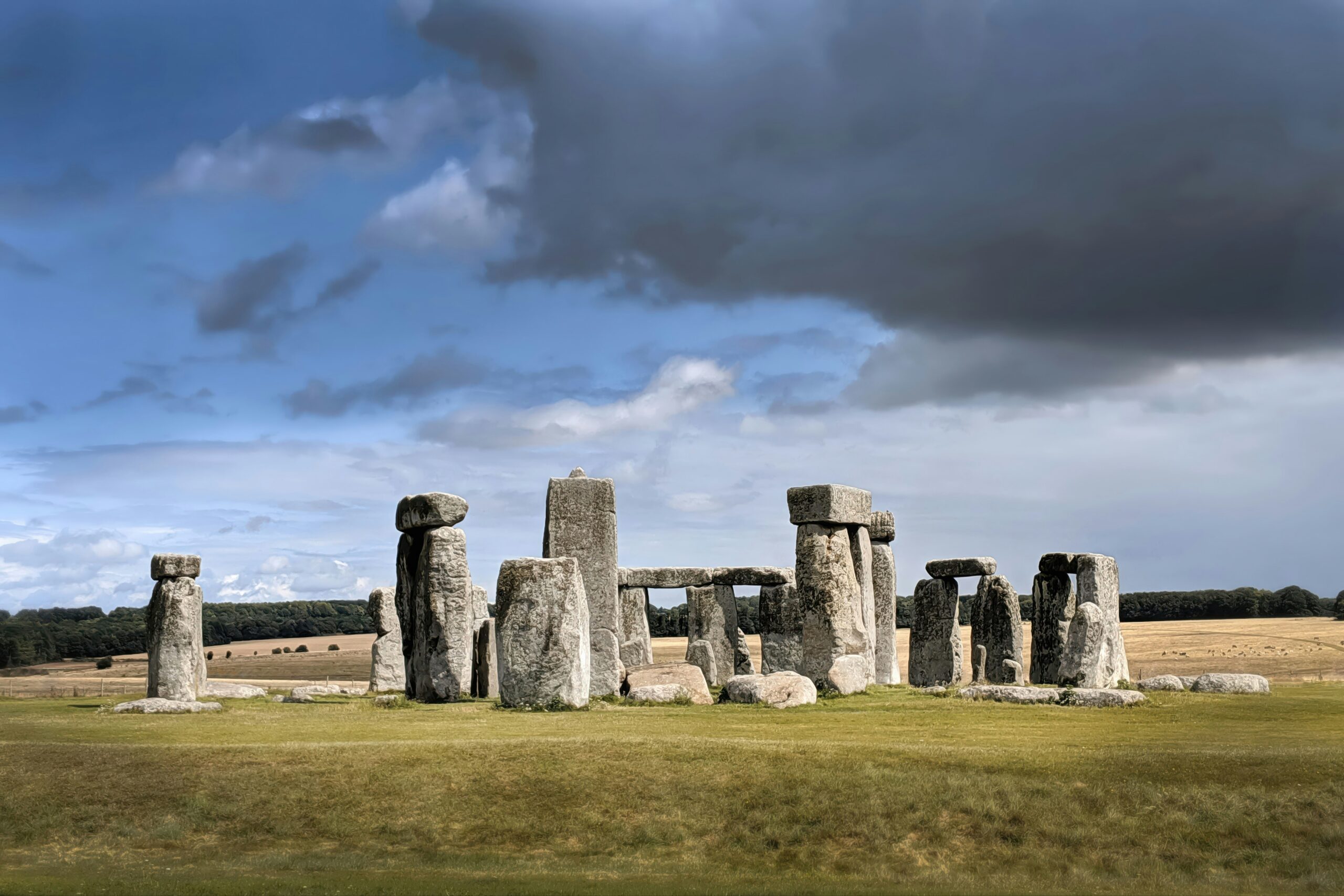
Angkor Wat, a UNESCO World Heritage Site and the largest religious monument in the world, stands as a testament to the ingenuity and sophisticated engineering prowess of the Khmer Empire. For centuries, its colossal sandstone structures, intricate bas-reliefs, and sprawling moats have captivated visitors and scholars alike, prompting a persistent question: how was such a monumental complex, built without the aid of modern technology, constructed with such precision and scale? Unlocking these engineering mysteries requires a deep dive into the materials, techniques, and organizational strategies employed by the ancient Khmers, revealing a civilization that possessed a profound understanding of physics, hydrology, and resource management.
The very act of choosing the location for Angkor Wat was an engineering feat in itself, demonstrating a keen awareness of the local topography and its implications for both construction and longevity. The site, nestled beside the Tonle Sap Lake, was not merely a symbolic choice but a strategic one, leveraging the natural environment to the empire’s advantage.
Navigating the Terrain: Understanding Topography and Waterways
The Khmer engineers meticulously studied the landscape, recognizing the importance of both elevation and water flow. The slightly elevated ground chosen for Angkor Wat provided a stable base and helped mitigate the risk of perennial flooding, a significant concern in the monsoon-prone region. Furthermore, the proximity to the Tonle Sap Lake, the largest freshwater lake in Southeast Asia, offered crucial advantages, including a readily available water source for construction and a potential transportation route for materials. The intricate network of canals and reservoirs that surrounded Angkor Wat was not merely decorative but an integral part of its engineering, serving multiple functions.
The Great Moat: A Symphony of Water Management and Defense
Perhaps the most striking example of Khmer hydrological engineering is the colossal moat that encircles Angkor Wat. Far more than a simple defensive barrier, this vast expanse of water was a complex water management system. Its construction involved the excavation of an enormous quantity of earth, meticulously leveled and shaped, surrounding the temple complex by a uniform width of 200 meters.
Beyond Defense: Hydrological Control and Environmental Stability
The primary function of the moat extended beyond defense. It served as a crucial component in regulating the water table around the temple, preventing groundwater from undermining the foundations of the massive sandstone structures. The water within the moat also helped to cool the surrounding environment, a significant benefit in the tropical climate. Furthermore, the constant presence of water may have played a role in deterring termites and other wood-boring insects that could have threatened the wooden structures that would have once accompanied the stone temples. The sheer scale of the moat’s construction suggests a sophisticated understanding of earthmoving techniques and the ability to mobilize and manage a vast labor force.
The Flow of Resources: Transporting Building Materials
The moat also served as a vital artery for the transportation of materials. Large barges, capable of carrying multi-ton sandstone blocks, would have navigated its waters, bringing stones from quarries located miles away to the construction site. This efficient transport system was indispensable for the ambitious construction of Angkor Wat, allowing for the movement of immense quantities of stone that would have been impossible to haul overland.
The engineering secrets of Angkor Wat continue to captivate researchers and historians alike, shedding light on the remarkable ingenuity of the Khmer Empire. For those interested in exploring more about ancient engineering marvels, a related article discusses the fascinating discoveries made in a recent documentary that unveils hidden truths about ancient civilizations. You can read more about these revelations in the article found here: Unearthed Ancient Secrets Revealed in New Documentary.
The Backbone of Belief: Quarrying and Transporting Monumental Stone
The very fabric of Angkor Wat is woven from colossal sandstone blocks, some weighing several tons. The extraction and transportation of these gargantuan stones represent one of the most perplexing and awe-inspiring aspects of the temple’s construction, hinting at advanced organizational skills and perhaps even less understood physical methods.
From Mountain to Monument: Unearthing the Sandstone Quarries
Evidence suggests that the primary source of sandstone for Angkor Wat was the Kulen Mountains, located about 40-50 kilometers to the northeast. The selection of these quarries was likely based on the quality and abundance of workable sandstone. The process of extracting these massive blocks from the earth would have been a monumental undertaking in itself.
Primitive Tools, Profound Results: Excavation Techniques
Without iron tools capable of large-scale cutting, the Khmer engineers likely employed a combination of techniques. Fire-setting, a method of heating the rock face and then rapidly cooling it with water to induce fracturing, may have been used to break free large sections of stone. Wedges, hammered into pre-drilled holes, could have also been employed to split the rock. The sheer volume of stone removed indicates a systematic and persistent approach to quarrying over an extended period.
The Art of the Move: Overland Transport Challenges
Once quarried, the immense blocks had to be transported. While the moats provided a crucial waterway, the initial stages of transport from the quarry to the waterways would have involved overland movement. This presents a significant engineering puzzle.
Leveraging Nature’s Inclination: Inclined Planes and Rollers
It is theorized that the Khmers utilized inclined planes, perhaps constructed from earth and timber, to facilitate the movement of heavy stones downhill. The use of logs as rollers placed beneath the blocks would have significantly reduced friction, allowing for a more manageable movement. This method, while seemingly rudimentary, requires a sophisticated understanding of force, friction, and leverage. The smooth, gradual slopes of the terrain surrounding the quarries likely played a role in making this method feasible on such a grand scale.
The Power of Many: Human and Animal Labor
The sheer force required to move these colossal stones would have been immense. A vast labor force, likely comprising tens of thousands of laborers, would have been essential. While the precise organization of this workforce remains a subject of study, it’s clear that the Khmer Empire possessed the social and political structure to mobilize and sustain such a massive undertaking. Animal power, likely in the form of oxen, would have also played a crucial role in pulling and guiding the stone blocks.
Building with Precision: The Art of Stone Masonry and Assembly

The construction of Angkor Wat demanded not only the extraction and transport of stone but also an extraordinary level of skill in shaping, fitting, and assembling the individual blocks. The precision with which these massive stones were cut and joined is a source of constant admiration and a testament to the enduring quality of Khmer craftsmanship.
The Seamless Fit: Shaping and Interlocking Blocks
Unlike many later stone structures that rely on mortar to bind blocks, Angkor Wat’s construction largely features dry stone masonry. This means that the blocks were shaped with such precision that they fit together almost seamlessly, relying on gravity and their interlocking shapes for stability.
The Art of the Chisel: Advanced Quarrying and Shaping Tools
The precise shaping of sandstone blocks would have required a variety of specialized tools. While direct evidence of these tools is scarce, it is believed that the Khmer masons utilized chisels made of harder metals, such as bronze or perhaps even early forms of iron, to carve and refine the stone. The level of detail achieved in the bas-reliefs, depicting scenes from Hindu epics and daily Khmer life, further underscores the mastery of these tools. The ability to create such intricate carvings on such a large scale is a remarkable feat of artistry and engineering.
The Illusion of Unity: Engineered Joints and Levelling
The engineers employed sophisticated techniques to ensure the stability and structural integrity of the temple. They understood the importance of creating flat, level surfaces for each layer of stone. Furthermore, the careful shaping of the joints between blocks, often with subtle interlocking features, ensured that the immense weight of the upper levels was distributed effectively. This prevented settling and cracking over time, contributing to Angkor Wat’s remarkable preservation.
Adapting to the Climate: Designing for Expansion and Contraction
The tropical climate of Southeast Asia presents unique challenges for stone construction, with significant temperature fluctuations and high humidity to consider. The Khmer engineers demonstrated an understanding of how stone reacts to these environmental changes.
Accommodating the Heat: Expansion Gaps and Joint Design
While the joints are incredibly precise, it is theorized that subtle, almost imperceptible expansion gaps were incorporated into the design. These gaps would have allowed the sandstone to expand and contract with temperature changes without creating excessive stress on the structure. This foresight in material behavior is a subtle but crucial aspect of the temple’s enduring stability.
The Sacred Geometry: Architectural Design and Mathematical Principles

Beyond the physical construction, the design of Angkor Wat itself reflects a deep understanding of mathematics, astronomy, and cosmology. The temple’s layout, orientation, and proportions are not arbitrary but imbued with symbolic meaning and engineered for a specific purpose, likely linked to religious and astronomical observations.
Aligning with the Cosmos: Astronomical Orientation and Sunrise Ceremonies
Angkor Wat’s cardinal orientation, facing west, is a deliberate choice with cosmological significance. This orientation is aligned with the setting sun during the vernal and autumnal equinoxes, suggesting that the temple was designed to serve as an astronomical observatory or to facilitate specific solar ceremonies.
The Sun’s Passage: Solstice and Equinox Alignments
Scholars have noted that the central towers of Angkor Wat perfectly align with the sunrise on the equinoxes. This precision implies a sophisticated understanding of celestial movements and the ability to measure and record them through architectural design. The meticulous placement of key structures, such as the causeways and the central sanctuary, further emphasizes this astronomical intentionality.
Symbolic Proportions: The Golden Ratio and Cosmic Order
While definitive proof of the ancient Khmers’ conscious use of the Golden Ratio (phi) is debated, the proportions found throughout Angkor Wat often exhibit aesthetically pleasing ratios that are reminiscent of this mathematical constant. The harmonious balance of the temple’s various sections suggests a deep understanding of geometric principles and a desire to create a structure that reflected cosmic order and divine harmony.
The Mandalas of Meaning: Layout as a Cosmic Map
The entire layout of Angkor Wat can be interpreted as a three-dimensional mandala, a symbolic representation of the Hindu universe. The central towers represent Mount Meru, the mythical home of the gods, surrounded by progressively lower levels signifying earthly realms and oceans.
Layers of Understanding: The Temple’s Vertical and Horizontal Organization
The five iconic towers, arranged in a quincunx pattern, draw the eye upwards, symbolizing the ascent to heaven. The surrounding galleries, depicting the epics of the Ramayana and Mahabharata, serve as earthly narratives contained within the cosmic framework. The vast moat, as previously discussed, represents the cosmic ocean. This intricate spatial organization demonstrates an engineering approach that was not merely about building structures but about creating a tangible representation of a complex worldview.
The engineering secrets of Angkor Wat have fascinated researchers and historians for decades, showcasing the incredible ingenuity of ancient builders. A related article discusses the innovative use of in-situ resource utilization (ISRU) technology, which highlights how maximizing available resources can lead to sustainable construction practices. This approach not only mirrors the resourcefulness seen in the creation of Angkor Wat but also offers insights for modern engineering challenges. For more information on this topic, you can read about it in the article on ISRU technology here.
The Enduring Legacy: Lessons from an Ancient Engineering Marvel
| Engineering Secrets of Angkor Wat | |
|---|---|
| Construction Material | Sandstone blocks |
| Hydraulic System | Complex network of canals and reservoirs |
| Architectural Features | Corbel arches, galleries, and towers |
| Alignment with Sun | Eastward orientation for sunrise alignment |
| Earthquake Resistance | Flexible sandstone and laterite foundation |
The engineering achievements of Angkor Wat continue to inspire and challenge modern engineers and historians. The complexity of its construction, the longevity of its structures, and the intricate integration of its various systems offer invaluable lessons about human ingenuity, resourcefulness, and the deep connection between civilization and its environment.
Sustainability and Resourcefulness: Building with Local Materials and Natural Systems
Angkor Wat stands as a powerful example of sustainable engineering principles. The extensive use of local sandstone, coupled with a sophisticated understanding of water management, demonstrates a civilization that worked in harmony with its natural environment rather than against it. The careful utilization of resources and the design principles that ensured longevity without reliance on advanced machinery are particularly relevant in today’s world.
The Power of Collective Endeavor: Organization and Labor Management
The construction of Angkor Wat required an unprecedented level of organization and labor management. The ability to mobilize, house, feed, and direct tens of thousands of workers over many decades is a testament to the advanced social and political structure of the Khmer Empire. This aspect of their achievement, though less tangible than the stone structures, is equally impressive.
A Source of Inspiration: Enduring Mysteries and Future Research
Despite centuries of study, Angkor Wat continues to hold its secrets. Ongoing research, utilizing modern archaeological techniques and scientific analysis, promises to shed further light on the specific methods employed by the ancient Khmers. The enduring mystery surrounding certain aspects of its construction only serves to amplify its awe-inspiring nature and its place as one of humanity’s greatest engineering marvels. The legacy of Angkor Wat is not just in its stones, but in the timeless lessons it offers about what can be achieved with vision, dedication, and a profound understanding of the world around us.

The Machine That Kept Angkor Alive
FAQs
What are some engineering secrets of Angkor Wat?
Some engineering secrets of Angkor Wat include its use of a sophisticated hydraulic system, precise and innovative construction techniques, and the use of sandstone blocks that were quarried and transported over long distances.
How was the hydraulic system at Angkor Wat engineered?
The hydraulic system at Angkor Wat was engineered using a network of canals, reservoirs, and moats to manage water flow, prevent flooding, and provide irrigation for the surrounding agricultural land. This system was crucial for sustaining the large population of the city.
What construction techniques were used in building Angkor Wat?
The construction of Angkor Wat utilized innovative techniques such as interlocking sandstone blocks, a corbelled arch design, and a mortarless construction method. These techniques allowed for the creation of the temple’s intricate and durable structures.
How were the sandstone blocks at Angkor Wat quarried and transported?
The sandstone blocks used in the construction of Angkor Wat were quarried from nearby mountains and transported to the temple site using a combination of elephants, wooden rollers, and a complex system of canals and waterways. This impressive feat of engineering enabled the builders to transport massive blocks over long distances.
What makes the engineering of Angkor Wat significant?
The engineering of Angkor Wat is significant because it showcases the advanced knowledge and skills of the Khmer civilization in areas such as water management, construction techniques, and logistics. The temple’s engineering achievements continue to inspire and fascinate researchers and visitors alike.