The flickering screen cast an ethereal glow across the dimly lit room, illuminating rows of expectant faces. A hush fell as the opening credits rolled, signaling the beginning of an extraordinary journey. “Uncovering Ancient Engineering: A Fascinating Documentary” was not merely a television program; it was an invitation to step back in time, to witness the ingenuity and sheer willpower of civilizations long gone, and to marvel at the enduring legacy they left behind. From the wind-swept deserts of Egypt to the rugged mountains of Peru, the documentary undertook a globe-trotting expedition, unearthing the secrets of their monumental achievements.
The documentary kicked off with a broad sweep, introducing the central thesis: that ancient peoples possessed a sophisticated understanding of engineering principles, far exceeding what modern scholars had once assumed. It challenged the prevailing narrative of primitive societies laboring under the direction of divine inspiration, instead presenting a compelling case for empirical observation, trial and error, and a profound respect for natural forces. The narrative voice, rich and authoritative, guided viewers through a series of breathtaking vistas, showcasing colossal structures that have defied the ravages of time.
The Pyramids: More Than Just Tombs
One of the immediate focal points was, inevitably, the pyramids of Giza. But this was no superficial overview. The film meticulously dissected the construction of these awe-inspiring monuments, moving beyond the sensationalism often associated with them. It presented evidence for sophisticated quarrying techniques, the precise shaping of enormous stone blocks, and the daunting logistical challenges of transporting and lifting them.
Quarrying and Stone Mastery
The documentary explored the geological origins of the quarried stones, tracing their journey from distant desert quarries to the construction sites. It highlighted the tools and techniques employed, suggesting the use of copper chisels, dolerite pounding stones, and possibly even wooden wedges expanded with water to fracture the bedrock. The precision with which these stones were cut and fitted, often with minimal mortar, was presented as a testament to their advanced understanding of material properties and tolerances. Spectrographic analysis was discussed, revealing the subtle differences in composition between various parts of the pyramids, hinting at deliberate material selection for specific structural purposes.
Transportation and Logistics
The sheer weight of the stone blocks, some weighing many tons, presented a colossal transportation puzzle. The film delved into theories about the use of sledges, ramps, and potentially even water channels to move these gargantuan components. Experiments were simulated, demonstrating how friction could be significantly reduced by wetting the sand beneath the sledges, a technique that has been observed in ancient Egyptian artwork. The scale of the workforce required was also addressed, moving away from the popular misconception of slave labor and suggesting a more complex system of organized, paid labor, possibly facilitated by periods of agricultural downtime.
Alignment and Astronomy
Beyond the physical construction, the documentary explored the remarkable astronomical alignments of the pyramids. The precision with which the Great Pyramid, in particular, aligns with the cardinal directions was emphasized, raising questions about the instruments and knowledge required for such accurate surveying. Theories involving the use of gnomons, stellar observations, and perhaps even rudimentary forms of theodolites were introduced. The significance of these alignments was explored, suggesting a profound connection between celestial cycles and the earthly realm, a concept that permeated many ancient cultures.
The Roman Aqueducts: Engineering for a Thirsty Empire
From the sands of Egypt, the documentary shifted its focus to the enduring engineering marvels of the Roman Empire. The aqueducts, vast networks of channels that supplied fresh water to burgeoning cities, were presented as a prime example of how ancient engineers prioritized public welfare and urban development. The film showcased the remarkable gradients employed, the use of arches and tunnels, and the sheer scale of these engineering feats.
The Principles of Gravity Flow
The core principle behind the aqueducts – gravity flow – was explained in accessible terms. The documentary illustrated how engineers meticulously calculated the most efficient routes, ensuring a constant downward slope to carry water over vast distances. Contour mapping and surveying techniques were discussed, emphasizing the painstaking planning involved in laying out these complex systems. The reliance on natural topography and the clever use of siphons to overcome inclines were highlighted as particularly ingenious solutions.
Arches, Tunnels, and Construction Techniques
The iconic Roman arch was celebrated not just for its aesthetic appeal but for its structural superiority. The film explained how the arch distributes weight effectively, allowing for the construction of strong, stable channels that could span valleys and rivers. The documentary also explored the challenges of tunneling through mountains, showcasing Roman methods for excavation and support. The use of concrete, a Roman innovation, was discussed as a key material that enabled the construction of durable reservoirs and waterproof channels.
Water Management and Public Health
The impact of the aqueducts on Roman society was profound. The film demonstrated how these systems provided clean, reliable water supplies, significantly improving public health and sanitation. The availability of water also facilitated the development of public baths, fountains, and irrigation systems, transforming urban life and contributing to the empire’s prosperity. The documentary highlighted the ethical considerations of the time, suggesting that providing clean water was seen as a civic duty and a mark of a civilized society.
In exploring the remarkable feats of ancient engineering, one can draw valuable lessons from history that are particularly relevant today, especially in the context of climate change. A related article that delves into these lessons is titled “Learning from History: Climate Change Lessons,” which discusses how ancient civilizations adapted to their environments and the implications for modern society. You can read more about it here: Learning from History: Climate Change Lessons. This connection between ancient practices and contemporary challenges highlights the importance of understanding our past to navigate the future effectively.
Engineering in the Wild: Nature as a Master Builder
The documentary then ventured into regions where engineering intertwined seamlessly with the natural environment, showcasing how ancient peoples learned to harness and collaborate with nature’s forces. This section emphasized a more organic approach to construction, one that was deeply attuned to the local landscape.
Inca Terraces: Farming on the Edge of the World
The breathtaking agricultural terraces of the Inca Empire in the Andes mountains served as a striking example. The film explained how these sophisticated farming systems, carved into steep hillsides, were designed to maximize arable land, prevent soil erosion, and manage water resources effectively.
Soil Erosion Control and Drainage
The documentary detailed the layered construction of the terraces, featuring a foundation of rocks, a layer of gravel for drainage, and topped with fertile soil. This multi-layered approach, coupled with precise water channels and catchment systems, prevented the valuable topsoil from being washed away by heavy rains, a constant threat in the mountainous region. The interconnectedness of the terraces, forming a single, coherent system, was emphasized.
Water Harvesting and Irrigation
The Inca engineers were masters of water management. The film showed how they ingeniously captured rainwater and snowmelt, channeling it through a complex network of aqueducts and reservoirs to irrigate the terraces. This allowed them to cultivate crops in an unforgiving environment, transforming seemingly impossible landscapes into productive farmland. The documentary explained the use of natural gradients and the strategic placement of collection points to ensure a continuous water supply.
Adapting to the Environment
The Inca terraces stood as a powerful testament to human adaptability. The documentary underscored how these structures were not imposed upon the landscape but rather grew out of it, respecting its contours and utilizing its resources. The symbiotic relationship between the Inca people and their environment was a key theme, demonstrating a deep understanding of ecological principles. The sheer scale of the labor involved was also acknowledged, suggesting a highly organized and motivated society.
Ancient Dams and Reservoirs: Taming the Rivers
Across various cultures, the documentary explored the construction of remarkable dams and reservoirs, showcasing a sophisticated understanding of hydraulics and water storage. These structures were vital for agriculture, flood control, and urban water supply.
Hydrostatic Pressure and Structural Integrity
The principles of hydrostatic pressure were explained, illustrating how ancient engineers understood the immense force exerted by water. The documentary showcased different dam designs, from gravity dams to arch dams, and explained the materials and construction methods used to ensure their structural integrity against these powerful forces. The use of carefully fitted stones, clay sealants, and even wooden frameworks was discussed.
Flood Control Mechanisms
Many ancient dams were designed with flood control in mind. The film explained how sluice gates and overflow channels were incorporated into their designs, allowing for the controlled release of excess water during periods of heavy rainfall, thus protecting downstream settlements and agricultural lands. The foresight involved in anticipating and mitigating natural disasters was a key takeaway.
Water Storage for Arid Regions
In drier climates, the ability to store water was paramount. The documentary highlighted reservoirs engineered to capture and retain water during rainy seasons, ensuring a supply throughout the year for irrigation and domestic use. The ingenuity in creating these artificial lakes in often challenging terrains was emphasized. The long-term sustainability of these water management systems was also a point of discussion, highlighting their resilience over centuries.
The Unseen Labor: Tools, Techniques, and Social Organization

Beyond the monumental achievements themselves, “Uncovering Ancient Engineering” also delved into the human element – the tools, techniques, and social structures that made these feats possible. This section offered a grounded perspective, moving from the abstract to the tangible.
In exploring the fascinating world of ancient engineering, one cannot overlook the remarkable achievements of the Egyptians, particularly in the construction of the Giza pyramids. These monumental structures have long intrigued historians and archaeologists alike, leading to numerous theories about their alignment and purpose. For those interested in delving deeper into this subject, a related article discusses the intriguing mysteries surrounding the alignment of the Giza pyramids. You can read more about it in this insightful piece on the topic, which can be found here.
The Arsenal of Antiquity: Tools of the Trade
The documentary explored the surprisingly sophisticated toolkit available to ancient engineers. While often depicted with rudimentary implements, evidence suggests a range of specialized tools.
Metallurgy and Material Science
The development of metallurgy played a crucial role. The film discussed the advanced knowledge of metals like copper, bronze, and eventually iron, and how these materials were shaped into effective tools for cutting, drilling, and shaping stone. The quality of these tools, requiring specific temperatures for smelting and forging, hinted at a deep understanding of material properties.
Measuring and Surveying Instruments
The precision of ancient construction demanded accurate measurement and surveying. The documentary showcased reconstructions of ancient instruments such as plumb bobs, levels, and possibly even early forms of astrolabes or quadrants for celestial observation. The use of ropes and knotted cords for measuring distances was also explored, demonstrating the practicality of their methods.
Leverage and Mechanical Advantage
The principle of leverage was clearly understood and widely applied. The film demonstrated how simple machines, such as levers and rollers, were used to move incredibly heavy objects. The effective use of ramps and inclined planes, combined with brute force and strategic placement, allowed for the lifting of massive stones to considerable heights.
The Power of Collaboration: Workforce and Social Structures
One of the most compelling aspects of the documentary was its exploration of the social organization behind these grand projects. It challenged the simplistic notion of a single genius architect.
Organized Labor and Specialization
Instead, the film presented evidence for highly organized workforces, with distinct roles and specializations. From stone cutters and masons to laborers and overseers, a complex hierarchy was likely in place. The documentary suggested that vast numbers of people were mobilized for these projects, requiring extensive planning and coordination.
Knowledge Transfer and Apprenticeship
The transmission of engineering knowledge across generations was also a key theme. The documentary posited that oral traditions, practical demonstrations, and apprenticeship systems were vital for preserving and developing these skills. The long lifespan of many ancient structures suggests a robust and effective system of knowledge transfer.
Motivations and Belief Systems
The motivations behind such colossal undertakings were also examined. While imperial ambition and the desire for monumental legacy were evident, the documentary also explored the role of religious beliefs and communal identity in mobilizing labor and fostering a sense of shared purpose. The construction of temples and sacred sites often served as focal points for social cohesion.
Rediscovering the Past: Modern Techniques and Enduring Mysteries
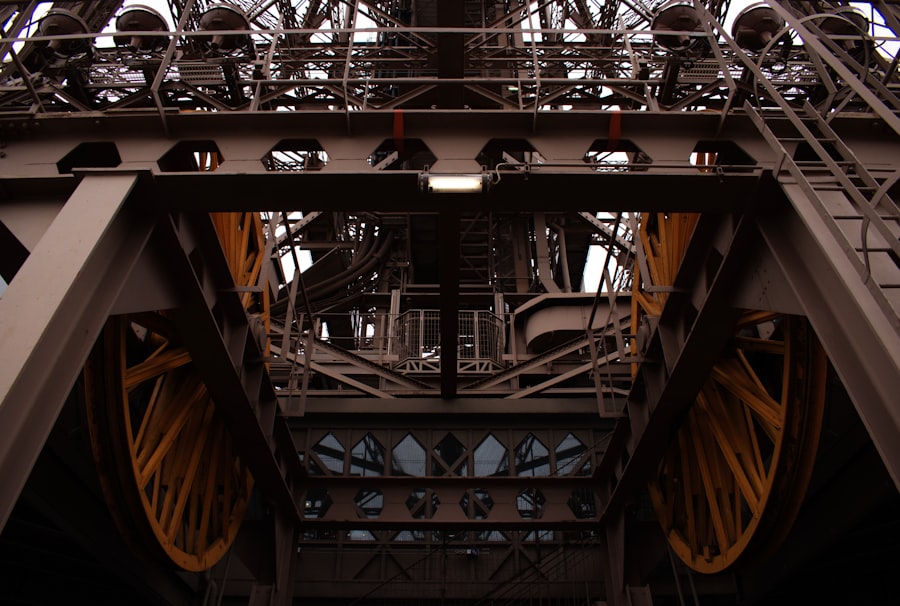
The documentary concluded by bridging the gap between the ancient world and the present, showcasing how modern technology is aiding in the rediscovering and understanding of these ancient engineering marvels. It also acknowledged that despite our advancements, many questions still remain.
The Role of Technology in Archaeology
The film highlighted the transformative impact of modern technologies on archaeological research. Ground-penetrating radar, LIDAR (Light Detection and Ranging), and advanced imaging techniques were shown to reveal hidden structures, map subterranean complexities, and provide detailed insights into construction methods without disturbing the sites.
3D Scanning and Virtual Reconstruction
The power of 3D scanning was demonstrated through virtual reconstructions of ancient sites and artifacts. Viewers were able to virtually walk through reconstructed Roman cities and explore the internal chambers of Egyptian pyramids, gaining a tangible sense of their scale and complexity.
Material Analysis and Scientific Dating
Sophisticated material analysis techniques, such as X-ray fluorescence and mass spectrometry, were explained as crucial tools for understanding the composition of ancient materials and techniques used. Radiocarbon dating and other scientific dating methods provided precise timelines, helping to place these engineering feats within their historical context.
Unanswered Questions and Future Explorations
Despite the wealth of information presented, the documentary openly acknowledged the enduring mysteries that continue to fascinate and challenge researchers. The precise methods used for lifting and positioning the largest stones, the exact astronomical calculations employed, and the full extent of their hydraulic knowledge are areas where debate and speculation still thrive.
The Limits of Our Understanding
The film emphasized that our understanding of ancient engineering is a continually evolving process. New discoveries, technological advancements, and interdisciplinary collaboration are constantly pushing the boundaries of what we know. The inherent challenges of deciphering the intentions and methodologies of societies separated by millennia were acknowledged.
Inspiring Future Generations
Ultimately, “Uncovering Ancient Engineering” served as a powerful reminder of human potential and the enduring legacy of innovation. It inspired awe, curiosity, and a profound appreciation for the ingenuity of our ancestors, urging viewers to look at the ancient world not as a collection of ruins, but as a testament to the power of human intellect and determination. The documentary left a lasting impression, igniting a desire to learn more and to continue uncovering the hidden wonders of our shared past.

The Machine That Kept Angkor Alive
FAQs
What is ancient engineering?
Ancient engineering refers to the construction and design techniques used by civilizations in the past to create structures, buildings, and infrastructure. This includes the use of materials such as stone, wood, and metal, as well as the development of tools and machinery.
What are some examples of ancient engineering marvels?
Some examples of ancient engineering marvels include the Great Pyramid of Giza in Egypt, the Roman aqueducts, the Colosseum in Rome, the Great Wall of China, and the Parthenon in Greece. These structures showcase the advanced engineering skills and techniques of ancient civilizations.
What can we learn from ancient engineering techniques?
Studying ancient engineering techniques can provide valuable insights into the ingenuity and problem-solving abilities of past civilizations. It can also offer inspiration for modern engineering and architectural projects, as well as a deeper understanding of the cultural and historical significance of these structures.
How did ancient engineers overcome challenges without modern technology?
Ancient engineers relied on innovative design, careful planning, and skilled craftsmanship to overcome challenges without the aid of modern technology. They utilized simple machines, such as levers and pulleys, and developed sophisticated construction methods to achieve their engineering goals.
Why is it important to document and study ancient engineering achievements?
Documenting and studying ancient engineering achievements is important for preserving cultural heritage, understanding the development of human civilization, and gaining knowledge about the technological advancements of the past. It also provides valuable lessons for contemporary engineering practices and inspires future innovations.